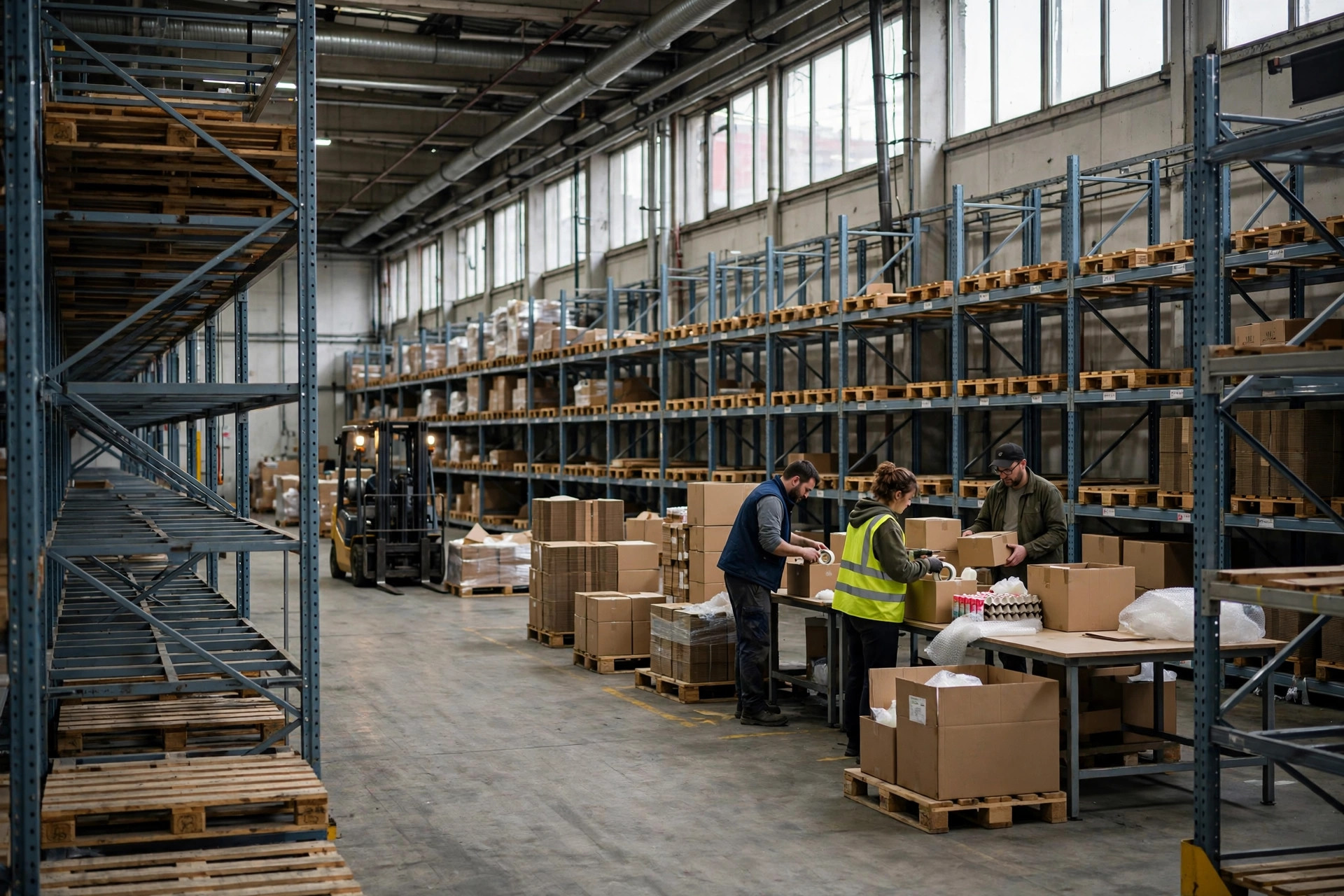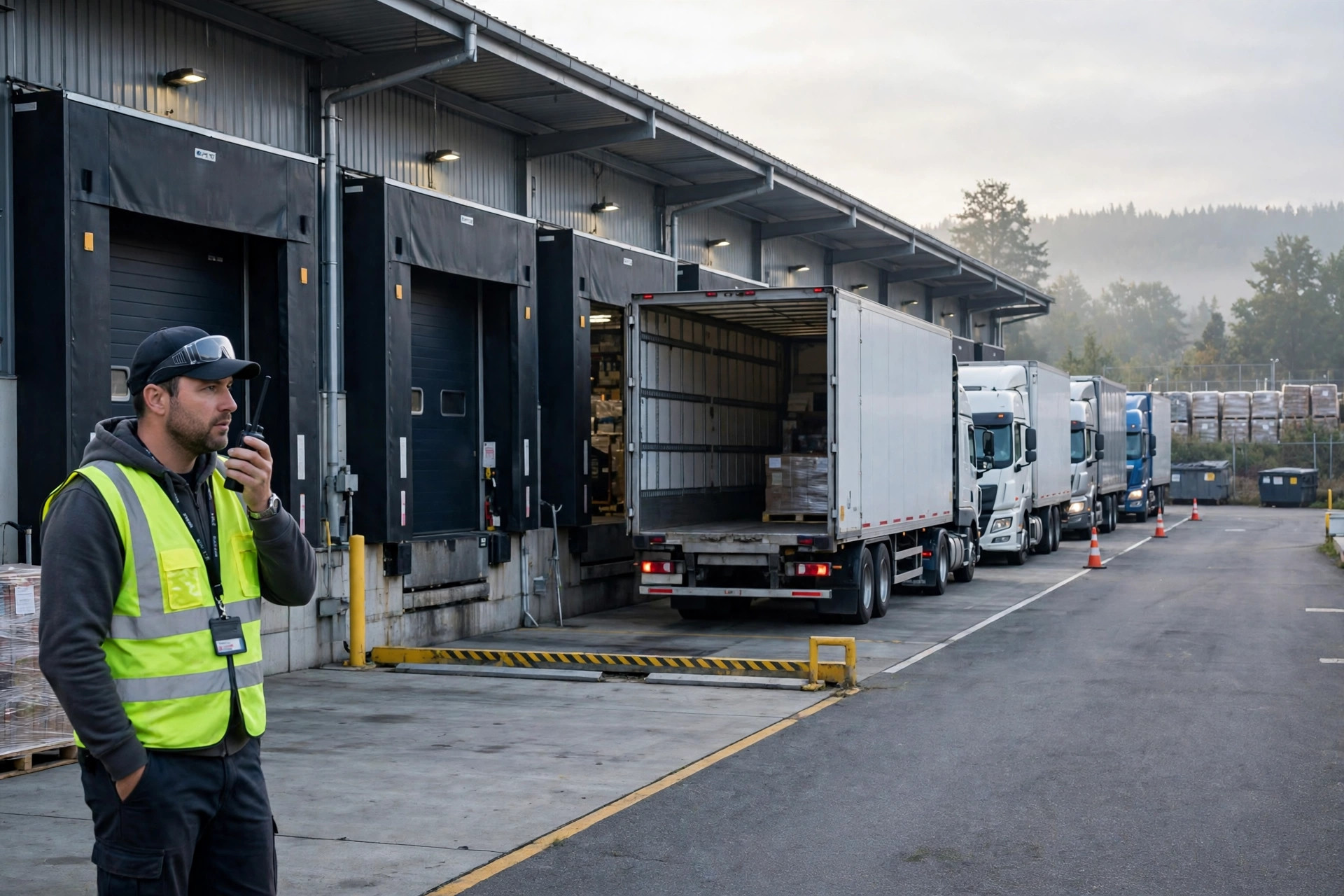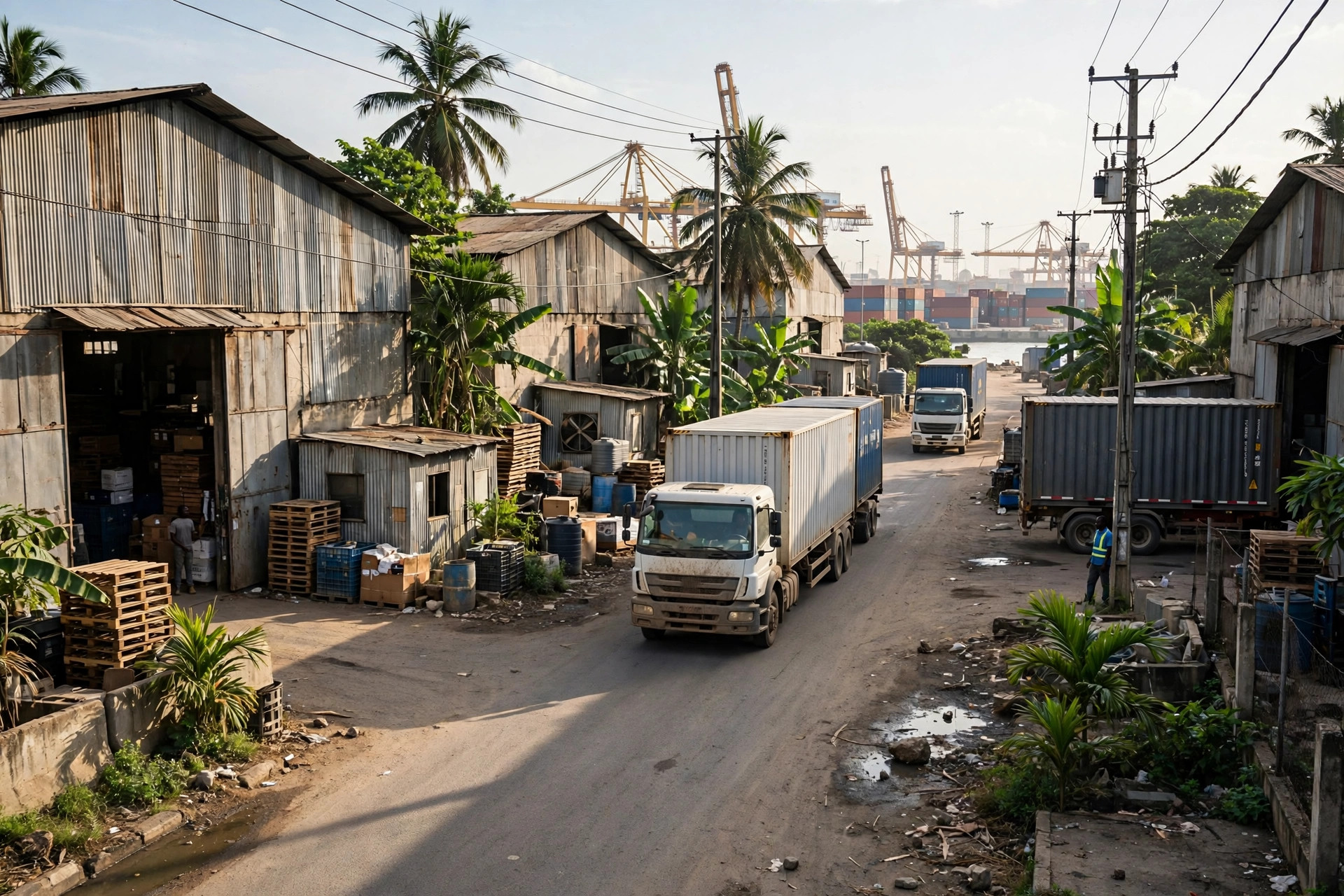
We have a client who came to the Abidjan warehouse market with one fixed idea: the closer to the port, the better. If you work in this market, you have heard that line before, usually from a buyer who has just looked at a map and stopped there. My first question is always the same, and it is not about rent. Is your freight staying in Côte d'Ivoire, or is it heading north? Seven times out of ten, that question pauses the conversation, because the right warehouse location follows the freight, not the coastline.
The client in question distributed everyday consumer goods and entered the Ivorian market in the second half of 2024. Their first instinct was understandable. They leased space near the Port of Abidjan so containers could be unloaded and broken down fast. For three months, the operation looked quick on paper and expensive in practice. Port-area space carried a premium, truck queues built up at peak times, and drivers lost half a day waiting at the gate. Add handling, detention, and idle labor, and the cost per pallet came in above budget. Worse, about half the volume was never meant for Abidjan at all. It was bound for Burkina Faso and Mali, so freight was unloaded at the port, reloaded in the city, and sent north again. The warehouse was doing an extra touch for no reason.
Abidjan Warehouse Market: Look at the Port, Then Look at the Suburbs
We renegotiated the setup and moved the operation to a suburban site beside the northern highway corridor. Containers still arrived through the port, but full trucks now ran straight to the suburban warehouse for deconsolidation and sorting, then loaded out on inland routes. Rent fell a notch. The port-to-warehouse leg added a trip. Yet total cost fell, because loading for inland routes got faster, drivers stopped burning hours at the port gate, and peak-season congestion no longer dictated the day. That is the lesson I keep repeating: in this market, draw the freight map first. What share sells locally, and what share crosses a northern border? Once those two shares are fixed, the location almost chooses itself.
We have another client whose answer points the opposite way. They supply supermarkets in Abidjan itself, with fresh and daily goods that must reach shelves before midday. For them, moving to the suburbs would be a false economy. They kept a location inside the city distribution ring, started wave picking before dawn, and ran the first delivery round before noon. Rent was higher, but stockouts fell, late-delivery penalties disappeared, and the supermarket accounts stayed stable. Same city, opposite logic. That is why I never recommend the "best value" warehouse in the abstract. Without a freight profile, value is just a rent number.
Abidjan Warehouse Market Distribution: Splitting Port, Suburban, and Inland Roles
When a client asks for a real comparison, I start with a simple split rather than a single price. Break the volume into three flows first, then match each flow to a location:
| Freight flow | Best-fit location | Where it costs you | Where it saves you | | Local supermarket and same-day delivery | Inside the city distribution ring | Rent | Last-mile cost and late-delivery losses | | National distribution and inland cross-border | Suburban site near the northern corridor | One extra port-to-warehouse leg | Loading efficiency and inland transport | | Import full containers, slow-moving stock | Near the port or bonded facilities | Storage and detention risk | Deconsolidation and customs handover |
Behind that table sits a cost most buyers underestimate: documentation. Abidjan is a major West African gateway port, and when volumes rise, the pace of customs paperwork sets the pace of the warehouse. We have watched freight sit at the port while documents lagged two days behind it. Reserved slots went empty, truck schedules slipped, and rent kept running while nothing moved. So I push clients to build a clearance deadline into their own roster, not just into a conversation with their 3PL. Saving a fraction on rent means nothing if paperwork delays the freight by two days.
Here is the contrarian view, and some clients dislike hearing it: bigger is not cheaper in West African distribution. Demand swings hard with seasons, holidays, and border-crossing rhythms on inland corridors. A large warehouse signed in a good quarter can sit half-empty for months, still charging full rent, security, and maintenance. The smarter structure is a core warehouse sized for normal volume, topped up with short-term flexible space or a shared 3PL facility in peak season, then scaled back when demand cools. Negotiating that flexibility into the contract matters more than negotiating a large footprint at a low headline rate.
That brings us to the part only the sell side usually sees: the quotation. First, if a quote lists only a "warehousing fee," ask what handling, labelling, system access, and minimum charges sit outside it. Most billing surprises hide in those small lines. Second, ask what triggers a peak-season surcharge: volume, calendar days, or a supplier decision with no threshold at all. Third, write down where responsibility for the inland leg changes hands. With long cross-border routes and variable border conditions, an unclear handover turns every damaged or delayed shipment into a dispute, and dispute time costs more than freight.
One more cost never appears on a quotation, and you only learn it after running a full season: the rhythm of stocking. Demand in West African distribution swings harder than many buyers expect. Holidays, rainy-season road conditions, and border-crossing pace on inland routes can move outbound volume sharply within a week or two. One client stocked to the average week and ran out of two best-selling lines just before a peak. Emergency replenishment from a neighbouring country cost double the normal freight and lost a supermarket promotion slot. They now set safety stock to the peak week, not the average week. The warehouse looks fuller, but stockouts are gone, and the total bill is lower. Averages mislead. Peak weeks decide.
Choosing local partners deserves the same discipline. Customs broker, trucking fleet, and warehouse provider should not be picked on the lowest quote alone. We have seen a client save a little on brokerage and lose far more to repeated document rework, with freight sitting at the port for extra days and detention charges wiping out the saving. The reliable approach is a one-month trial at small volume, scored on first-pass document approval, fleet punctuality, and how fast the warehouse reports exceptions. If all three pass, sign long-term. In partnerships, slow is fast. One trial month saves a year of disputes.
Abidjan is a strong gateway, with the port, the population, and the regional position to justify real investment. But a strong gateway does not make every warehouse profitable. Let the freight decide the location, settle flexibility, hidden charges, and liability before arguing over the rent rate, and the numbers will finally add up.
Next time you negotiate a contract, ask these three questions: What exactly is included in the fees? How does peak pricing get triggered? Where does responsibility end on the inland leg? Until those three answers are clear, the number on the quotation is not a real number.
By Susan, 3PL Sales Director