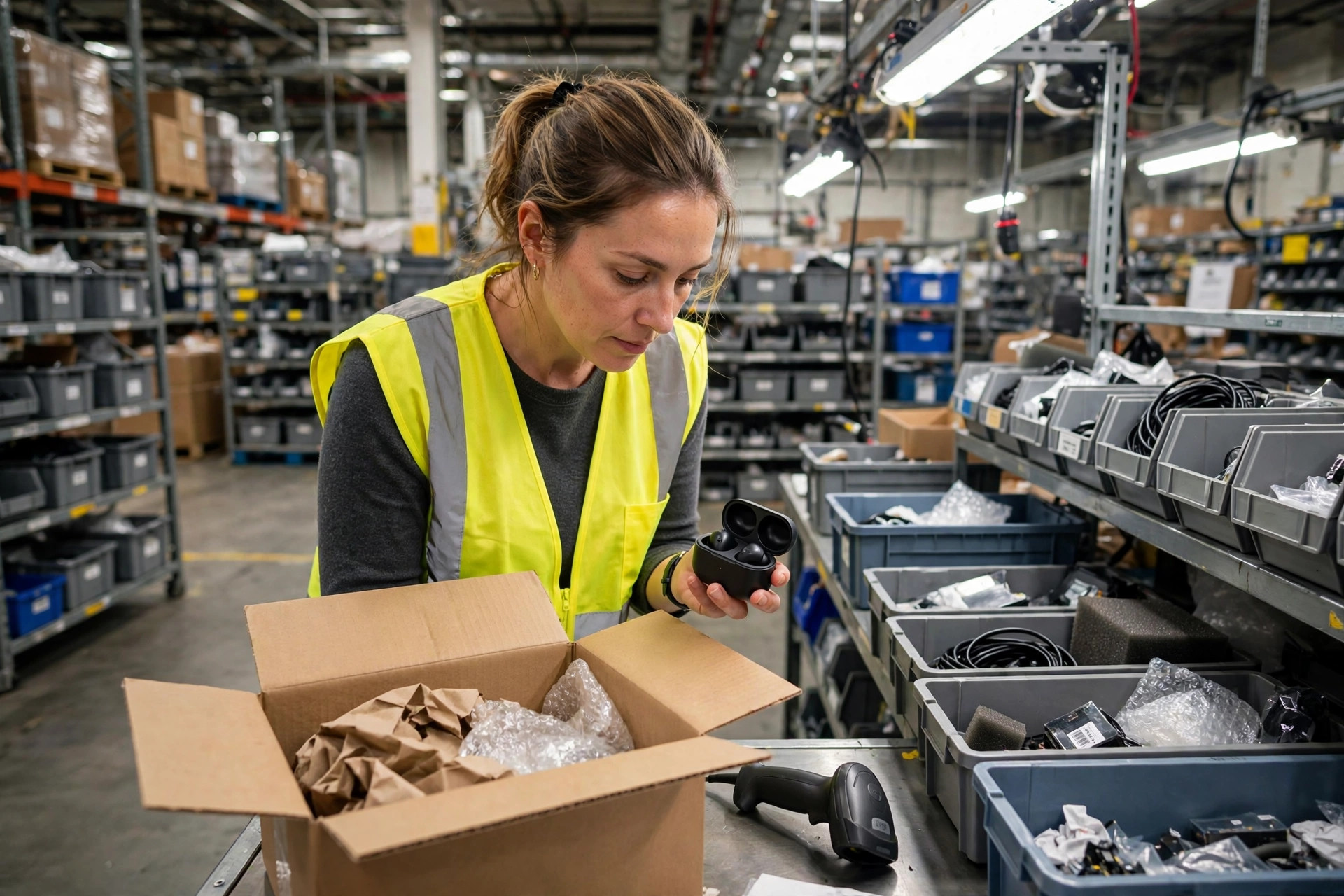
What costs more than receiving a product in the first place? Receiving it back.
A friend who runs an apparel brand out of the Inland Empire showed me his 3PL's monthly invoice last fall. Peak-season return rates had climbed to two or three out of every ten orders — he'd braced for that. What made him call me was the "returns processing" line: one month of it cost more than inbound receiving. "It's just sending stuff back," he said. "How expensive can it be?"
Expensive. From the moment the box is opened, every step is a line item. And here's my verdict after twenty years on the warehouse side of these deals: returns processing is the softest number on a 3PL quote. Not because 3PLs are dishonest — because the work has so many stages, and every stage is a place where money can hide. If you don't break it apart, even a low price is a guess.
Four toll booths between the dock door and resalable stock
A return comes off the truck and, before it becomes sellable inventory again — or garbage — it passes through roughly four hands. Each hand is a fee.
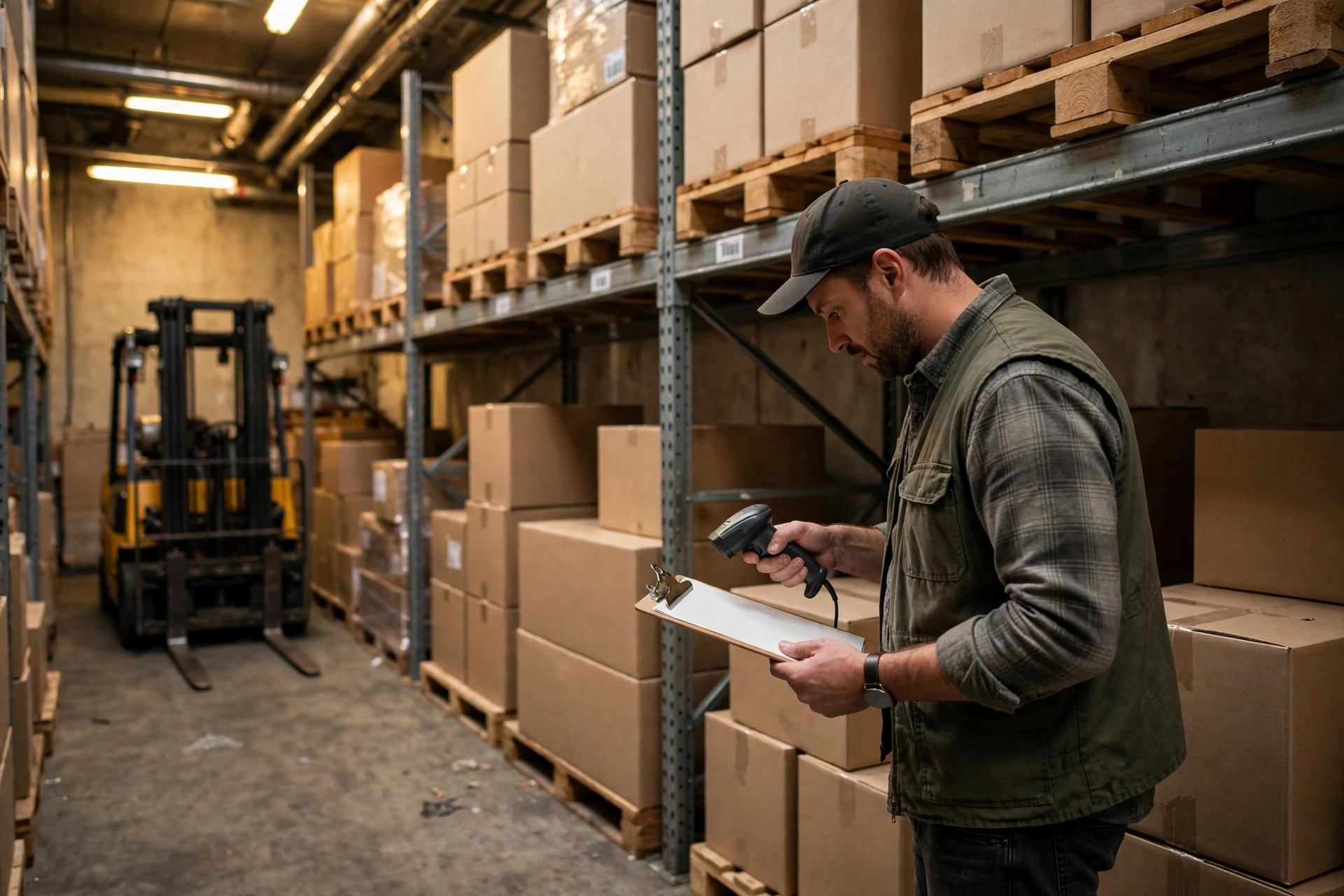
Toll booth one: inspection and grading. Open the box, check appearance and function, photograph everything, grade it A, B, or C. A goes straight back to stock, B needs work, C gets liquidated or destroyed. This stage demands the most care from the 3PL and it's the easiest to fudge — without a written grading standard, an A-grade unit can quietly become a B and earn an extra refurbishment fee.
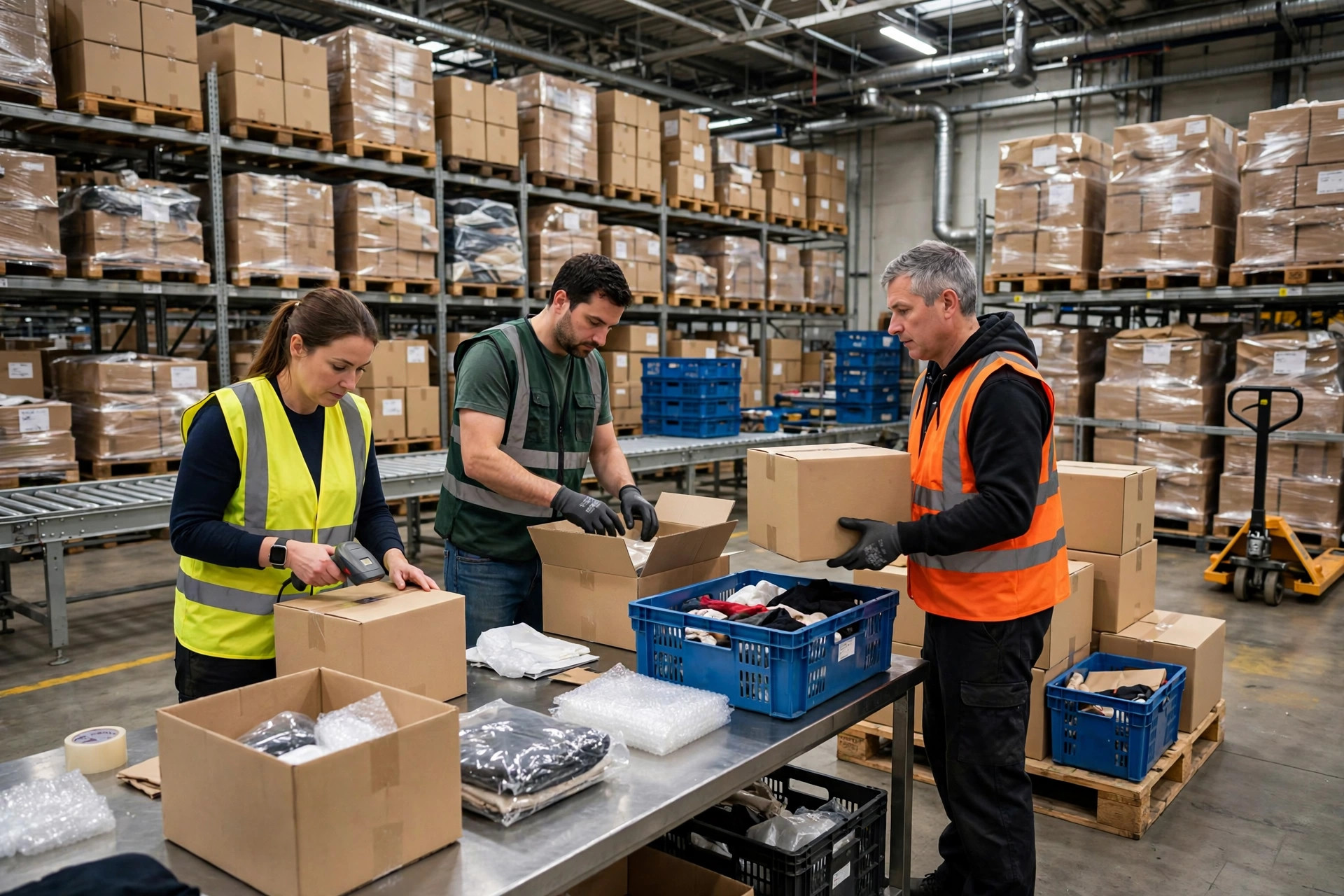
Toll booth two: refurbishment. New packaging, cleaning, minor repair, retesting. For apparel that means depilling, steaming, refolding, rebagging; for electronics it might mean a factory reset or a replaced accessory. The word "refurbishment" stretches a long way — the same item done roughly versus done properly can cost several times more, yet the quote usually just says "refurb fee per unit" with no definition of what "done" means.
Toll booth three: relabeling and repacking. New barcode labels, hang tags, resealed cartons. Don't underestimate this one — a wrong label or a label in the wrong spot ships to the customer and comes straight back as another return. Some 3PLs subcontract this step, which means you can't control the quality but you still pay for the mistakes.
Toll booth four: disposition. What can't be sold or fixed goes to a clearance channel, donation, or destruction. Destruction sounds simple until you see the math: some categories require compliant destruction channels that aren't cheap, and more commonly, the 3PL charges you a "destruction handling fee" for goods whose final fate you'll never verify.
Where the money hides in the quote
A flat "returns processing fee per unit," no grading. An A-grade unit that goes straight back to stock and a C-grade unit that needs teardown and testing do not cost the same to process — so guess which cost the flat rate is built on. A single blended price looks simple. In practice, you're subsidizing the hardest returns in the pile.
Photo documentation billed separately. Photographing the inspection is part of the job; some quotes split it out as an "image archiving fee." Skip it and you have no evidence when a damage dispute lands; pay it and you've paid twice for something that should have been included.
Destruction priced at whatever the market will bear. This is the least transparent line because clients know the least about it and almost never verify it. My advice: keep destruction in your own hands, or at minimum get a second quote before you sign anything.
Monthly minimums. Return volumes swing violently between peak and off-season — apparel can multiply several-fold. Sign a monthly minimum and you're paying for returns that never happened in the slow months. Push the minimum down in negotiation, or settle on quarterly volume instead of locking it monthly.
No put-away SLA. The biggest hidden cost of returns processing isn't the processing fee — it's inventory sitting in the returns area that never makes it back to sellable stock. On the books it's inventory; in reality it's dead money. If the contract doesn't say "inspected and returned to stock within X hours," the lowest processing fee in the world is fiction.
The part most brands get backwards
Here's the trade-off nobody tells you: brands negotiate the per-unit fee down and ignore everything around it, then lose ten times the savings to idle inventory. A cheap processing fee with no SLA, no grading standard, and no photo evidence is not a deal — it's a liability with a discount sticker on it.
So negotiate in this order. First, demand the paperwork before the price: the 3PL's returns SOP and grading definitions — what makes an A versus a B versus a C, what operation each grade triggers, what the photo record includes. Without that document, any price is provisional, because "this one was complicated" can raise it at any time.
Second, graded pricing, no blended rate. A, B, and C each get their own price; C-grade units headed straight for destruction don't incur inspection and refurbishment fees. Put the grading standard in a contract exhibit and have both sides sign it.
Third, photo documentation is non-negotiable and included in the inspection fee. Those photos are your only evidence in a dispute. Don't skip them — and don't pay for them twice.
Fourth, disposition stays contestable. Let the 3PL quote destruction, but reserve your right to name your own destruction channel or require a certificate of destruction. If goods disappear, there should be a paper trail.
And put the clock in the contract: inspection-to-stock turnaround time, peak-season labor commitments, a monthly reconciliation process. The fee is negotiable; turnaround and transparency are not. Lose those two and whatever you saved on the fee comes back multiplied in stranded inventory.
Next time a 3PL quote lands on your desk, flip to the returns page first and ask one question: "Can you send me your returns grading standard and processing SOP?" If they can't produce that document, you can safely ignore every number on the page.