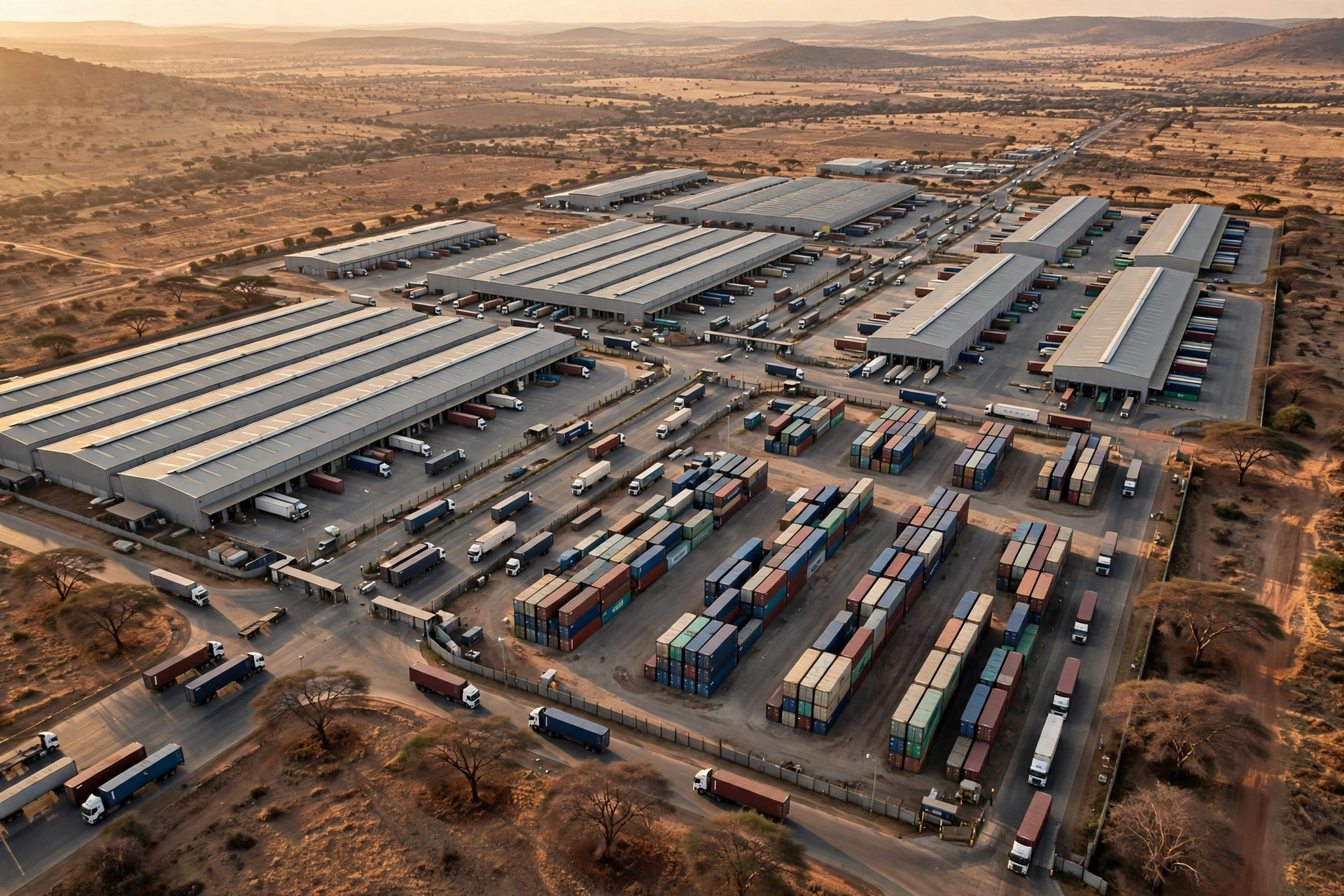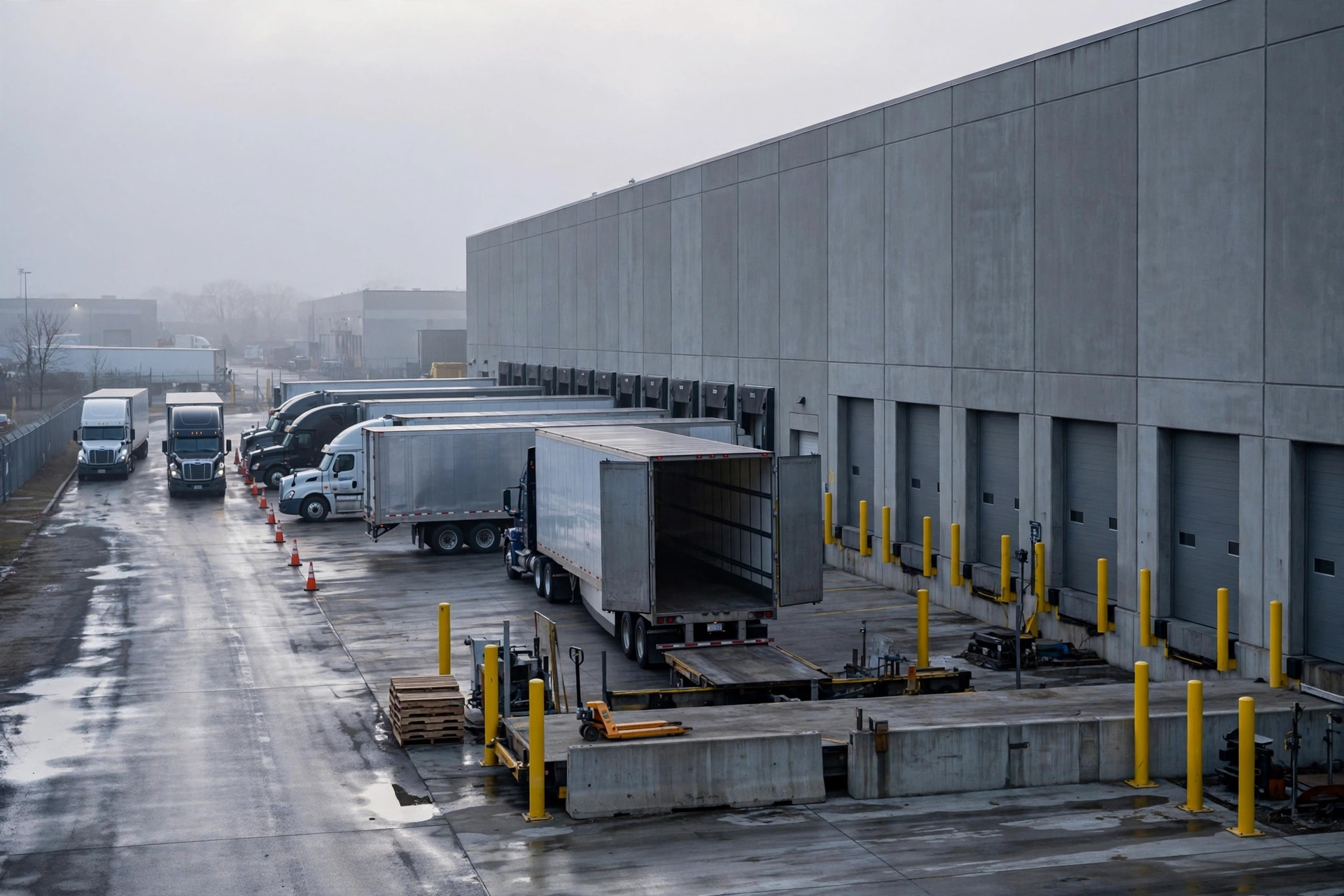
Let me tell you something about 3PL receiving time: after fifteen years of staring at warehouse dock doors from the driver's seat, I know this process better than plenty of folks who sit in offices. Back in August, during peak-season restocking, I had a 6 AM appointment at a 3PL warehouse out in Ontario. I rolled in at 5:40, and there were already seven or eight trucks ahead of me. I didn't get a dock until close to noon. Sitting in my cab scrolling my phone, I saw a seller in one of my group chats venting: his freight had been at the US warehouse for two weeks, and his dashboard still said "pending receiving." He asked me where the heck his goods were stuck. I told him, buddy, you asked the right guy.
A lot of sellers carry around one big misunderstanding: freight arriving at the warehouse means freight ready to sell. The truth is, freight reaching the gate is just the starting line of a long race. The industry's common service standard is one to three business days from arrival to sellable — that's dock-to-stock time. But floor-loaded containers and freight with no pallets and no labels? Much slower. Everybody in this business knows it.
Where 3PL Receiving Time Really Goes: Five Stages, Step by Step
From the truck backing into the dock to your goods going live on the shelf, there are five gates, and every one of them eats time.
First, the appointment. 3PL warehouses all run on scheduled delivery windows. If your slot is Tuesday morning and the truck shows up Monday night, it waits outside. Miss your window? You rebook, and the next opening might be two days out. The most common fight I've seen in fifteen years comes down to this: the shipper thinks the freight arrived, the warehouse says you had no appointment, and the driver sits in the middle with nothing to do about it.
Second, the queue at the gate. During peak season, two or three hours of waiting outside a warehouse is nothing unusual. Here's how the industry rule works: the first 2 hours after a driver arrives are free. After that, detention pay kicks in — typically $30 to $75 per hour, depending on what's in the carrier contract. Think about what that rule really says: the warehouse gets two hours of your driver's time for nothing, "as is proper." Fuel burned, hours gone, and nobody to complain to.
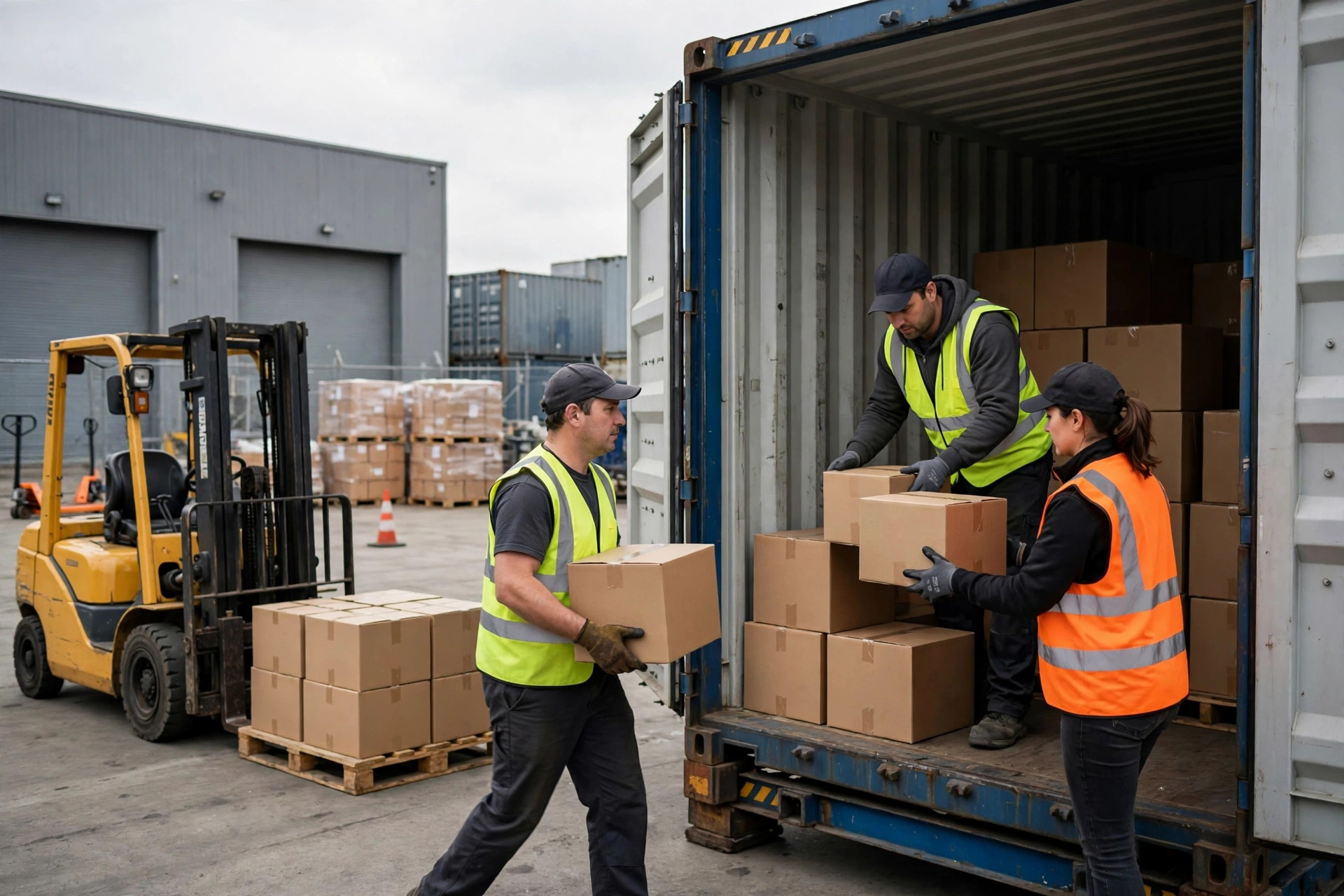
Third, unloading. Freight that's palletized and properly labeled comes off fast with a forklift. A floor-loaded container — freight stuffed piece by piece into the whole box, no pallets — has to be hand-unloaded and re-palletized, which is slow and damages goods. I once hauled a load of apparel in a floor-loaded box, and the warehouse spent the entire afternoon unloading it while I stood by the dock, helpless.
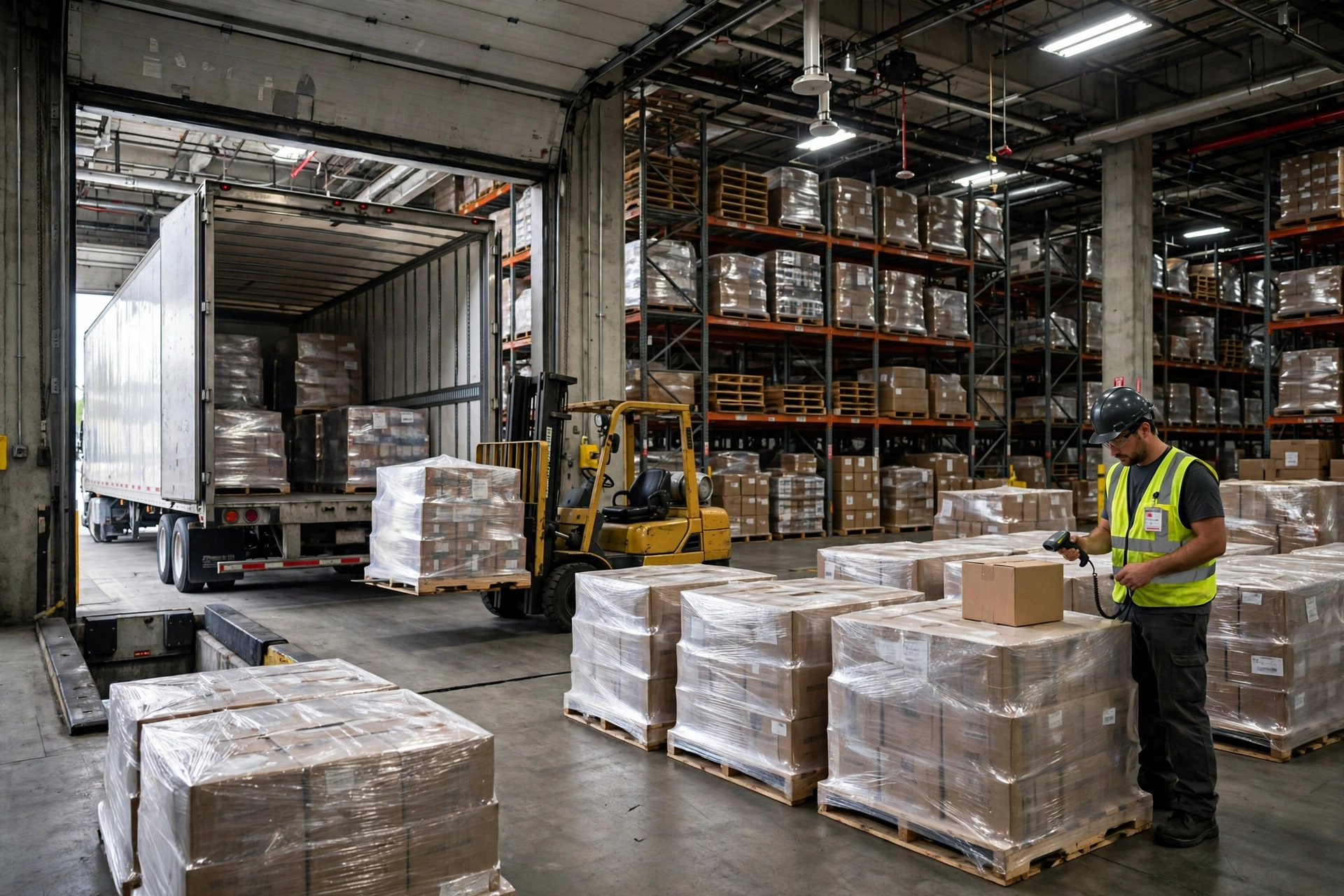
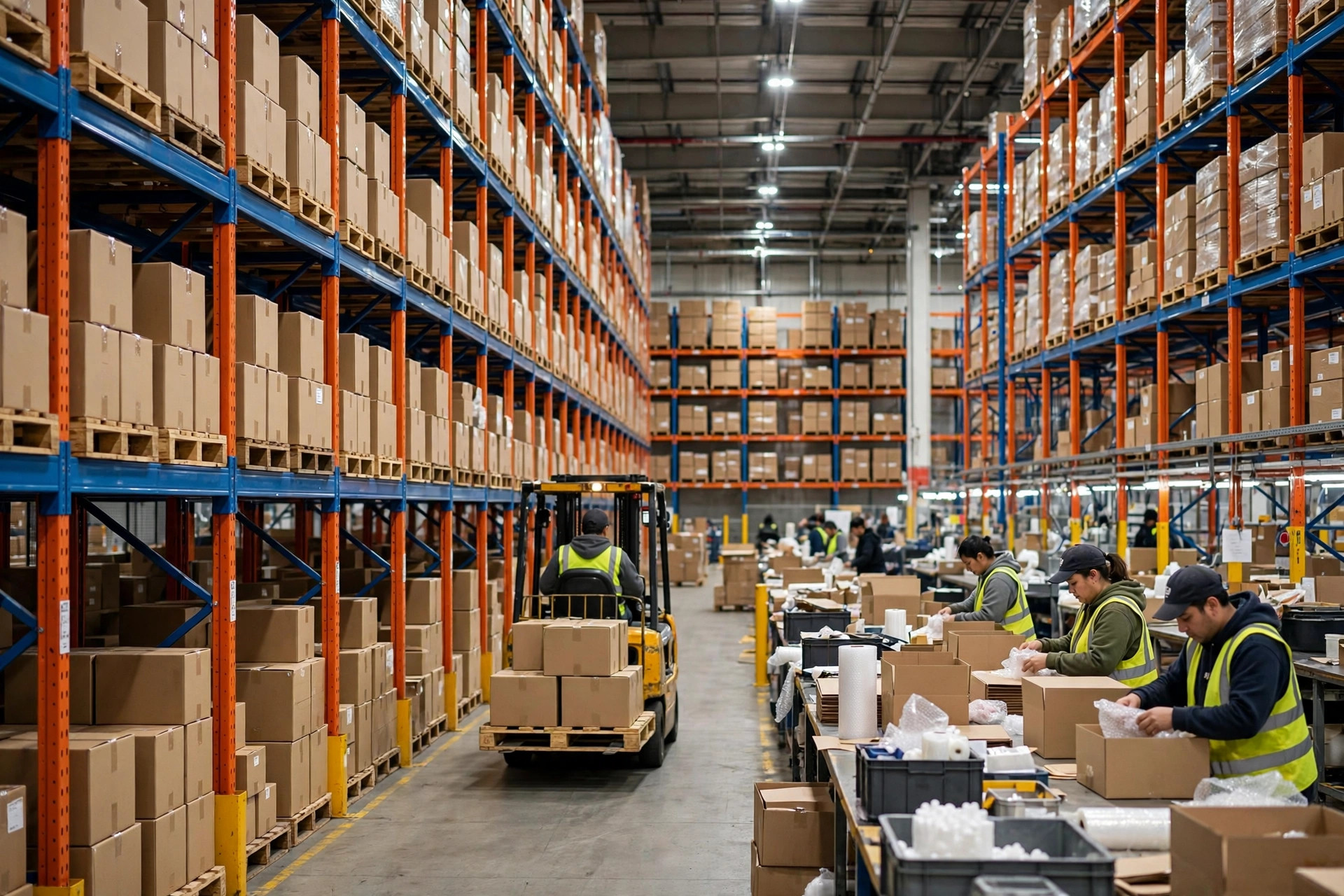
Fourth, counting and matching — and this is where freight most often gets stuck. The warehouse checks every piece against your ASN (advance shipping notice): quantities, labels, SKUs. One mismatch and they photograph it, email the shipper, and wait for confirmation. I watched it happen with a seller's 40-foot container once: two pallets had the wrong labels, the warehouse emailed, the seller took a day to reply, and just like that, three days were gone. I delivered to that same warehouse twice more in the following weeks, and that freight was still sitting in the staging area, untouched. The seller was chasing it from overseas every day, the warehouse said it was waiting on confirmation, and even I felt bad driving past it.
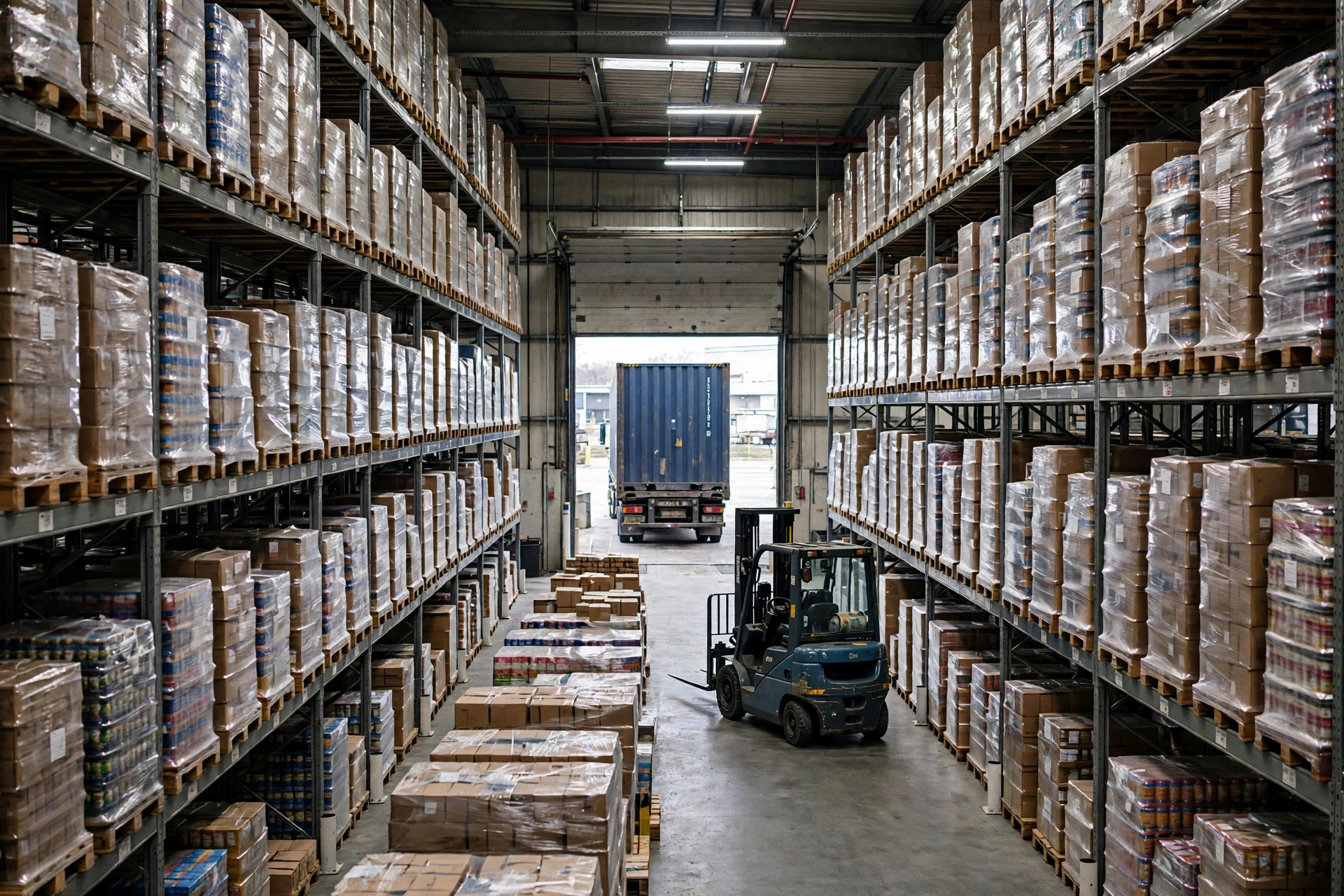
Fifth, putaway. Even after the count checks out, the freight waits for a free forklift and an open slot. When a warehouse is bursting at the seams in peak season, the staging area piles up and everything queues for putaway. Until it's on the shelf, the system still says "pending receiving," and your listing stays out of stock. Plenty of sellers see "delivered" on the tracking page and relax. I'm telling you, delivered just means it came off the truck — sellable is still several steps away.
Palletized vs. Floor-Loaded: How Big Is the Receiving Time Gap?
Here's the comparison, based on what I've seen over the years:
| Palletized, labeled container | Floor-loaded loose container | |
|---|---|---|
| Unloading | Forklift work, fast | Hand-unloaded, much slower |
| Counting | Scan pallet labels, quick | Piece-by-piece count, error-prone |
| Receiving time | 1–3 business days to sellable when smooth | Double that or worse, plus any hold on mismatches |
Now let me do the math for you. In peak season, a driver waits an extra 4 hours at $30 to $75 an hour in detention — that's a few hundred dollars per trip. And that cost lands on the shipper in the end; it always does. Some shippers skip palletizing to save a little money, then pay it all back in detention and extra labor when receiving drags. Run those numbers yourself and see if it pencils out.
The Counterintuitive Part: Drivers Don't Fear Small Warehouses — We Fear Messy Ones
Fifteen years on the road, and here's my honest take: in driver circles, warehouses absolutely have reputations, but the ranking has nothing to do with size or shiny equipment. It's all about process. A small warehouse with on-time appointments, quick unloading, and paperwork that clears the first time — drivers love going there. A big, impressive-looking facility with a chaotic appointment system where nobody knows you're coming? You can sit there all afternoon. Receiving speed is seventy percent process, thirty percent scale.
Shippers have their own blind spot: they pick a 3PL by comparing storage rates and pick-pack fees, and never ask about receiving time. Then they go out of stock for a week in peak season, and the lost sales would have covered a year of the rate difference. A cheap warehouse saves you on rent and costs you in time. Sit with that one for a minute.
Want Faster 3PL Receiving Time? Four Things Shippers Can Do Before the Truck Rolls
Straight from the driver's seat, no fluff:
First, get your ASN right before the freight ships. Quantities, SKUs, labels — every single one. Matching is where the most time dies; an accurate ASN cuts receiving time in half.
Second, palletize when you can, and label to the warehouse's receiving spec. A floor-loaded container looks like it saves palletizing money, but the detention and labor from slow receiving all come back to your invoice.
Third, hit your appointment window — not late, not hours early. Late gets you fined; early gets you waiting for free. A driver's time is money too.
Fourth, stock up before peak season. Every August and September, ahead of the holidays, the line at the warehouse gate is a fact of life. If your freight arrives a week late, it might sit another week before it goes sellable.
Freight at the gate isn't freight received. Freight on the shelf is freight received. Remember that line, and you'll know exactly what you're looking at when you pick a warehouse, ship a container, or chase a delayed load.
By Shifu Zhao, Trucking Veteran (15 yrs)