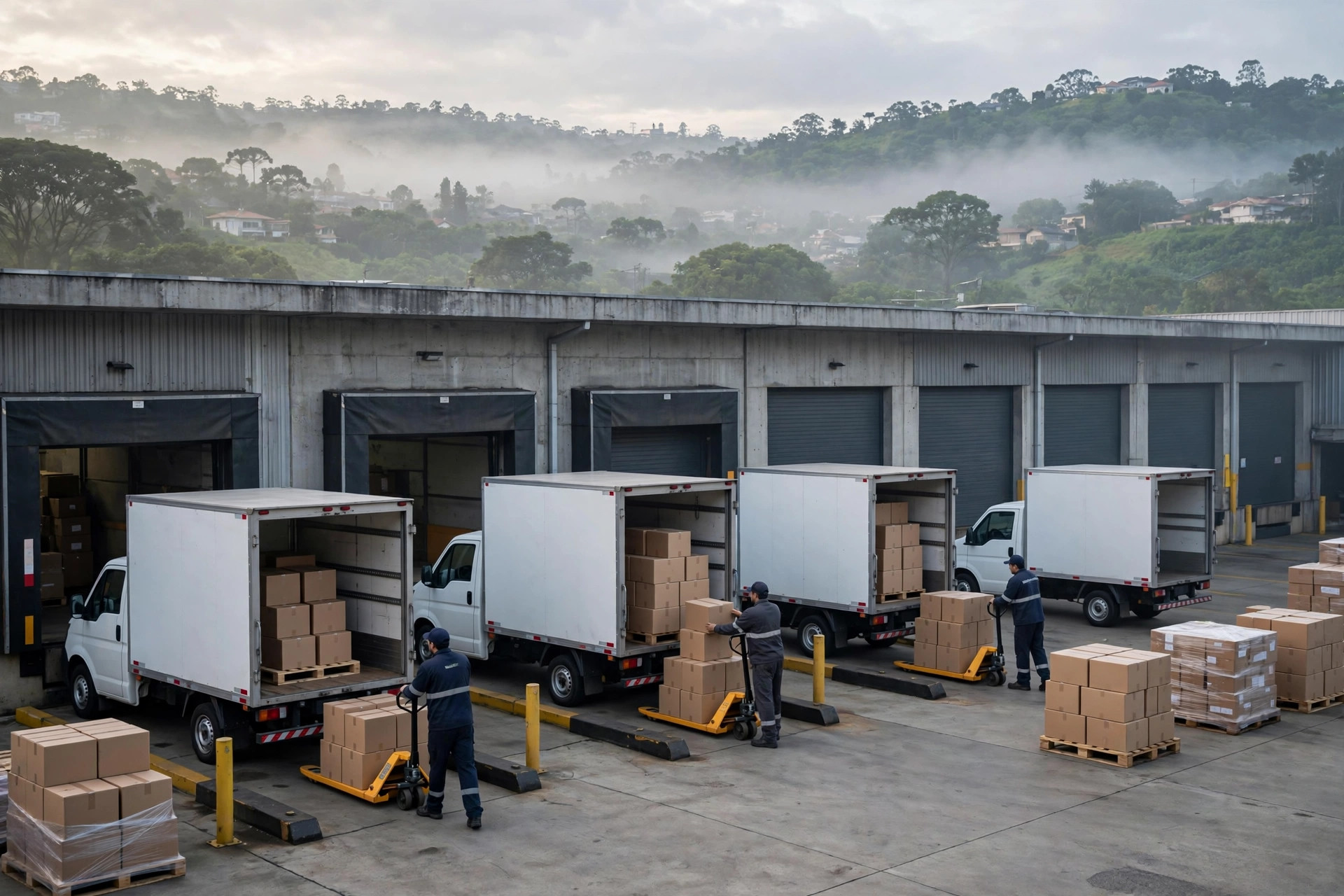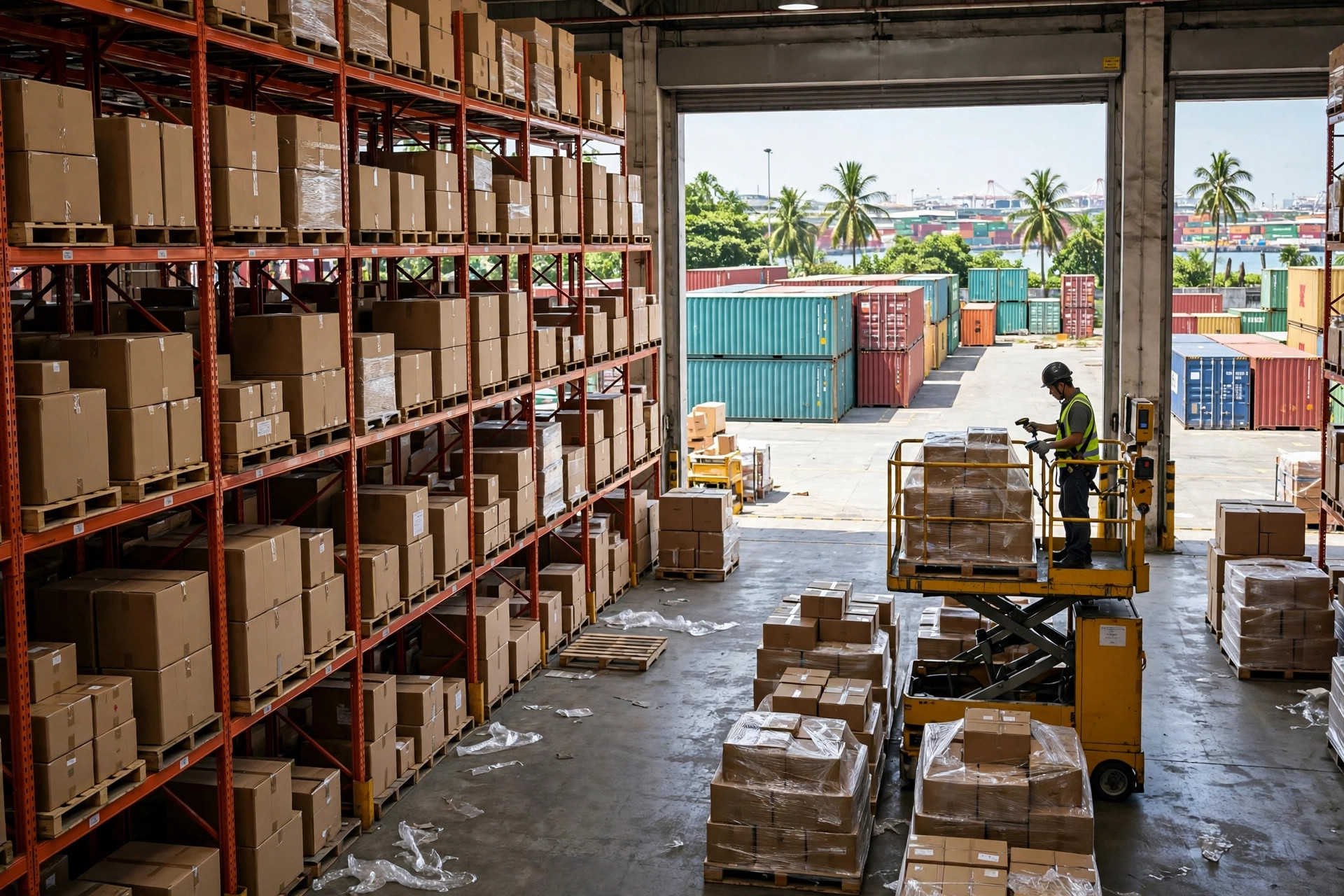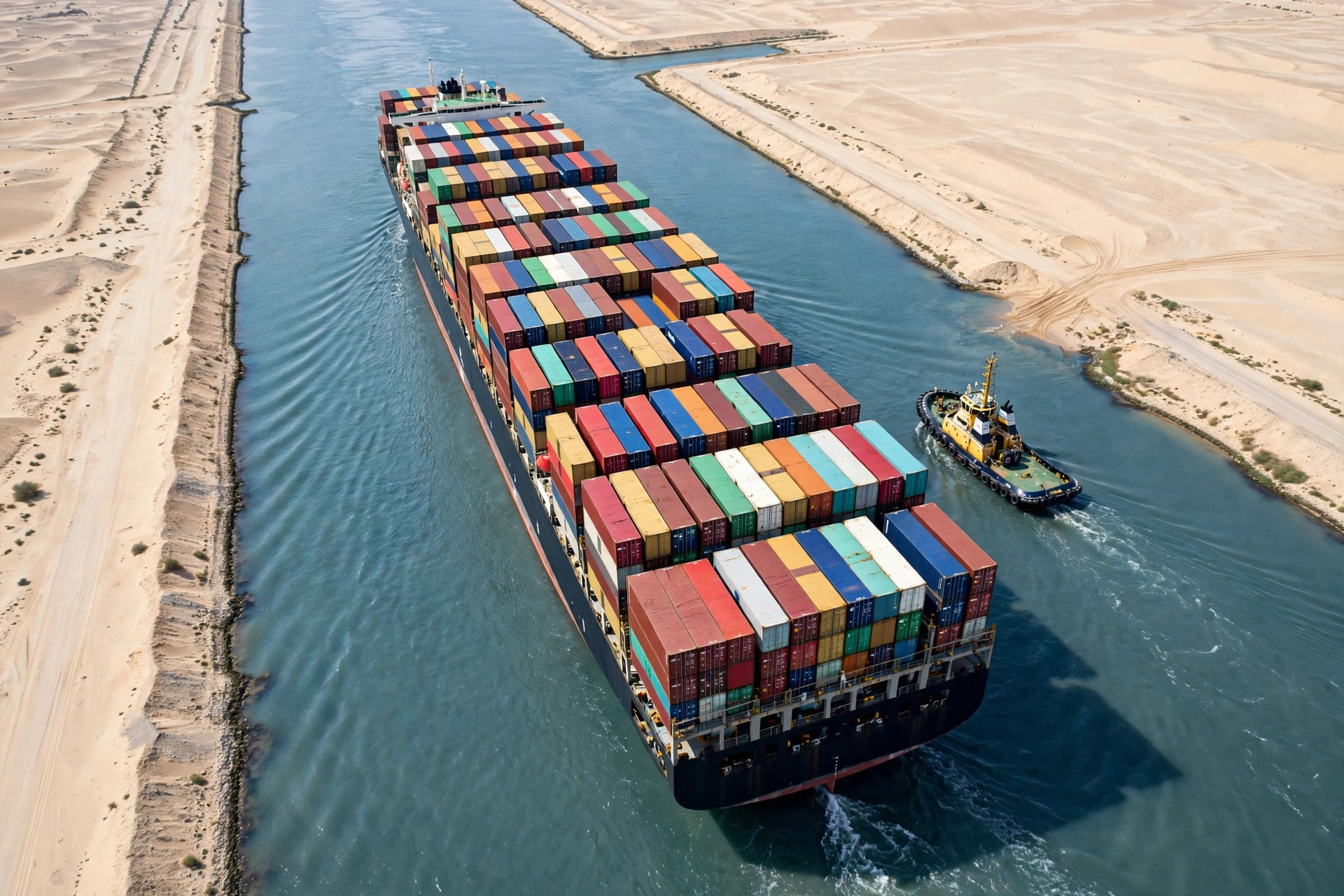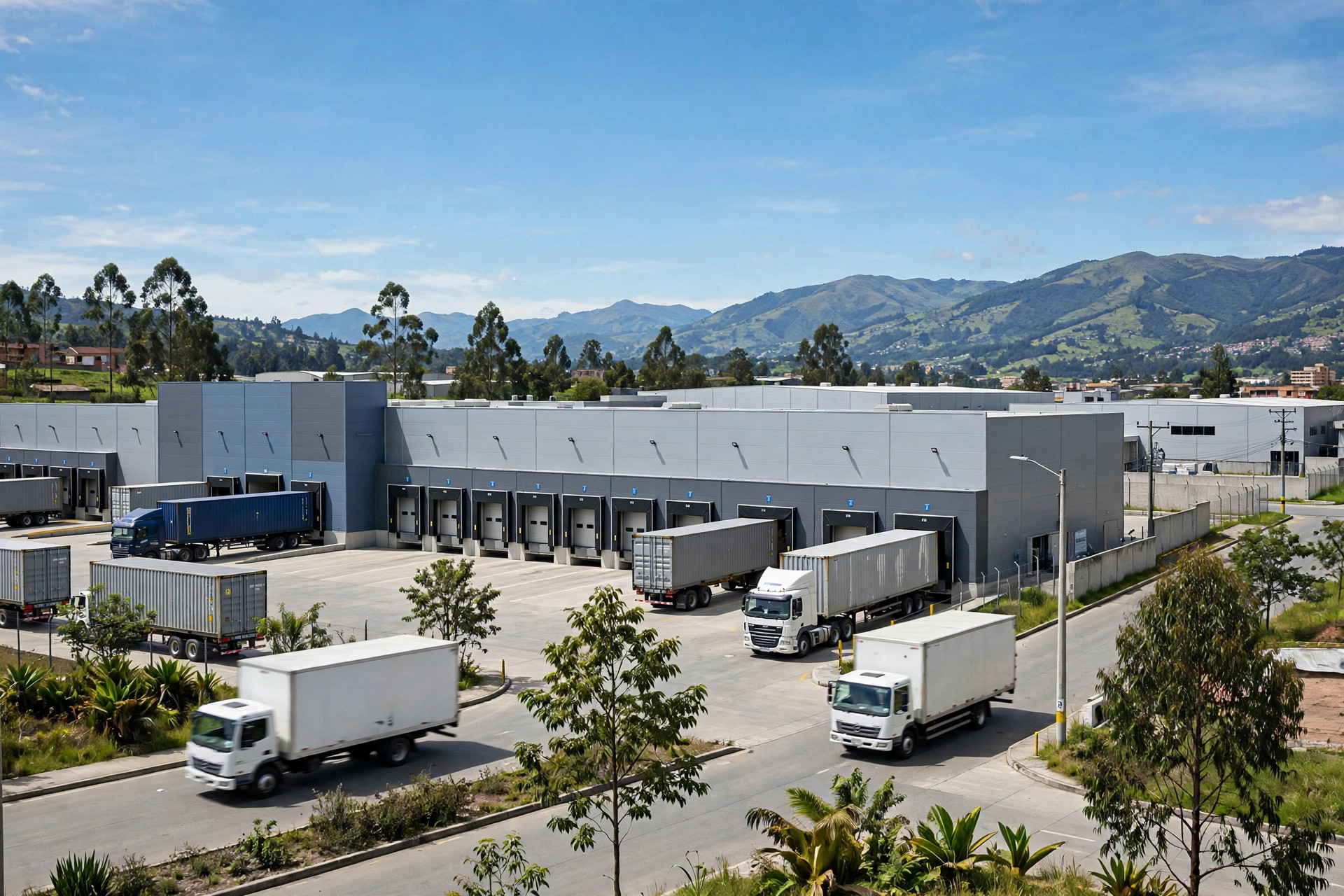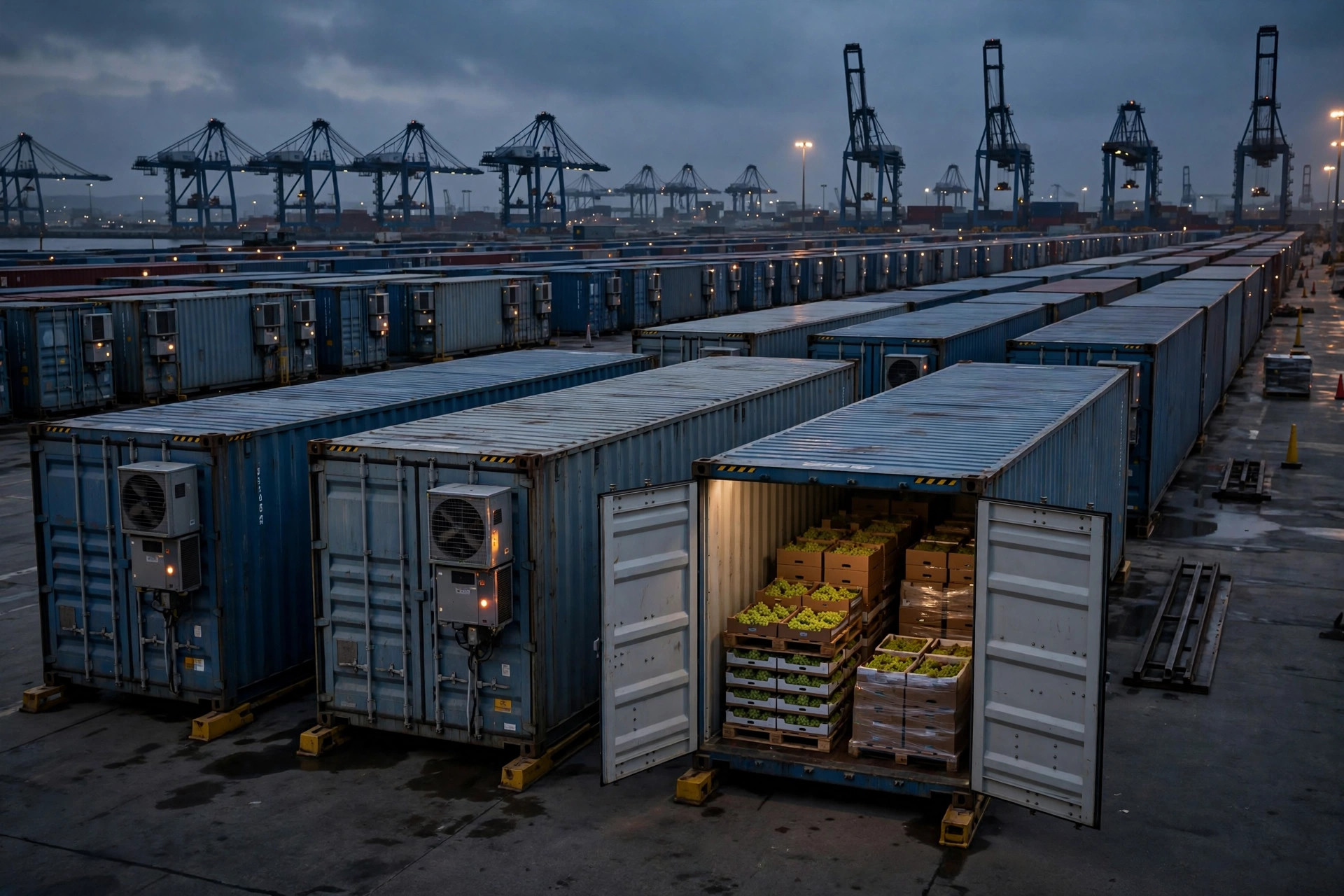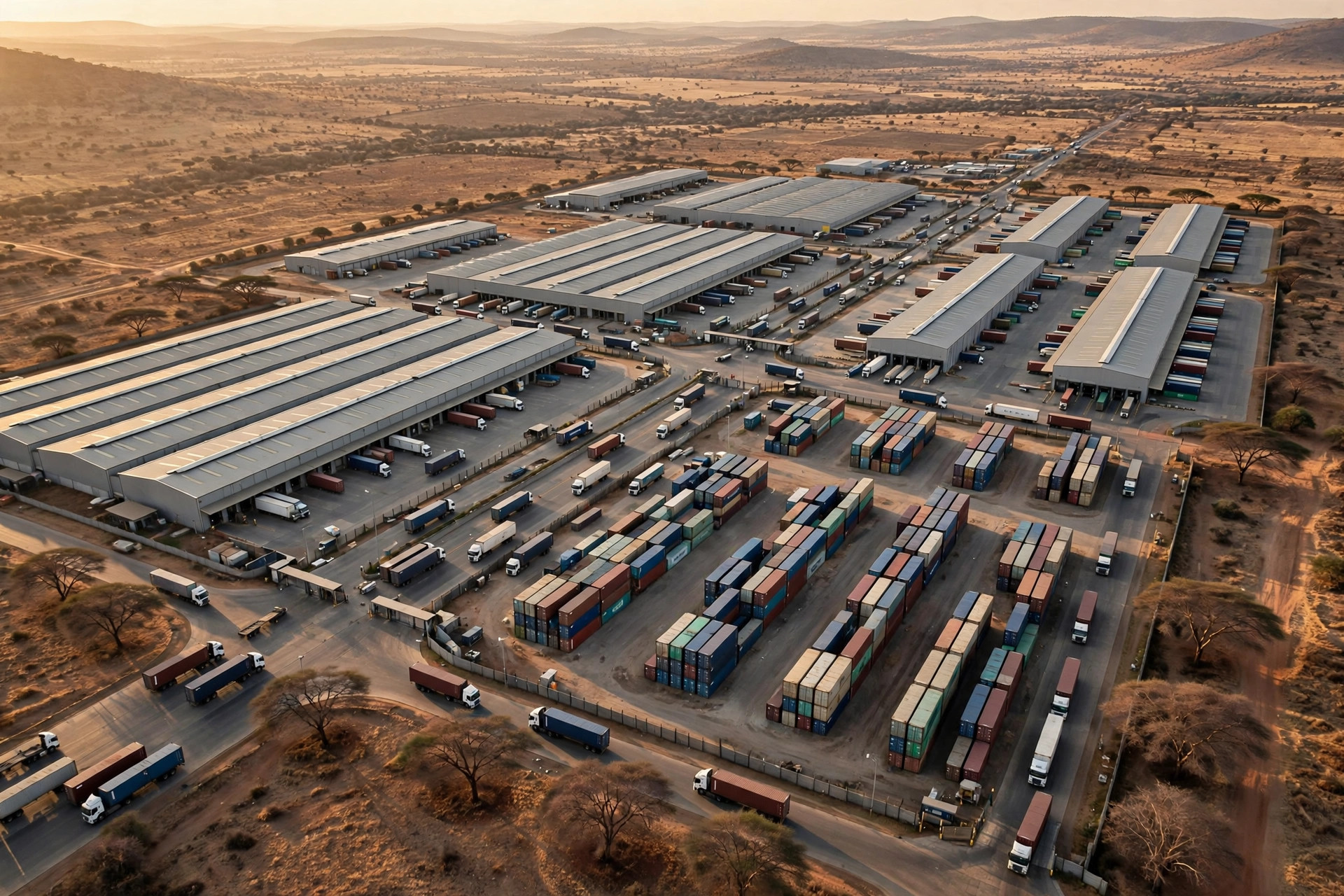
On September 21, 2026, Afreximbank and the Africa Trading and Distribution Company (ATDC) signed a US$500 million Global Credit Facility in Cairo, earmarked for the aggregation, transport, warehousing, and distribution of African goods. Kanayo Awani, Afreximbank's Executive Vice President for Intra-African Trade and Export Development, called it the "trade, logistics and distribution architecture required to realise the full potential of the African Continental Free Trade Area" (reported by businesstimes.ng, September 22, 2026). Five years after trading under AfCFTA began on January 1, 2021, capital is finally moving from signing agreements to building distribution networks. The question this article takes up is a concrete one of afcfta warehouse regional distribution strategy: where, exactly, should a regional distribution warehouse sit — Johannesburg, Lagos, Nairobi, or Accra?
The phenomenon: five years in, money starts entering the system
The official AfCFTA figures are straightforward: 54 of the African Union's 55 member states have signed the agreement, covering roughly 1.3 to 1.4 billion people and a combined GDP of about US$3.4 trillion — the world's largest free trade area by number of participating countries. For five years, discussion has centered on tariff schedules and rules-of-origin negotiations, while heavy-asset topics like warehousing stayed on the shelf. The 2026 signals changed the picture. Afreximbank's latest trade report puts intra-African trade at US$213.8 billion in 2025, up 5.47 percent from US$202.7 billion in 2024, with Ethiopia, Uganda, the DRC, and Zambia driving the recovery. ATDC — the pan-African trading and distribution platform Afreximbank established with the AfCFTA Secretariat — launched at the Intra-African Trade Fair in Algiers in September 2025 with a US$1 billion funding commitment and now operates in Egypt, Nigeria, Malawi, and Zimbabwe. The direction of the money supports a trend judgment: the next five years of AfCFTA will be fought over warehouses and corridors, not negotiating tables.
The data: intra-African freight demand up around 28 percent by 2030
UNECA's study Implications of the African Continental Free Trade Area for demand for transport infrastructure and services produced the key estimate: with AfCFTA implemented and planned infrastructure realized, intra-African freight demand by 2030 would sit around 28 percent above a no-AfCFTA baseline. Three supporting figures deserve separate attention.
First, the modal split. In 2019, intra-African freight was 76.7 percent road and nearly zero rail (0.3 percent). By 2030, under the full scenario, rail reaches 6.8 percent, road falls to 69.7 percent, maritime's share rises, and air cargo nearly doubles — from 2.3 to 4.5 million tonnes.
Second, the equipment gap: 1,844,000 bulk trucks and 248,000 container trucks needed by 2030.
Third, the geography. The largest block of truck demand comes from trade within West Africa — 39 percent — followed by West-to-Southern Africa (19.8 percent) and Southern-to-West Africa (9.9 percent). The World Bank adds a longer estimate: US$450 billion in additional African income by 2035. The shared conclusion: African logistics will not lack cargo; it will lack the nodes to consolidate and dispatch it.
A four-city scorecard: the afcfta warehouse regional distribution strategy decision framework
In advisory work I score candidate locations on five dimensions: port access, customs efficiency and predictability, inland reach, warehouse supply, and political risk. Johannesburg, Lagos, Nairobi, and Accra are the four unavoidable candidates — each the gateway of one sub-region (● strong / ◐ moderate / ○ weak):
| Dimension | Johannesburg | Lagos | Nairobi | Accra |
|---|---|---|---|---|
| Port | ◐ (via Durban, ~600 km by road) | ● (Lekki Deep Sea Port, 16.5 m draft) | ◐ (via Mombasa, Naivasha inland depot) | ◐ (Tema, among West Africa's largest public container terminals) |
| Customs | ● (City Deep inland terminal, mature facilities) | ○ (customs efficiency is the weak link) | ◐ (Kenya's customs digitalization leads East Africa) | ● (e-clearance plus the AfCFTA Secretariat dividend) |
| Inland reach | ● (multiple Southern African markets, the continent's most mature road network) | ◐ (strong in western West Africa; land friction rises eastward/northward) | ● (Uganda, Rwanda, eastern DRC; the EAC customs union) | ○ (Ghana's small domestic hinterland) |
| Warehouse supply | ● (Africa's largest logistics and warehousing cluster) | ◐ (Lekki Free Zone growing fast; national Grade A still tight) | ◐ (Nairobi logistics real estate developing rapidly) | ○ (limited Grade A supply) |
| Political risk | ◐ (power and security issues) | ◐ (policy volatility) | ◐ (election-cycle volatility) | ● (political stability) |
Two scenarios behind this framework deserve detail.
Scenario one: Johannesburg's bonded warehouse bets on Southern African integration (2025, documented). Portuguese logistics firm Rangel invested €6 million in a 10,000-square-meter bonded warehouse near OR Tambo International Airport, explicitly to anchor its cross-border network across the Southern African Development Community (SADC) (reported by logupdateafrica). Knight Frank's H1 2026 Africa Industrial Market Dashboard confirms Johannesburg remains the continent's primary logistics and distribution hub, with sustained demand for large-format modern facilities along the East Rand and Central Witwatersrand corridors. The logic chain is complete: Southern Africa is one of the densest freight regions under AfCFTA, and Johannesburg is its only node combining a mature warehousing cluster, an inland container terminal, and an international airport. The bonded warehouse is, in effect, a wager on regional integration itself.
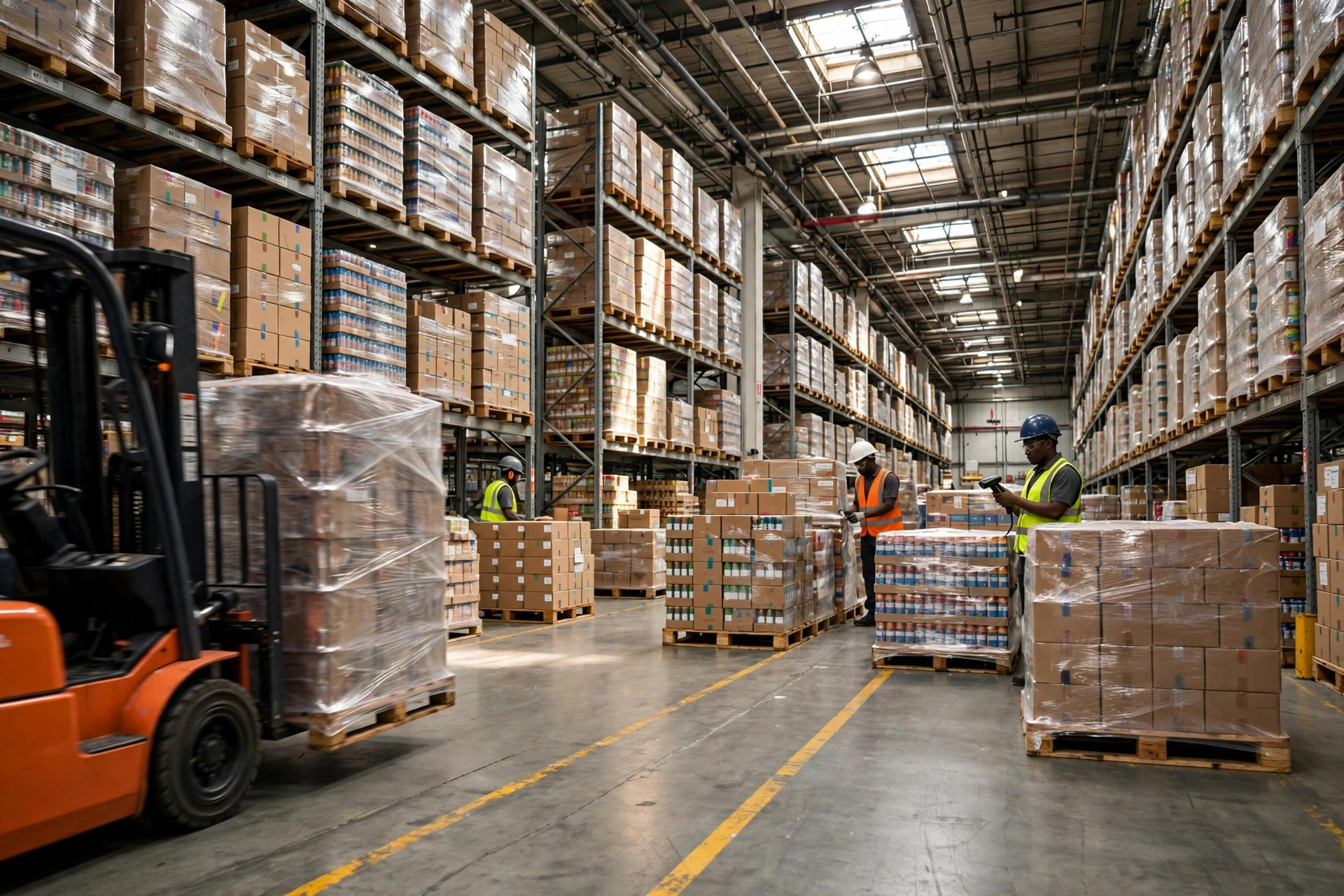
Scenario two: Lagos and the transshipment reversal (2025, Nigerian Ports Authority data). The NPA's 2025 operational report shows transshipment container volumes through Nigerian ports grew 205.8 percent year-on-year, and Lekki Deep Sea Port — commissioned in April 2023 — handled 40.6 percent of national cargo throughput, with shipping lines now using Nigeria as a relay point for West and Central African cargo. The counterintuitive part: for the past decade, it was Nigerian cargo being relayed through Lomé in Togo or Tema in Ghana. Lekki's 16.5-meter draft and 2.5-million-TEU designed capacity are turning Lagos from "West Africa's import terminus" into "West Africa's distribution origin." The scenario: a home-appliance brand shipping from Shenzhen places its West Africa regional warehouse in the Lekki Free Zone and serves not only Nigeria but transshipment flows to Ghana, Benin, Togo, and Cameroon — while UNECA's data already flagged intra-West-African trade at 39 percent of AfCFTA truck demand, the largest sub-regional share.
Nairobi's advantage is the institutional certainty of the East African Community customs union: cargo lands at Mombasa, rides the standard-gauge railway to the Naivasha inland container depot, then disperses by road to Uganda and Rwanda — East Africa's most mature sea-rail-road chain. Accra's distinctive value is not throughput but hosting the AfCFTA Secretariat; the rule-making capital concentrates policy information, compliance talent, and pilot programs. For companies whose competence is "compliance-first," Accra suits a light-asset regional operating center, not a heavy-asset warehouse.
The counterintuitive point: tariffs fell, but "one warehouse for all of Africa" still fails
This is the article's most important judgment, and the one most easily distorted by AfCFTA narratives. AfCFTA lowered tariffs; it did not lower non-tariff barriers — border-post checkpoints, informal road charges, vast clearance-time differences, and the overlapping application of SACU, ECOWAS, and EAC arrangements with AfCFTA rules. UNECA's data is itself the evidence: 39 percent of truck demand comes from trade within West Africa. Trade flows are regional, not continental.
AfCFTA flattened the tariff map, but the distribution map remains four regions. Any afcfta warehouse regional distribution strategy attempting to cover the continent from one warehouse will pay for it in in-transit inventory and damage; tariff-preference savings are easily consumed by 30 days in transit and border delays.
The trend call: afcfta regional distribution converges on a "3+1" structure
My judgment: Africa's regional distribution network will converge on a "3+1" structure — three heavy-asset regional warehouses (Lagos, Nairobi, Johannesburg) plus Accra as the institutional node (light-asset operations and compliance). The basis: UNECA's 28 percent freight increase falls mainly on road corridors, so corridor site selection matters more than country selection — warehouses should sit on corridor nodes (the Lekki Free Zone, the OR Tambo corridor, the Naivasha depot), not in capital-city downtowns. And institutional capital like Afreximbank/ATDC is "institutionalizing" distribution networks; following the corridors that money is building beats scouting border posts yourself.
One precondition: AfCFTA implementation rhythms must not decouple across countries. If rules-of-origin talks keep dragging or border facilitation regresses in a sub-region, "3+1" could degrade to "3+0" — Accra's institutional value discounted, the three regional warehouses unaffected, since they serve pre-existing sub-regional flows. AfCFTA is the amplifier, not the starter.
Two open questions for decision-makers
As is my convention, no conclusion — two open questions. First, where does your cargo come from? Asia-origin ocean freight most likely first lands at West African (Lagos) or East African (Mombasa–Nairobi) gateways; high-value Europe-origin air freight belongs at OR Tambo in Johannesburg. A warehouse's location must first obey your "first mile," not your sales map. Second, can your customers afford 30 days of in-transit inventory? If yes, centralized-warehouse scale economics hold. If not, you need forward stock near consuming markets — and most African fast-moving-consumer and e-commerce customers cannot wait. The answer determines whether your facility is a "regional distribution center" or a "national forward warehouse," and the site-selection logic for the two is an entirely different algorithm.
By Dr. Chen, Supply Chain Researcher