Here's the bottom line up front: if you haven't negotiated peak-season capacity with your 3PL by the end of September, you're already late.
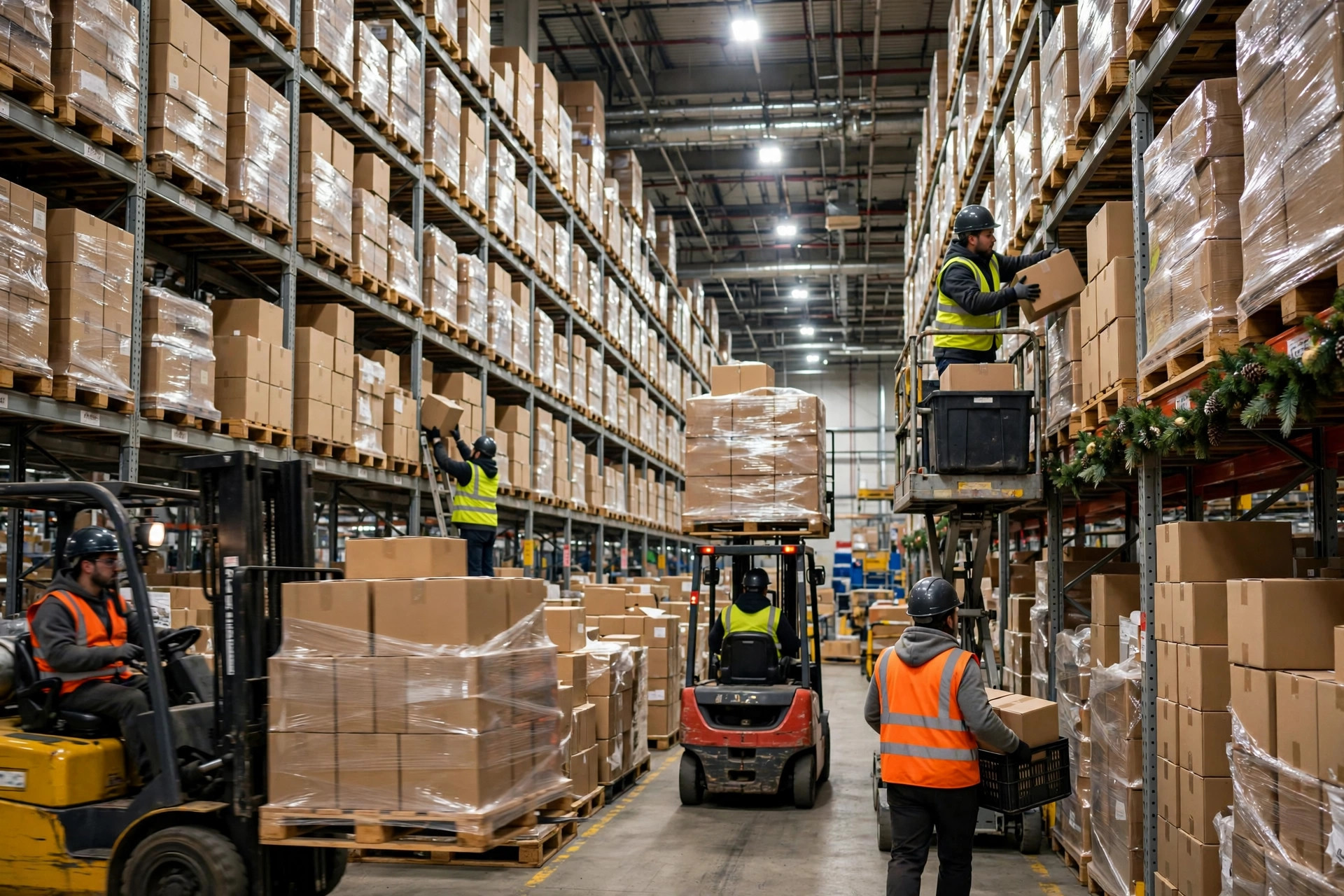
Every Q4 runs the same script. Orders start climbing in mid-October, Black Friday and Cyber Monday blow the doors off, and your 3PL stops answering the phone — the building is full, they can't staff up, and customer service has exactly one line for you: "We're working on it." During the 2022 peak, a client of mine who sells small appliances had containers queued at the Port of LA while his 3PL in Fontana couldn't spare receiving labor. One container sat at the gate for four days. Demurrage alone cost him five figures that season. Ever since, he starts negotiating peak in June.
Do the math and it's obvious: a 40-foot container waiting four extra days in peak season burns thousands in demurrage and storage; a blown-up primary warehouse means late shipments, bad reviews, and refunds you can't quantify. Every dollar spent on peak preparation buys certainty.
This article is my standard Q4 playbook from 20 years in the business. Take it and use it.
Capacity isn't won in November. It's won between June and September. Three plays to choose from.
Play one: put the space in the contract
The most direct move: a guaranteed-space clause for peak. You commit to a minimum — say 5,000 pallet positions from September through December — and the 3PL commits that space won't be given to anyone else. Overflow goes at an agreed rate.
The trade-off is real: commit too high and you're paying for empty pallets through September's shoulder season; commit too low and November still buries you. My rule of thumb is 120% of last year's same-period volume — peak always runs about twenty percent hotter than you expect. Don't ask me how I know.
Say you used 4,000 pallet positions last September through December — negotiate 4,800 this year. And build in flex: commit to a 4,000 base as guaranteed, with 800 as "priority overflow" the 3PL gives you first right of refusal on at a 10% premium over the guaranteed rate. September under-utilization doesn't hurt, and November's surge has somewhere to go.
Two negotiation points. First, lock the guaranteed rate — never accept "prevailing market rate at the time." Second, lock the overflow rate too, typically 1.2 to 1.5 times the guaranteed rate. "To be negotiated later" means it isn't written down. Anyone who lived through the 2021 congestion knows what peak market rates look like, and nobody wants a repeat.
Play two: buy labor in waves, don't gamble on headcount
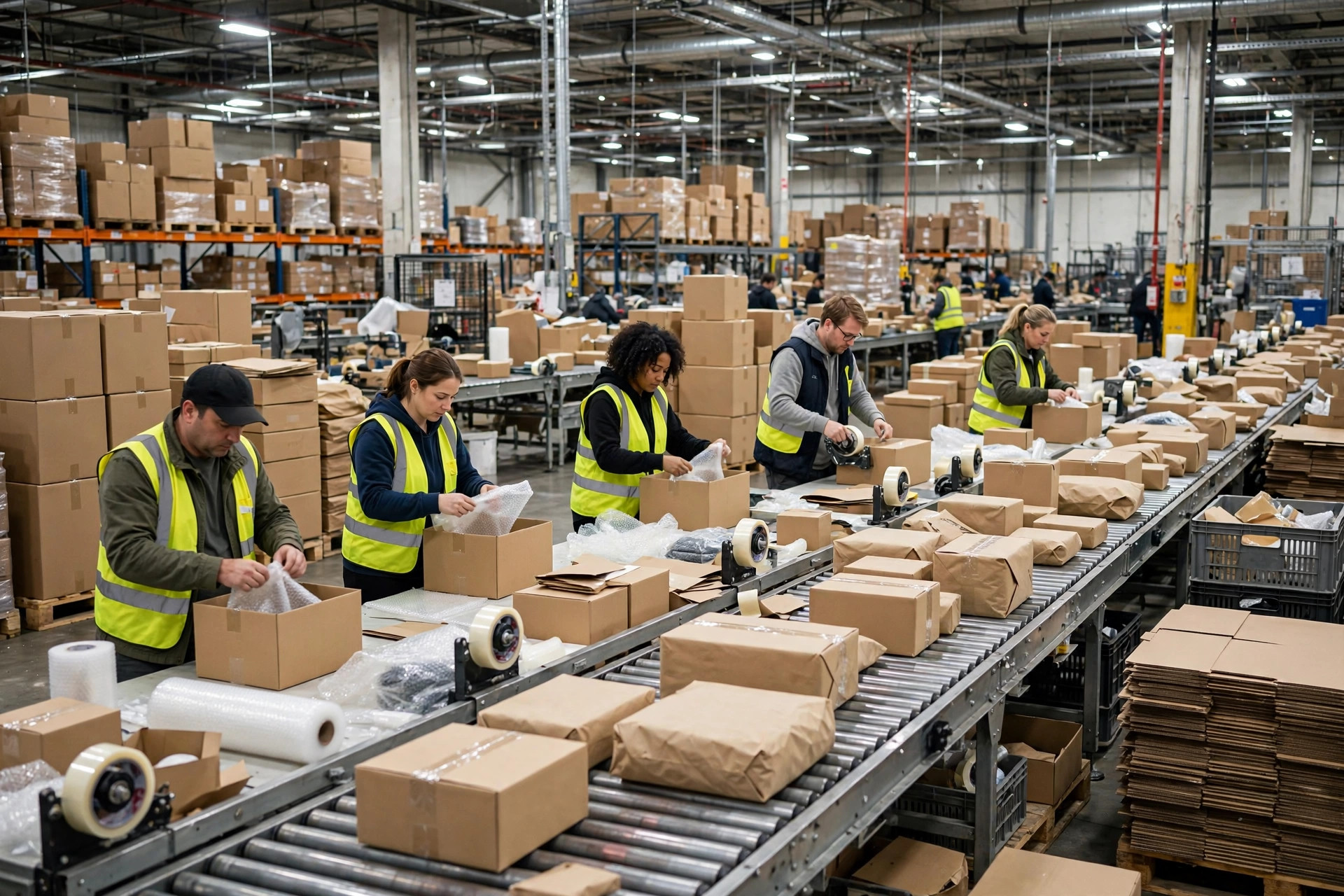
In peak season the real bottleneck is usually not space — it's people. Picking, packing, receiving: if any link runs short on hands, the whole building jams. I've seen warehouses sitting half-empty on space with outbound backed up for days, for exactly one reason: nobody to run the night shift.
Negotiate a flex-labor clause: order-volume triggers, like doubling pick labor within 48 hours once daily orders cross 8,000, and launching a night shift past 12,000. Triggers, response times, and labor caps all go into the SLA.
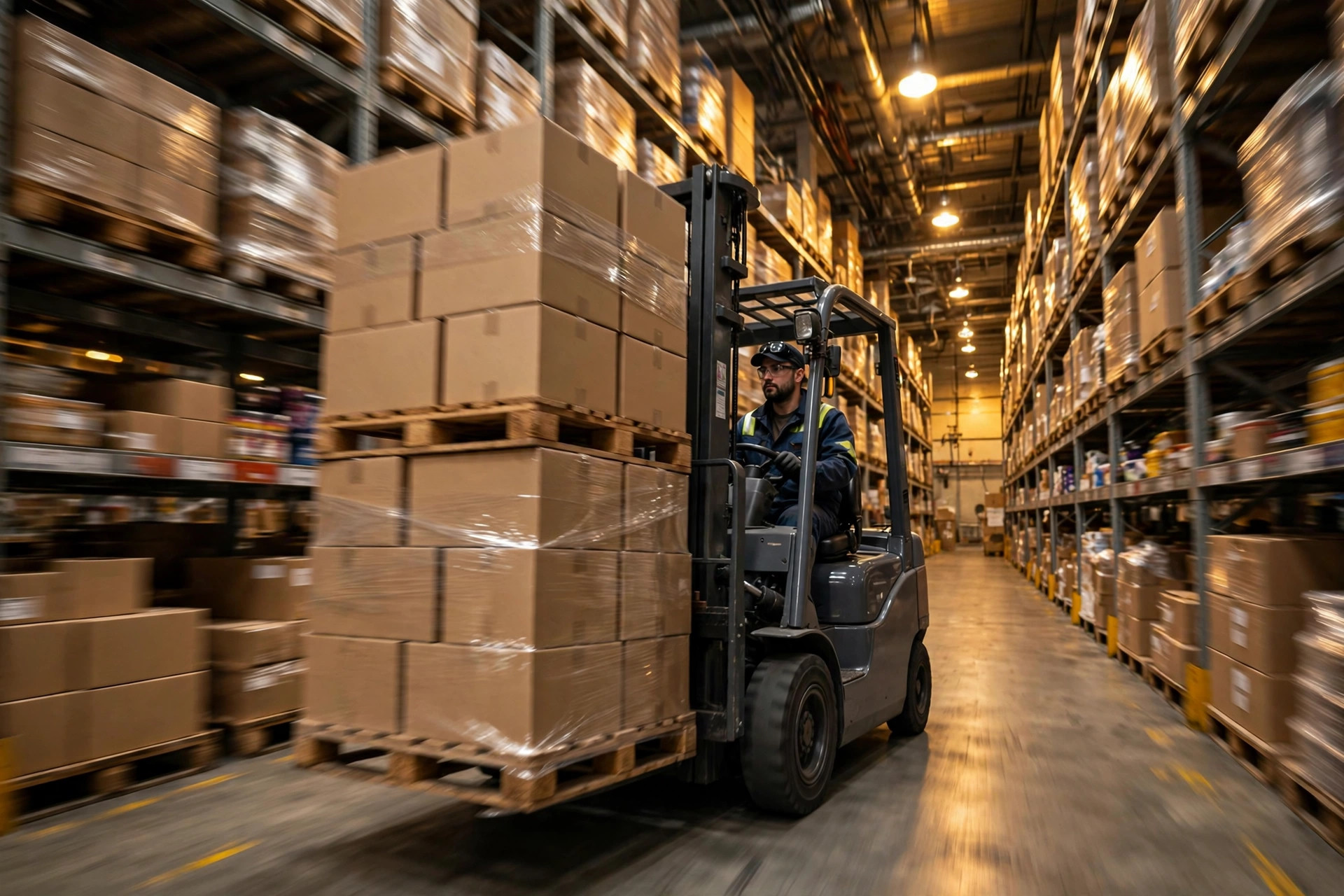
The part everyone fights over is when the 48-hour clock starts — when you send the email, or when the 3PL confirms it? Spell it out: the clock starts when you send written notice. And before you sign, ask one question: where does their peak temp labor come from? A solid 3PL locks in staffing agencies in June and July. One that starts hiring in September is making promises on luck. Out here in the Inland Empire, the peak labor market is picked clean by October every year. That's the going reality, not an excuse.
One more detail: define "labor" in the clause — veterans or day-one temps? The classic peak-season trick is hitting the headcount number with people who started that morning, and pick accuracy falls off a cliff. Require a minimum veteran ratio on key stations like audit and pack, in writing. In 2023 I watched a 3PL hit every staffing number while mis-ships tripled and customer service drowned in return calls.
Play three: keep a backup warehouse
The first two plays go all-in with one 3PL. The third keeps an exit: sign a backup facility in advance.
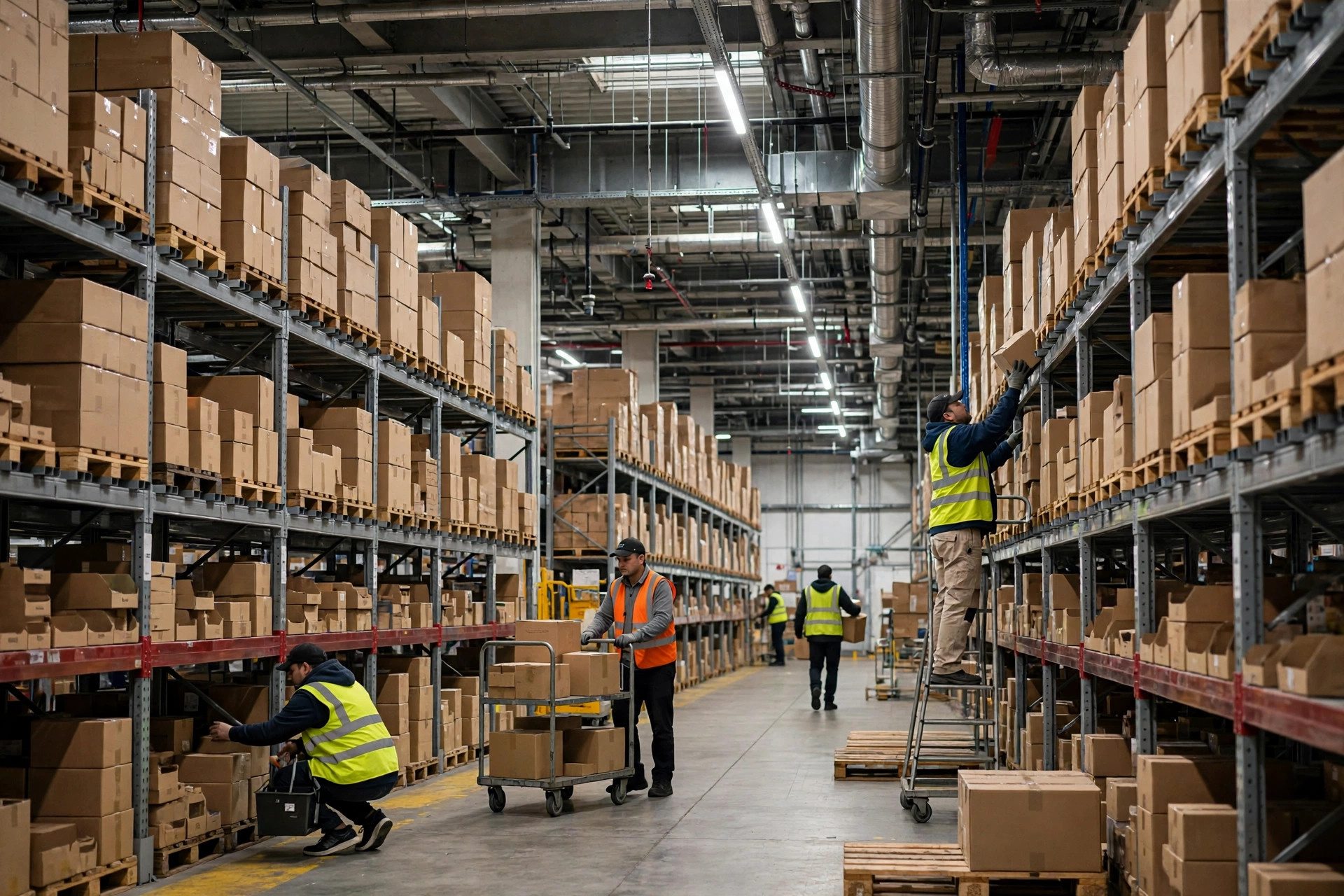
It doesn't need to be big — 10 to 20 percent of safety stock, or just your hero SKUs. When the primary building blows up, shift promo traffic to the backup and ship from there. Black Friday 2023: a pet-supply seller I know ran his primary out of Ontario, where ship times slid from two days to six. His backup in Phoenix took the hero SKUs within 48 hours. A wave of one-star reviews, dodged.
A backup warehouse looks like waste eleven months a year. In peak, it's insurance. Pick it for two things: proximity to your main sales region — Phoenix or Las Vegas for the West Coast, greater Atlanta for the East — and systems that already talk to your OMS/WMS. Integrating in November is suicide. Do it in September, when everyone still has time to think.
The words that actually matter at the negotiating table
Three red lines, in the body of the contract, not an appendix.
First, rate locks. Peak surcharges are standard 3PL practice — negotiate the triggers and the caps now. "Subject to market conditions" hands them the knife.
Second, exit terms. If your 3PL falls apart in peak, you need the right to pull your inventory without a ruinous penalty. Thirty days' written notice to terminate is my floor. Anything longer and you're hostage.
Third, KPI penalties. Ship time, order accuracy — miss them, lose service fees. An SLA without penalties is a wish, not a contract. And make sure the penalties are big enough to hurt a little; a 2% credit on a disaster month changes nobody's behavior.
The timeline: June to November
- June: debrief last peak, set this year's volume and space targets
- July: send the RFQ, talk to at least two 3PLs including one backup
- August: sign — space, labor SLA, and rates all locked
- September: systems integrated, hero SKUs pre-positioned at the backup
- October: small trial runs, walk the whole flow end to end
- November: watch the daily report, don't wait for the weekly one
If you're already late this year, get the backup warehouse signed first — it's the fastest move that works. Next June, dig this article back out.