We had a client, a skincare brand, that nearly lost a deal with a major influencer because of one mis-shipped carton. In industry terms, this is 3PL multi-client warehouse mis-shipment prevention: making sure Client A's goods never end up in Client B's customer's hands. It sounds basic.
Here is what happened. Our client shared a warehouse with a pet treats brand. Both shipped in kraft cartons with white labels. From three feet away, the boxes were twins. During a peak-season night shift, a picker rushing to clear a wave grabbed the wrong carton. Client A's customer opened the package, found dog treats inside, and posted a photo online. The brand called us that same night. The tone was polite. The message was not: one more incident like this, and the partnership is over. We paid the return shipping, the value of the goods, and the make-good offered to the customer. That money was the cheap part. The expensive part was trust.
Then there was the pair of clients selling the same contract-manufactured insulated bottle. Same bottle, same factory, SKUs one digit apart. Their inbound arrived back to back one day, and a receiving associate, trying to save a trip, put both clients' stock on a single pallet. The system said inventory was correct. The physical stock was wrong. That landmine sat there for three months until a cycle count blew it open, and it took us two weeks to unwind the two clients' books, order by order.
So when people ask me how mis-shipments happen, my answer is the same: it is not carelessness. It is identity isolation that was never fully built.
How Mis-Shipments Happen in Multi-Client 3PL Warehouses
Mis-shipments only happen in three places.
The first is receiving and putaway. Two clients' goods look alike, or come off the same contract manufacturer's line, and a receiver cannot tell them apart by eye. The mix happens at the dock. Once the source is mixed, everything downstream is wrong.
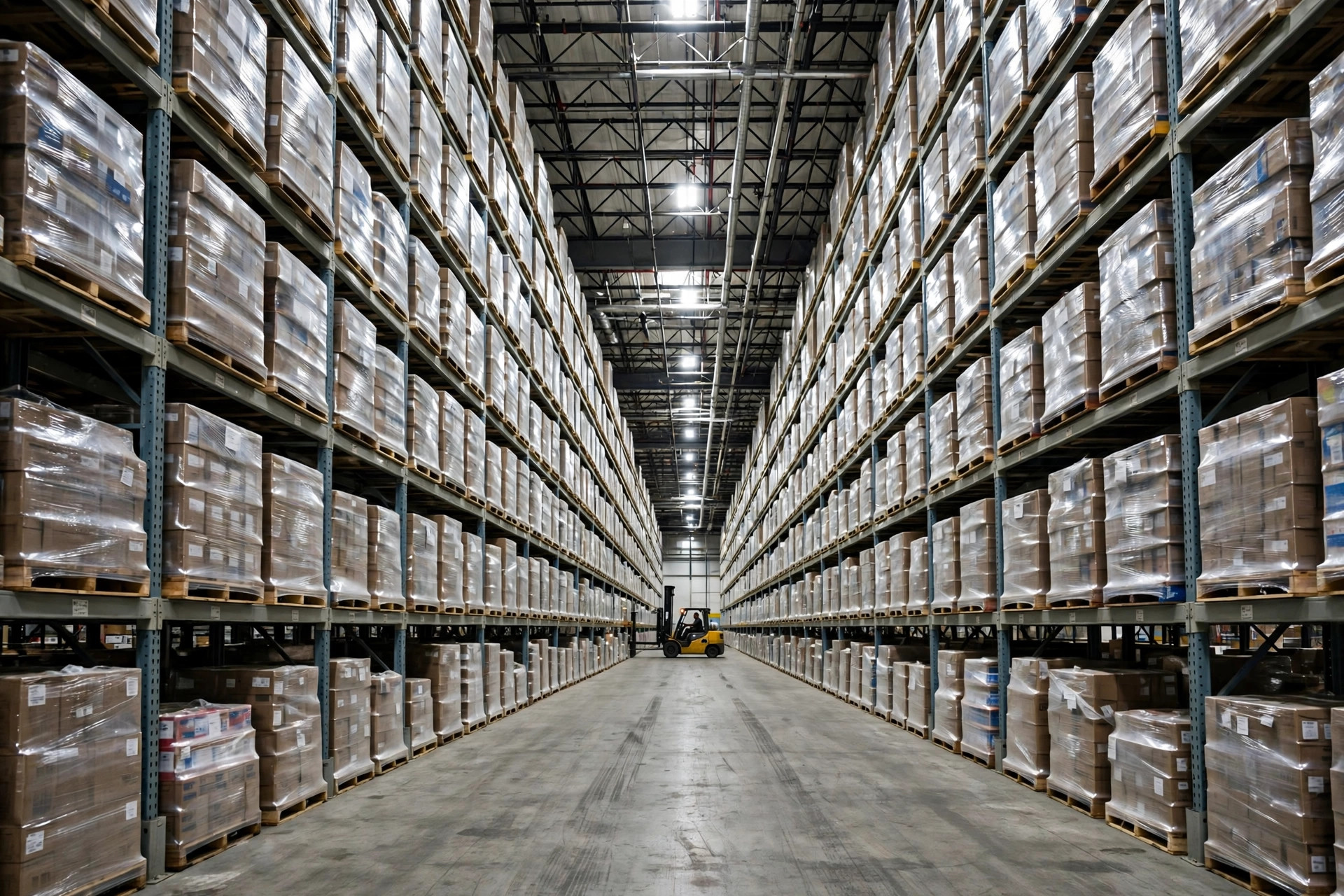
The second is picking. Two clients' goods sit next to each other on the rack, same packaging, same size, same color. Whether a picker grabs the wrong one does not depend on how careful they are. It depends on how similar the two items look. In peak season, relying on eyesight is relying on luck.
The third is pack-out verification. The shipping label prints, the box holds the other client's product, and the packer seals it without a scan. If that checkpoint waves it through, the carton ships, and shipping it is the incident.
See the pattern? Mis-shipment prevention in a multi-client warehouse is fundamentally an identity problem. Every item, every location, every shipping label must carry a client identity, and the system must enforce it. The insider truth that only people on the 3PL side will tell you: in most mis-shipment postmortems, the system had a chance to stop it. Somebody just never turned that check into a hard stop.
Physical Isolation vs. System Isolation in Multi-Client Warehouses
This is the question clients love to ask and 3PLs dread answering in detail. So here is the honest comparison:
| Approach | Best for | What it costs you | Blind spot |
|---|---|---|---|
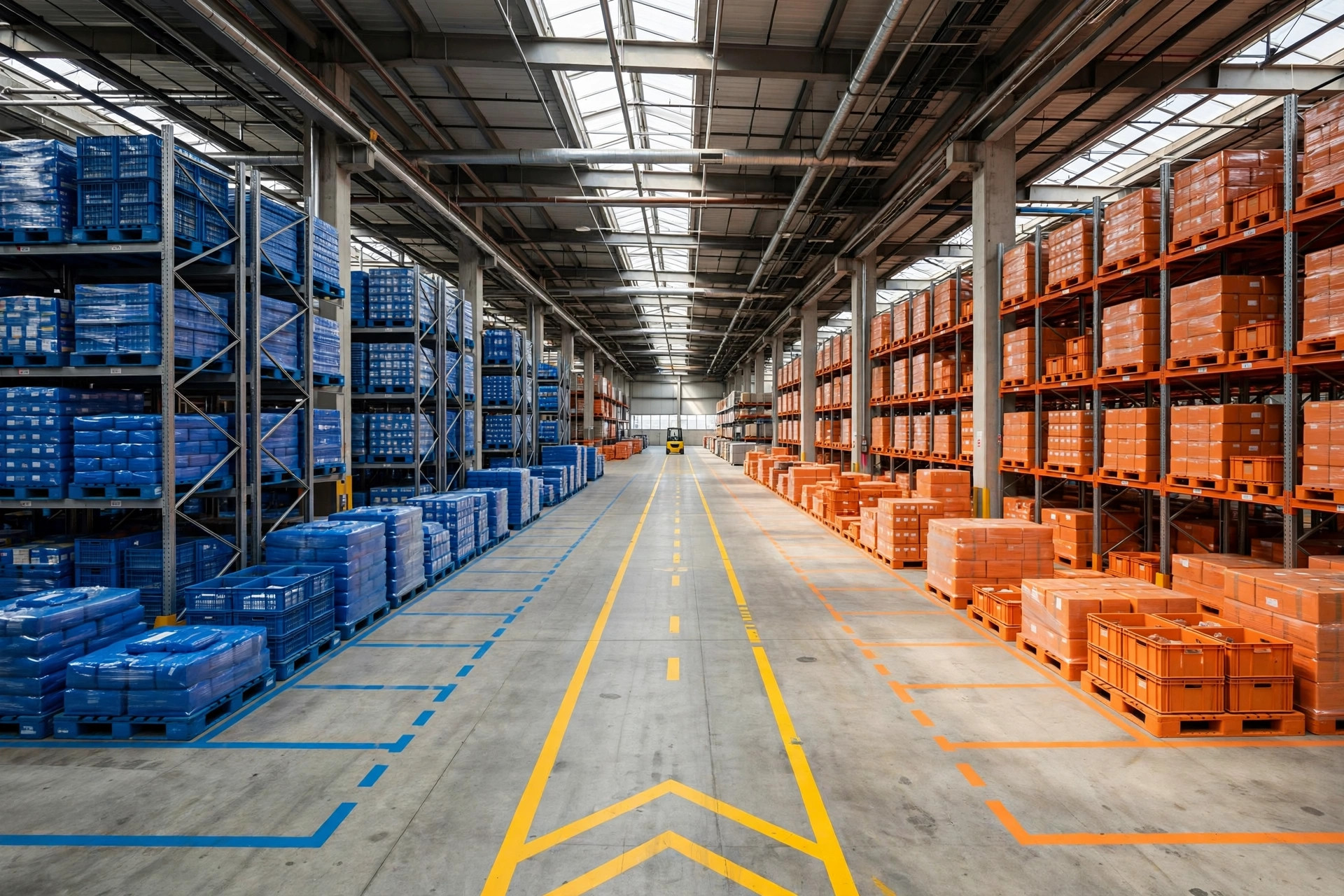
| Physical isolation: separate zones, aisles, color-coded pallets and totes | High-value goods, food and cosmetics, lookalike products | Space utilization drops, peak-season flexibility suffers | The wall separates the goods, not the people or the system |
| System isolation: SKU namespaces, label formats, location ownership locks | Everything, especially lookalike goods | System work, process changes, training | Receiving is the weakest link. If the source is mixed, everything downstream is wrong |
| Both: system isolation everywhere, physical isolation only for the most confusable goods | Most multi-client warehouses | More upfront investment | Needs ongoing cycle-count verification |
Here is the counterintuitive judgment: physical isolation alone is the most expensive placebo in the business. You build the walls, you paint the zones, the place looks impressive on a client tour. Then a picker grabs the wrong carton and the system waves it through, because the system never knew those two cartons belonged to different clients.
So the right trade-off in 3PL multi-client warehouse mis-shipment prevention is this: full system isolation, and physical isolation only where it earns its keep. Which goods deserve physical separation? I use three tests: high value, lookalike packaging, complaint-sensitive. Skincare sharing a building with pet treats, where one incident becomes a social media post, must be separated. But if one client stores tires and the other stores paper cartons, system isolation is plenty.
System isolation itself has four non-negotiable parts. First, SKU namespaces: every client gets their own coding prefix, and the system never allows two clients to share one SKU, even for the identical contract-manufactured item. Second, barcode and label formats: every client gets a distinct label color band and a large-print client code. Third, location ownership locks: a location belongs to one client, and putting Client A's goods into Client B's location throws an error. Fourth, client identity on every task: every pick task and every verification carries the client identity through the whole journey.
Picking Verification: Let Pickers Be Right Without Memorizing Clients
This is the sentence that matters most: never ask frontline staff to tell "whose goods these are" from memory. People get tired. They change shifts. They call in sick. Memory is the least reliable isolation method ever invented.
The right method is a three-scan check: scan the location, scan the item, scan the order. If the client identity mismatches at any step, the scanner locks. Industry guides commonly cite paper-based picking error rates in the 1 to 3 percent range, with barcode verification bringing that below 0.5 percent. One survey of hundreds of supply chain managers put the average cost of a single mis-pick at about $22, and the average distribution center's annual loss from mis-picks at nearly $390,000. A cross-client mis-shipment costs more than an ordinary mis-pick, because it also spends the other client's trust.
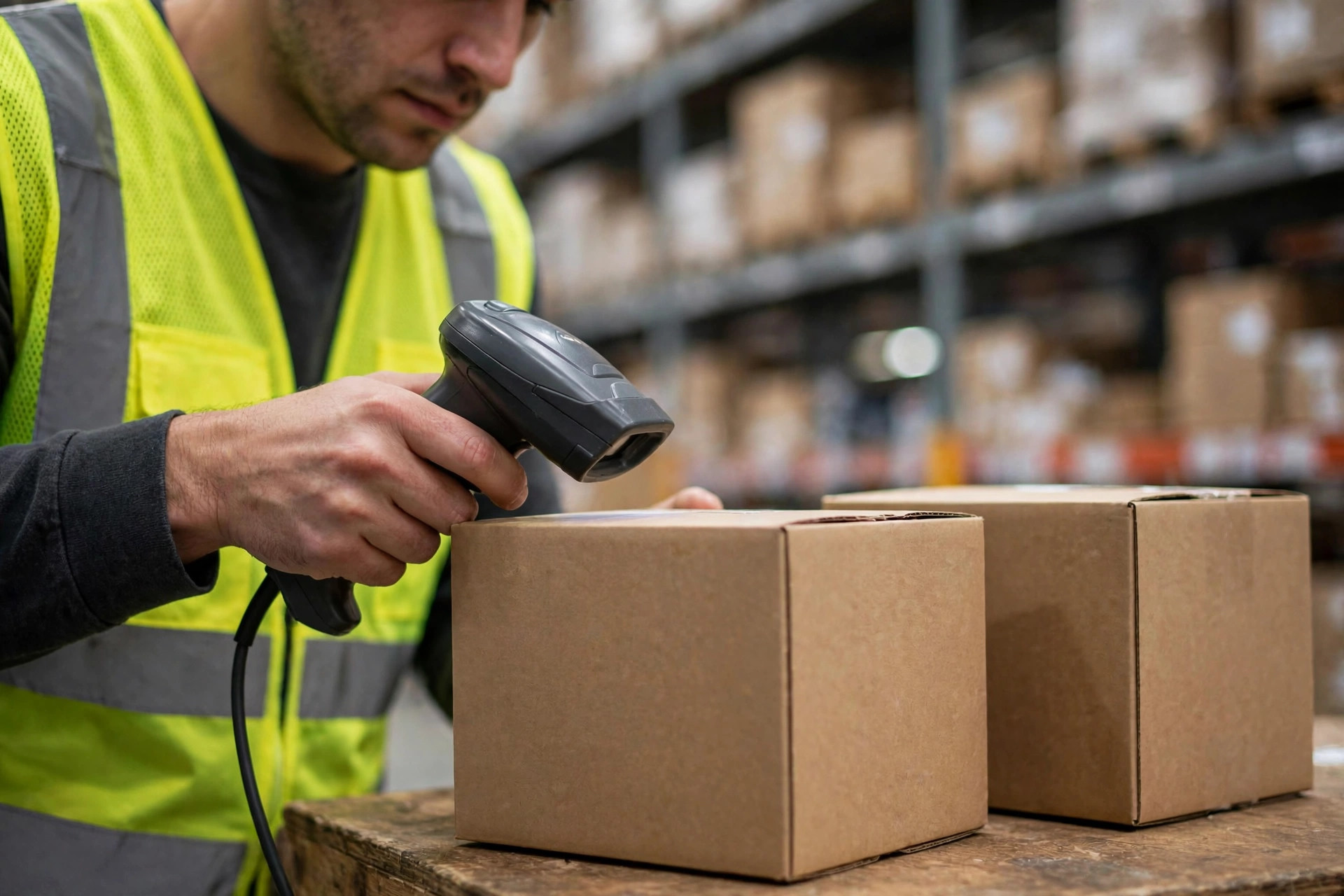
The pack station is the last gate. Add a second scan plus a weight check before the box seals: scan the item and the label again, and stop the carton if the weight does not match. Weight checking is unglamorous, and it works. Plenty of 3PLs resist this step because it slows the line. My view is that half a minute at the pack station beats two weeks of unwinding two clients' inventory.
Billing and Reporting Isolation: The Messy Books Outlast the Wrong Box
When a mis-shipment happens, the goods can be recovered. The books often cannot. Why? Because many 3PLs never split their billing and reporting cleanly by client.
Reporting isolation is the floor: Client A sees Client A's inventory, orders, and reports, and never Client B's. This is not just mis-shipment prevention. It is leak prevention. Two competing brands sharing one warehouse is not unusual, and portal permissions must be cut by client.
Billing isolation is a matter of integrity: storage and handling billed per client, separately. The reverse logistics and reshipment costs from a mis-shipment get their own line item, shown clearly to whoever bears them, never folded into normal handling fees. Cycle counts should run per client too, with variances traced to the client first, then to the location.
When a Mis-Shipment Happens: Accountability and the Client Conversation
Start with accountability. Accountability does not come from a meeting. It comes from system logs. Who received it, who put it away, who picked it, who verified it, who printed the label: the log should have all of it.
Then the conversation. My rule from years on the sales side: tell the client yourself. Never wait for their customer to find it first. When you tell them, bring three things, all three, no exceptions: the facts, how much went wrong and to whom; the containment, how much you have intercepted and how much you have already reshipped; and the fix, which check became a hard stop and why the same error cannot repeat. Clients can live with a mistake. They cannot live with being managed.
And then the contract. Most 3PL contracts write mis-shipment liability in mush: "to be negotiated based on actual loss."
Next time you negotiate a contract, ask these three questions:
First, at which step does your system check client identity? If a scan mismatches, does it hard-stop, or does it pop a warning that someone can click past?
Second, for lookalike goods, do you store them separately or commingled? If commingled, what actually tells them apart?
Third, when a mis-shipment happens, who pays for the return and the reshipment? And can I see that cost as its own line in the reporting?
Three questions. The answers will tell you whether a 3PL's multi-client warehouse mis-shipment prevention is real discipline or stage dressing.
By Susan, 3PL Sales Director