I once sat down with a seller in Shenzhen to autopsy a shipment that looked like a win on paper and bled money in reality. He sourced a silicone kitchen gadget on 1688 at a unit price roughly twenty percent below what he had been paying. The gross margin on that shipment came out negative. The purchase price was fine. Everything after it was not: the cartons sat at a Guangzhou consolidation warehouse for a week waiting for the container to fill, racking up daily storage charges during peak season, and because he had skipped inspection, Amazon's fulfillment center flagged a batch of units with stains on arrival. The return processing, relabeling, and re-inbound fees ate the entire margin. Since then I have given every Amazon seller the same line: the discounts on 1688 are reserved for people who can do the math.
Where the money actually goes
From the moment goods leave a 1688 factory to the moment they are live in an FBA warehouse, I count more than a dozen cost items. Here is the sequence I use. Fill in your own numbers line by line.
The first leg is domestic China: the purchase price plus inland freight from the factory to the forwarder's consolidation warehouse. A lot of sellers forget this line. Consolidation warehouses around Yiwu and Guangzhou often receive goods free of charge, but if your forwarder's warehouse sits near Yantian in Shenzhen and your factory is in Dongguan, you pay for the short-haul trucking. Trivial for one shipment, painful when you are pushing several shipments a day in peak season.
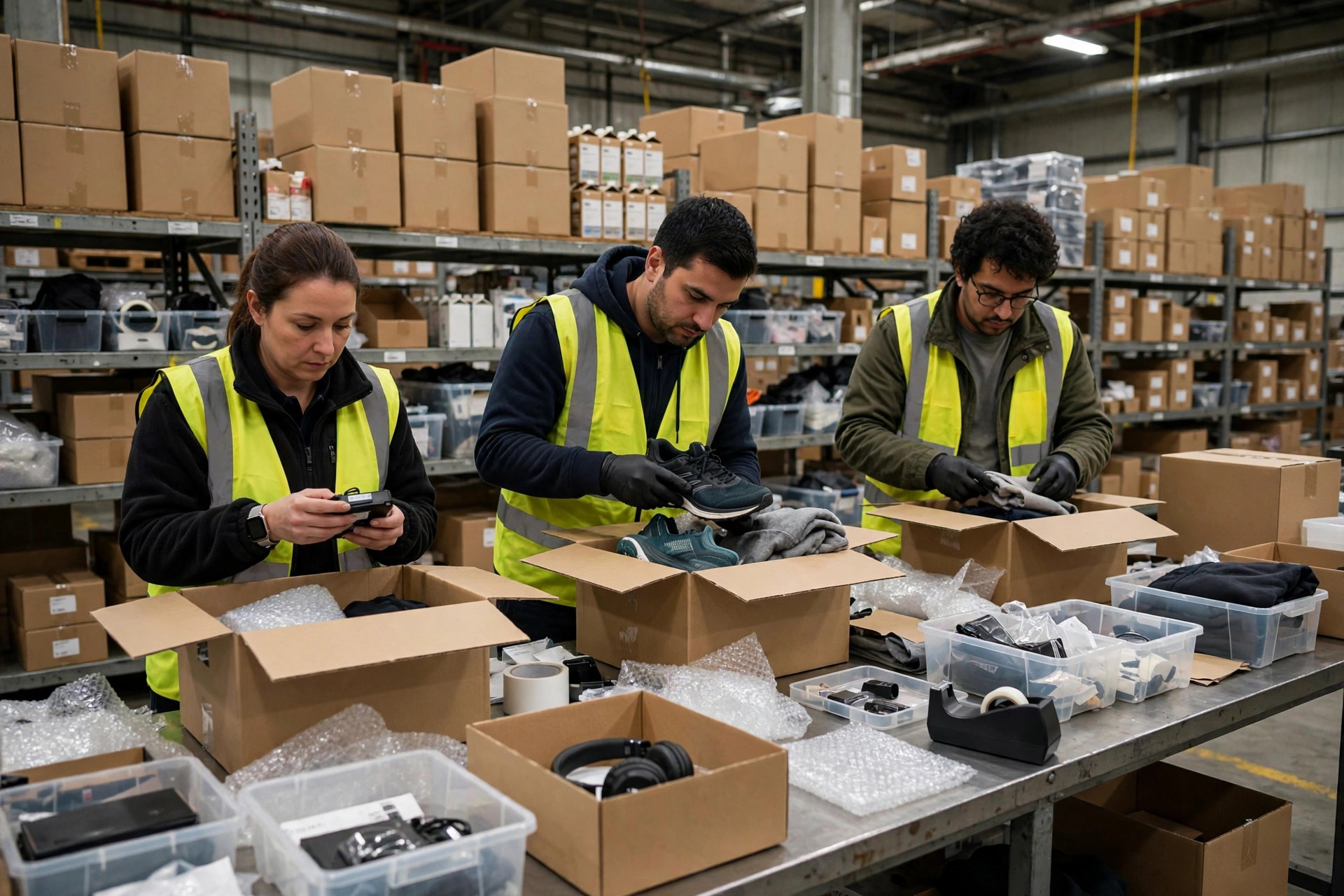
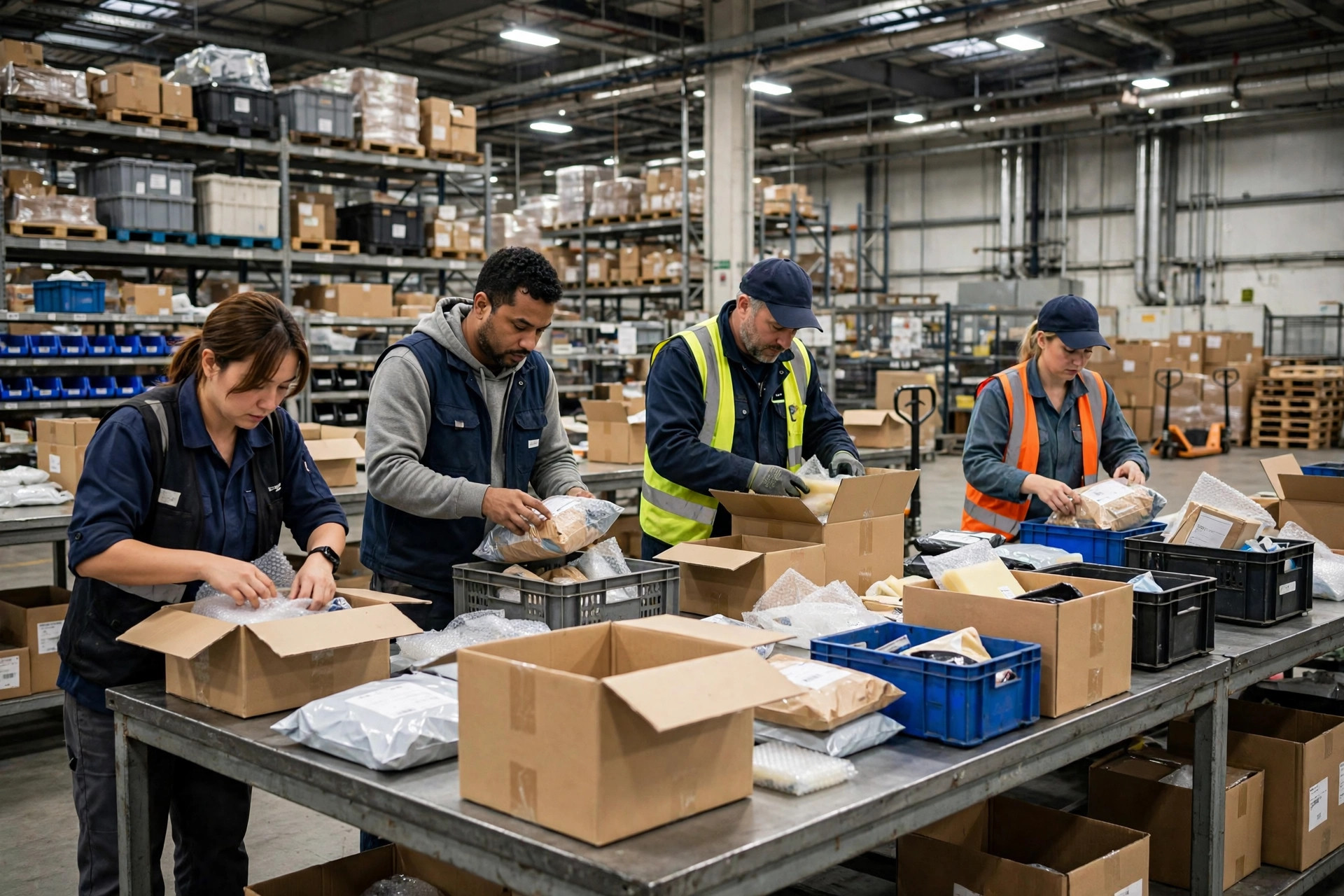
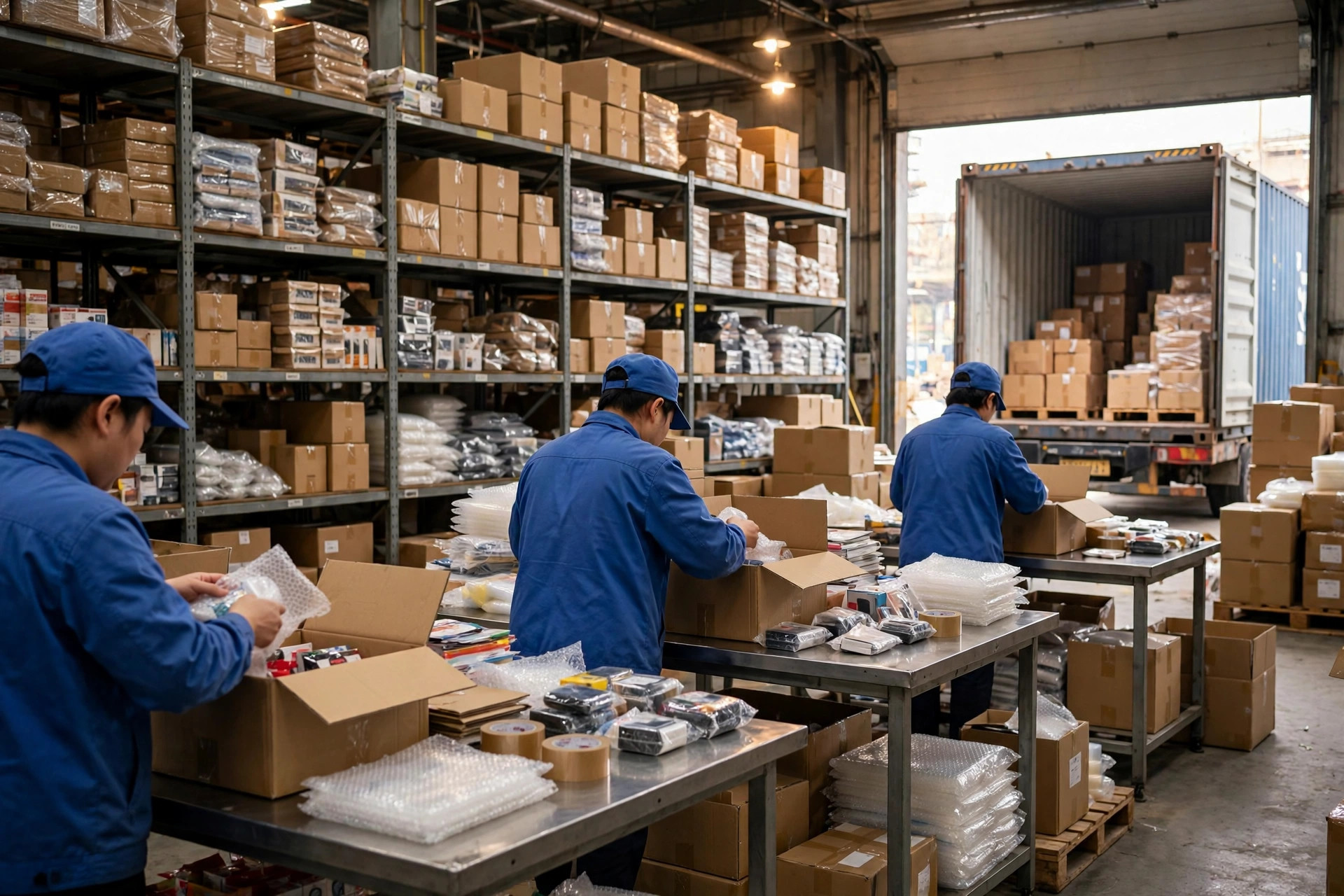
The second leg is the warehouse handling: receiving and counting, replacing outer cartons, applying FBA labels, palletizing. FBA labels deserve their own warning. Amazon's placement and print-quality requirements for these labels are spelled out in Seller Central's operational guidance, and units with crooked or blurry labels get rejected at receiving or incur handling fees. A decent forwarder runs a dedicated labeling line and charges per unit. Rates vary by forwarder, so get the handling fee in writing on the quotation before you commit. A verbal quote is worth nothing once peak season starts.
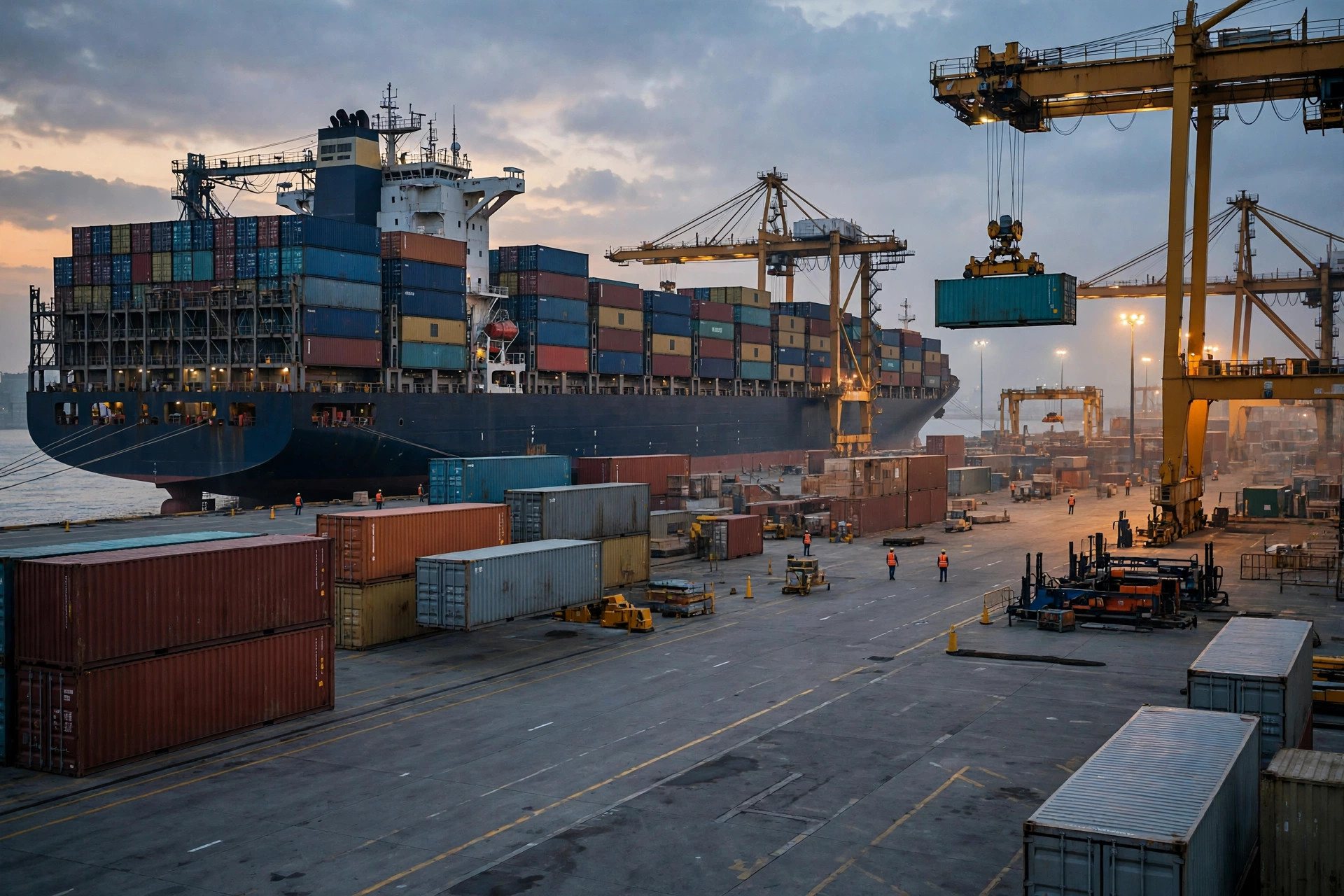
The third leg is first-leg ocean freight, and LCL is billed on whichever is greater, volume or weight. Two traps here. First, the chargeable-weight conversion: a forwarder quoting "per cubic meter" is pricing by volume by default, and heavy cargo gets converted by weight under a formula that should be written into your contract. Second, fuel surcharges and peak-season surcharges may or may not be included in the quote. The fourth quarter brings the most creative surcharge line items of the year. If the quote does not say "all-in," assume it is not.
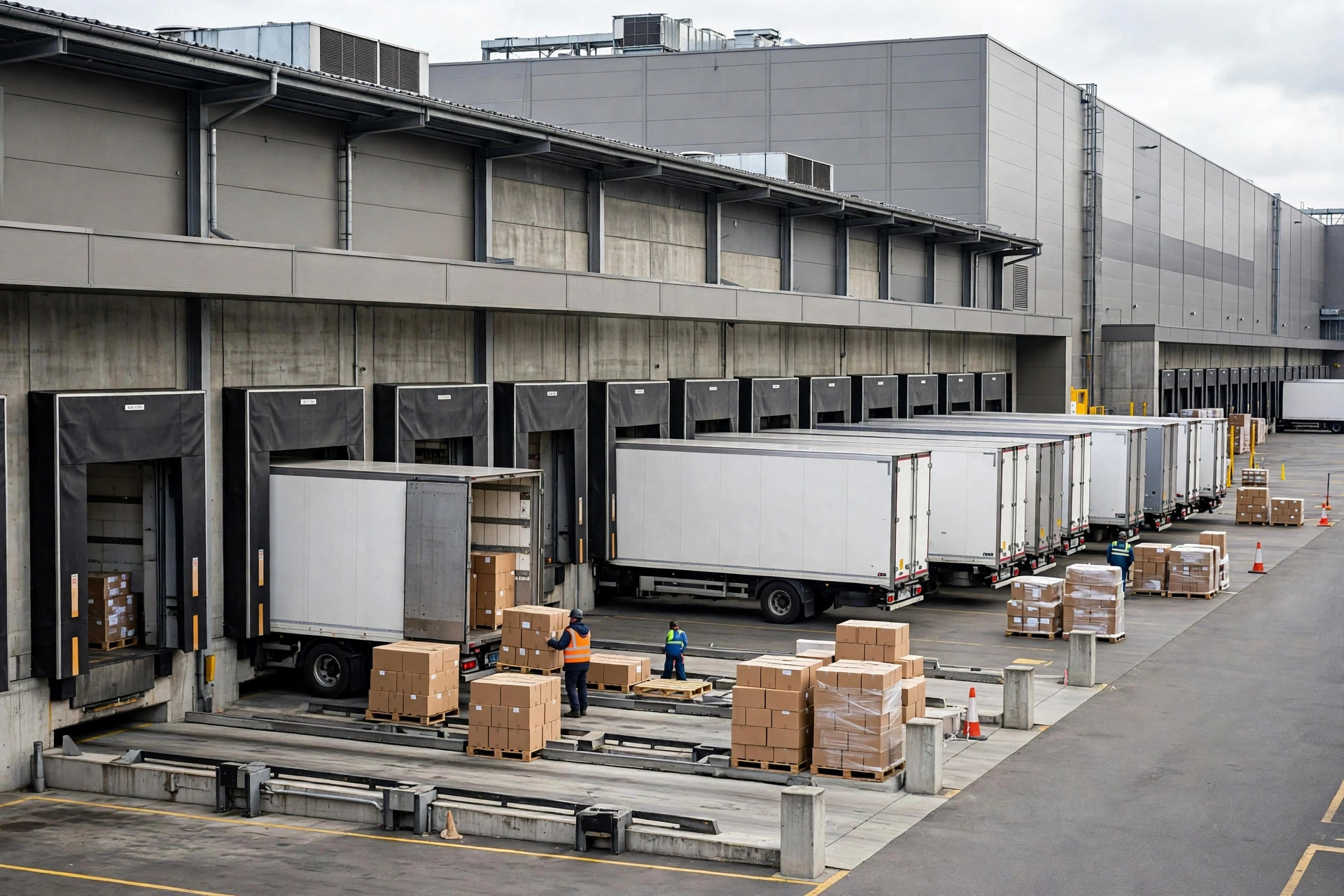
The fourth leg is the US side: customs clearance, duties, and trucking to the Amazon fulfillment center. Duty rates have moved around a lot in recent years, so always model with the latest US Customs policy, never last year's rate. One detail on delivery: since 2024 Amazon has charged an inbound placement fee when shipments get split across multiple fulfillment centers, which pushes the trucking cost up noticeably. Settle the split-shipment question with your forwarder before you book: accept the split, or pay to consolidate. Make that call early, not when the invoice lands.
Why inspection has to happen before the goods leave China
The highest-return money in this entire chain is quality inspection, and it has to happen in China, before the freight moves. The logic is brutal and simple: finding one defective unit in China costs you a replacement unit. Finding one defective unit in a US warehouse costs you return processing plus the full cost of getting it sellable again. An order of magnitude apart.
Inspection comes in three layers, and you pick based on budget. The first layer is pre-shipment inspection at the factory, done by a third-party firm sampling to AQL standards, focused on three things: function, appearance, packaging. These firms charge by inspector-day. The second layer is receiving inspection at the forwarder's warehouse: counting plus a visual check. Many forwarders bundle this as a standard service. It is cheap and it catches obvious damage and short counts. The third layer is full inspection before labeling, for high-ticket or high-return-rate categories. Expensive, but worth it.
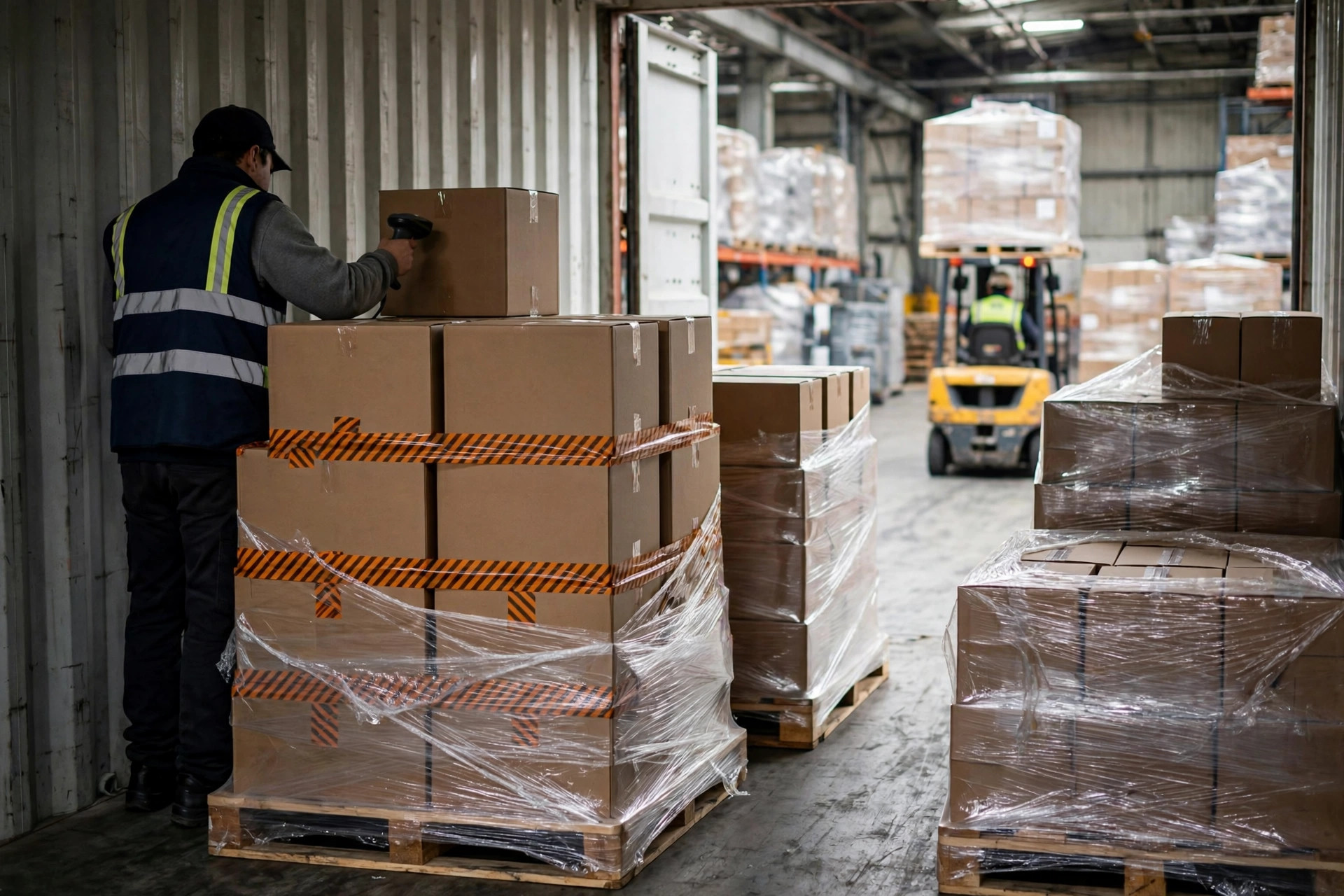
The most expensive way to die I have seen: a seller skips inspection to save the fee, Amazon's receiving team finds mislabeled units, and the entire shipment gets rejected and sent back. Return trucking, relabeling, and the wait for a second inbound appointment add up to roughly ten times what inspection would have cost. Inspection is not a cost. It is insurance, and the premium-to-coverage ratio might be the best in the whole supply chain.
The traps I have stepped in
Trap one: comparing only the first-leg rate. Some forwarders quote an ocean rate that looks impossibly low because all the profit is buried in destination charges: deconsolidation fees, storage, documentation fees. Line by line, the "cheap" quote ends up more expensive. Compare door-to-warehouse all-in prices, and make the forwarder itemize everything. If a forwarder cannot itemize, find another one.
Trap two: not booking peak-season space early. Starting in September, LCL space gets tight. Booking a week late does not just cost you a higher rate; it costs you the Black Friday and Cyber Monday replenishment window. My habit is to lock space six to eight weeks ahead for peak season and stay flexible in the slow months.
Trap three: packaging that ignores Amazon's standards. FBA has explicit packaging requirements. Oversized or flimsy packaging gets rejected or hit with extra handling fees. Have the forwarder check packaging against Amazon's prep requirements before the goods ship. That check is free and it saves real money.
Trap four: one forwarder forever. A long-term forwarder relationship is fine, but re-benchmark against two or three quotes at least once a year. Forwarder cost structures shift every year, and the year you skip the benchmark is usually the year you get slowly boiled.
One thing you can do tomorrow: take your most recent shipment's actual invoice and fill it into the cost list above, line by line. Mark the three lines you cannot answer. Those three are where your next shipment is most likely to lose money. Costing always starts with the checklist. The truth comes after.