Amazon changed the rules again — hold the eye-roll. This time it might actually be good news.
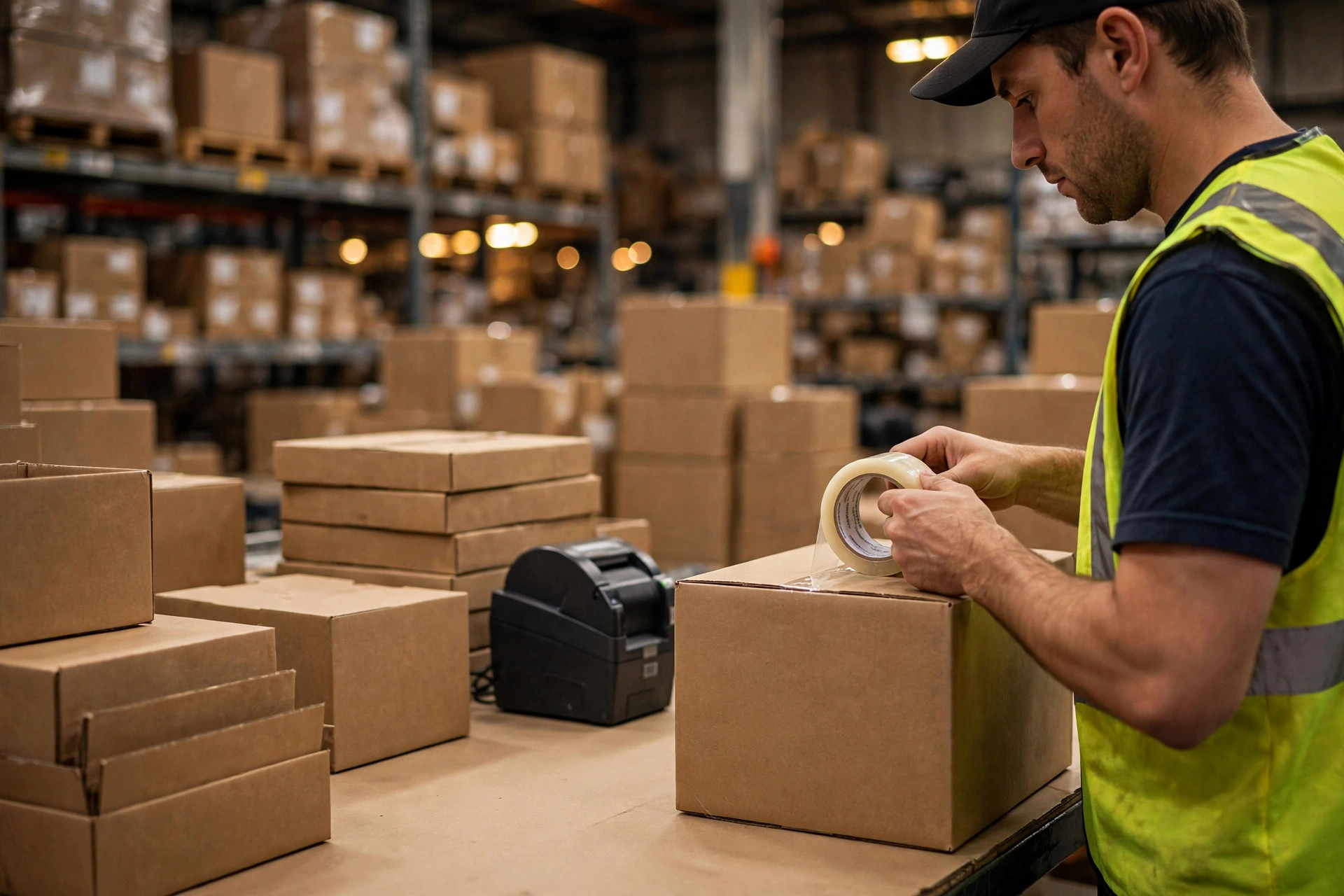
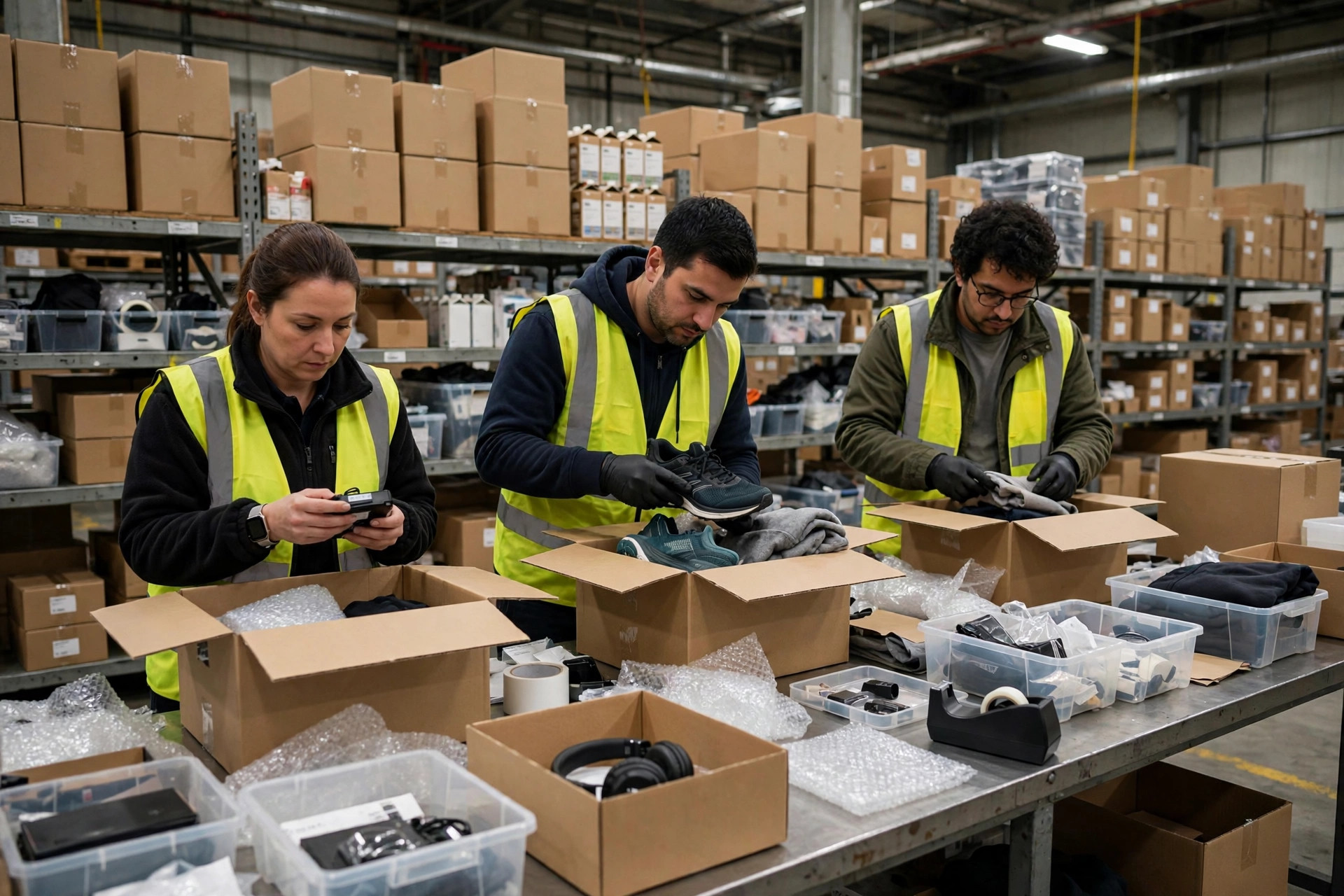
This past January, the return rate on my Bluetooth earbuds SKU hit 17%. If you sell FBA, you know exactly what returns mean: units pile up in Amazon's warehouse burning storage fees every day. Removal costs you money per unit. Disposal hurts. Liquidation pays pennies on the dollar. I was about to write off the whole batch when a new option showed up in Seller Central: Grade and Resell. Amazon grades your returned inventory and resells it as used, right under your own listing.
I ran it for three months on that SKU. Here's the full ledger, and here's how the Amazon Grade and Resell program works in practice.
How the Amazon Grade and Resell Program Works
The short version: you authorize Amazon to inspect your FBA returns and grade them into four used conditions — Used – Like New, Used – Very Good, Used – Good, and Used – Acceptable — then list them as used offers on your existing listing at a price you set.
Buyers see a "Used" buying option on your product page. Ordering, shipping, and customer service all run through FBA. You just collect the revenue. It's essentially an official secondhand storefront for your returns, riding on the traffic your own listing already gets.
One caveat before we go further: eligibility rules, fees, and grading criteria have changed several times since this program launched. Everything I say about program mechanics reflects what I saw during my test — check Amazon's latest official policy before you treat any of it as current.
How I Set Up Grade and Resell: Three Steps
Step one: pick the right SKU. Not every return deserves a second life.
My filter has exactly three criteria: first, a price point above $25 — cheaper items aren't worth the hassle after fees. Second, a high share of no-fault returns ("ordered the wrong item," "didn't like it," "bought too many") — if units are coming back with real quality defects, reselling them just buys you bad reviews. Third, stable conversion on the new listing, which tells you the product itself is fine and the leak is purely in the returns loop.
My earbuds SKU checked all three boxes: $29.99 price point, roughly 70% no-fault returns, new-unit conversion above 11%.
Step two: price without greed.
I priced Used – Very Good at 62% of the new price, and Used – Like New at 75%. Price too high and nobody bites; price too low and you're working for free. Used-goods buyers are price-sensitive but also have lower condition expectations — the 62% tier converted most consistently for me. The goal of a used offer is cash recovery, not margin glory.
Step three: check three numbers, once a week.
Used-order return rate, used-order negative review rate, and used revenue as a share of total revenue. Any grade whose return rate crosses 25% gets switched off; any grade drawing condition complaints gets downgraded. Once a week is plenty — don't babysit it daily.
The Numbers: A Three-Month Ledger
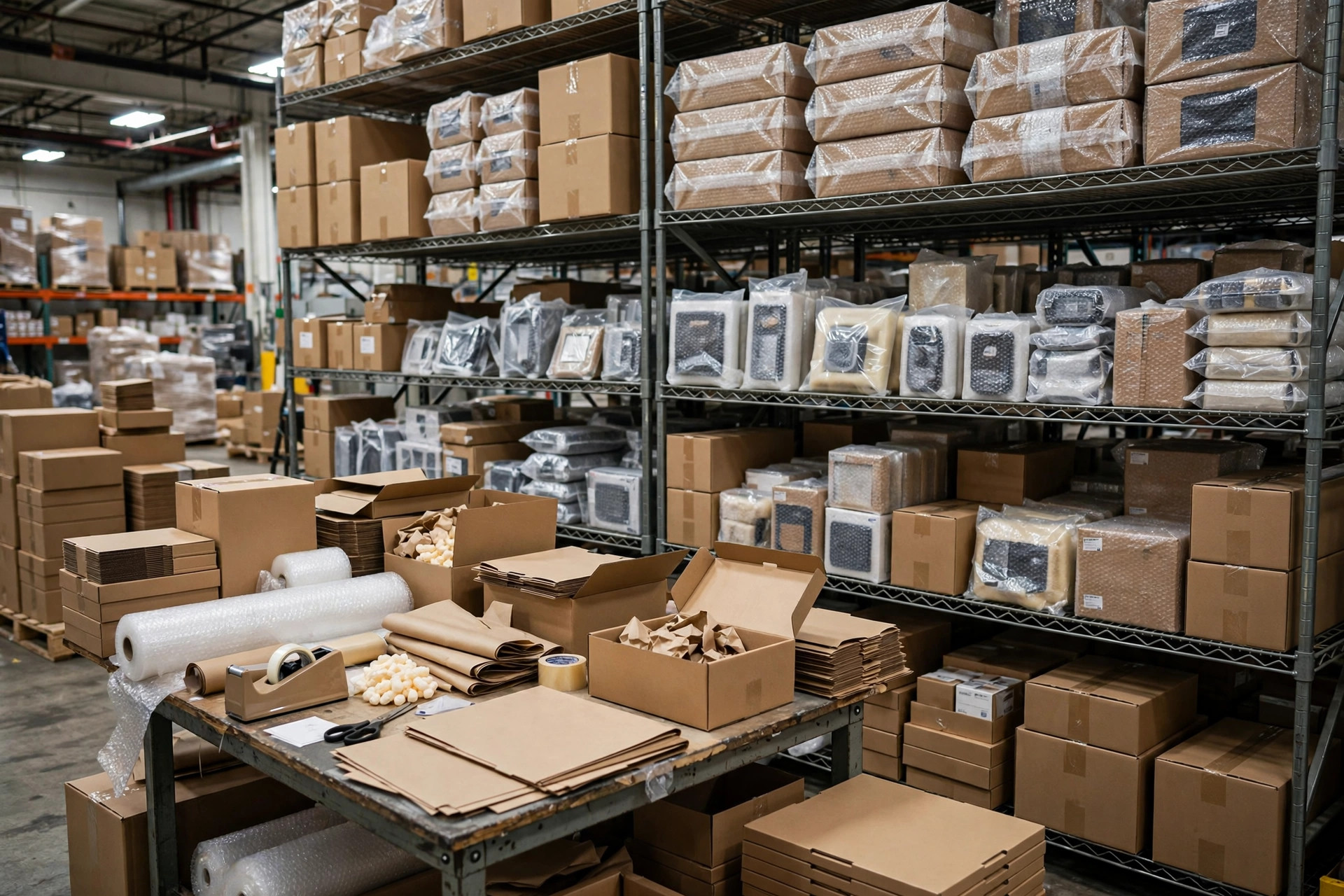
I ran the math on 500 returned units across four disposal paths:
| Path | Recovery / cost | Speed |
|---|---|---|
| Disposal | Pay removal fee per unit, total loss | Immediate |
| Liquidation channel | Roughly 10–15% of new price | 1–2 months |
| Grade and Resell | Avg $11.20 recovered per unit (~37% of the $29.99 new price) | Sold gradually, 214 units in 3 months |
In three months, 214 used units sold at an average of $18.99, recovering $2,400. Money I had previously been throwing away.
Two surprise bonuses. First, used orders run almost entirely on organic traffic — near-zero ACoS, versus 28% ACoS on my new units. Those 214 orders carried a higher profit margin than the new ones. Second, these units were headed for removal; replacing them with fresh stock would have meant another 30–45 days of lead time and inbound. Reselling them as used effectively restored that inventory's selling window — and staying in stock through peak season is worth more than any single metric.
The Counterintuitive Part: Do Used Offers Cannibalize New Sales?
A little. But they cannibalize sales you were going to lose anyway.
My data: after enabling used offers, new-unit conversion dipped from 11.3% to 10.8%, but the 214 used orders more than made up for it — total gross profit went up. Used buyers and new buyers are simply different people. One group is price-driven; the other wants the new-unit guarantee. If you don't sell them a used unit, they'll buy a competitor's used unit, or buy nothing at all.
Here's the trade-off, and it matters: don't run this on your hero SKU. A bestseller's new-unit conversion is precious — half a point of movement is real money. Run Grade and Resell on your return-heavy, long-tail SKUs, where the downside is capped and every recovery is found money.
Three Grade and Resell Pitfalls I Already Stepped In
Pitfall one: you don't control Amazon's grading. Amazon decides what counts as Like New. If the buyer disagrees, the negative review lands on your account. My Acceptable grade hit a 31% return rate, so I shut it off and now only run Very Good and above. Amazon grades; you take the blame.
Pitfall two: this won't rescue a high-return SKU. If your return rate is above 25%, fix the listing, the product, and the manual first. Grade and Resell is a tourniquet, not surgery — it stops the bleeding but doesn't cure anything, and every resold defective unit costs you reputation.
Pitfall three: used orders carry the same customer-service and A-to-Z exposure as new ones. Same return policy, same review risk. Don't go hands-off just because the units are used.
This one genuinely worked for me. Returns went from a pure cost line to a profit line — $2,400 recovered in three months. Search "Grade and Resell" in Seller Central, check whether your category is eligible, and test it on one return-heavy SKU before scaling up.
By Ah K, E-commerce Seller (5 yrs)