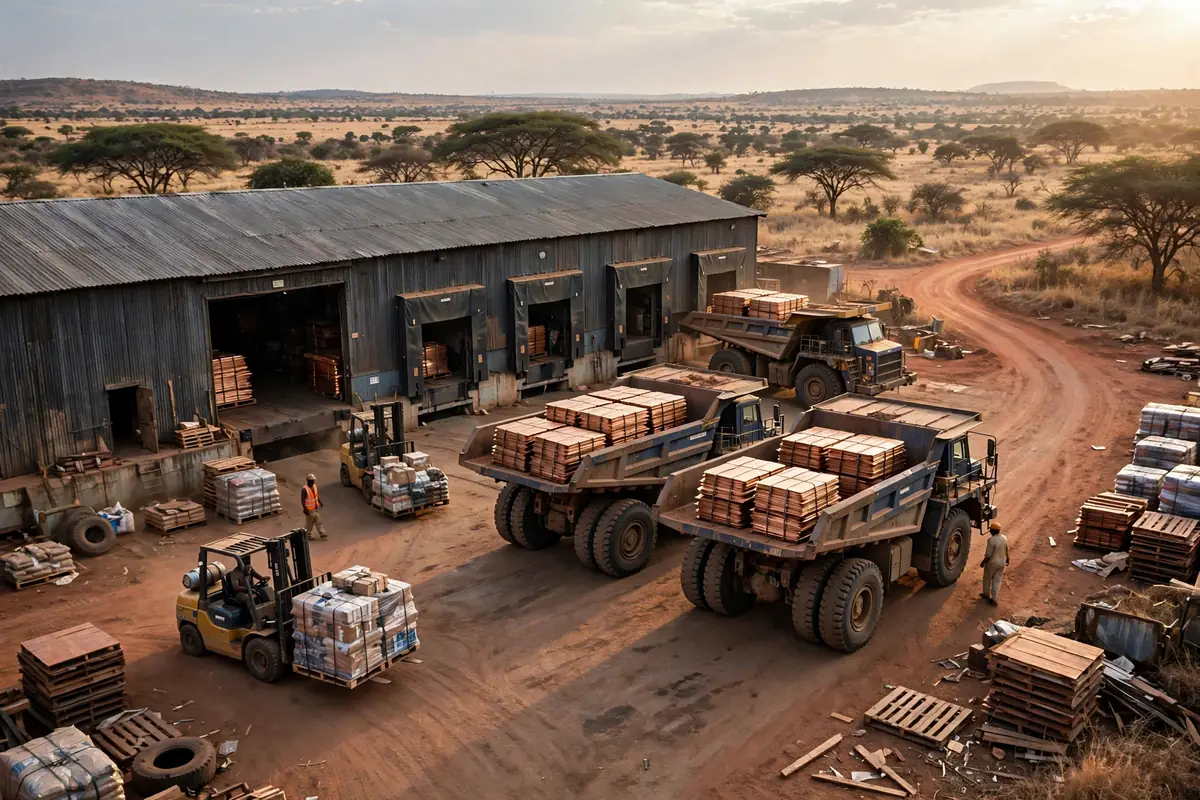
Anyone studying zambia lusaka warehouse logistics should start by dropping the coastal template, because Lusaka does not earn its place in the network by being close to the sea. It earns it by sitting where three flows cross: supplies moving north toward the Copperbelt, consumer goods fanning out to provincial markets, and cross-border trucks that need documentation, staging, and dispatch discipline in one place. When those flows overlap in a single inland node, the warehouse stops being a storage box and becomes a buffer against uncertain transit time, and that single shift in definition changes how site selection, stocking depth, and corridor choice should all be evaluated.
Lusaka warehouse flows: supplies go north, consumer goods spread out
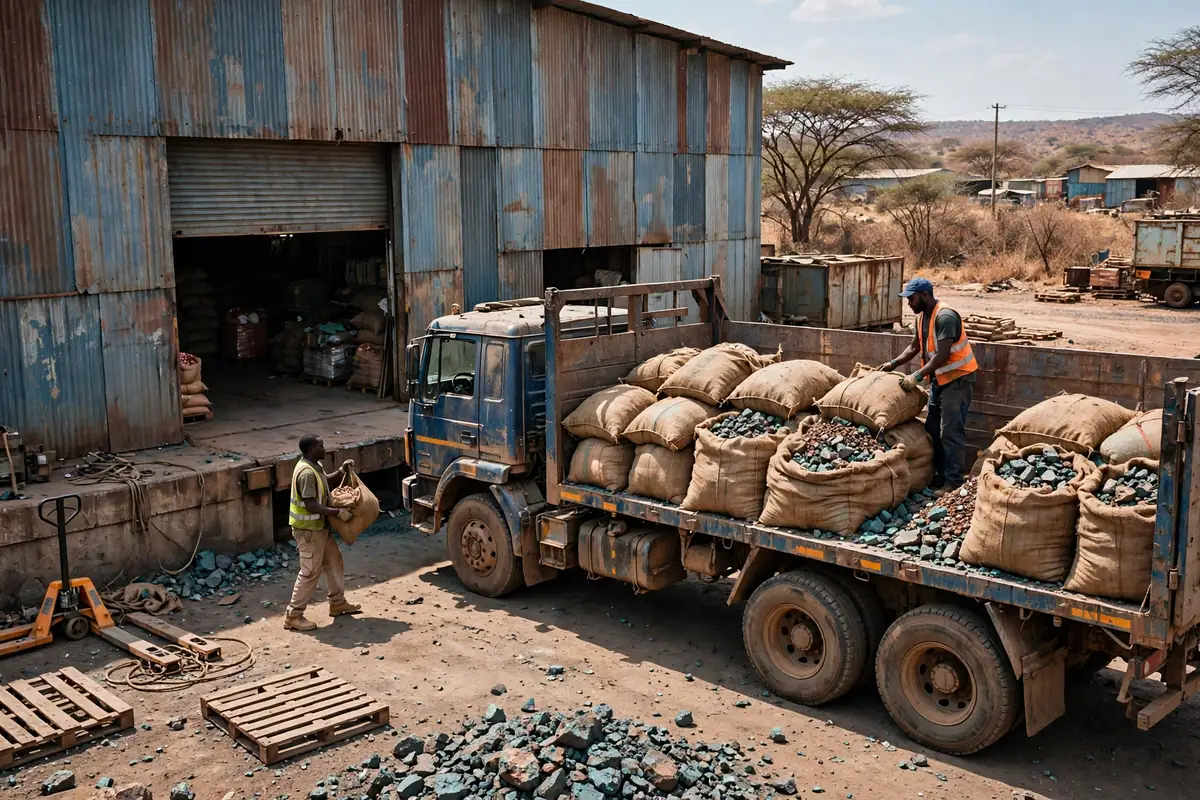
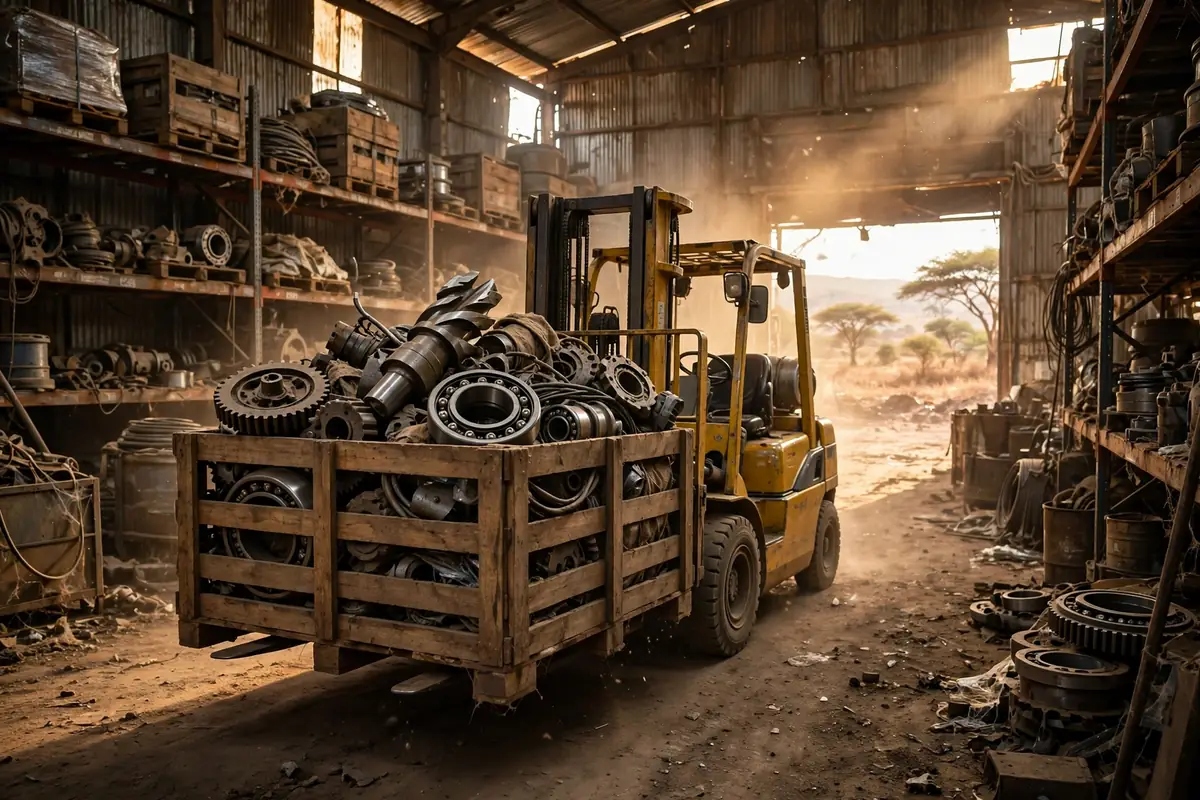
The first pattern visible in the data and in field interviews is asymmetry. Mining supplies, spare parts, and industrial consumables tend to be cleared, broken down, and consolidated in Lusaka before moving north in smaller, sequenced loads that match how mines actually consume them. Copper output moves in the opposite direction toward the sea, and while the metal itself rarely sits in a general warehouse for long, the trucks, paperwork, and staging behind those movements lean heavily on Lusaka's organizing capacity. The warehouse, in other words, is often a transport coordination asset first and a storage asset second.
A case reviewed in 2023 illustrates the point. An equipment supplier serving Copperbelt customers first placed its stock in a cheaper industrial area far from the main northern road junction, reasoning that lower rent would dominate the cost picture. In practice, trucks lost so much time reaching the northbound route that the rent saving was consumed by poor vehicle turnaround and missed consolidation windows. After relocating closer to the ring road connection, unit rent rose, yet total fulfilment cost fell because dispatch became predictable. The lesson generalizes: at an inland node, road junction quality frequently outranks rent, because time uncertainty, not space, is the scarce resource.
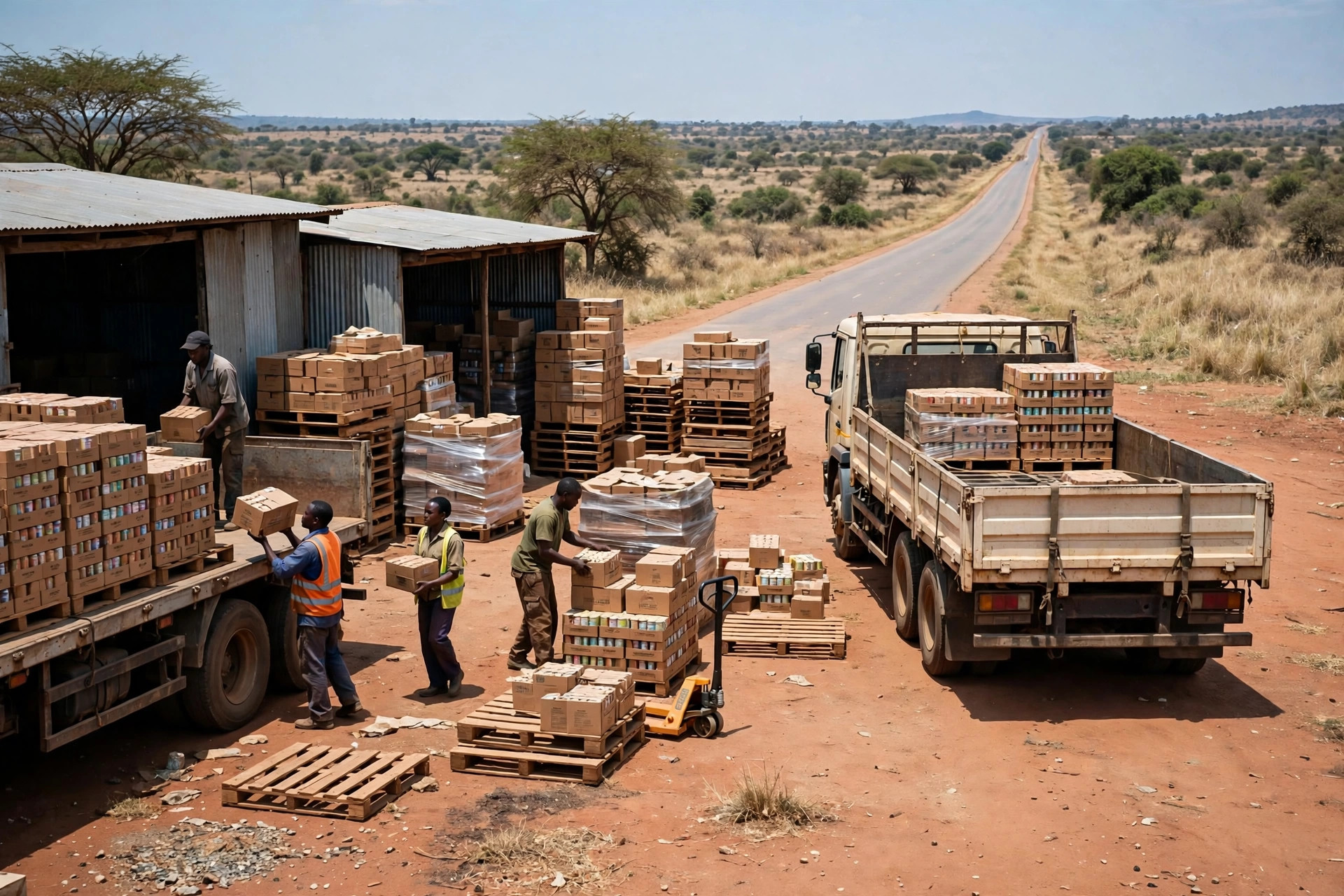
Consumer distribution shows the mirror image. During a 2024 visit to a distribution site east of Lusaka, recorded as field notes rather than statistics, managers described building stock ahead of the rainy season, when road conditions make lead times harder to promise. From a spreadsheet view, that pre-positioning looks like excess inventory. From an attribution view, it is a rational purchase of certainty: traders pay holding cost in the warehouse to avoid stock-outs when the road, not the supplier, becomes the bottleneck.
Zambia logistics corridors: Dar es Salaam versus Durban is the wrong question
Corridor debate often gets framed as a binary choice between the northern route toward Dar es Salaam in Tanzania and the southern route toward Durban in South Africa. The evidence available from industry reporting and operator interviews suggests a more conditional picture. The northern route is geographically closer to the Copperbelt, but its transit performance is more sensitive to congestion and processing variation along the way. The southern route is longer, yet it benefits from deeper carrier capacity and richer backhaul, which can produce steadier planning assumptions for some cargo types. Rates, border procedures, and port conditions change frequently, so this article deliberately avoids fixed fee or tax figures; any live decision should be checked against the latest carrier and authority publications.
The following hypothetical example shows the comparison method only. Every figure in the table is a hypothetical example, not a real quotation:
| Factor (hypothetical example) | Northern corridor | Southern corridor |
|---|---|---|
| Distance | Relatively shorter | Relatively longer |
| Lead-time variability | Assumed higher, needs more buffer days | Assumed lower, easier to plan |
| Better suited cargo | Mine supplies backed by buffer stock | Planned, steady-volume consumer goods and equipment |
| Decision focus | Absorb variability with Lusaka stock | Use schedule stability to cut safety stock |
The counter-intuitive conclusion is that the shorter corridor does not automatically win on total cost. Higher variability forces the shipper to hold an extra layer of safety stock in Lusaka, and the capital and rent tied up in that layer can consume part or all of the freight saving. The correct comparison is therefore freight plus inventory carrying cost plus stock-out risk, not freight alone. That is why experienced operators keep both corridors alive and split cargo by type and season instead of betting the whole volume on one line.
In practice, zambia lusaka warehouse logistics corridor assumptions should be retested every quarter, because once corridor conditions shift, the stocking depth built on old assumptions expires quickly. A second case, an agro-input distributor discussed in a 2022 planning review, makes the same point from the demand side. Its fertilizer volume was intensely seasonal, and a stock-out in the weeks before planting meant losing a season, not an order. The firm moved base volume early through the steadier corridor into Lusaka storage and reserved the shorter corridor for flexible top-up orders. The combination did not eliminate uncertainty; it assigned each corridor the job it was structurally better at doing.
Stocking depth is the real variable in zambia lusaka warehouse logistics
Pulling the attribution together, the central variable in zambia lusaka warehouse logistics is the match between stocking depth and transit variability. In a coastal warehouse, depth is mainly a function of order density. In Lusaka, depth is first a function of how much lead time can swing, and only second a function of demand, which means a replenishment model imported unchanged from a port city will systematically understock in peak season and overstock in the off-season.
Three trend lines deserve monitoring. First, continued investment discussion around Copperbelt production supports medium-term demand for northbound supply distribution, and no single border warehouse plausibly replaces Lusaka's organizing role. Second, if corridor reliability keeps improving, required safety stock can come down, and competition among Lusaka operators will shift from floor space toward turnaround speed and documentation quality. Third, consumer distributors are quietly raising the data bar, folding rainy-season patterns, border queues, and truck backhaul availability into replenishment planning earlier than they did a few years ago.
For a new entrant, the practical sequence is therefore reversed compared with coastal practice: measure corridor variability for your own cargo first, derive the stocking depth Lusaka must carry from that variability, and only then negotiate warehouse size and rent. Doing it backwards, signing a large facility and then adapting to the corridors, usually produces a building that is full, expensive, and slow at the same time. Whether that ordering still holds as corridors and mining investment evolve remains an open question worth testing against fresh operating data each season.
By Dr. Chen, Supply Chain Researcher