Three months after go-live, the dispatcher is still assigning doors by hand. That YMS was money thrown away.
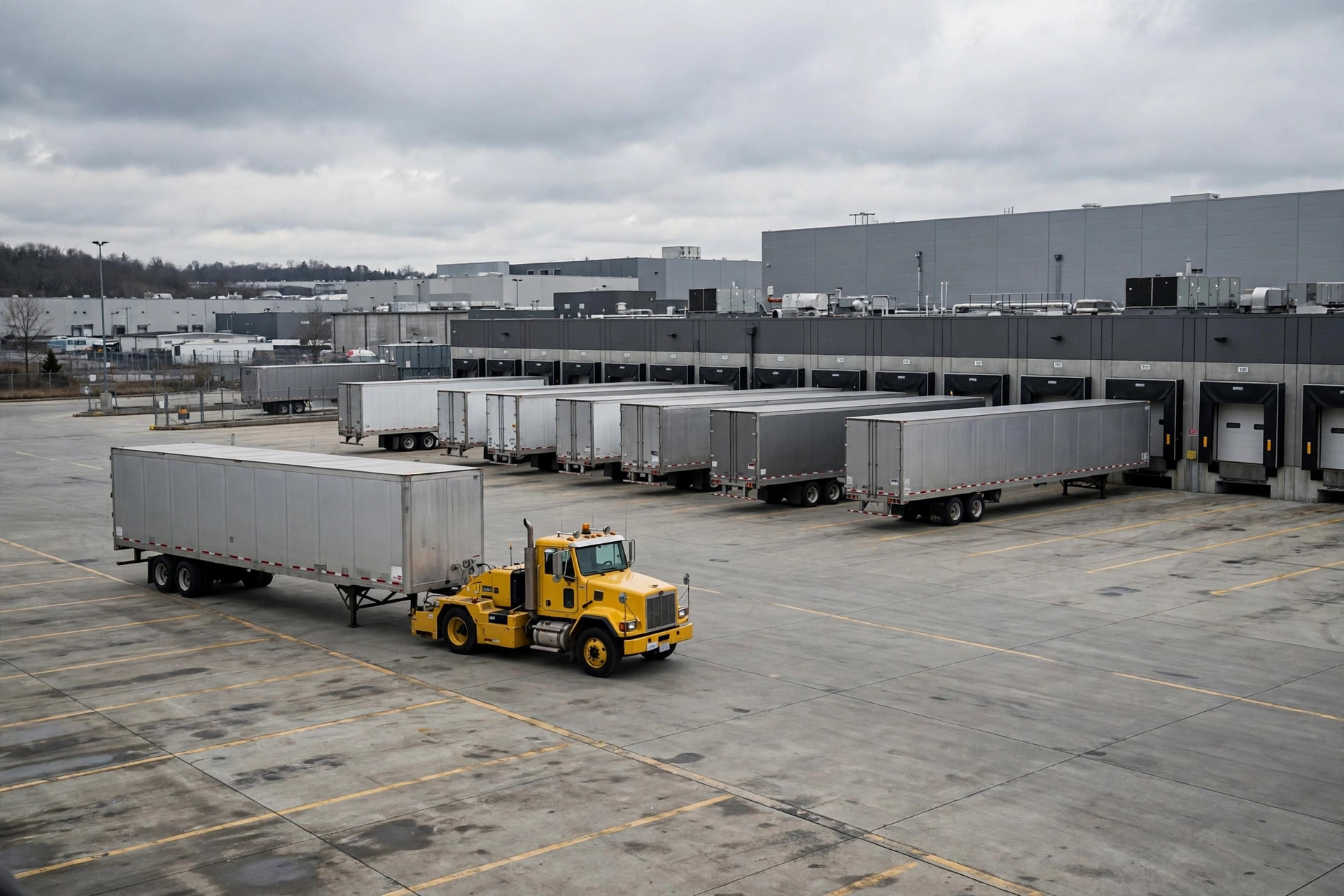
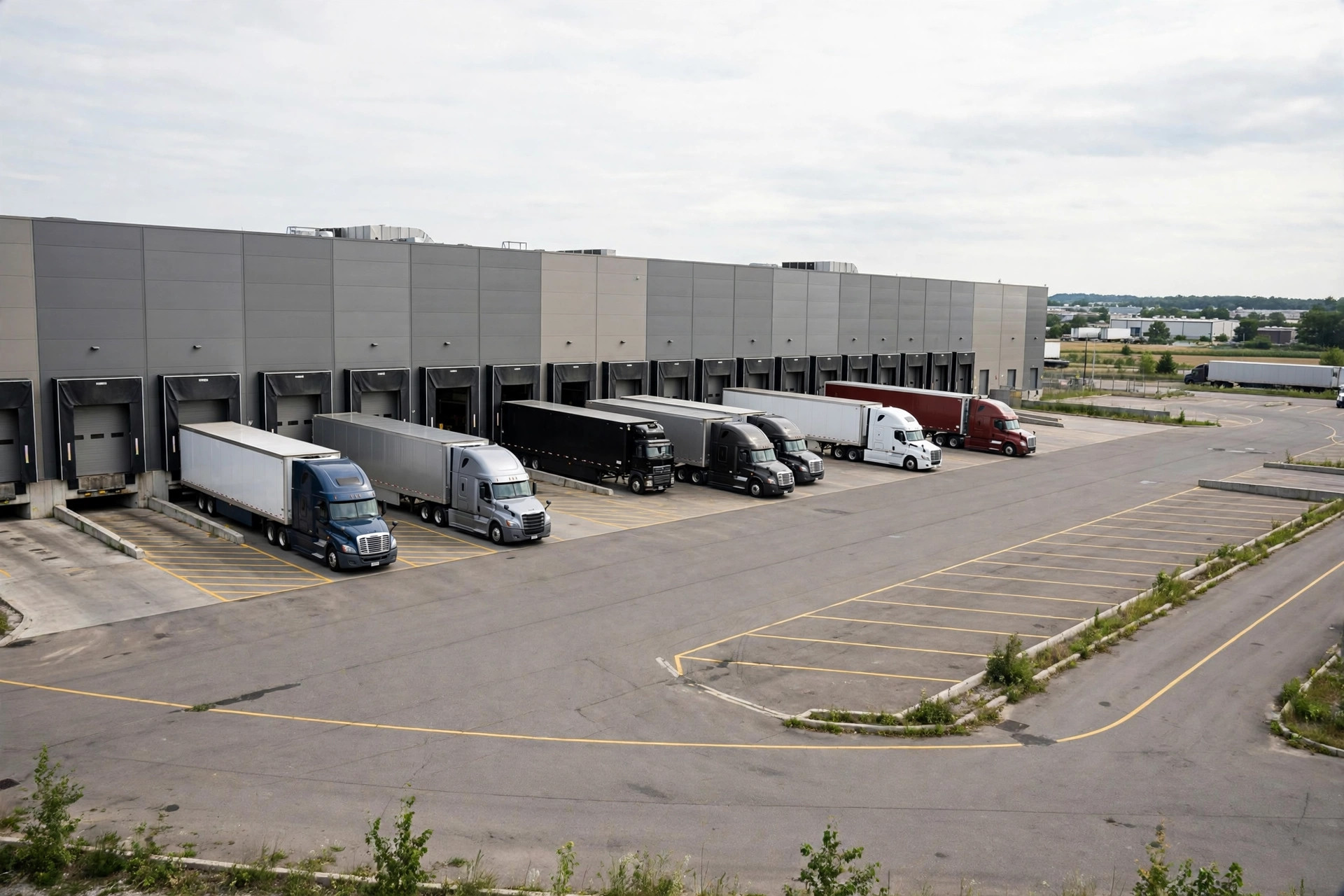
I walked into a 380,000-square-foot apparel 3PL in Fontana, California back in 2023 — 52 dock doors, a full YMS suite that had been live for half a year. And there it was: a handwritten door schedule on the whiteboard in the dispatch office. The veteran dispatcher spent ninety minutes every morning assigning doors, and one late driver in the afternoon blew the whole plan up. The owner asked me whether they had bought the wrong system. They hadn't. They had skipped the hardest part — the door-assignment rules never made it into the system. It is like bolting an engine onto a chassis with no wheels.
What manual door scheduling actually costs you
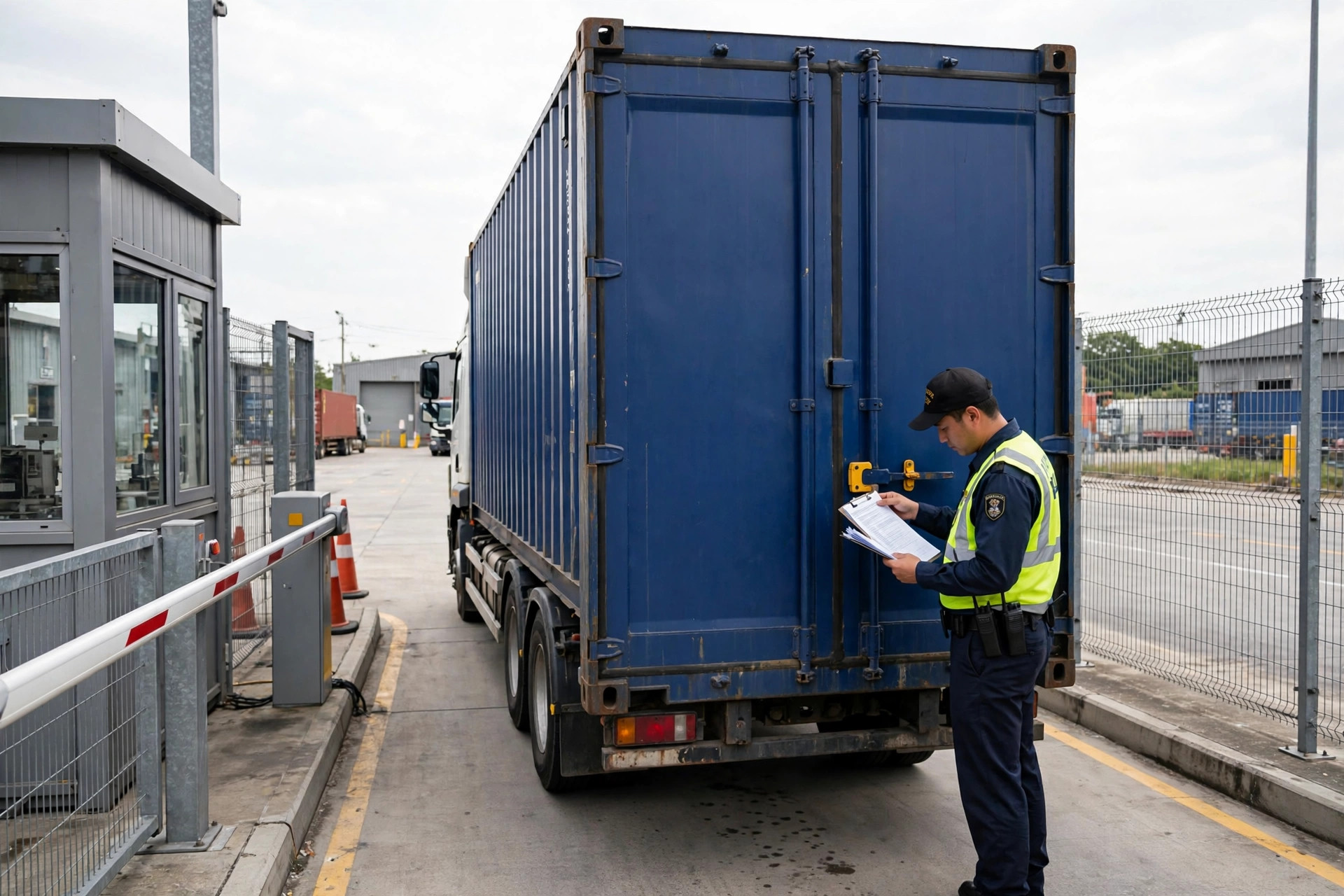
The first cost is favoritism dressed up as experience. That dispatcher had nine years at the site (approximate, from my observation). He knew which drivers were easy to deal with and which shippers were difficult, and he scheduled accordingly. Doors went to relationships, not to efficiency. In peak season, friendly carriers always got the doors closest to staging while new drivers sat outside the gate for two hours. During the 2022 peak, the average gate wait at that site hit 3.5 hours (approximate), and I saw the detention invoices — $750 a pop (approximate).
The second cost is cross-contamination. Apparel is forgiving; food, chemicals, and temperature-controlled freight are not. One wrong door assignment can mean a rejected load. I have seen a food distribution site in Rialto assign a reefer to a dry dock. The driver waited forty minutes for the door to clear, the temperature logger alarmed, and the shipper rejected the entire trailer. No dispatcher can keep track of which of 52 doors have reefer power plugs in their head.
The third cost is that the knowledge walks out the door with the person. The veteran took three days off. His replacement misassigned everything: drop trailers sent to doors that cannot take them, liftgate trucks sent to doors with no dock leveler. Manual scheduling lives entirely in one person's head. Nothing is captured as system rules, and that is the most expensive hidden cost of all.
The four rules that actually run a door plan
I break door assignment into four rules, in priority order, configured one by one in the system.
Rule one is commodity grouping. Food, temperature-controlled, chemicals, general merchandise, high-value goods — each gets its own door zone. Reefer doors need power pedestals and dock seals. Chemical doors stay clear of the food zone with at least a fire lane between them. High-value freight goes to doors under camera coverage. This rule is a red line. One misassignment here can wipe out half a year of dispatcher labor savings.
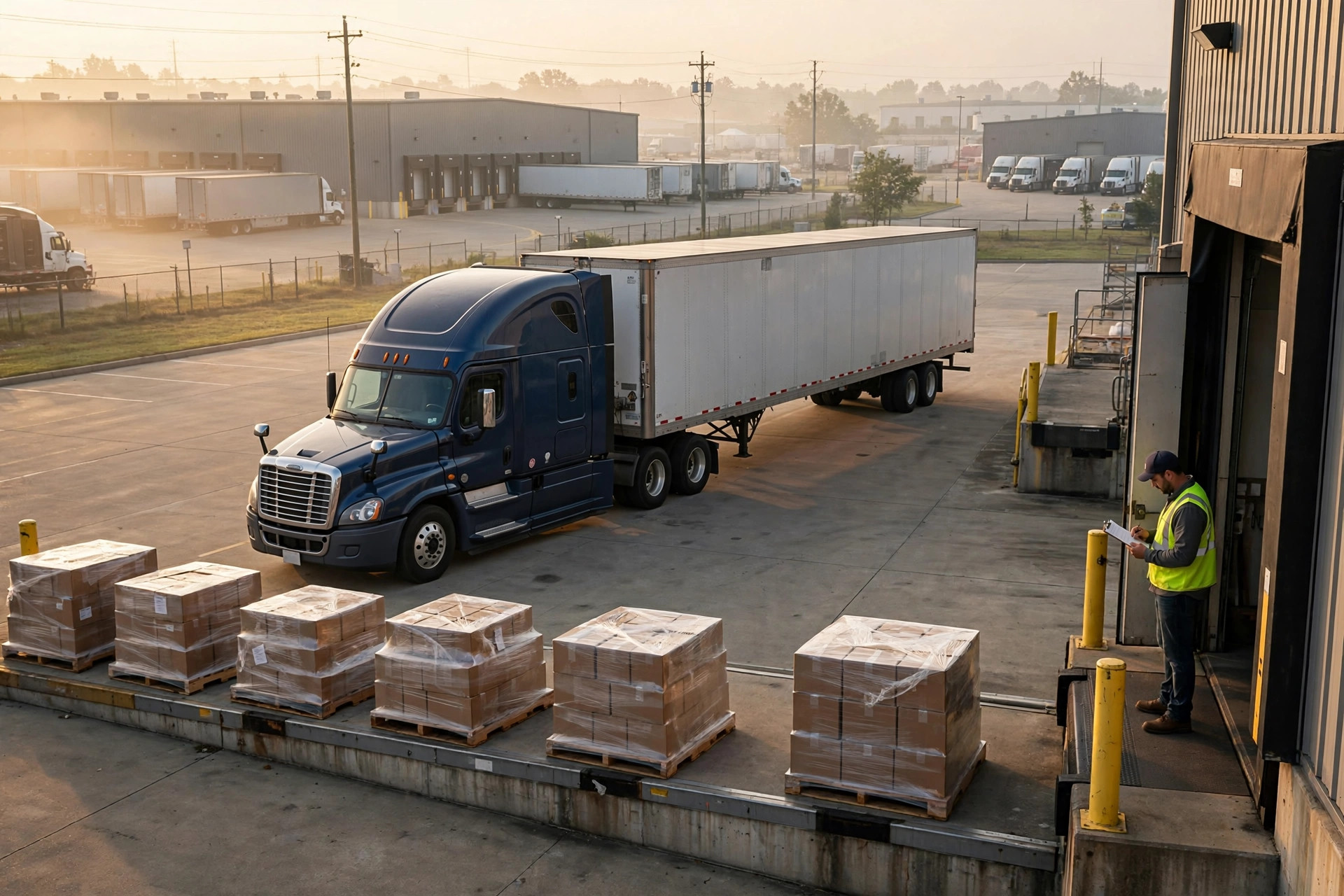
Rule two is direction and handling mode. US domestic freight runs on direction: eastbound linehaul and westbound regional delivery use different yard entrances, so doors should sit near the right flow to cut yard turns. Handling splits into live load (driver waits) and drop (hook and go). Drop trailers belong at perimeter doors off the main lane. Live loads go near the receiving and shipping offices so paperwork moves fast.
Rule three is priority. When doors run short in peak season, the rules must know who goes first: JIT customers (think automotive line-feed) and high-frequency key accounts get locked time windows, routine replenishment yields. Priority should tie to the SLA in the contract — customers with steep late penalties go first. It sounds blunt, but this is business.
Rule four is equipment fit. Liftgate trucks, over-dimensional specialty trailers, doubles — each can only use certain doors. The door master must record clear height, door width, drop-trailer capability, and floor load rating. Get this wrong and the truck shows up, cannot get in, the door sits empty, and the driver circles the yard.
Stack these four and you have to accept the trade-off: the tighter you lock doors into commodity groups, the safer the freight, but the higher the idle-door rate. Peak season, the food doors are slammed and the general-merchandise doors sit empty — do you hold the line or flex? My answer is a floating pool of about 20% of doors (approximate): normally locked to commodity groups, releasable across groups during crunch with a supervisor's approval. Rules too rigid starve you. Rules too loose make a mess. The floating pool is the buffer.
Before automation, build two clean master tables
This is where most projects die. A YMS rules engine does not run on experience. It runs on data, and two tables have to exist first.
One is the door master. One row per door: zone, compatible commodities, temperature band, reefer power availability, clear height and width, drop-trailer support, distance to staging, preferred carriers, maintenance status. I have seen too many sites where this table is empty — 52 doors all marked "available" in the system, which is the same as having no table at all.
The other is the appointment master. Every appointment must carry commodity, temperature requirement, handling mode, equipment type, time window, and a priority tag. Shipper-provided appointment data routinely arrives with missing fields. Plan on spending the first two months after YMS go-live running a disciplined process to fill the gaps, or the rules engine will keep kicking everything to manual with "insufficient data" — which means you never really went live.
Do not expect the data-prep phase to take less than six to eight weeks (approximate). At the Fontana site I had them run two months of shadow scheduling: the system assigned doors automatically, the dispatcher assigned them manually, and they compared the difference daily. The mismatch rate fell from 40% in week one to 8% in week eight (approximate figures) before we dared to cut over. Those two months looked slow. They were actually feeding the system its experience.
Exceptions handled well are what make the system real
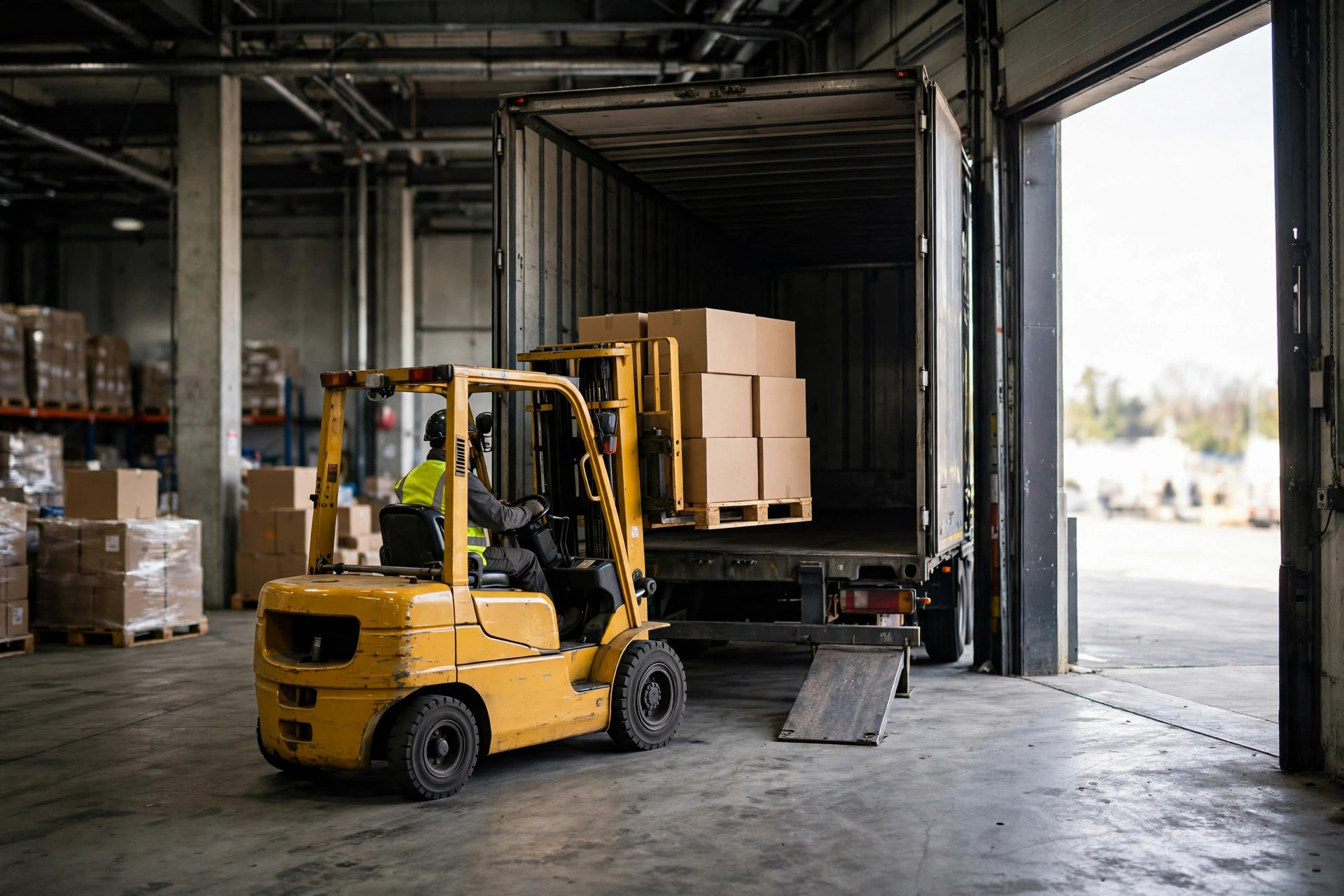
Automatic door assignment does not fail on bad rules. It fails on unmanaged exceptions. Late drivers, early drivers, a door going down, last-minute commodity changes, carriers swapping equipment — those five cover roughly ninety percent of daily exceptions (approximate).
My approach is a fixed playbook per exception. Driver late under 30 minutes, the door holds. Over 30 minutes, the system releases it, reassigns, and the driver takes a new number. Early arrivals take the door if it is open, otherwise wait in the holding area — no cutting the line. A broken door triggers automatic rollover of its next four hours of appointments to floating doors in the same group, plus an alert to the dispatcher. A commodity change requires a supervisor to edit it in the system and run approval before reassignment — this one never gets relaxed, because relaxing it is how people route around the commodity red line.
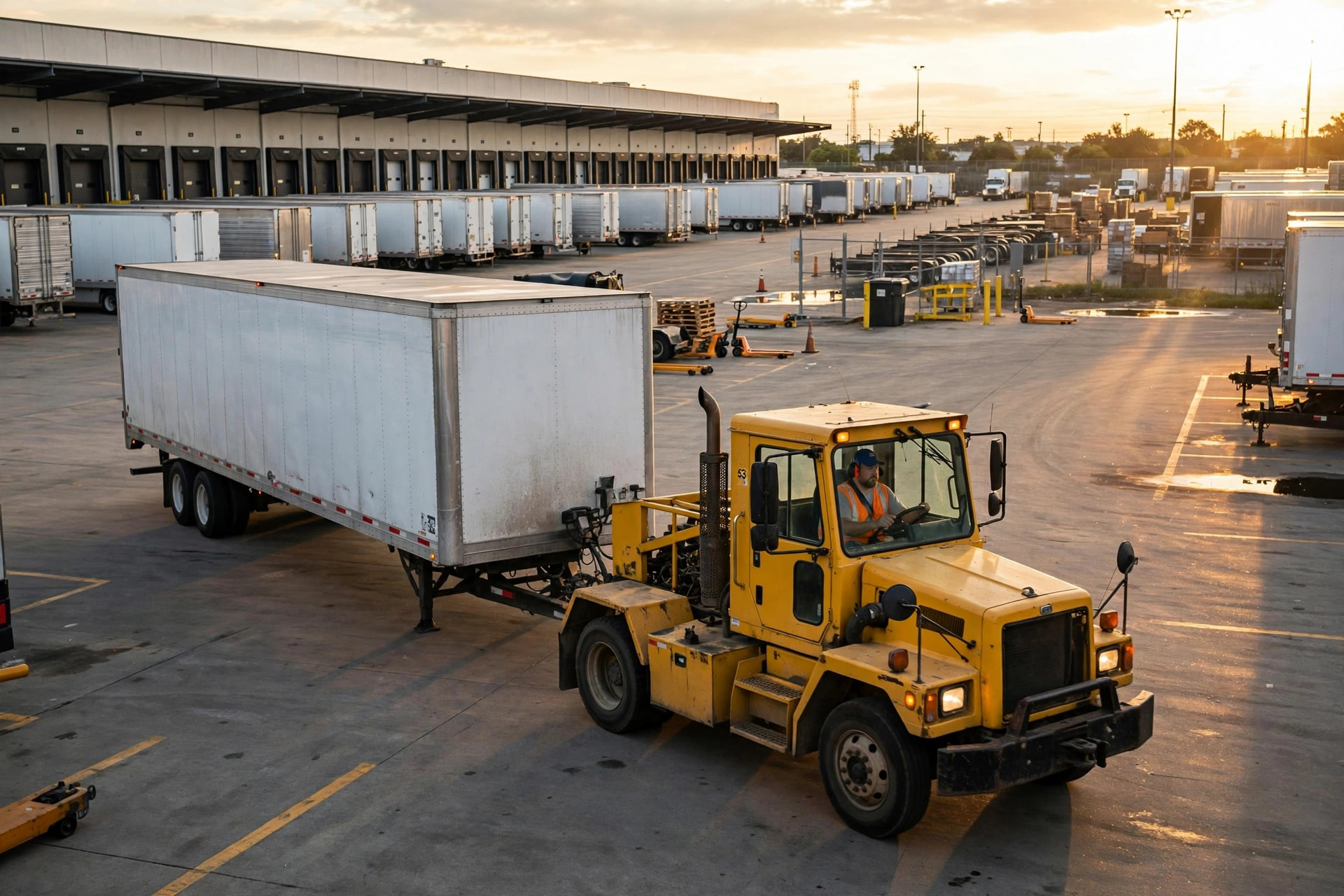
One more thing people forget about exceptions: notification. After a reassignment, the driver, the receiving team, and the shipper all need the new door pushed to them. The Fontana site initially reassigned without notifying anyone. Drivers drove to the old door, found it empty, and came back furious. That is a process design failure, not a system failure. And a practical detail for larger yards: if you run more than 40 doors, budget for a yard jockey — one truck plus driver runs roughly $80,000 to $100,000 a year (approximate) — dedicated to repositioning drop trailers per system instructions. Without it, drop-mode door plans fall apart waiting on outside drivers to move trailers.
I will say something unpopular to close: when YMS projects fail, eight times out of ten it is not the wrong software pick. It is that nobody wanted to do the hard work of door-assignment rules. Before the rules go into the system, extract the veteran dispatcher's experience and turn it into those four hard rules and two master tables. It is dirty, tedious work. But once it is done, the doors assign themselves, and the dispatcher finally gets to do actual dispatching — managing exceptions instead of working as a full-time door clerk.
Go-live checklist
- Door master completeness: every door tagged with compatible commodities, temperature band, equipment interfaces (reefer power, drop support, clear height), and preferred carriers — fill the blanks before talking about automation
- Pull two weeks of appointment history and compute two numbers: average gate wait time and door idle rate (approximates are fine) — if either looks ugly, door assignment is your bottleneck
- Pilot automatic assignment on 20% of doors first, run six to eight weeks of shadow scheduling against manual plans, cut over fully only when the mismatch rate drops under 10%, with all exceptions routed to manual handling