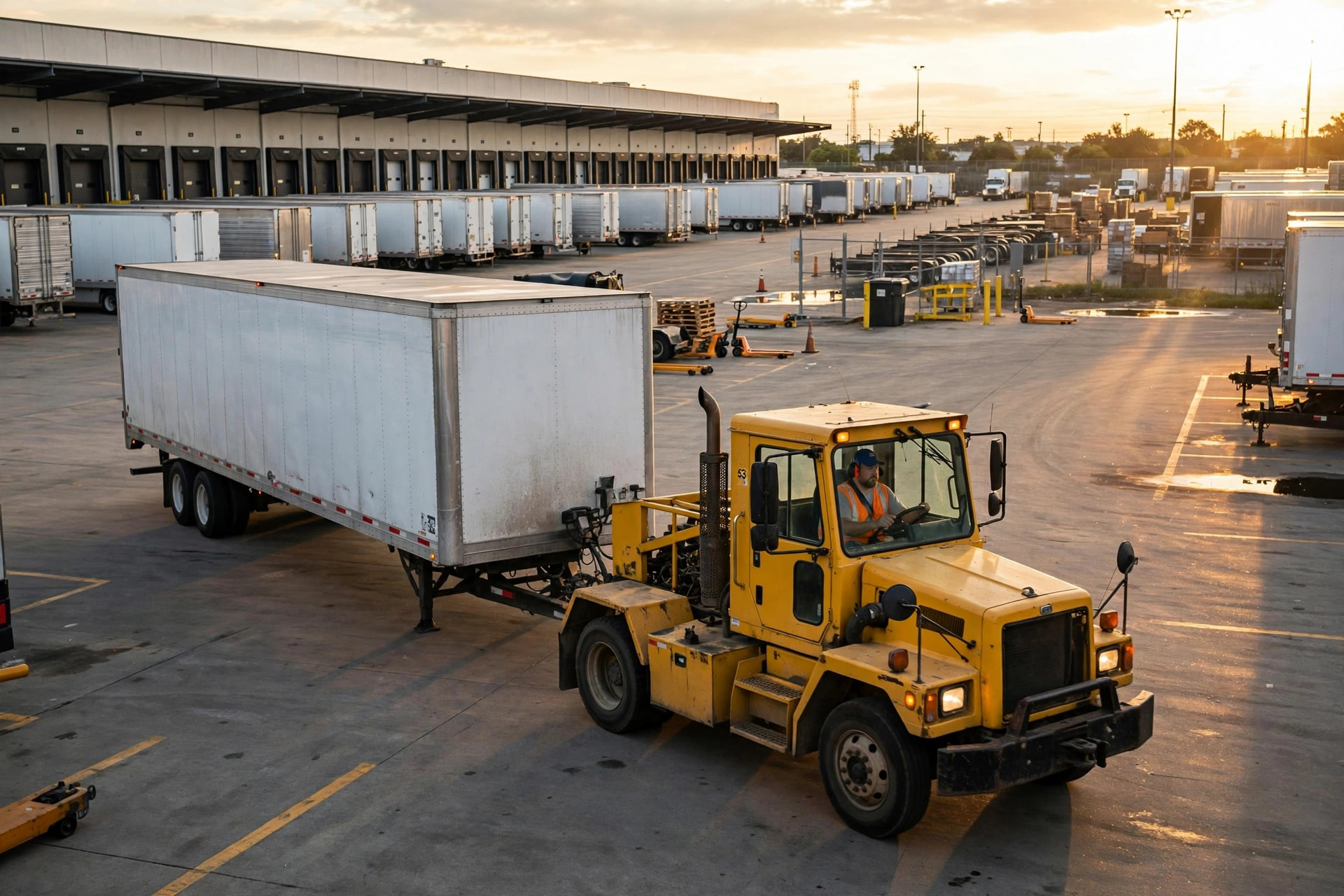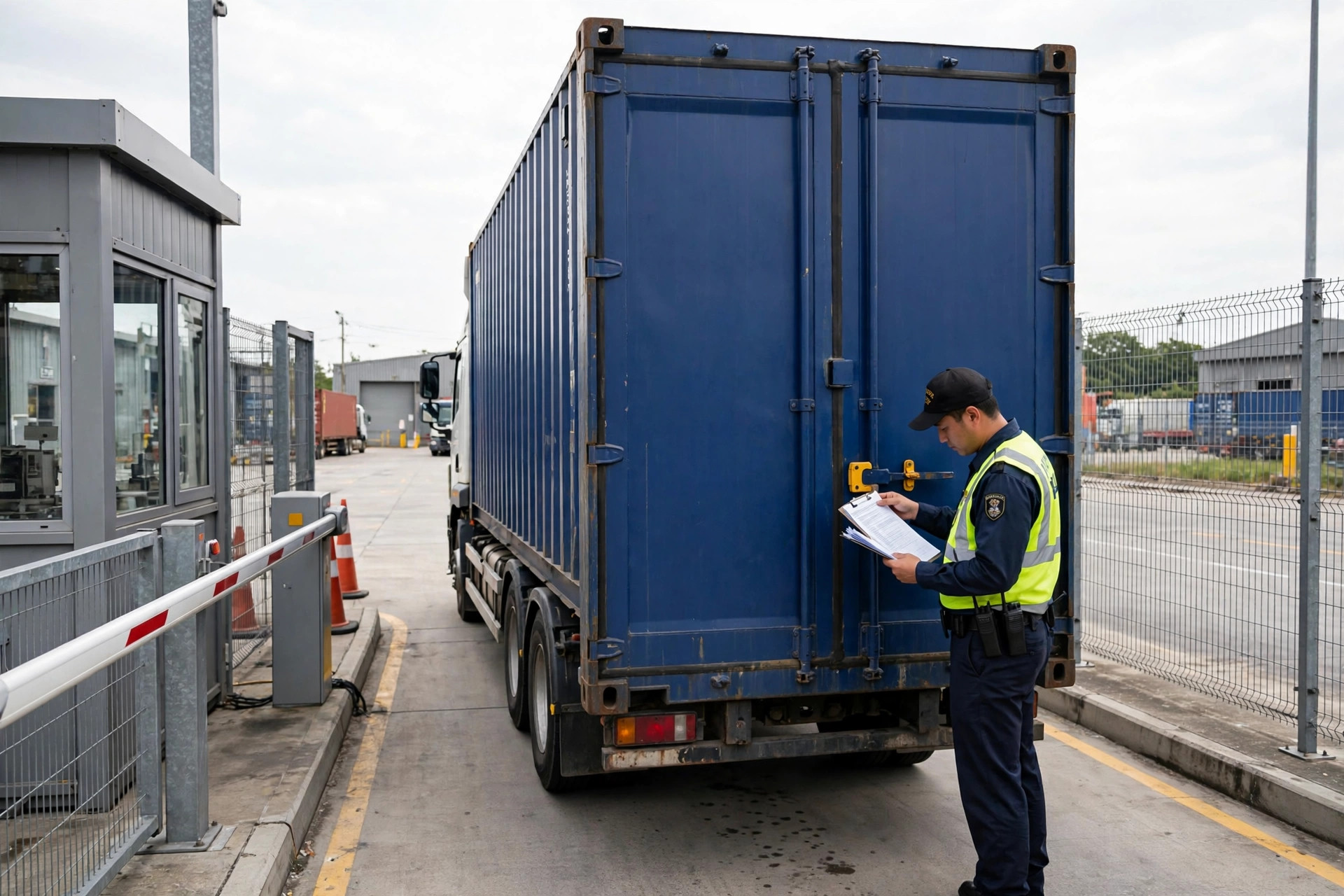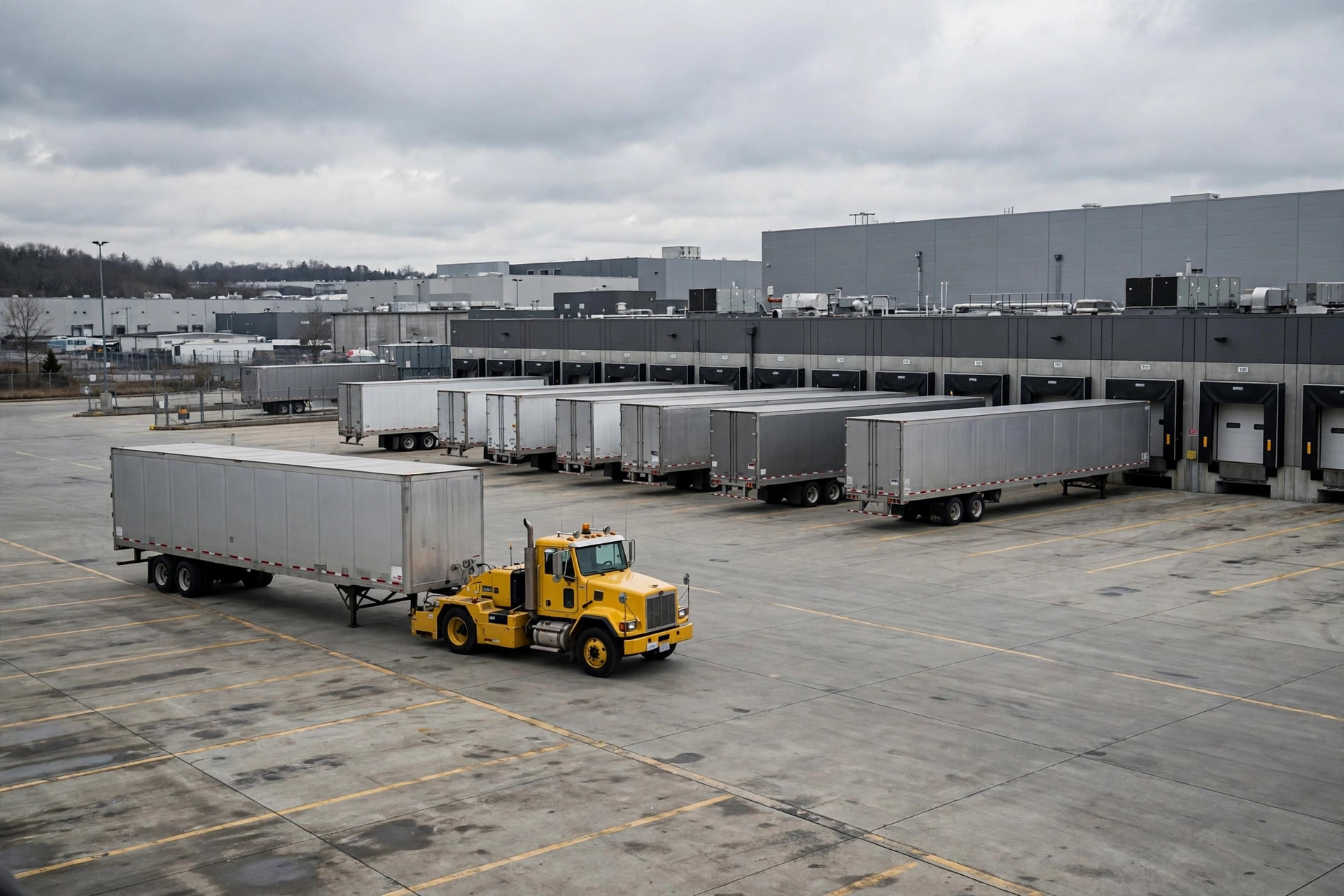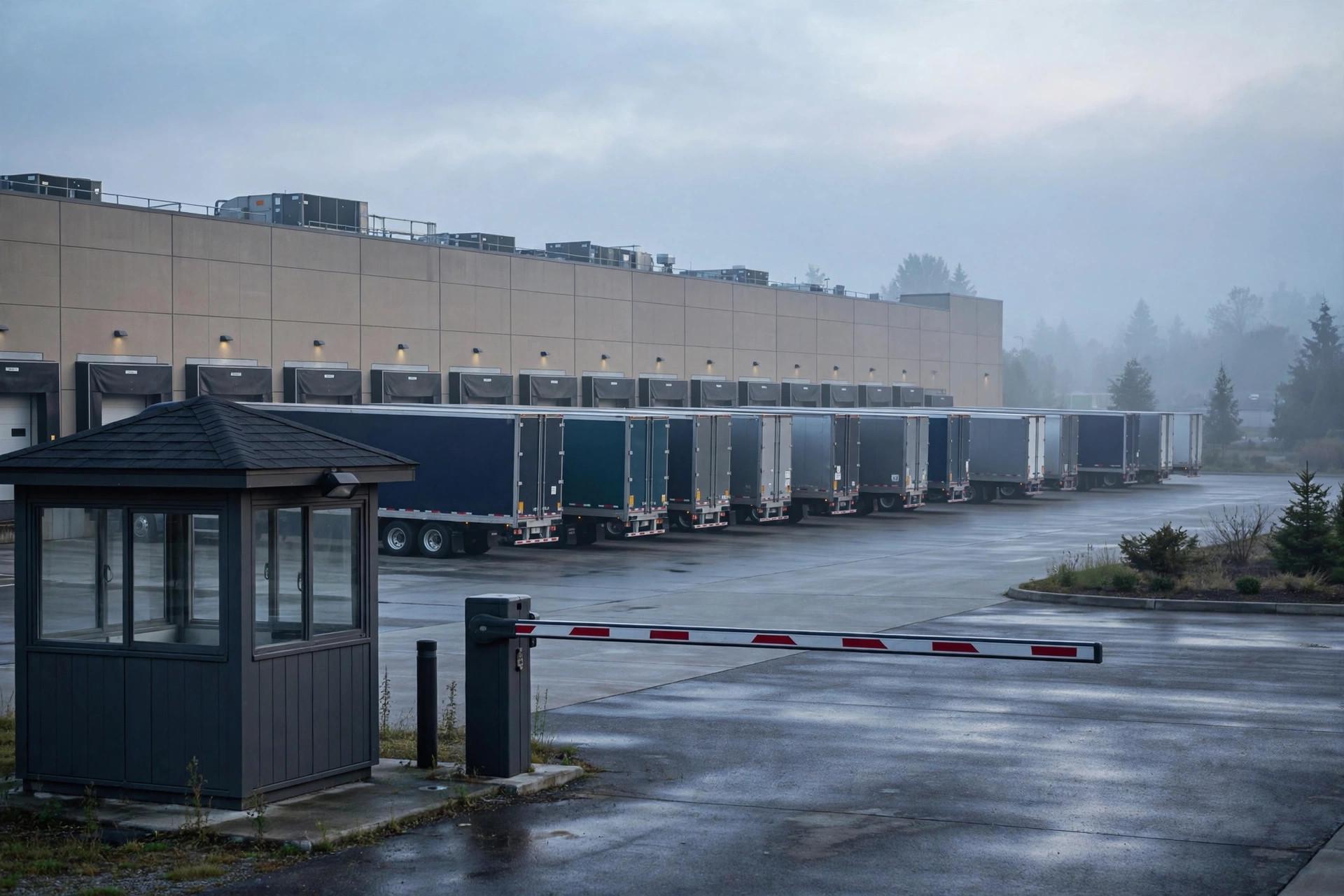
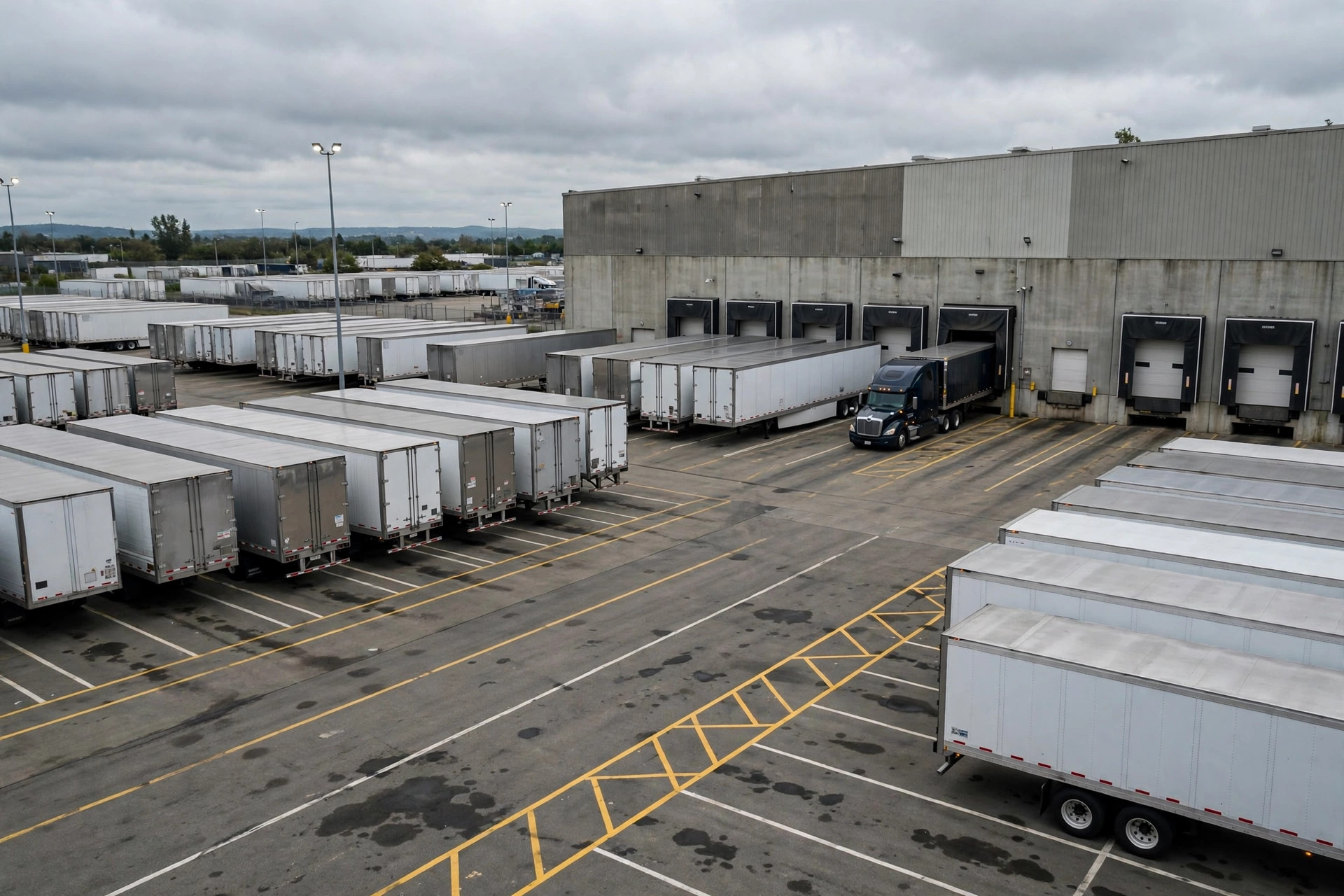
Last October I visited a 3PL warehouse in Riverside, California — 280,000 square feet, 36 dock doors, well over a hundred trucks a day in peak season. I got there at 3 p.m. and more than a dozen rigs were already lined up outside the gate, drivers waiting in their cabs with engines off. The warehouse manager told me about half the trucks in that line had no appointment at all. Meanwhile, several carriers that had booked morning slots simply never showed up — docks sat empty while the unload crew stood around. His words: "My docks are built for the carriers who play by the rules. And the ones playing by the rules are the ones stuck in line."
I've heard some version of that speech at warehouses from New Jersey to Southern California. Any facility with real dock volume has this disease; only the severity varies. A no-show looks like a carrier problem on the surface. Dig one layer down and the roots are usually in the warehouse's own backyard.
Whose fault is the no-show, really?
Start with the carrier side. Truck drivers schedule their day around squeezing in as many loads as possible. Two or three stops a day is normal; whichever facility unloads fast gets visited first, whichever is known for long lines gets pushed back. Your appointment slot is a suggestion, not a commitment — if the previous stop runs long, the driver would rather no-show than call ahead, because in most yards there is no penalty for silence. Information gaps are the norm: the dispatcher booked 10 a.m., the driver's dispatch sheet says "afternoon," and neither side knows what the other wrote.
But warehouses don't get off the hook. I've seen appointment windows set by pure guesswork: one hour per slot regardless of commodity or equipment type. A reefer that needs temperature verification and a mixed floor-loaded dry van do not unload in the same hour. Slots cut too tight and the carrier can't finish; slots cut too loose and the dock sits idle. Even more common: the appointment system exists on paper only — no confirmation after booking, no reminder before arrival. The driver books and forgets. Whose fault is that?
Then there's the accountability vacuum. Plenty of warehouses keep no record of no-shows at all. Show up, you're a guest; don't show up, no harm done. Carriers are rational actors — they know exactly which facilities are easy to blow off, and yours might be one of them. Zero-cost no-shows breed more no-shows. I've watched managers complain about the same three carriers month after month while doing absolutely nothing to change the math for them.
If you crack down, won't carriers just stop coming?
Every warehouse manager wrestles with this, and here's the honest answer: yes, some will.
I know a facility that started charging carriers a no-show fee — tens of dollars per miss, per their contracts. Three months in, the no-show rate genuinely came down. But two small long-time carriers stopped taking that facility's loads altogether. They run tight fleets with no scheduling slack; they'd rather serve a lenient yard than risk the fee. That's the trade-off nobody likes to talk about: squeeze too hard and capacity walks away; stay too loose and the dock gridlocks, the compliant carriers suffer, and eventually even the good ones stop coming.
My verdict: have consequences, but don't build a fine machine. The real value of a YMS appointment module isn't enforcement — it's putting the rules on the table where everyone can see them and the math is transparent.
Here's what actually works in practice.
Confirmation and reminders are the first line of defense. The carrier books a slot in the appointment portal, the system sends an automatic confirmation, another reminder a day ahead, and optionally one more two hours out. Don't underestimate those messages — a shocking share of no-shows is pure forgetfulness, or a dispatcher and driver who never synced. Reminders wipe that category out almost entirely. At check-in, use a QR code: the driver scans on arrival, the system stamps the actual arrival time, compares it against the booked slot, and late arrivals and no-shows surface instantly. No room for arguments at the guard shack.
Second, a no-show scorecard. Every carrier gets a record: total booked appointments, on-time arrivals, late arrivals, no-shows — all tracked automatically, no manual tallying. For the no-show rate itself I recommend this formula: no-shows divided by total booked appointments, with a 15-minute grace period. Inside 15 minutes counts as late, not a no-show; past 15 minutes with no advance reschedule counts as a no-show. Publish that definition on the portal's front page before you start scoring — never settle the math after the fact. And let carriers see their own scorecard in the portal. Transparency does half the enforcement work for you.
Third, carrier tiering. Grade carriers on the scorecard: the top tier gets priority booking and first pick of prime slots; the middle tier books normally; chronic no-show offenders get restricted — off-peak slots only, or bookings allowed just a day ahead. Tiers aren't a death sentence; they move up and down on a monthly recalculation, and the rules for moving up are published. Once carriers see that playing by the rules earns better slots, behavior changes fast. Rewards beat fines here, because you're offering something instead of taking it away. One more detail that matters: make self-service rescheduling easy in the portal. A carrier that can move its own slot with two clicks will reschedule instead of no-showing. Friction in rescheduling is a direct driver of no-shows.
Fourth, tie it to detention policy. When a driver shows up on time and your warehouse keeps them waiting two or three hours, detention pay is owed — tens to over a hundred dollars an hour is the common range, subject to the actual contract. And where contracts allow, no-show accountability can cut the other way too. But my advice: get your own detention math right and pay it promptly first. Only then do you have the standing to demand punctuality. A warehouse that unloads at a crawl has no business lecturing carriers about being on time. The facilities with the lowest no-show rates I've seen are almost always the ones whose own unload times are predictable.
So where do you start? If your yard still runs on spreadsheets for appointments and a guard with a paper logbook at the gate, here's my three-step order. First, turn on booking confirmations and automated reminders — smallest investment, fastest payoff. Then run the scorecard for two months, record-only, no consequences, just build the dataset and let carriers get used to being measured. In month three, tier carriers off the data and link the tiers to real incentives. Walk those three steps and most yards get their no-show rate down to something livable. Down to what, exactly? That depends on the operation — go by your own numbers, not anyone else's benchmark. I've seen well-run yards in the single digits and chaotic ones at three or four out of ten. The entire gap is execution.
One question to take home: have you ever actually calculated your yard's no-show rate? And if you have — would you dare to attach each carrier's scorecard to next month's settlement statement? If the answer is no, your data isn't ready to be seen yet. If it's yes, you've already won half the battle.