Here's my verdict up front: if your dock no-show rate sits above 15% month after month, you're doing free labor for somebody else's supply chain.
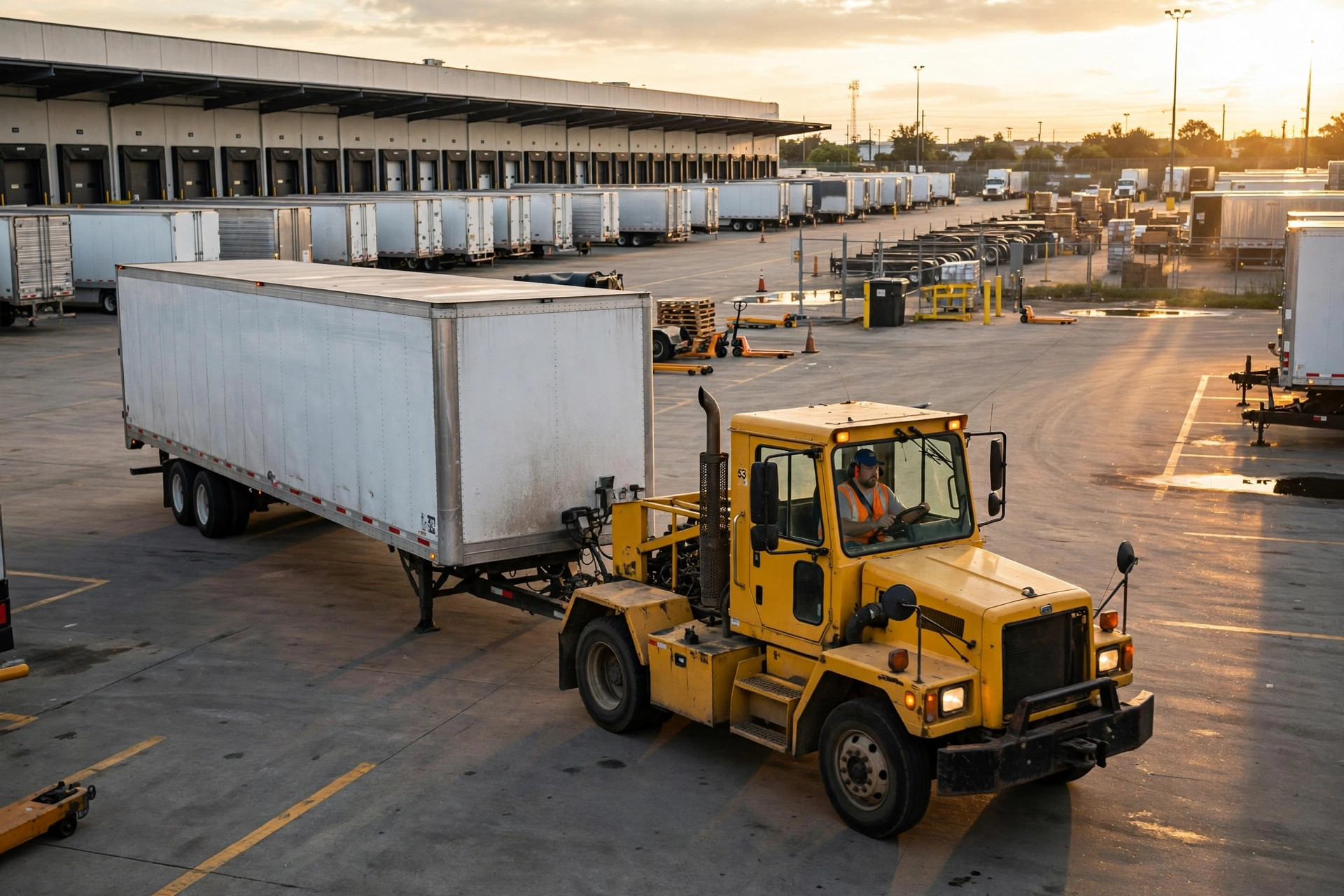
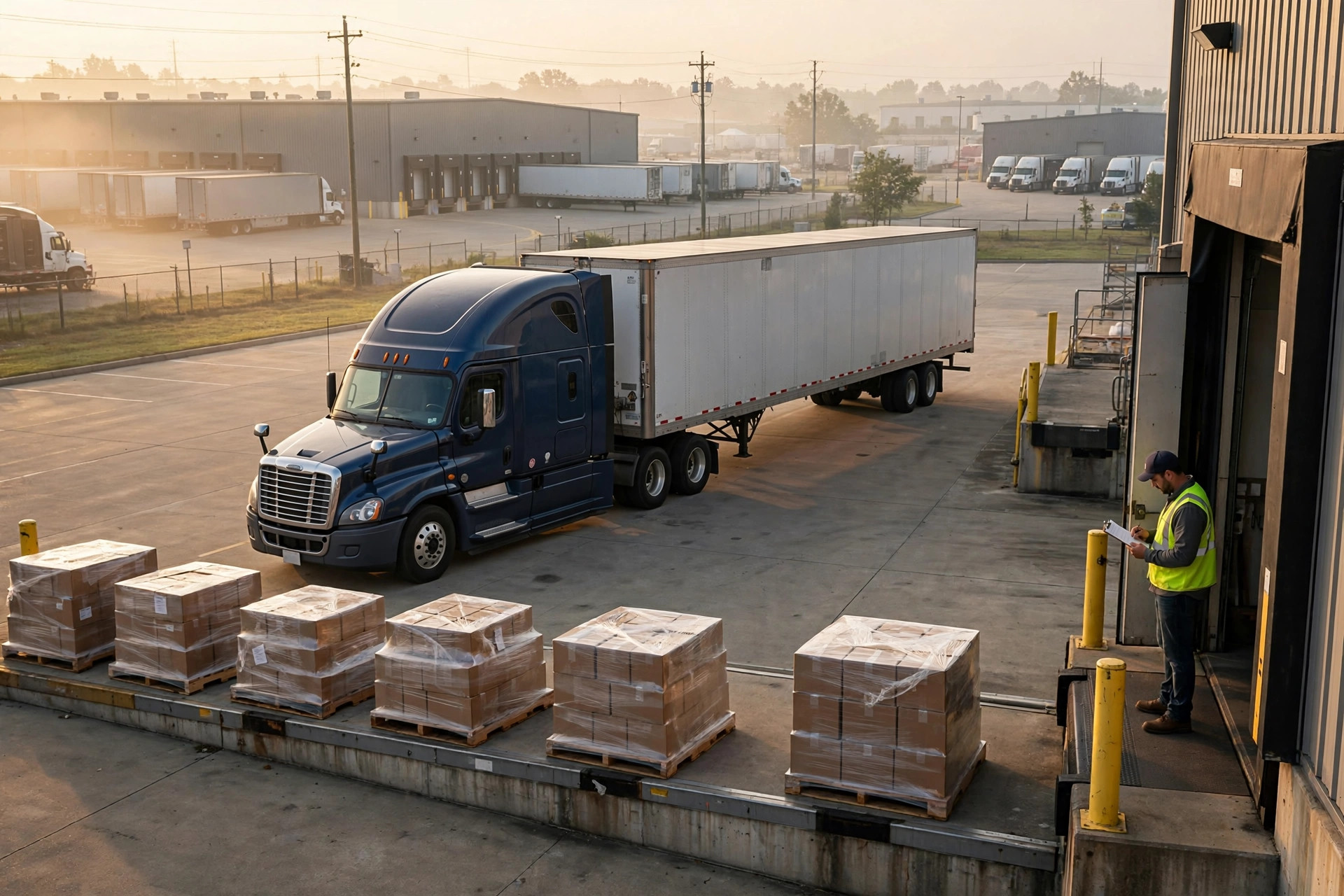
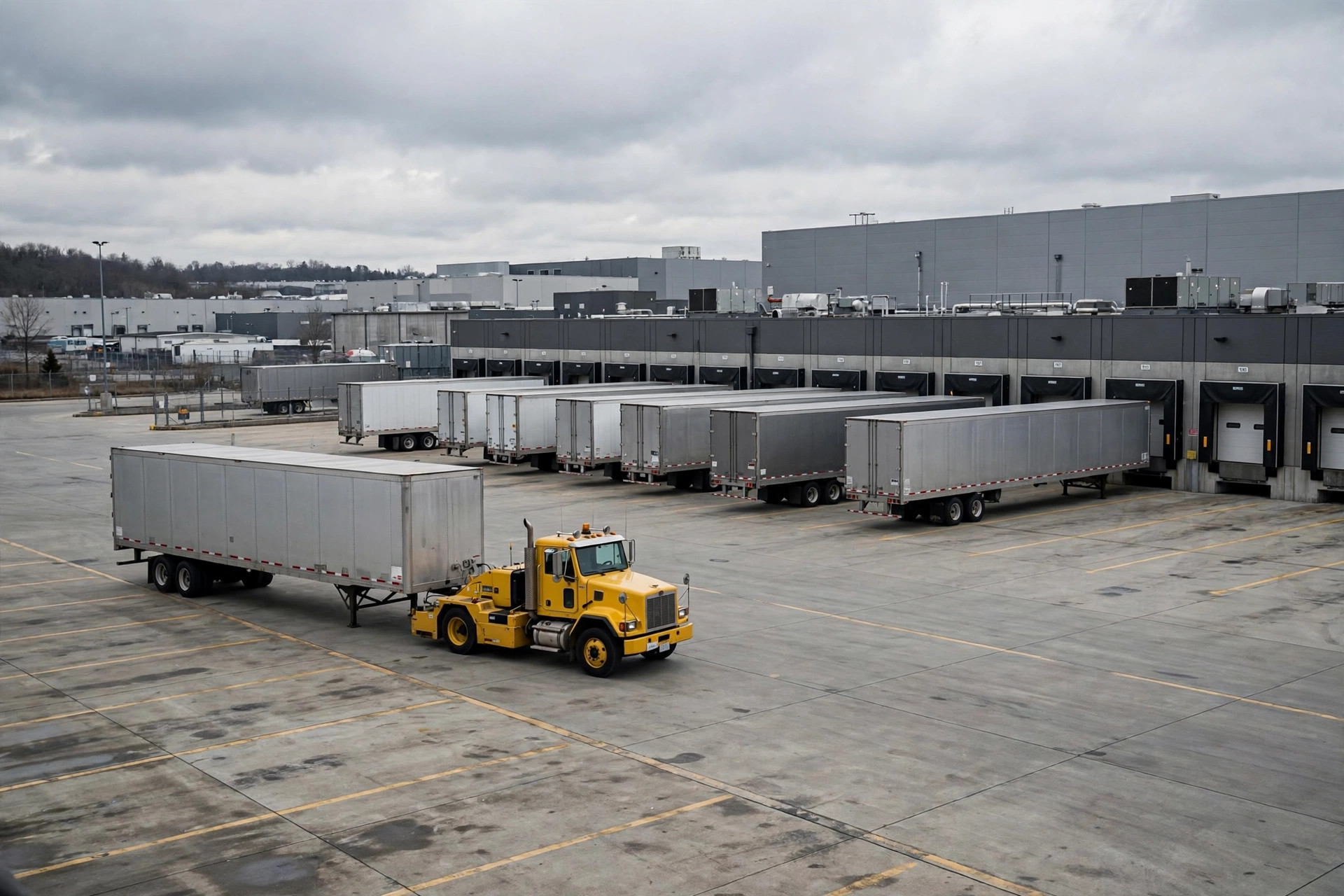
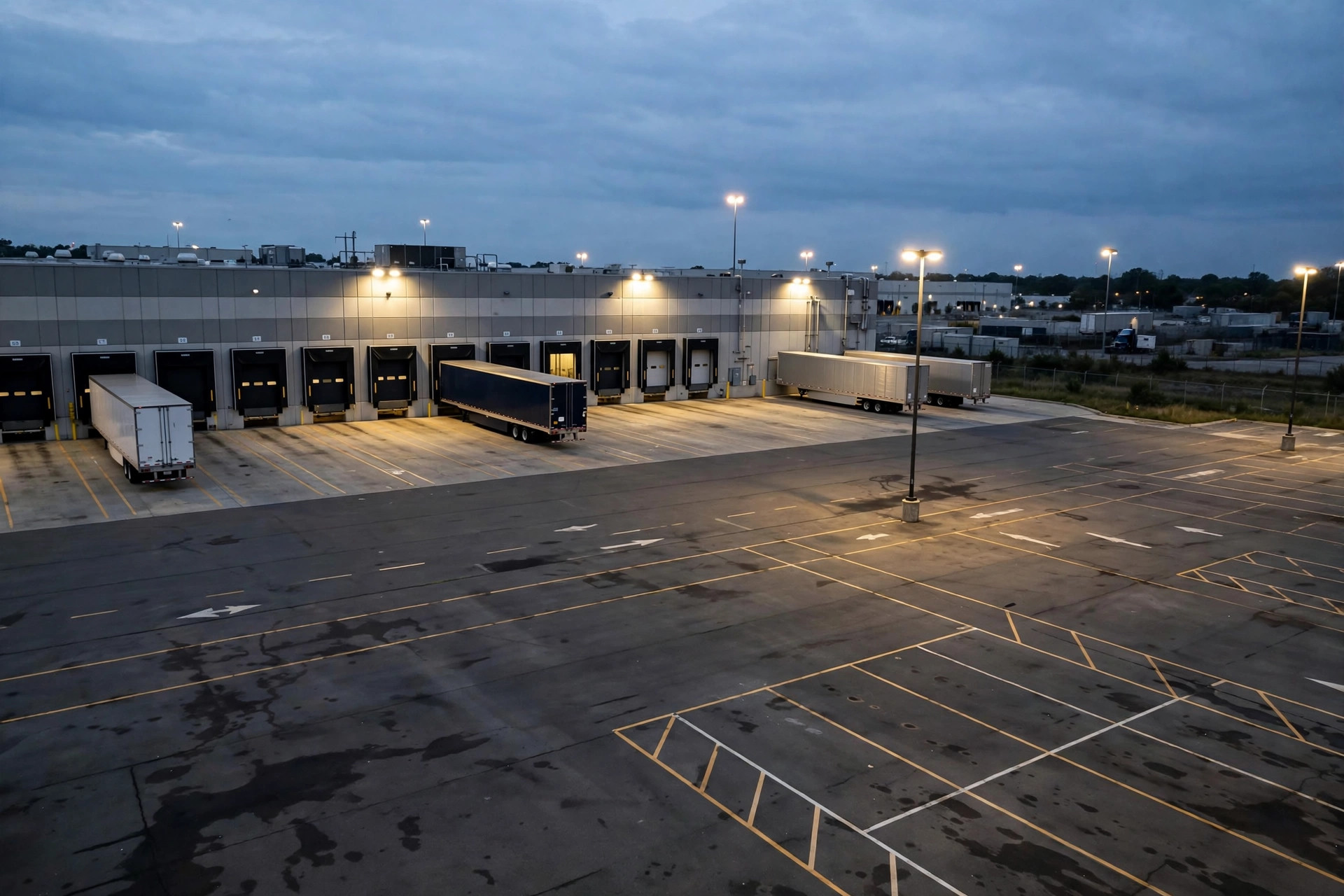
Back in March I walked a 3PL yard in Ontario — 28 doors, 120 booked appointments a day, and 25 of them no-shows. That's nearly one in five doors sitting idle while the receiving crew stood around waiting, and the trucks that actually needed to move got pushed to the next day. The site manager told me they'd burned through another $30K-plus in overtime that month, all because of the daily "crew waiting on trucks, trucks waiting on crew" circus. I asked him what their no-show rate was. He blinked. He'd never calculated it.
That tells you everything. Most yards treat no-shows like the weather — something you complain about but can't change. That's wrong. No-shows are fixable, and the fixes aren't mysterious.
It's Not the Driver Ghosting You. It's the Chain.
Before you fix anything, you need to understand why drivers don't show up. After twenty years in this business, I've narrowed it to four real causes, each one more uncomfortable than the last.
First, broker layering. The shipper hands the load to a broker, the broker hands it to a carrier, the carrier dispatches a driver. By the time your YMS appointment time travels through three hands, it's a different time. The worst case I ever saw: the system said 9 AM, the paperwork in the driver's cab said 2 PM. He "no-showed." Who exactly is at fault there?
Second, drivers double-booking. This is rampant, especially in truck-dense markets like Southern California. A driver chasing the best rate books morning slots at three different warehouses, goes to whichever one turns him fastest, and ghosts the other two. The kicker: ghosting you costs him nothing. Your appointment system is a free option for him. Why would he honor it?
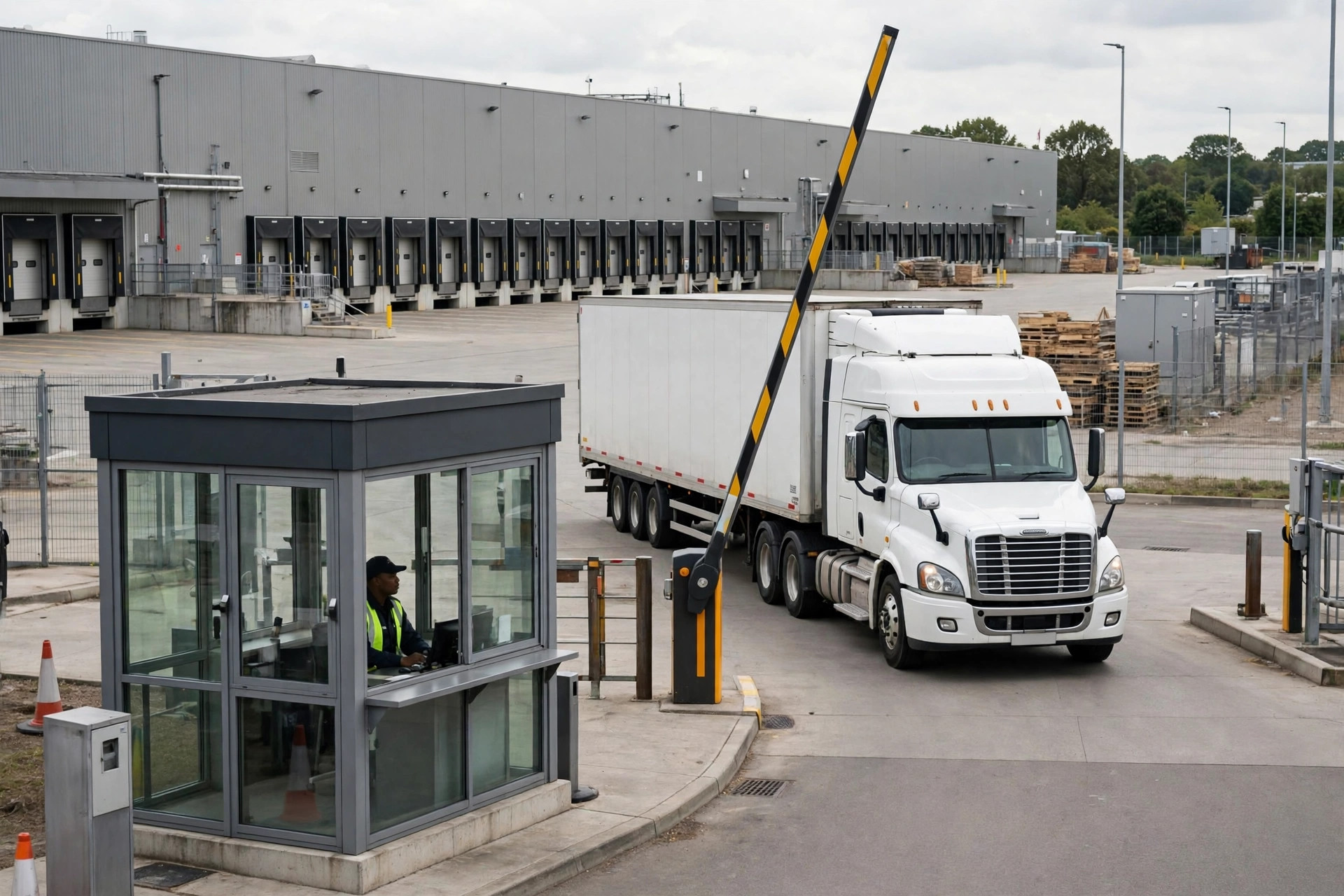
Third, your system has no teeth. One click books a slot; not showing up carries zero consequence. A booking with no cost of failure is just a suggestion. In a lot of yards I've visited, the YMS appointment module is basically a pretty digital sign-up sheet — nice to look at, useless for enforcement.
Fourth, the domino effect. Freight isn't ready, the previous stop ran late, paperwork isn't complete — the driver wants to come but can't. Strictly speaking that's not a malicious no-show, but the outcome is identical: your door sits empty. I've found that roughly a third of "no-shows" at many sites are actually this kind of internal misalignment — your own operation ghosting itself.
See the pattern? No-shows look like a driver problem, but the roots are in the chain and in your own rules. Yelling at drivers fixes nothing. You fix the system.
Measure It Right Before You Fight It
Before you govern anything, get the math straight — otherwise you don't even know how big the problem is. Here's the definition I'd standardize on:
A no-show is a truck that doesn't arrive within 30 minutes of its slot and didn't cancel in advance. Cancellations made 4+ hours ahead count as normal cancellations, not no-shows. That distinction matters; without it, your data is garbage.
Monthly no-show rate = unexplained no-shows ÷ total booked appointments × 100%. And always break it down by carrier. A site-wide average of 12% sounds fine until you discover one carrier running at 35%, hidden inside everyone else's good numbers.
My rule-of-thumb thresholds: under 10% is normal — routine management will do. Ten to 15% means watch it closely and start having conversations with the worst offenders. Above 15%, you need systematic action. Above 25%, your appointment system is decorative. Rebuild it.
Your YMS should give you five reports — and if it doesn't, have IT build them or export the data yourself: carrier no-show ranking (monthly), no-show trend (weekly), T-24 confirmation rate, standby slot utilization, and overbooking occupancy. That first one is gold. Print it and pin it on the dispatch office wall. When a carrier's logistics manager visits and sees their own ranking, the conversation gets efficient fast.
The Playbook: Six Moves You Can Steal
Diagnosis done. Here's the prescription — six moves I've seen work in real yards. Copy them and adjust the numbers to your operation.
Move one: two rounds of confirmation, T-24 and T-2. Booking a slot isn't the end of the story. Twenty-four hours out, the system auto-sends a confirmation (text or email, one tap). Slots unconfirmed by T-16 get released automatically to the waitlist. Two hours out, the driver checks in on a phone or shares location; anyone not on the radar gets flagged red, so dispatch knows early and can pull a standby truck. Those two rounds alone cut information-driven no-shows roughly in half.
Move two: tier the offenders. First no-show gets a warning. Three within 90 days, and that carrier can only book same-day flex slots — no more advance priority. Six, and booking privileges are suspended for two weeks. Six consecutive clean months resets the record. Don't go one-size-fits-all with big carriers — write the no-show rate into the annual service agreement as an SLA, with fee deductions for misses. Money talks louder than suspensions.
Move three: a standby lane. Hold back 8%–10% of daily slots as standby — never released for booking, reserved to backfill no-show gaps. Standby utilization is a beautiful signal: over 70% means you're under-booking; under 30% means you're overbooking too aggressively. Read it together with move four.
Move four: overbook, but overbook by math. The formula is simple: release quantity = actual capacity ÷ (1 − no-show rate × 0.7). A yard running a 20% no-show rate overbooks roughly 16%. The emphasis is on by math, not by gut — if an overbooked truck arrives and there's no door, you're paying the detention. Recalculate the ratio quarterly from real no-show data. Never set it and forget it.
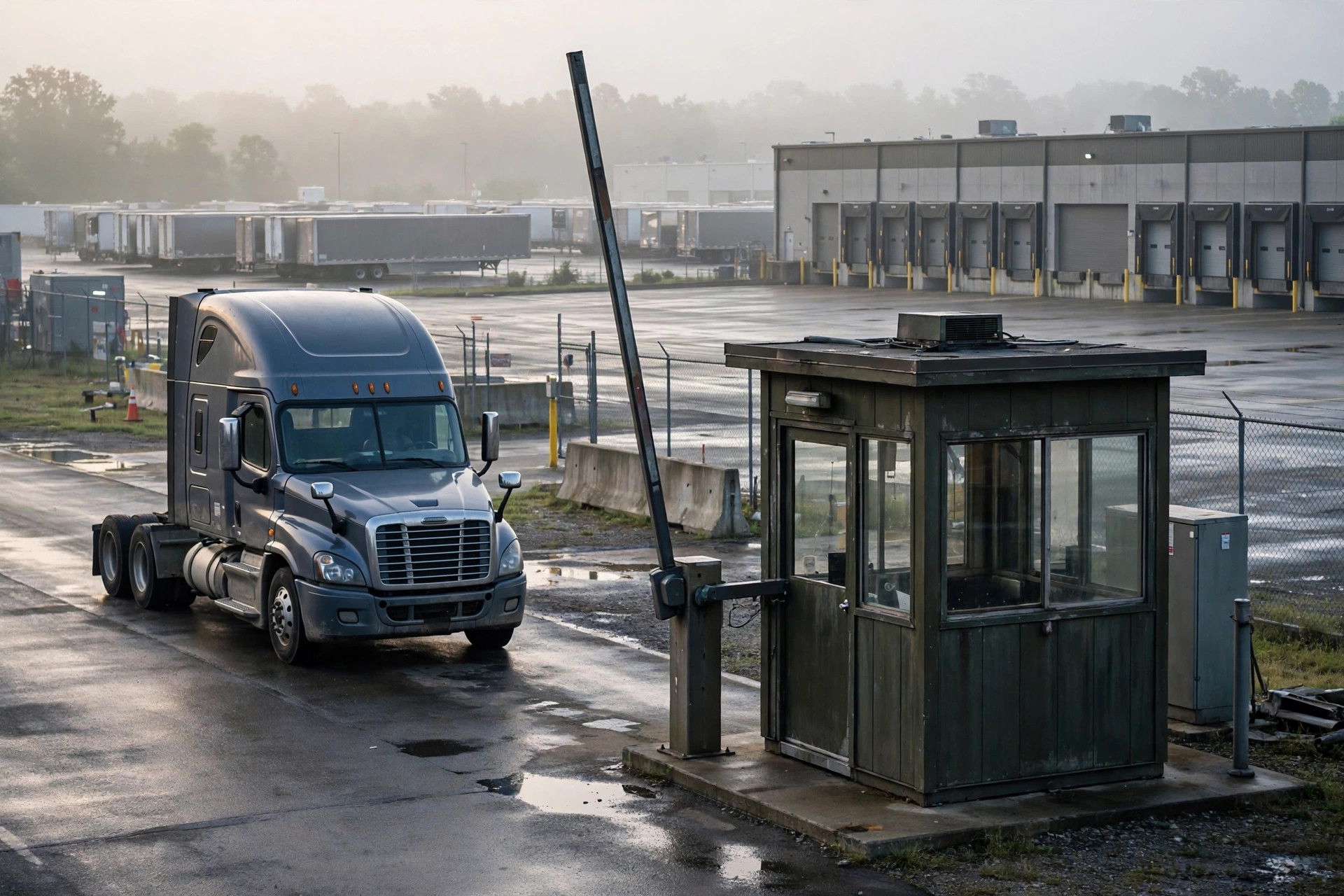
Move five: deposits and no-show fees, in the contract. Pre-authorize $50 per booking; cancel inside T-4 or no-show, and it's gone. The point isn't the revenue — it's giving the appointment a cost. People respect things that cost them something. Put it in the carrier contract addendum. Carriers that won't sign can still come — they just lose booking priority and wait for flex slots. (Check your actual contract terms for the right fee level; don't copy my number blindly.)
Move six: choke off the source. Make BOL or PO number mandatory at booking, and have the system auto-block any booking where the freight hasn't fully arrived. Like I said earlier, a lot of no-shows are really "booked a slot before the freight was ready" — your own people ghosting yourself. A system rule kills that category with zero effort.
You don't need all six at once. My recommendation: start with moves one and six. They're information-layer fixes — cheapest to implement, fastest to show results. If the rate still won't come down, add two, three, and four. Save move five for the annual contract renewal, since it involves negotiation.
The One Thing to Do Tomorrow
Don't try to boil the ocean. Tomorrow morning, do one thing: export last month's no-show rate per carrier and rank them. Take the top three carriers' logistics managers out for coffee and talk about what's hard on their end. I promise you — 80% of no-show problems get halfway solved over that cup of coffee. The remaining 20% is what systems and contracts are for.
One question to leave you with: what's your yard's no-show rate? Have you ever actually calculated it? If you haven't, the most valuable thing in this article might just be the nudge to run that first number.