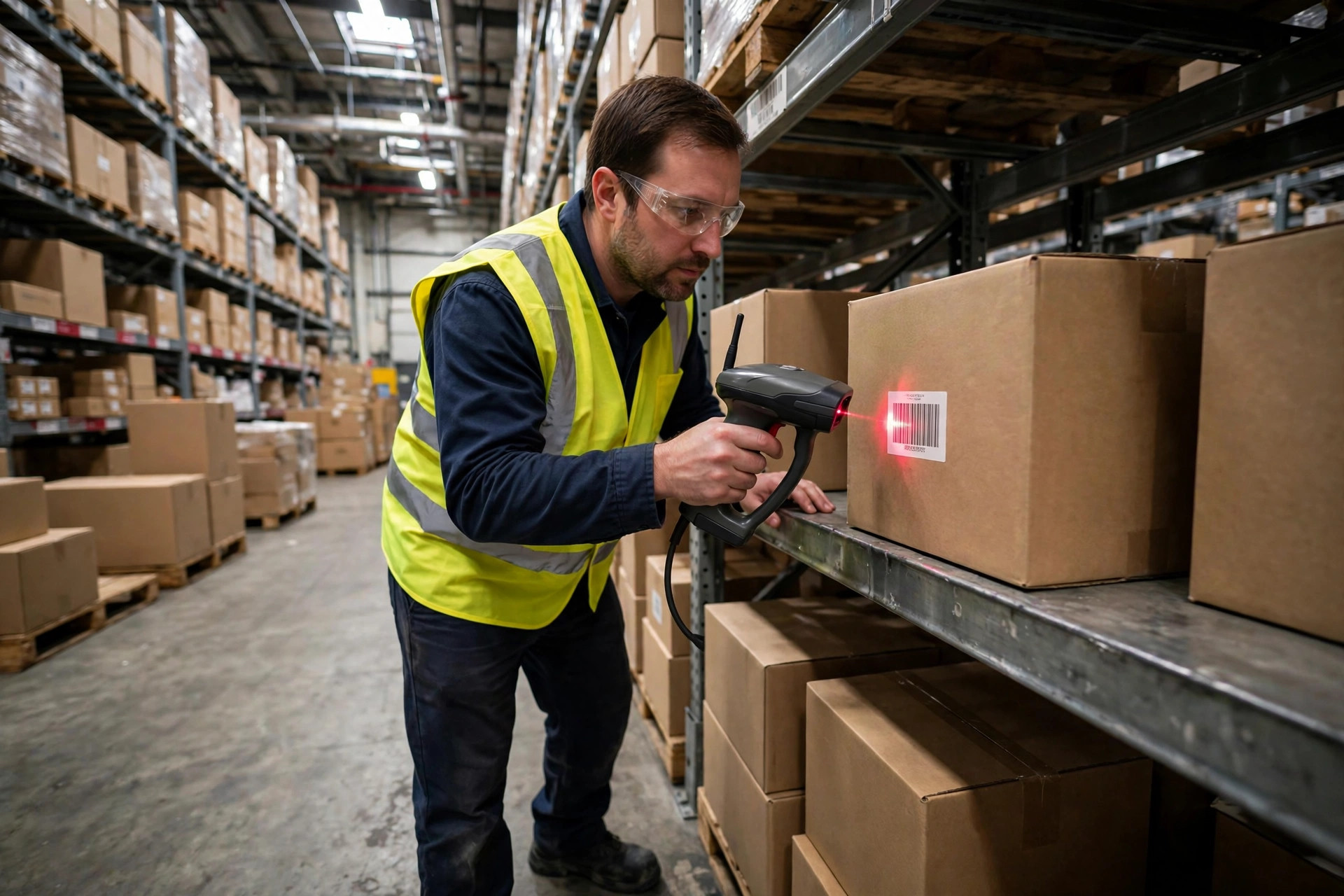
In 2024 I helped a 3PL warehouse in Moreno Valley — a little over 120,000 square feet — move off its annual wall-to-wall count and onto cycle counting. Month one, A-class locations showed a 4.7% variance rate. By month three it was 1.2%, and the two-day shutdown count was gone for good. The difference came down to a handful of WMS settings that most teams never touch after go-live. This is the config walkthrough I wish someone had handed me twenty years ago.
The textbook ABC split is a starting point, not a configuration
Everyone knows the textbook numbers: A-class SKUs are 10 to 20 percent of the assortment but carry 70 to 80 percent of the inventory value; B-class is 20 to 30 percent of SKUs and 10 to 20 percent of value; C-class is the remaining half of SKUs holding about 5 percent of value. Those ratios are fine. The trap is what you sort by.
Classify by dollar value (annual consumption value) and classify by touches (transaction frequency), and you get two different A-class lists. An auto-parts warehouse I worked with had brake rotors that were firmly A-class by value and C-class by movement. Consumer goods run the other way: enormous touch counts, low unit cost. If you classify on value alone, you pour counting labor into expensive parts nobody touches while the SKUs your pickers handle eight times a day — the ones actually generating errors — get ignored.
I run two classifications in parallel: a value-based ABC for finance, and a touch-based ABC for operations. Count frequency takes the higher of the two — anything that is A by either measure gets counted as A. Most WMS platforms do not ship with this out of the box, so it means adding two custom fields to the item master and writing one classification rule. Do it once; the write-offs and lost-stock claims you avoid every year pay for it many times over. Re-run the classification quarterly, plus once before peak season, and pin every new SKU to A-class manually for its first three months. A product launched six weeks ago will always look unimportant in trailing-twelve-month math, and it is exactly the SKU most likely to be wrong.
One trigger type will fail you — run all three
A WMS typically offers three cycle-count triggers: calendar-based (fixed ABC cadence), opportunity-based (count when the location is already being touched by receiving, putaway, or picking), and value-based (prioritize high-dollar locations). I have watched single-trigger setups fail in every direction. Calendar-only means C-class stock gets counted four times a year for no reason. Opportunity-only means the slow-moving zone goes three years without a touch, and by then the system quantity and the physical quantity are living separate lives.
The labor-efficient mix: hammer A-class on a fixed calendar (monthly at minimum, every two weeks for high-touch items), blend calendar and opportunity triggers for B-class, and let C-class ride almost entirely on opportunity triggers with one annual sweep as a backstop. Opportunity counting is the cheapest labor you will ever get, but it comes with a management trap: when a picker finds a variance mid-task, do they adjust it on the spot? My verdict is no. Opportunity counts record only; every variance goes into a review queue with zero consequences for reporting it. Make the approval process punitive and counters will simply enter the system quantity. I have watched management dig this exact hole three times, and the data always gets worse, never better.
Set thresholds in dollars, and make approvals about process, not punishment
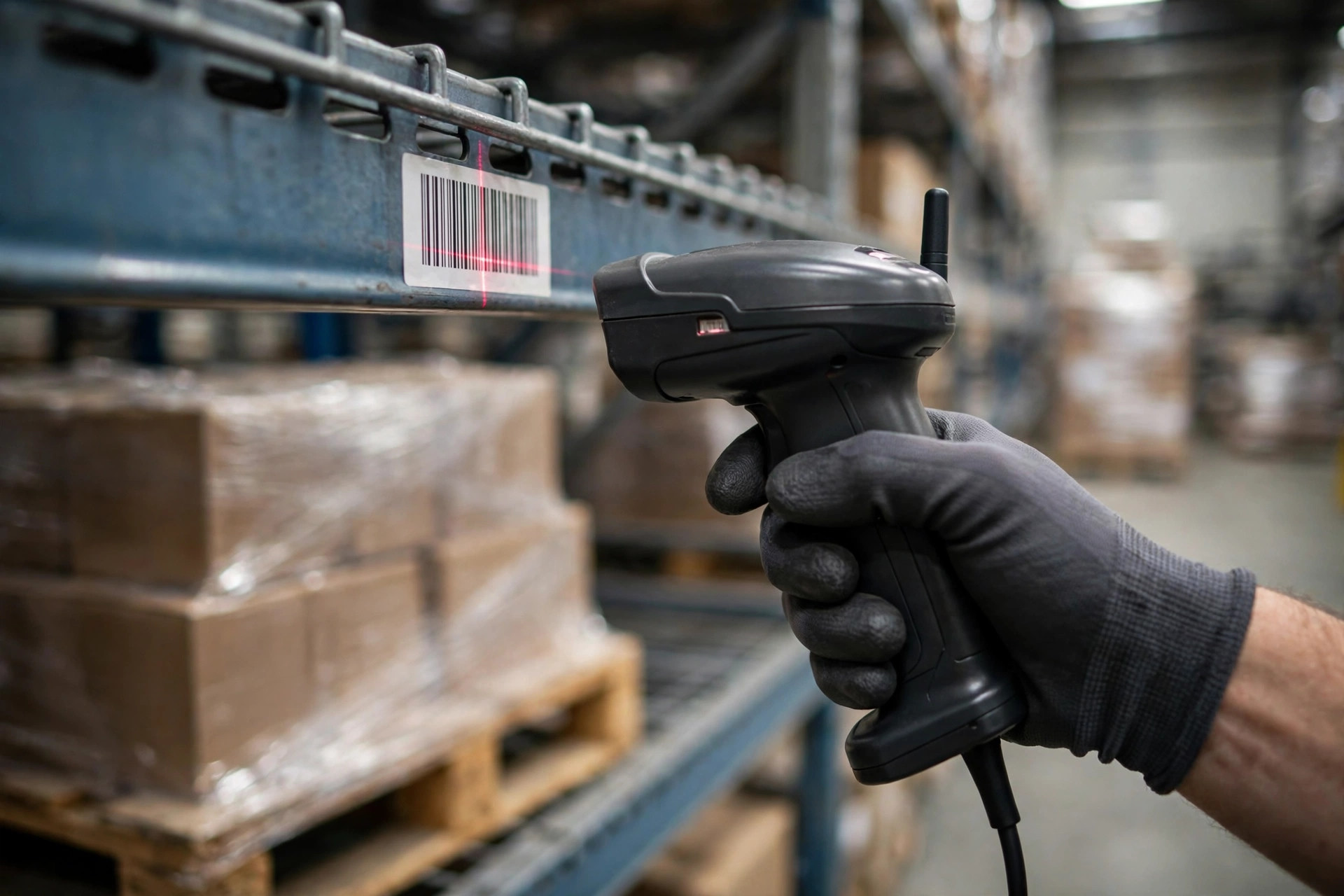
The most common threshold mistake is counting in units: one missing pair of earbuds is not the same as one missing sofa. Set variance thresholds in dollars, tight for A-class, loose for C-class. When a count breaches the threshold, the WMS should lock the location, freeze outbound allocation for that SKU, and generate a recount task for a supervisor. Note the order: recount first, adjustment later. Adjustments are a finance action and need a real approval chain — the counter reports the variance, a supervisor confirms it on a second count, and only then does the system post the adjustment. Skip any of those three steps and you are manufacturing accuracy instead of measuring it.
Then there is the collision problem: how do count tasks and live picking stay out of each other's way? Configure a count lock in the WMS — the moment a count task drops, the target location freezes and wave planning routes around it; it unlocks when the count closes, and any picking demand that arrived in the meantime waits in queue. Warehouses that skip this end up with a picker pulling two cases mid-count, and no variance report will ever reconcile that. Small operations should not copy the big players by staffing a dedicated count team. Opportunity triggers plus night-shift or off-season catch-up counts deliver the same accuracy at a fraction of the labor cost.
Kill the annual count in stages, not with an announcement
The transition itself is where most programs die. Never announce "no more annual counts starting next month" — neither your labor plan nor your processes are ready. Run dual track instead. Month one: cycle counting covers A-class only, and the annual count proceeds as usual. Month two: expand to B-class. Month three: look at the data — if A-class and B-class variance rates have held target for two consecutive months (99% plus for A, 97% plus for B), bring in C-class. Once the first full cycle across every SKU is complete, the annual count has nothing left to justify.
Expect a culture fight. Veteran staff trust the annual count because they have watched it work for a decade. My fix is embarrassingly simple: post the variances the cycle counts catch, every week. "This week A-class counts found three location variances worth over twenty thousand dollars — the annual count would have found them next January." Two months of that and nobody misses the shutdown count.
One thing you can do tomorrow: open your WMS classification config, delete the factory-default 80/95 cutoffs, and re-run the tiers against your actual trailing-twelve-month consumption value. Most warehouses I walk into have fewer than 15% of SKUs in true A-class. Get the tiers right and you free up roughly a third of your counting labor — enough to double your A-class frequency. Accuracy was never about counting more. It is about counting the right things.