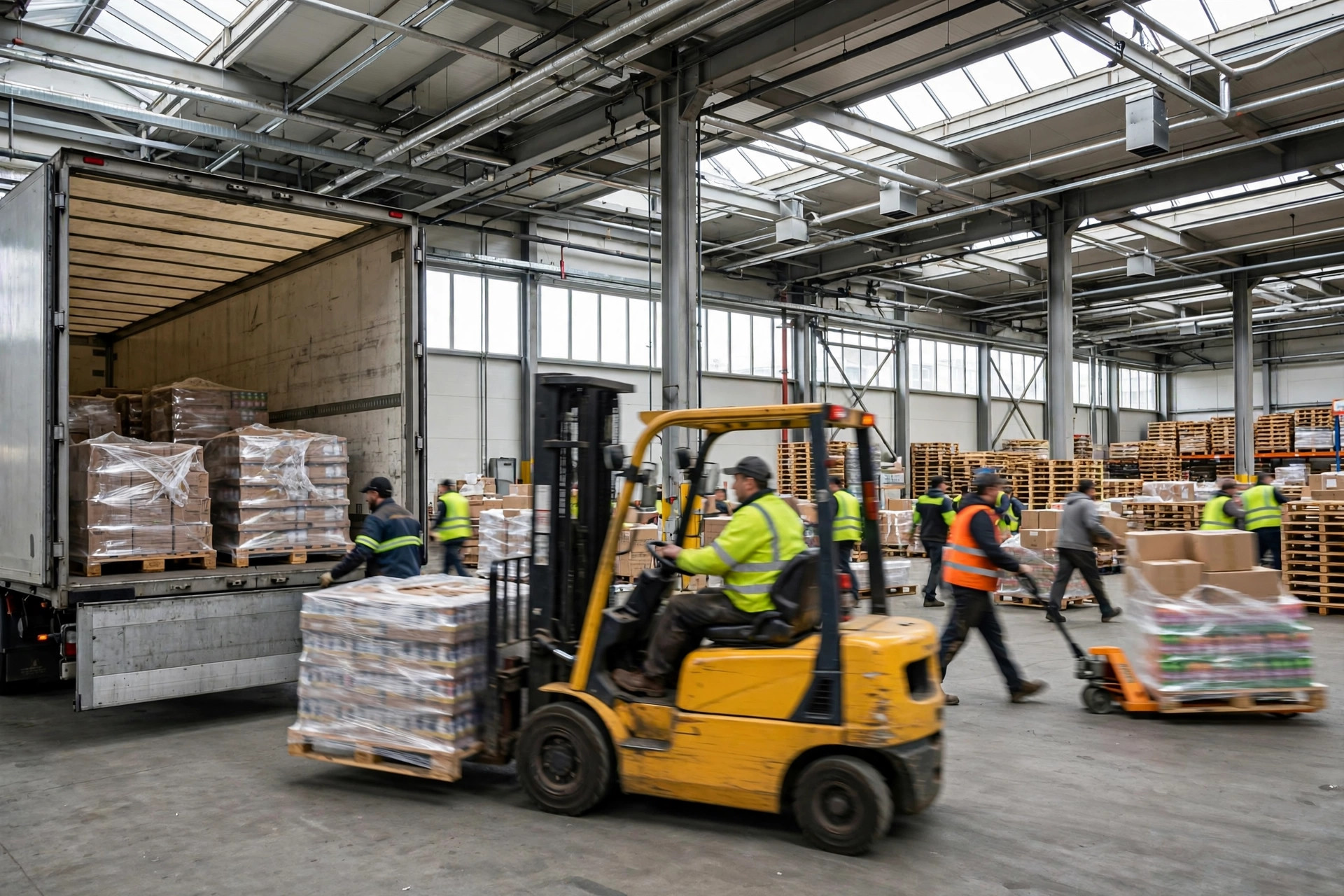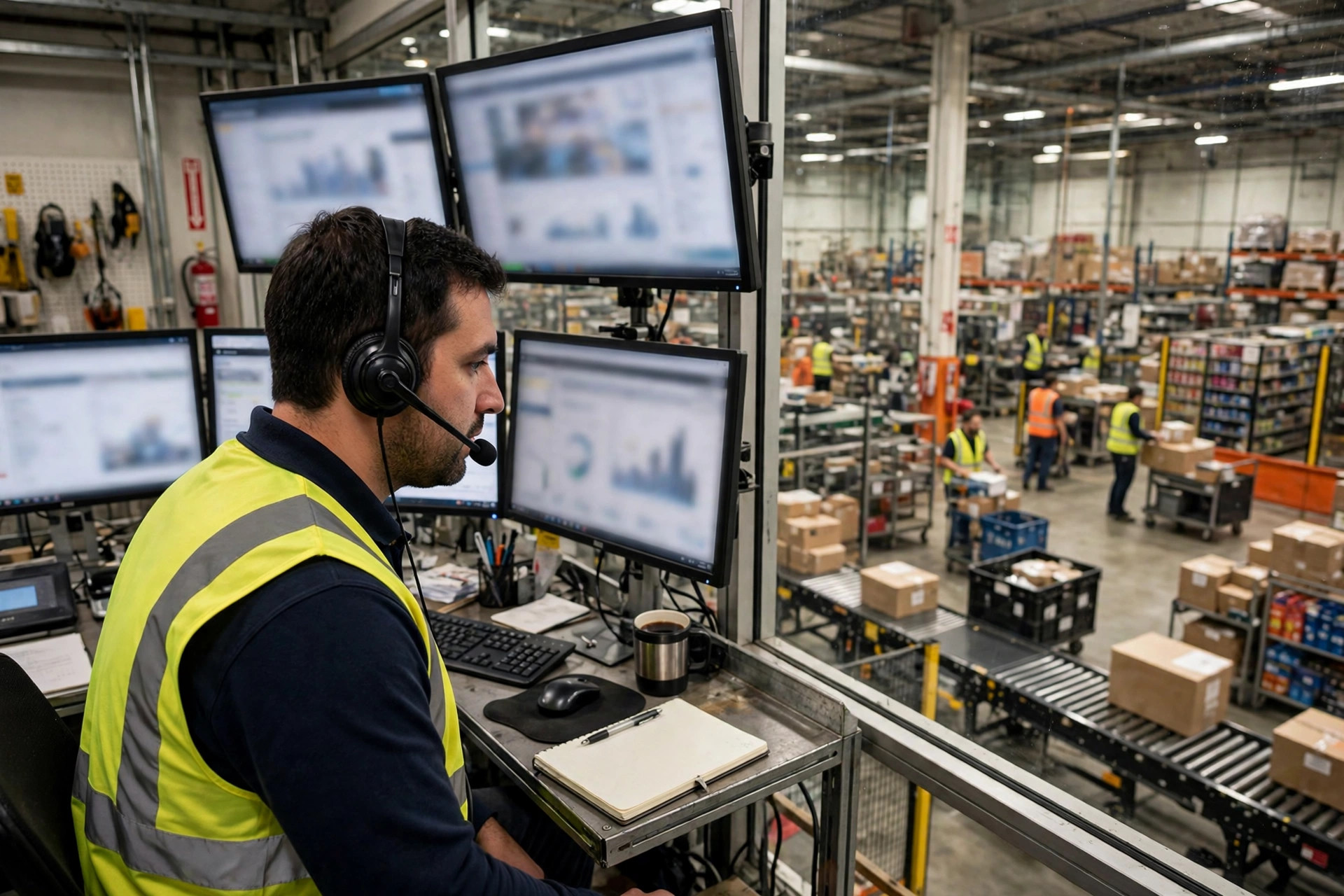
It's 3:50 p.m. The parcel carrier cutoff is 4:00. The VP of sales calls the warehouse supervisor directly: a key account just added 200 orders that must ship today — lose this client and next year's renewal is gone. The supervisor glances at the wave plan: the next 4,000-order wave is already half released, thirty-some pickers are out in the aisles. What do you do?
Twenty years in warehousing has taught me this: every warehouse lives this scene. The difference is that some have a rulebook for cutting the line — the 200 orders go in, the normal wave finishes 20 minutes late, nobody panics. Others run on the supervisor's voice over the radio, and the ending is always the same: the rush orders still miss the truck, and a pile of normal orders ships wrong. Cutting the line isn't the problem. Cutting it without rules is.
Why rush orders turn chaotic: everyone improvises
Here's the root of the mess. Once a WES (warehouse execution system) releases a wave, tasks are already dealt out to every picker by its logic. Jamming 200 new orders in from the outside forces the system to answer three questions: what priority do the new tasks get, do in-progress tasks get interrupted, and how does each picker know what to do first. In a shout-driven warehouse, all three answers ride on the supervisor's voice — and by the third retelling the message is garbled. Somebody drops a full-pallet task to pick two small items. Somebody else never hears the call and keeps walking the original plan. At reconciliation, the rush order shows 150 picked, with 50 still sitting in some aisle nobody owns.
The hidden damage lands later. Preemption doesn't just disturb this wave — interrupted tasks have to be re-sequenced, aisles fill up with half-finished work, the audit station stacks up with unlabeled cartons. That evening's overtime and the next morning's cascading delays are the true cost of those 200 orders. Sales sees "it shipped." The supervisor knows the full-floor efficiency just dropped 15%.
A three-tier green lane — not one vague word called "rush"
At one e-commerce warehouse I worked with, we split "urgent" into three tiers and wrote them into the WES task-priority field, instead of leaving them in the supervisor's mouth:
Tier 1 is the save-the-account order: the client said flat-out "ship today or we walk," or the dollars are big enough to justify disrupting the floor. This tier is allowed to interrupt a picker's current task — allowed, not required. The WES flags the in-flight task, and the picker's RF gun or voice terminal pushes: set down what you're doing, pick these three locations first, and the system routes you back afterward. The interrupted task isn't lost; the system remembers the breakpoint.
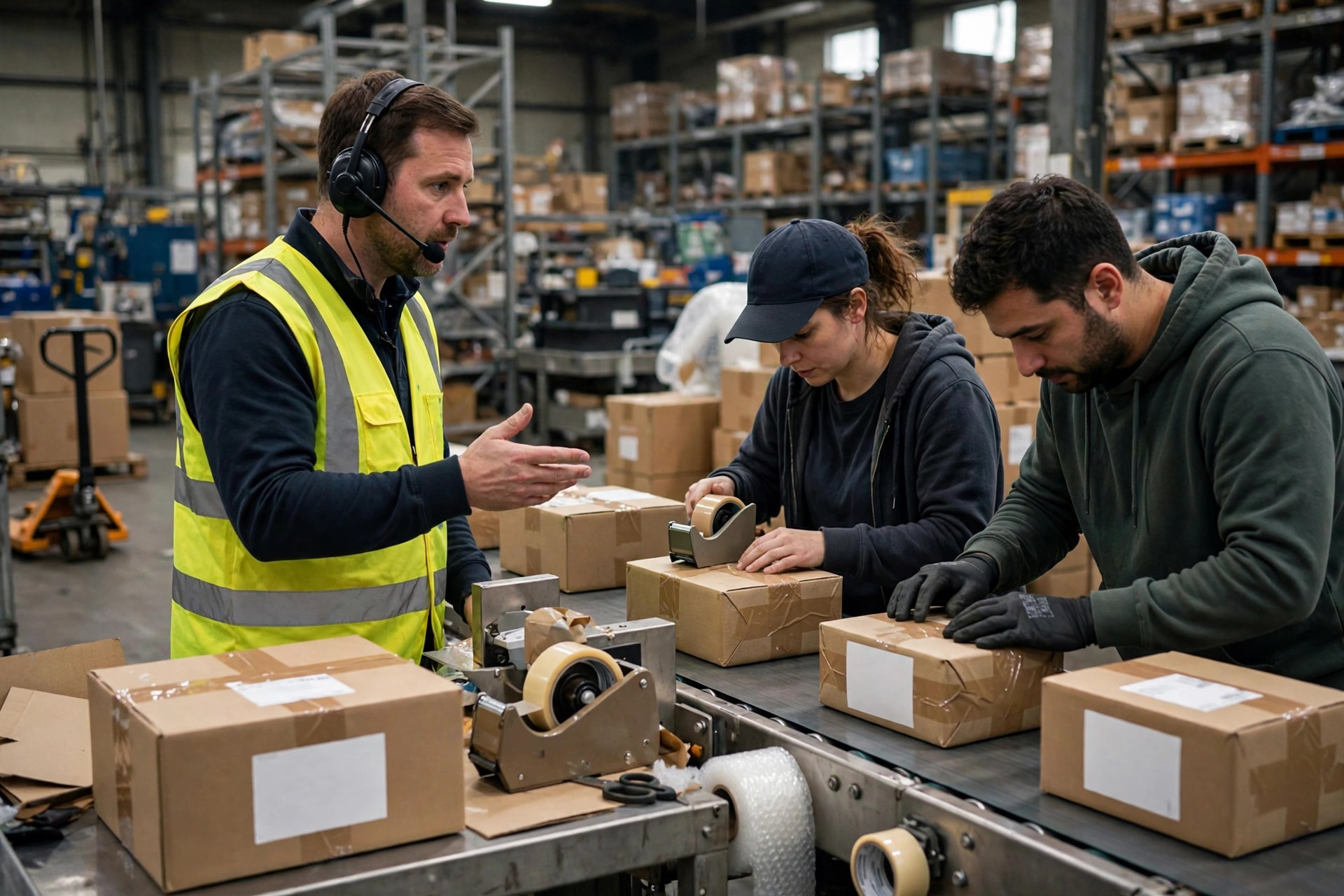
Tier 2 is must-ship-today: not Tier 1 dramatic, but it has to make today's cutoff. This tier interrupts nobody. It goes to the front of the next unreleased wave, or ships as its own 200-order mini-wave assigned to a standing flex crew of two or three. The flex crew runs normal waves most of the day and can switch within five minutes when a rush lands — that's the real human foundation of the green lane.
Tier 3 is first-thing-tomorrow: the client says they need it early tomorrow, which the normal flow can cover — but you give it a name to reassure them. It slots into tomorrow's first wave and consumes zero of today's resources. Once you calm down, most so-called "rush orders" are Tier 3. What sales usually needs is certainty, not two extra hours of labor today.
Three iron rules sit on top of the tiers. One: only the shift supervisor and the duty manager can assign a tier. Sales and customer service can request, never assign — if everyone can set priority, there is no priority. Two: log every call — who assigned it, when, and why, one line in the WES, for the monthly review. Three: quotas — Tier 1 no more than twice a day; beyond that it becomes an "operations incident" and goes to review instead of getting more line-cutting.
Someone has to pay for the cut
This is the part that gets swept under the rug. Cutting the line is never free — every Tier 1 preemption shaves points off the normal wave's on-time rate and pushes up overtime and error rates. My approach: calculate the cost and put it on the table.
One small monthly report: how many Tier 1 cuts this month, how many normal orders missed their ship time because of them, how many overtime hours they generated. Take that to sales — not to argue "stop rushing orders," which is fantasy, but to settle two things. First, overtime and expedited freight beyond the norm come out of sales' budget, not warehousing's. Second, when the same client rushes three times in a month, their demand planning is broken — sit down and fix the forecast together instead of firefighting every time.
KPIs need two lines tracked together: rush-order on-time rate, and normal-wave on-time rate. Measure only the first and supervisors will preempt without limit; measure only the second and nobody touches rush orders. When both lines go red, you're genuinely understaffed — time to hire, not to tune the rules.
A checklist you can tape to the wall tonight
The rules don't need to be complicated. One sheet of paper, executable by tomorrow's morning shift:
Write the tier definitions in three sentences: what counts as Tier 1 (lost account, big dollars, regulatory deadline), Tier 2 (must make cutoff), Tier 3 (everything else). Write two names: the shift supervisor and the duty manager, plus one line — "nobody else may assign tiers." Check three system items: is the WES task-priority field actually enabled, has breakpoint-and-resume after interruption been tested, has anyone seen the priority push on a real RF or voice terminal. Fix the notification channel: system push plus radio channel 3 only — no group chats, because a rush order drowns in emojis the moment the chat gets busy. Track two numbers in review: cuts per month, and how many points the normal wave's on-time rate lost.
Tonight, open your WES and check how many priority tiers it has and who can change them. If the answer is "everyone can" or "nobody's ever used that feature," your green lane is decoration — and the next 3:50 p.m. phone call leaves you with nothing but your voice. And your voice is the least reliable system in the warehouse.