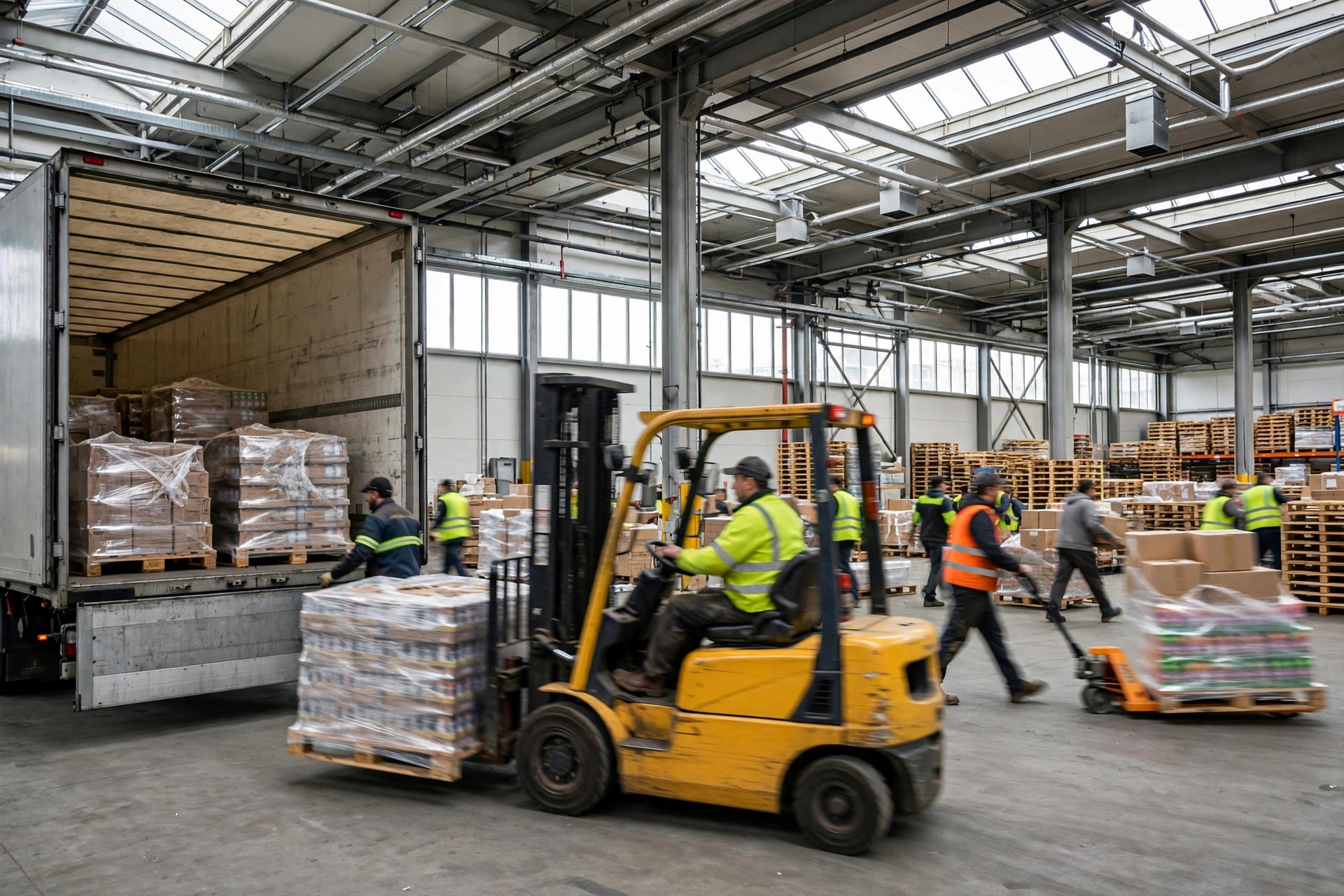
It was a Wednesday morning in March 2024, and I was standing in a 120,000-square-foot 3PL warehouse in Ontario, California, watching their newly installed WES run its first peak-day wave. A picker pushed his cart down aisle C-07, stopped in front of a slot, and stared at his RF scanner. The task said twelve units. The slot had seven, and the labels didn't match what was sitting there. He keyed in "short pick" and sent the task back to the system.
That part was normal. What happened next wasn't.
The system, being "helpful," dropped the task right back into the wave pool. Twenty minutes later, another picker got the same task, walked to the same slot, and hit the same wall. By noon the task had bounced between three or four pickers, short-picked every single time, and the wave consolidation light refused to turn green. The whole outbound batch sat on the dock while the carrier's truck honked outside — all because of one unit nobody could find.
The warehouse manager stood next to me on the dock and said something I've never forgotten: "We spent a fortune on this system, and the thing it's best at is resending problems it can't solve."
Most warehouses do fine at dispatching tasks through their WES. The real separator is what happens after a task goes wrong — how the system catches it, routes it back, reassigns it, and closes the loop. That's what this piece is about: the reflow mechanics for exception tasks.
The task went back to the wave. Then what?
Start by sorting exceptions into buckets. In twenty years I've seen the same five, over and over: short picks (not enough stock), stockouts (nothing there at all), damaged or quality-flagged units, scan mismatches (wrong label, wrong slot), and quality holds waiting on QC release. This step looks trivial, but it's where plenty of warehouses die — they configure thirty reason codes, pickers in a hurry tap the first one, and every report afterward is garbage.
For reflow paths, I keep it to three. No more.
First, back into the wave pool. This fits exceptions that a different picker or a different time can fix — say, a short pick where replenishment is already on its way. But cap the number of times. At that Ontario site, the same task reflowed four times in one morning. My rule: after three reflows, the task auto-converts to a manual task. Don't fuss over the configuration. A wave that can't consolidate costs far more.
Second, convert to a manual task. This is for exceptions that need human judgment — damage, quality holds. The key point: "manual" can't mean "dumped into a queue nobody watches." Route it to a team — damage goes to QC, slot mismatches go to the audit team — and keep it visible on the RF, not invisible inside the system.
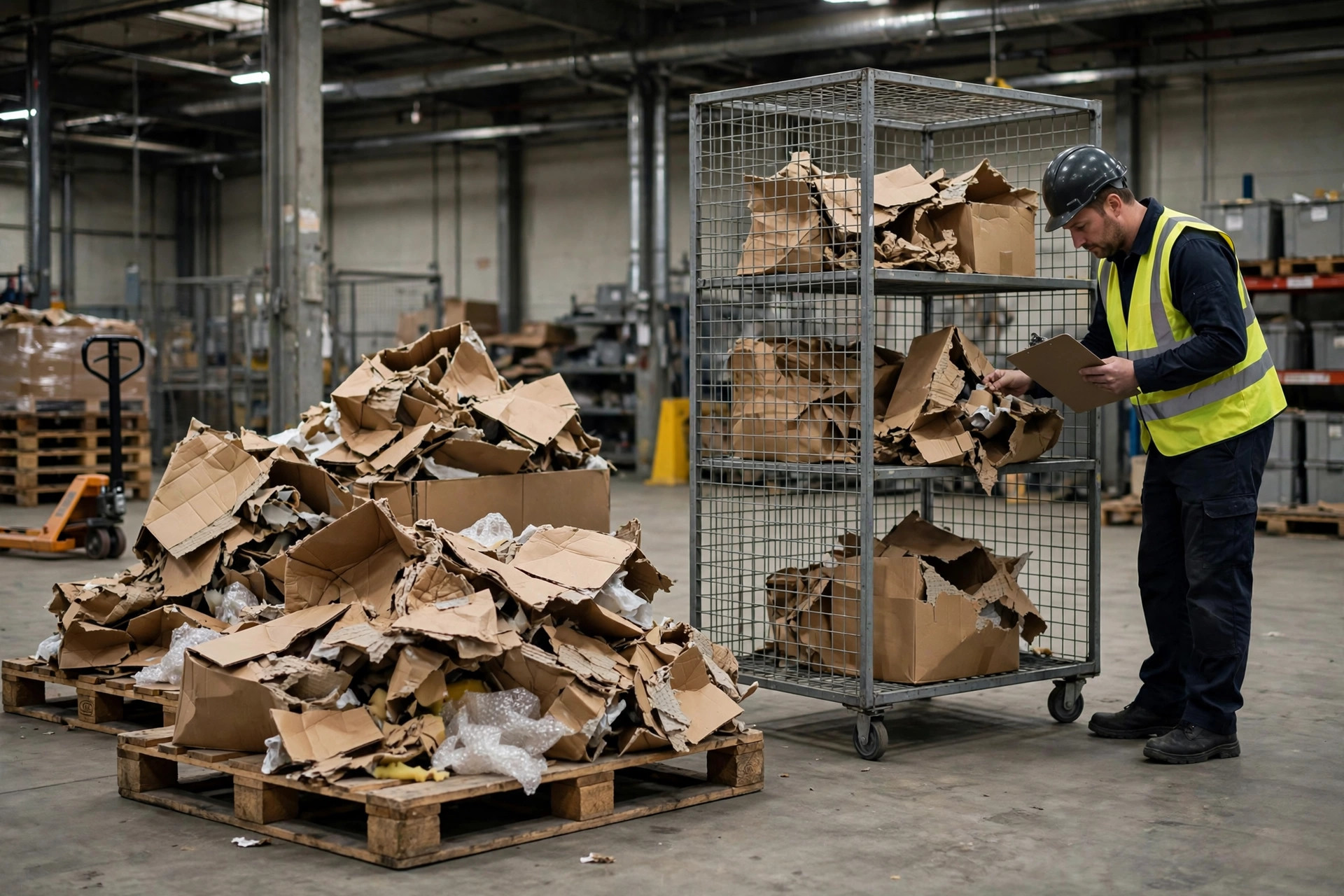
Third, suspend. This is for the temporarily unsolvable — a batch issue waiting on supplier confirmation, say — where you also can't let it block the wave. Suspension isn't deletion: it needs a clear wake-up condition and a maximum suspension time, after which it auto-escalates.
The trade-off is real. Reflowing into the wave is cheapest but risks the hot-potato game. Manual tasks are most reliable but the manual queue keeps growing. Suspension is cleanest but easy to forget. My approach: preset the default path by exception reason, so the picker only selects a reason code and the system routes by rule. Leave the judgment to the rules, the legwork to people.
How long can it sit untouched before it's a real problem?
Reflow is only step one. The true black hole is an exception sitting in the system with nobody looking at it.
I recommend two escalation tiers — not five, nobody remembers five. Tier one: thirty minutes after an exception is created with no one claiming it, escalate to the shift lead — RF pop-up plus a lead-terminal alert. Tier two: if the exception is blocking wave consolidation, with other tasks waiting on it, escalate in fifteen minutes, straight to the supervisor.
Note that I said pop-up and terminal alert, not email. I've been burned by this one: a warehouse had beautiful escalation rules that sent an email to the supervisor on every timeout. The supervisor got forty-plus system emails a day and had long since set up an auto-archive rule. A damaged carton sat in the exception cage for three days until a customer complained about a shortage. Escalation is about stealing someone's attention. Email can't steal it, so you need something louder.
There's a trade-off here too. Set the threshold too tight and you get alarm fatigue — leads go numb. Set it too loose and exceptions quietly expire. My practice: start tight for the first two months to force the real process problems out, then loosen once things stabilize. And one more thing: log who acknowledged or claimed the exception and when. Without that, every post-mortem ends in a blame game with no scoreboard.
You've logged all this exception data. What do you actually look at?
Plenty of warehouses log mountains of WES exception data, then open the report and find "312 short picks" — technically true, totally useless. Log the data, but log the right things.
Record at least eight fields per exception: task number, SKU, slot, reason code, timestamp, handler, reflow count, final disposition. Keep reason codes to eight to ten. More than that and nobody selects carefully; fewer and the post-mortem shows nothing. My usual set: short pick, stockout, damaged, label mismatch, slot mix-up, quality hold, equipment fault, other. If "other" climbs past fifteen percent, your code list is incomplete — add codes.
Three numbers are enough for the review. Skip the twenty-slide deck.
First, the top five SKUs by repeat reflow. A SKU that short-picks over and over is almost always a slotting or replenishment problem, not a picker problem. At that Ontario site, the hot-potato SKU turned out to have safety stock set below its average daily pick volume. Replenishment never caught up.
Second, the share of exceptions that time out without closure — watch the trend. If it's climbing, your manual handling capacity can't keep up with exception volume. Add people or fix the process.
Third, shifts in the reason-code mix. If "label mismatch" doubles one month, the odds are the label supplier changed or new-hire training slipped. Data is the symptom; process is the cause.
Here's a checklist to run against your WES go-live or tune-up: are there more than ten reason codes? Is there a reflow cap? Do wave-blocking exceptions get their own escalation clock? Does escalation rely on email alone? Do suspended tasks have a max age and a wake-up condition? Can your reports pull the top five repeat-reflow SKUs? Get all of these right and your exception reflow is basically solid.
Back to that Wednesday. The Ontario warehouse later capped reflows at three, auto-converting to a manual audit task on the fourth — and that class of problem dropped sharply within two months. But here's the question I'd leave you with: pull last month's exception data for your warehouse — what share of tasks reflowed more than twice? If you can't even pull that number, then no matter how elegant your reflow design looks, it's decoration.