Last month a friend of mine who sells home goods watched his Black Friday blow up — not from a flood of orders, from a flood of returns. More than 30 parcels came back in a single day, every one marked undeliverable. The cause wasn't the carrier. It was checkout: buyers had put their apartment numbers on the second address line, the system never ran shipping address validation, and the label went out without it. The courier reached the building, found no door, and turned around.
Amazon changed its rules again? Not this time — this one isn't the platform's fault. When an address is wrong, the platform doesn't cover you and the carrier doesn't either. The return, the reshipment and the complaint all land on the seller's bill. That's why shipping address validation in the warehouse deserves a real process, not a shrug.
One Wrong Digit, Three Separate Bills
Most sellers think a bad address means one extra shipping fee. That's only the first bill.
My own shop learned this in the 2024 peak season. A buyer missed one digit in the house number, the parcel wandered around the destination city for three days, then came back to the overseas warehouse. Shipping both ways was the cheap part. The buyer waited two weeks, left a bad review, and opened a claim. Refund, reshipment, apologies — one order's entire margin gone, plus the hours my support person spent on it.
I broke the math down afterwards. The table below is an assumed example — 200 orders a day, a 1% address error rate:
| Cost item | Per day | Per month |
|---|---|---|
| Returned parcels | 2 | About 60 |
| Reshipments or replacements | 2 | About 60 |
| Support time | About 1 hour | About 30 hours |
| Bad reviews and claims | Hard to price | Grows with returns |
The numbers look small. But if even a few of those 60 turn into bad reviews, the conversion rate on the product page drops with them. Shipping address validation doesn't save you shipping fees. It saves you reviews.
Here's the counterintuitive part: validation is not about being strict. Too strict, and you start blocking real addresses. A buyer types in a new housing estate that your validation database hasn't picked up yet, you reject the order, and the lost sale costs more than a return ever would. The goal isn't zero errors. It's catching errors before shipping without hurting real buyers.
Shipping Address Validation in My Shop Runs in Three Passes
Pass one happens at checkout. The checkout page offers address autocomplete — the buyer types a few letters and picks a standard address. Less typing means fewer typos. If the postcode and the city don't match, the page flags it on the spot and won't let the order through. This pass catches the slip-of-the-finger errors, and it costs almost nothing.
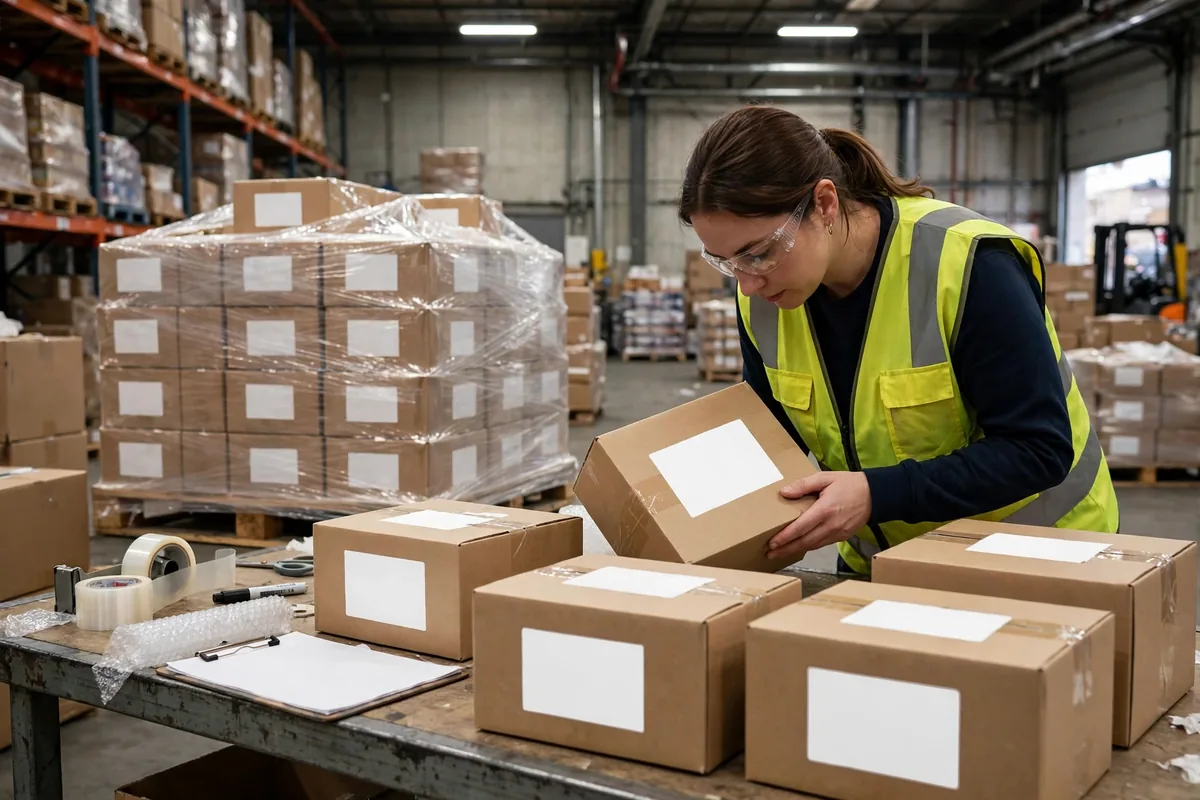
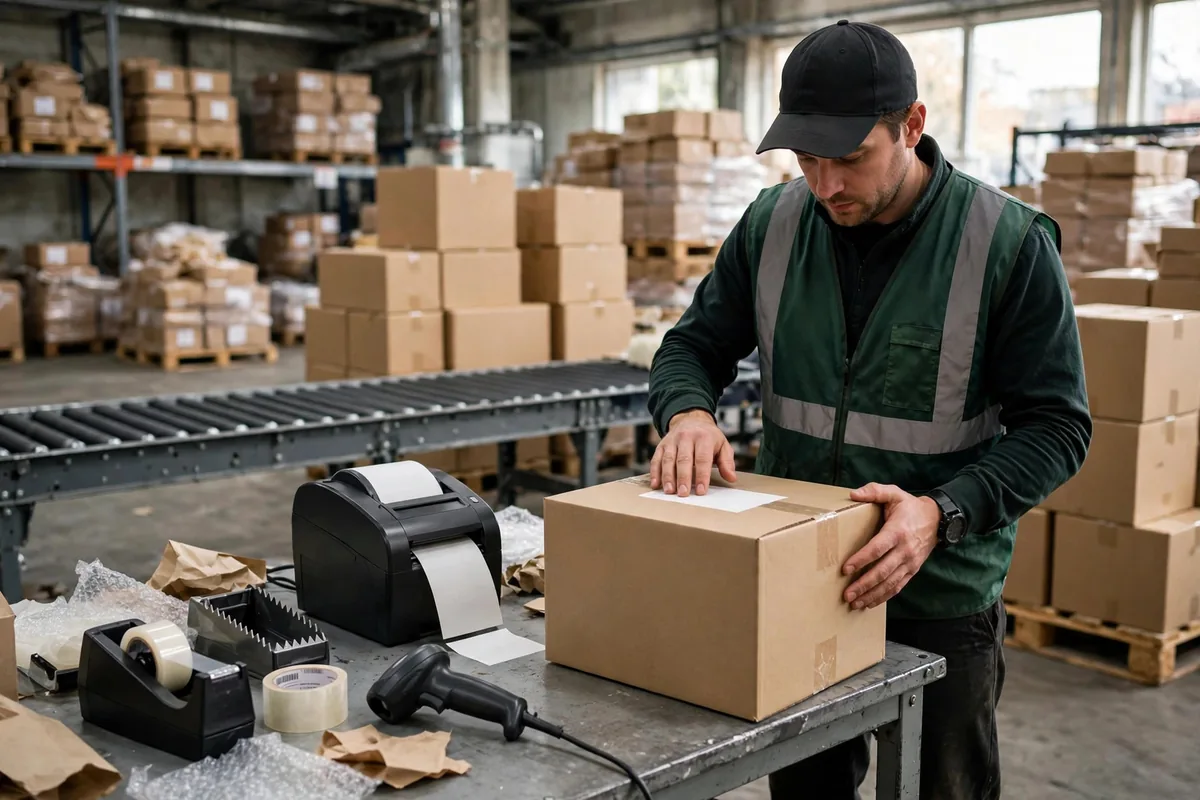
Pass two happens before label printing. Every day, before anyone prints a label, the system runs a rule check: missing apartment number, street with no house number, a recipient with only a first name, a postcode that doesn't match the state. Everything flagged goes onto a manual review list, and a human looks at it before the label prints. The rule in my shop is simple: nothing on that list ships. Two hours late beats one wrong shipment.
Pass three happens after shipping. Once a parcel is out, if tracking shows a delivery exception, we contact the buyer the same day to confirm the address — correct it if we can, reroute or intercept if we can. The exact rules and fees for rerouting and interception change by carrier, so check the carrier's official site for the latest policy. Don't operate from memory.
With all three passes running, returns in my shop dropped from obvious to occasional. Occasional, not zero — addresses always leak somewhere. The goal is controlled, not perfect.
Picking a Validation Tool Without Getting Played
Shipping address validation tools come in three tiers, and I rank them by how I actually use them.
Tier one is format checking: postcode format, required fields, obvious typos. Most shop builders and order systems include it, basically free. Use this tier to the full before spending a cent.
Tier two is address database matching: the buyer's address is checked against a standard address database, which can fill in a missing apartment number or fix a spelling mistake. It fits sellers doing dozens of orders a day, usually priced by volume — check each provider's official site for current pricing.
Tier three is the carrier's own address validation API: before shipping, you ask the carrier directly whether the address is deliverable. The most accurate, and the most expensive. It fits high-volume shops where return costs genuinely justify it.
My advice: small sellers should max out tier one plus manual spot checks. Past 100 orders a day, add tier two. Tier three only after you've done the math and confirmed that return costs beat the API fee. And a tool you buy but never switch on is wasted money — I've seen sellers pay for an API with the blocking rule still off, returns flying just the same.
One more thing: don't believe any "100% accurate" claim. Address databases always lag reality. New estates, new buildings, renamed streets — the database doesn't have them yet. The tool is a helper, not a replacement.
Address Validation Blind Spots: The Addresses I Always Check by Hand
- Apartments and townhouses missing a unit number: with no unit on the label, the courier can only leave it at the front desk or send it back.
- University dorms and office front desks: the recipient's full name has to be there — abbreviations get refused.
- One digit too many or too few: an extra zero in the house number or postcode, and the system may not catch it.
- Remote areas and new developments: the database may not have them, and passing validation doesn't mean the address is deliverable.
- Short-term addresses: hotels, temporary stays — confirm with the buyer first, don't just print the label.
That list is taped to the wall next to the packing bench. New staff memorize it on day one. If the address is wrong, packing faster is worthless.
Shipping address validation in the warehouse isn't sexy work, and nobody wants to spend time on it. But the money it saves is real: one fewer return means one fewer reshipment, one fewer support thread, one less review risk. In my shop all three passes run, and returns are now mostly buyers who typed it wrong and never answer messages. Those, nobody can save.
This one actually works — I've tested it myself.
By Ah K, E-commerce Seller (5 yrs)