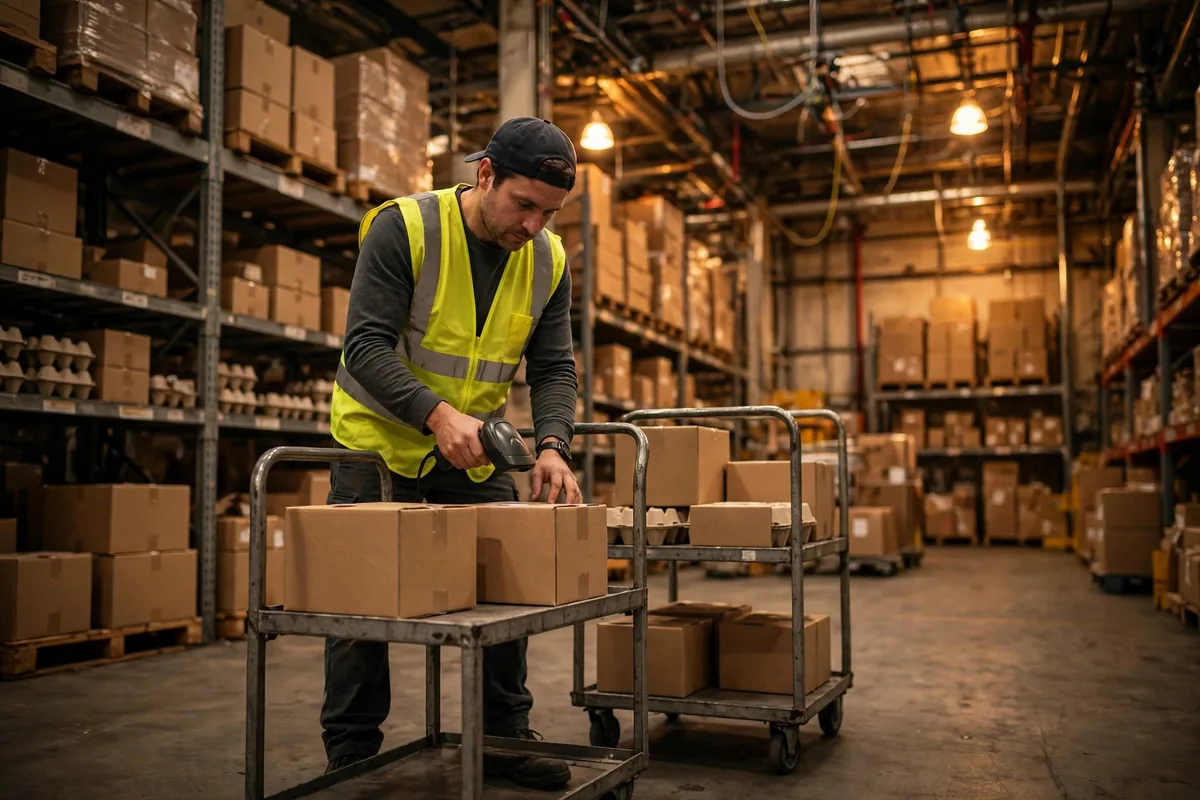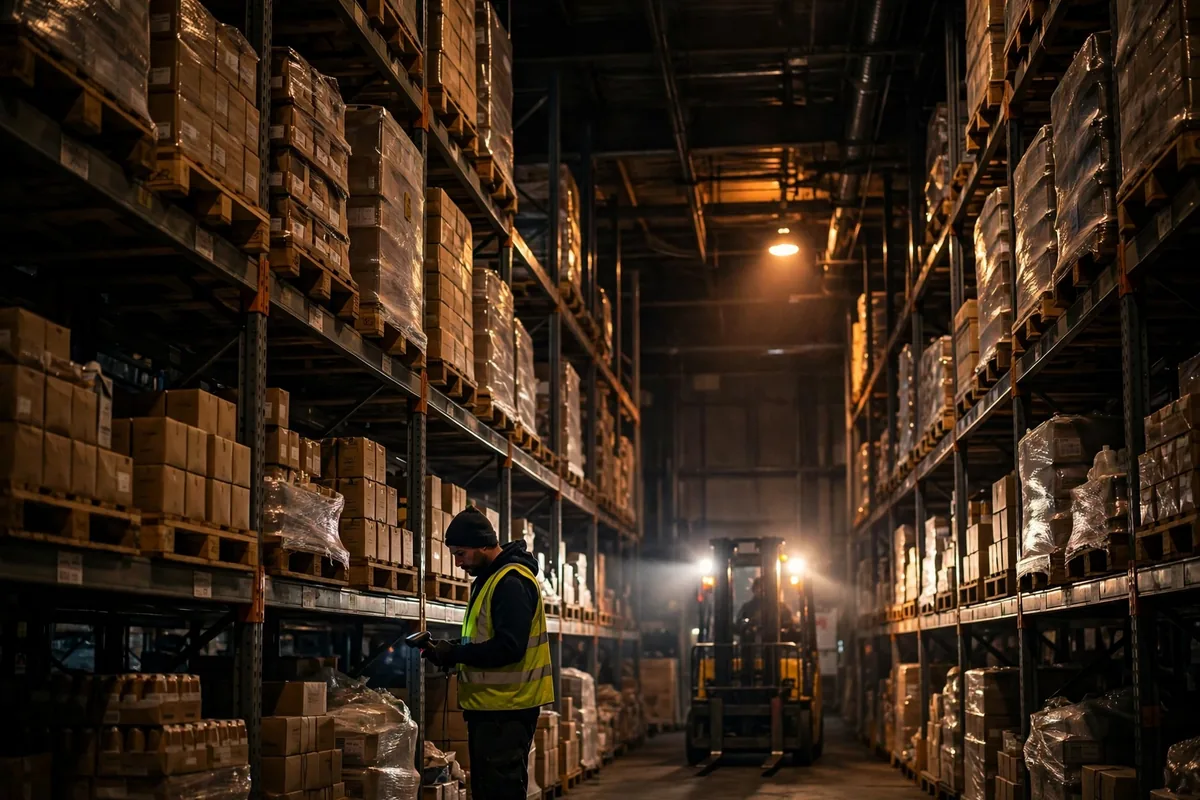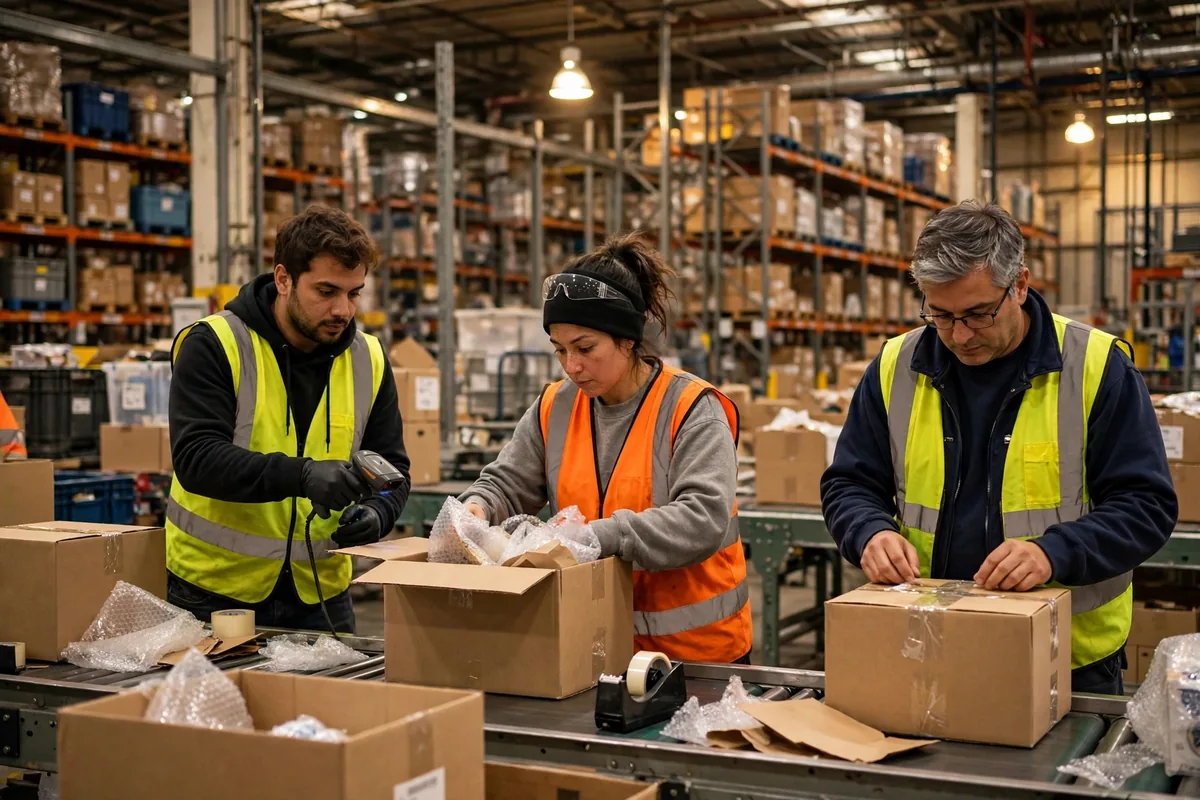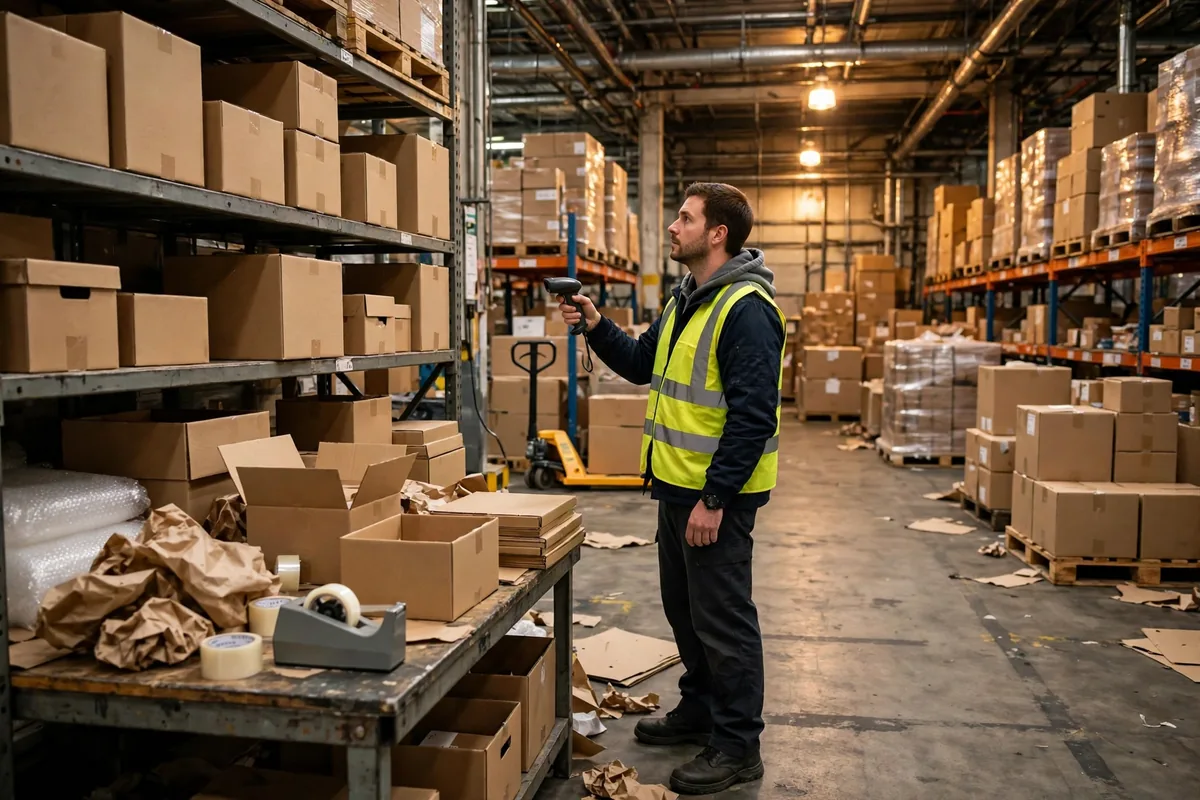
Let me tell you something. After all these years on the road, I have been in and out of maybe a hundred warehouses, maybe more. I have seen every kind of operation. But one night still sticks in my mind. It was two in the morning and I had gone to pick up a load. Seven or eight trucks were lined up at the gate, drivers dozing in their cabs. When my turn came, a warehouse shift supervisor walked out of the warehouse, voice completely hoarse, handing out load numbers while answering his phone, with paperwork scattered at his feet. That night he did the work of three people by himself, and the trucks still left on time. Later I talked to that warehouse's manager, and he said, "This place runs because of the supervisors. Managers set direction. Supervisors make it happen. If the supervisor layer breaks, the whole warehouse falls apart."
A warehouse shift supervisor looks like a small job from the outside. In reality it is the hardest position in the building. Above him is the manager. Below him are dozens of workers. When something goes wrong, both sides want an explanation from him. Do it well and nobody praises you. Do it badly and both sides blame you. Today I want to talk about this job from the angle of a driver who has spent years coming in and out of warehouses, and explain where exactly it gets hard.
A Warehouse Shift Supervisor's Three Jobs Every Single Day
A supervisor's day revolves around three things: handover, scheduling, and closing.
Handover comes first, and it is where things most easily go wrong. At seven in the morning, the first thing a supervisor does is not drink water. It is reading the night shift's handover notes: how many orders went out, any exceptions, which forklift is in repair, which locations still need counting. In the winter of 2023, I was picking up at a warehouse in East China where the night supervisor left without explaining that a batch had moved locations. The day supervisor went looking in the old spot and spent more than forty minutes searching. Loading ran over an hour late, and every driver in line behind me paid for it. Since then I have known that those fifteen minutes of handover decide whether the whole day runs smoothly.
Scheduling is the second job, and the one that tests a person most. Who takes the morning shift, who takes nights, who goes to the cold room, who picks. The moment the roster goes up, somebody complains. In peak season, when hands are short, a supervisor has to put the best people where they matter most: veterans on the busiest lines, new hires paired with old hands, heavy work and delicate work balanced out. A good roster makes the day flow. A bad one has somebody walking off before noon.
Closing is the third job, and the easiest to neglect. Before the day ends, the supervisor checks the outbound paperwork, counts the exceptions, confirms tomorrow's arrivals, and prepares whatever the morning shift will need. Most warehouse problems trace back to a bad close: paperwork that does not match means the morning crew spends an hour digging through boxes; a forklift left uncharged means it dies at the start of the next shift. That last half hour cannot be skipped.
The Three Hardest People, and the Three Hardest Problems
The hardest people for a supervisor start with the old hands. Workers with seven or eight years in, who know every job but have gone soft: late arrivals, picking the easy work, arguing back. Come down hard and they walk. Come down soft and everyone else copies them. I once watched a good supervisor handle one: no shouting, just gave him the toughest line in peak season. Do it well and he praised him in front of everyone. Do it badly and he said so to his face. Old hands want respect. Give them respect, and give them responsibility too.
Then there are the new hires. Young workers who know nothing and can get hurt. I once saw a new hire reversing a forklift, nearly hitting a rack, and the supervisor ran over, grabbed him, scolded him twice, then spent half an hour teaching him by hand. A supervisor needs patience with new people, but patience has limits. Teach a task three times and it still does not stick, move the person to another post. Do not force it.
The hardest of all is when pressure from above collides with the crew's mood below. The manager says five thousand orders must ship today. The crew has worked overtime three days running and everyone is at their limit. The supervisor is caught in the middle, answerable to the manager and responsible for the crew. At that moment, he has to know how to talk: tell the manager the truth about what can and cannot be done and how many people are missing, and tell the crew clearly that after tonight's push, tomorrow's rest is arranged. Hide things from both sides and it will blow up.
And the three hardest problems: a shipment goes out wrong, whose fault is it. Goods go missing, how do you find them. Two workers start fighting, how do you calm it down. There is no standard answer for any of these. It all comes down to the supervisor's standing with the crew. Standing is not shouted into existence. It is built bit by bit: fair rosters, never passing the blame, helping a worker who is in trouble. Build enough of it and one sentence from the supervisor settles things. Without it, shouting until your throat bleeds changes nothing.
Good Warehouse Shift Supervisors and Bad Ones: Where Is the Difference
The difference between a good supervisor and a bad one is not whether they know the work. It is whether they know how to manage people. A bad supervisor is a loudspeaker. The manager says something and he repeats it word for word. The crew complains and he passes it up word for word. He offends nobody and nobody respects him. A good supervisor is a filter. When an instruction comes down, he first thinks about how to make it work on the floor and whether the crew can accept it, then passes it on. When a complaint comes up, he sorts out what is reasonable from what is just frustration, then reports upward.
Another difference: a good supervisor is on the floor. By the pallets, at the dock doors, along the forklift lanes, you can always find him. A bad one sits in the office, giving orders by phone, only appearing after something goes wrong. Drivers dread that kind. A loading problem comes up, you cannot find him anywhere, you call and he says "I'm coming," and half an hour later there is still no sign of him. In warehousing, a supervisor who is not on the floor is the same as no supervisor at all.
A few words of advice for anyone who wants the warehouse shift supervisor job. First, do not think the title alone commands respect. Nobody in a warehouse respects a title. They respect someone who knows the work better and carries more of the load. Second, keep the roster fair. One unfair roster costs you half your standing. Third, when something goes wrong, take responsibility first and investigate second. A supervisor who passes the blame does not last. Fourth, be polite with drivers, stores, and suppliers. Make life hard for them today and they can hold you up tomorrow.
There is an old saying: a train runs fast only if the locomotive pulls hard. In a warehouse, the manager decides the direction, but the supervisor is the locomotive that actually pulls everyone forward. When the supervisor does the job well, the whole warehouse comes alive. When the supervisor fails, the best equipment and the best system in the world will not make it run.
By Shifu Zhao, Trucking Veteran (15 yrs)