Here's my verdict up front: self-insurance doesn't save money. It turns the insurer's profit into your own risk reserve. If you can't do that math, don't touch it.
Two sides to this. Insurers make money three ways: underwriting profit, float, and the fear premium you pay for peace of mind. Retaining risk means you become your own insurer — you have to pocket all three, and you have to survive all three. I've watched too many warehouse owners look at a six-figure annual premium (order of magnitude only — get your broker's latest quote, it varies wildly) and think, "I'll just keep that money." Then one incident wipes out millions in goods, the reserve isn't remotely enough, and there's nowhere to cry.
The pit I watched in Houston: the year they dropped coverage
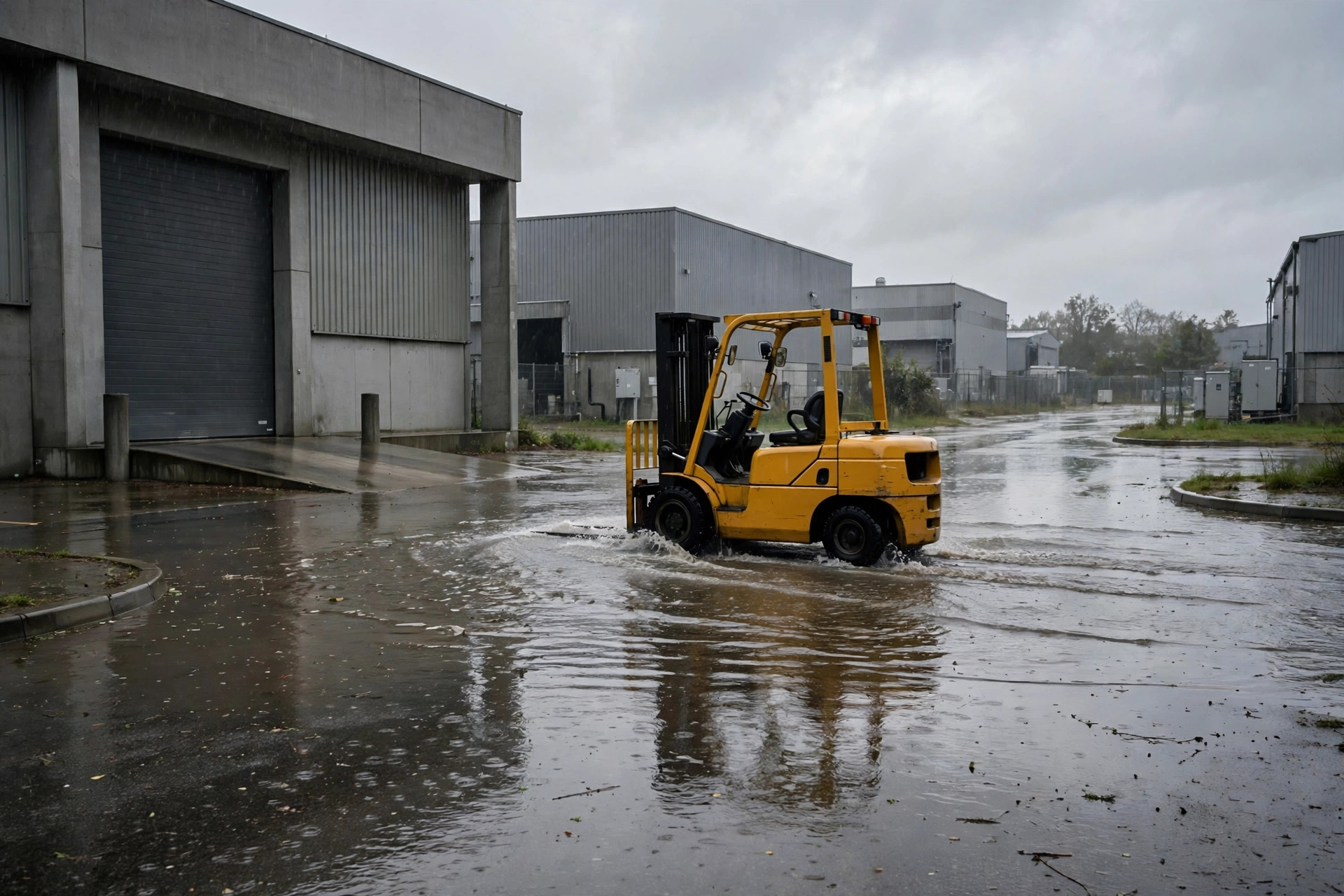
2021, Houston, Texas. A 150,000 sq ft 3PL warehouse. The owner told me over coffee: Lao Mi, the premium's six figures a year, no claims in five years, money down the drain. He cut property coverage, kept bare-minimum liability, and carried the risk himself. I asked how deep his reserve pool was. He waved it off — steel building, good fire partitions, near-zero probability.
Summer 2022, an electrical fire started in the charging area. Small fire. But smoke and water damage wrote off an entire racking zone — millions of dollars of customer goods, all on him. No insurance. The reserve didn't cover a fraction of it. He ended up selling one facility to fill the hole. Ten years of premiums, paid as tuition in one semester.
I tell this story a lot. The point isn't that fire is scary. The point is he never calculated his worst case before deciding to retain the risk. That's not risk management. That's gambling.
The opposite pit: insured on paper, self-insured in practice
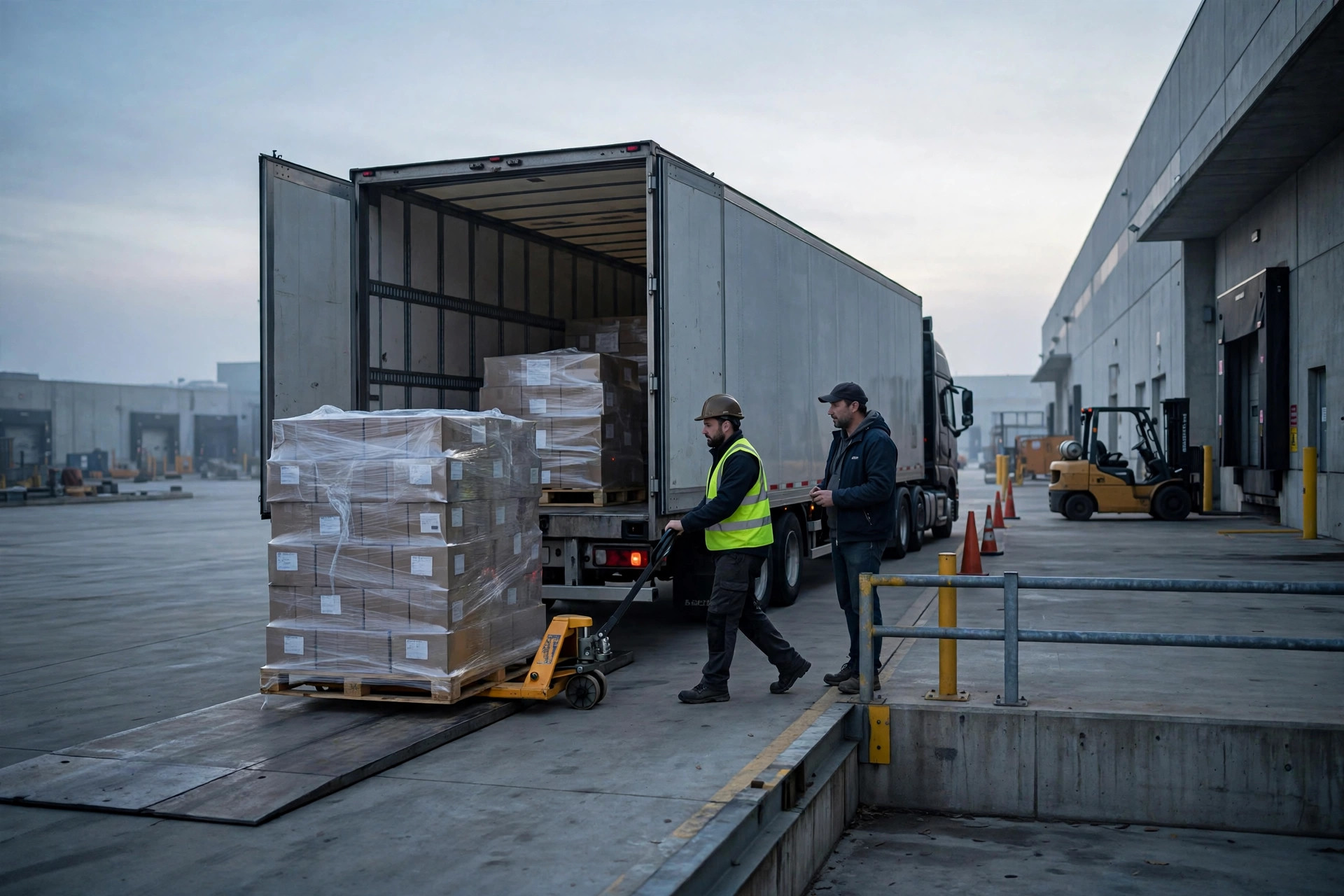
Ontario, California. An e-commerce fulfillment warehouse, fully covered: property, liability, cargo, the works. But the deductible sat in the high six figures (order of magnitude for illustration — your broker's quote is what counts). The owner's logic: cheaper premium, we handle the small stuff, insurance catches the big stuff.
Right idea, wrong execution. He never counted how many "small stuff" incidents happen in a year. We pulled the records: thirty-plus incidents a year — cargo damage, injuries, equipment hits — every one below the deductible. The insurer paid nothing. His annual out-of-pocket exceeded the premium savings. Fully insured, with the lived experience of retaining risk, plus a premium on top.
Two sides to this: a deductible is leverage. It moves big risk off your books, but it magnifies what you pay on small risk. Set it without knowing your loss frequency and you're adjusting leverage blindfolded.
Do the math: self-insurance vs. buying coverage
Don't guess. Fill in your own numbers:
| Retaining risk (self-insurance) | Buying coverage | |
|---|---|---|
| Premium | Zero — but you must fund a risk reserve (suggest 2x your largest single historical loss, minimum) | Fixed annual cost, six to seven figures (broker's latest quote rules) |
| Deductible | You pay everything | You pay below the deductible; the insurer pays above |
| Risk exposure | Uncapped — one black swan can eat years of profit | Capped at deductible + premium |
| Cash flow | Violent swings in a loss year | Premium spread monthly, cash flow stays smooth |
| Hidden cost | You build your own claims, risk, and legal muscle | The insurer brings underwriting, claims, and risk services |
See it? Every dollar of premium you "save" has to sit in the reserve, untouched — not saved-and-spent, saved-and-parked. If you can't do that, you have no business retaining risk.
How big should a self-insurance reserve be
Three steps, none optional.
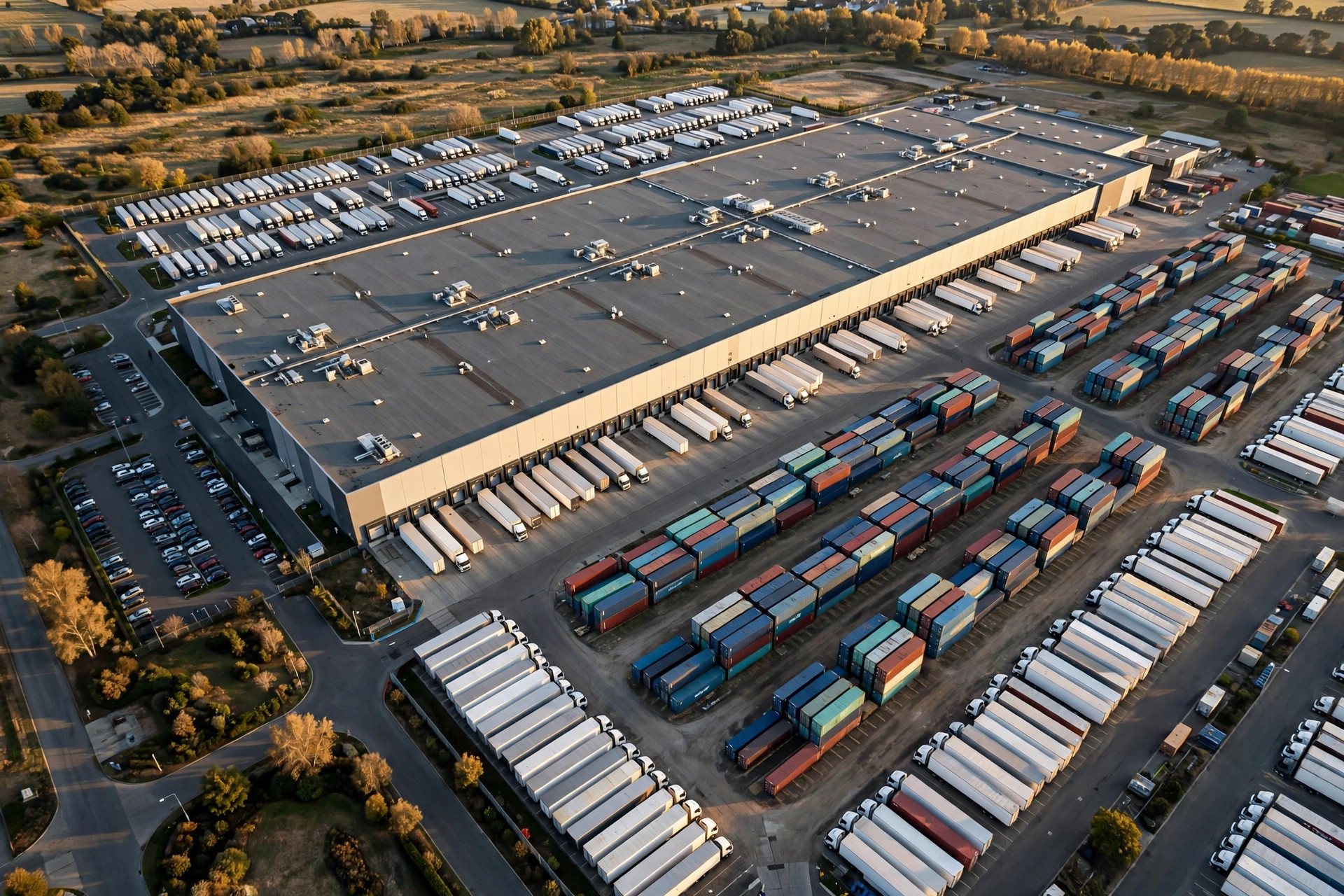
First, map the exposure. List what's actually at stake: goods at peak customer inventory value, not average; building replacement cost; equipment; plus third-party liability (injuries, visitors, neighbors). Worst case isn't "average loss" — it's maximum single-point loss times knock-on effects. That's where the Houston warehouse died.
Second, read your history. Pull every incident from the last five years, big or small. Two numbers: average annual out-of-pocket, and largest single loss. Floor the reserve at 2x that largest single loss — because losses never arrive at the average.
Third, stress-test. Ask yourself one question: if the phone rings tomorrow morning and half the warehouse is gone, is the reserve enough? If not, buy coverage — or go hybrid: high deductible plus excess coverage. Small losses on you, big losses transferred. That's what most large warehouses actually do, and it's the starting point I'd recommend.
The contrarian take
People say self-insurance is "a rich company's game." Wrong. It's a good-accounting company's game. I've seen a 3PL doing tens of millions in revenue run it beautifully, and nine-figure operators get crippled by a single event. The dividing line isn't size. It's three things: real loss data, a reserve account with tax-payment discipline, and someone willing to follow the playbook when the loss hits instead of improvising.
An insurer's most profitable customer is the warehouse that's scared enough to buy full coverage and disciplined enough to never file a claim. If your data is good and your risk control is good, why hand them that profit? Flip it — if you can't tell me what you paid out of pocket over the last three years, buying coverage is currently the cheapest risk management you can outsource.
Advice for warehouse owners
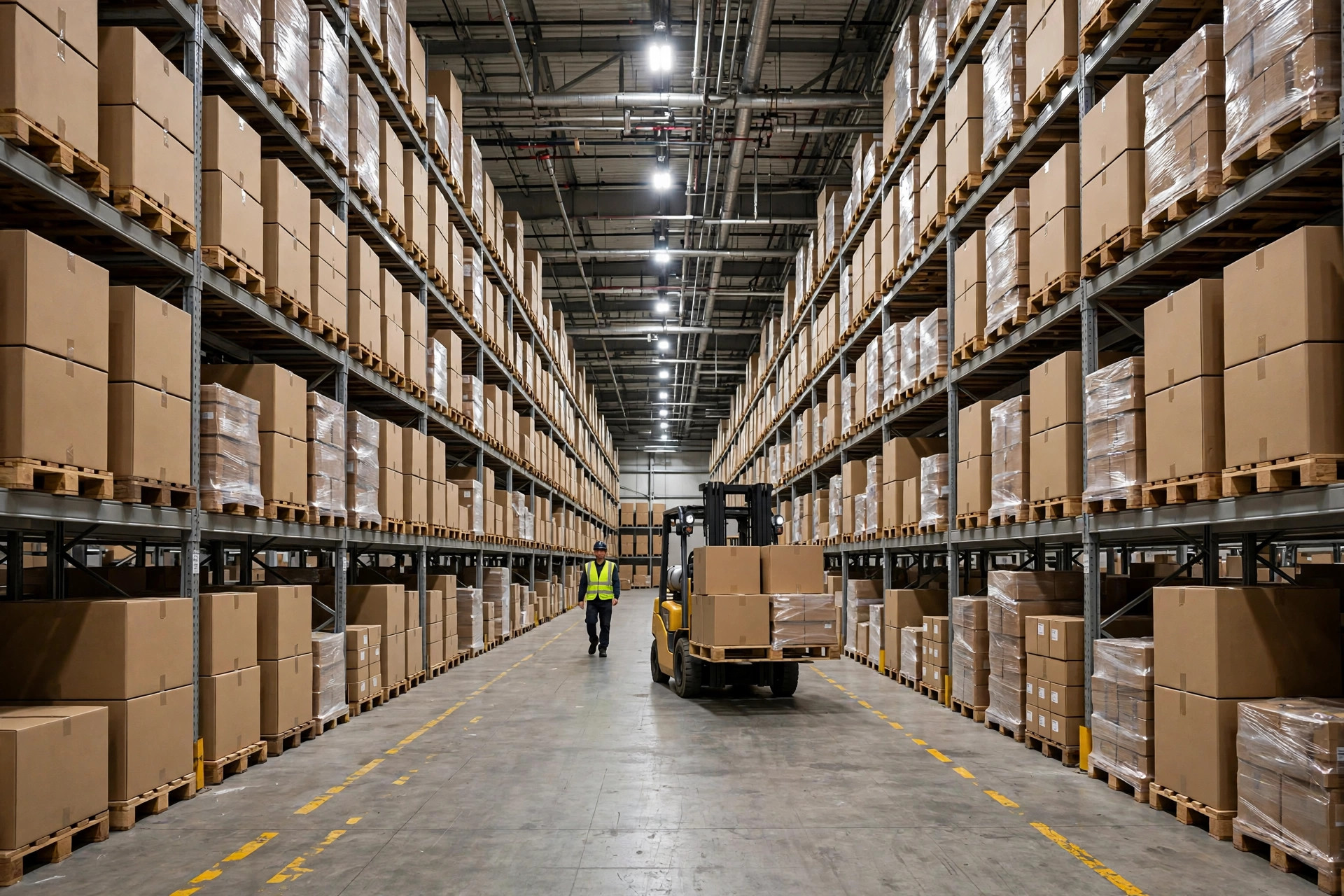
Between retaining risk and buying coverage there's a middle ground: high-deductible policies plus a fully funded reserve. That's the actual choice for most warehouses over 100,000 sq ft. Pure risk retention fits exactly one kind of operation: complete loss data, reserve discipline like tax payments, and management that genuinely understands risk.
One more thing 3PL operators miss: your premium is billable. Most 3PLs bake insurance cost into the storage rate — customers accept it, because their goods sit in your building and they want to sleep at night. The premium you "save" by retaining risk earns you nothing extra from the customer; but the claim you can't pay costs you the customer. And 3PL losses carry a second bill self-operators never see: SLA penalties and lost accounts on top of the goods themselves. I watched one operator fund a reserve against inventory value alone and come up a country mile short. Run the 3PL math separately.
One last question: which number is bigger — your annual premium, or what you actually paid out of pocket over the last five years? If you can't answer, don't sleep tonight. Pull the books first. That math is worth one evening.
By Lao Mi, Supply Chain Veteran (20 yrs)