Let me tell you something: warehouse sectional door selection is a ledger I learned at the gate, waiting, not in an office. After all these years on the road, I know a warehouse door is the kind of thing nobody thinks about until trucks stack up outside it.
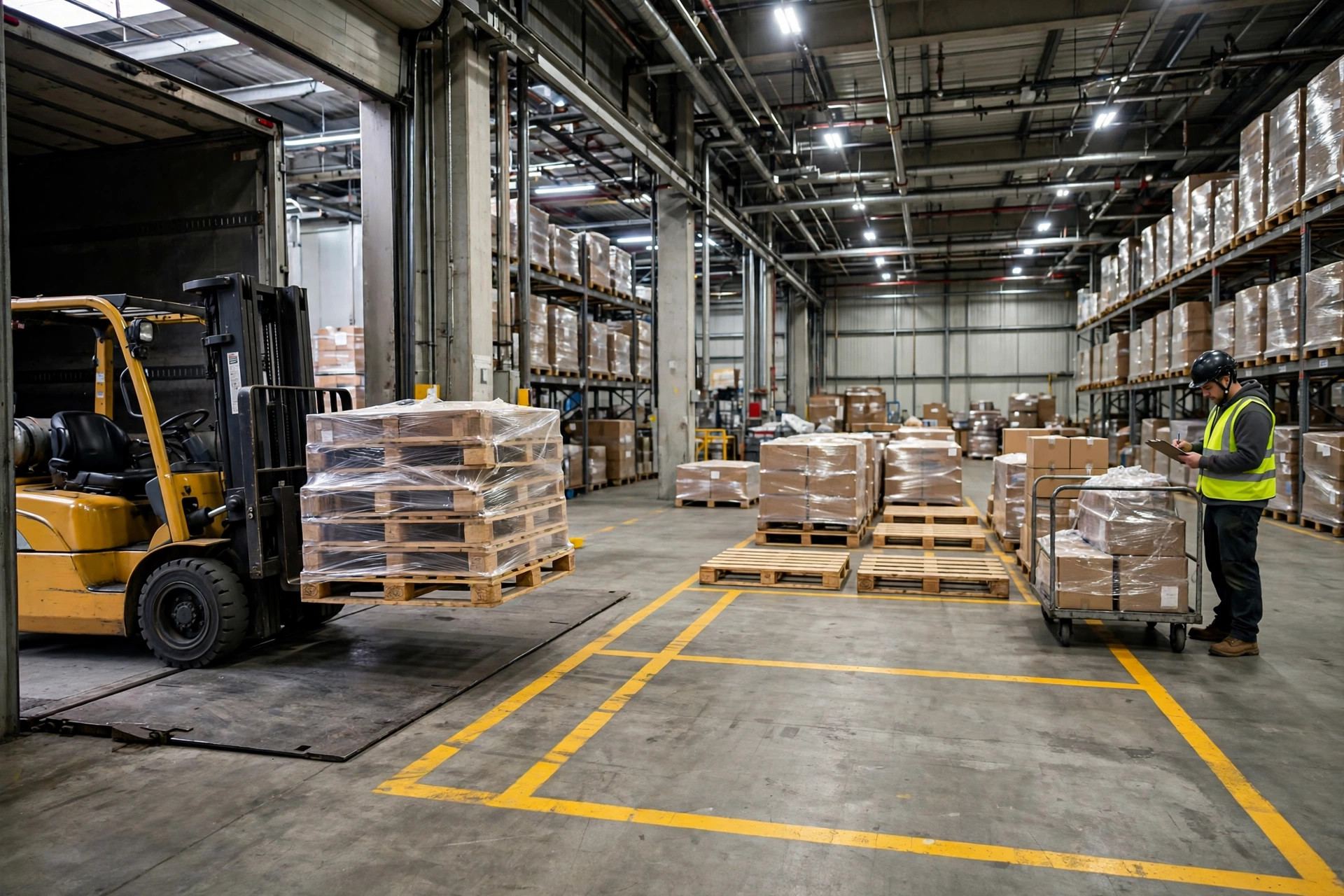
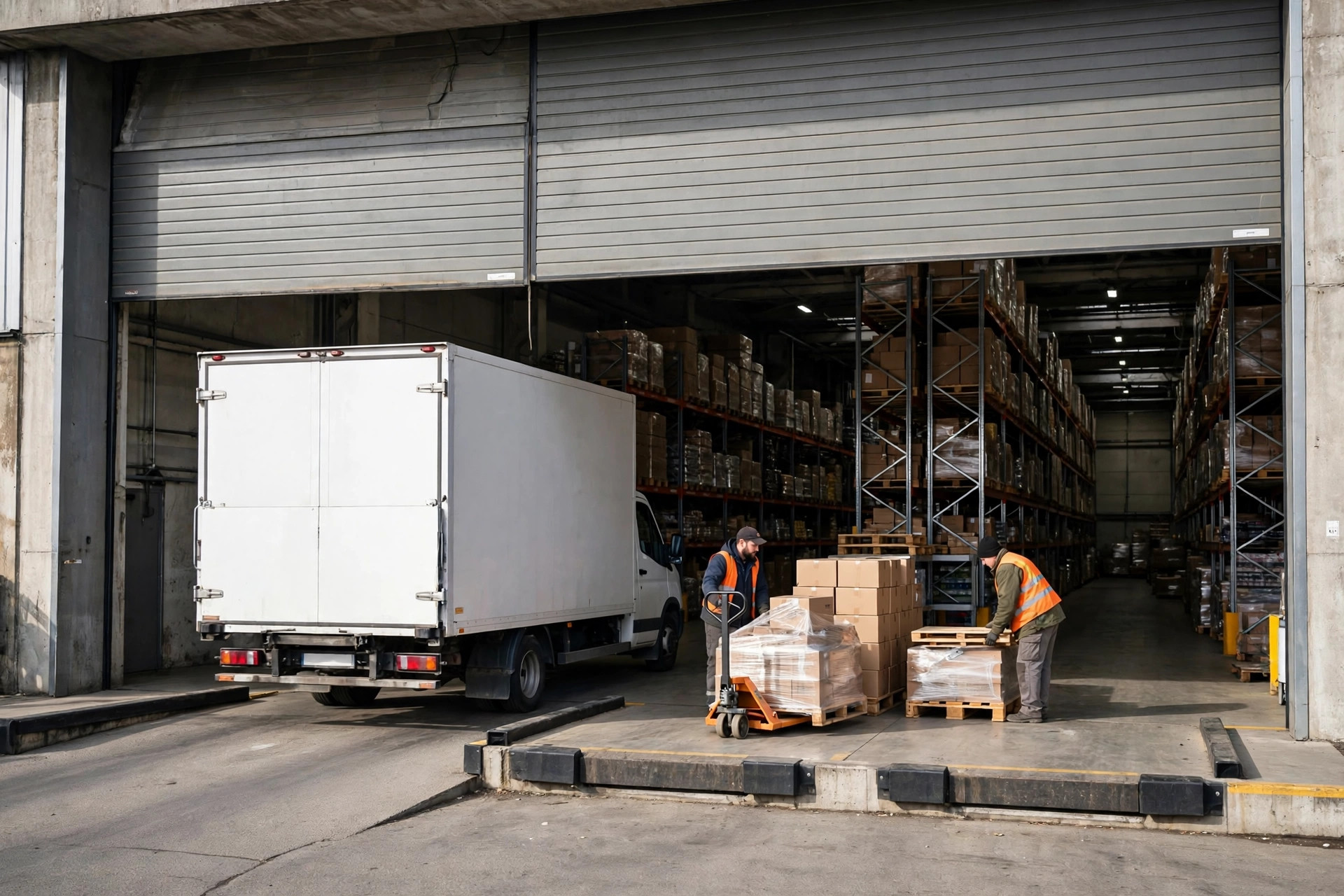
One winter morning a couple of years back, I hauled a load into a warehouse outside Ontario. The wind was up, the air was cold, and the big door at the dock rose so slowly it seemed to think about every inch. Halfway up it stalled. I sat in the cab watching trucks line up behind me while dispatch kept calling on the radio and the warehouse crew kept glancing at the door like staring at it might help. When it finally opened, cold air poured straight onto the dock. The young fellow checking paperwork at the door pulled his collar up and could barely hold the sheets steady. The unloading itself did not take long. Waiting on that door, and waiting for the wind to ease, ate most of the morning. Later I talked with the fellow running the place. He said the door had been there for years and worked fine most days, but cold and wind brought out every weakness it had.
Another time, in summer, I delivered to a consumer-goods warehouse where trucks came and went all day and the dock door never really rested. That place had a high-speed roll-up door. It was quick. By the time my truck reached the door, it was already open, and once I was inside, it dropped shut behind me. It fit that warehouse like a glove, because the rhythm there was constant coming and going. The crew told me forklifts had clipped the worn curtain twice. Speed has its price. Slowness has its trouble. Nothing about a dock door comes free.
Warehouse Sectional Door Selection Starts With How Many Times That Door Opens a Day
Before you ask how thick the panel is or what motor it carries, ask one question: how many times does this door actually open in a day? A warehouse with only a few trucks a day can live with a slower door. A driver waits a little, the crew keeps working, and nobody's day falls apart. A busy dock is a different animal. Every minute the door takes is another truck in line, and once the line forms, dispatch, drivers, and receivers all start running behind. The whole unloading rhythm gets knocked sideways.
Walk through your own dock's day and the picture gets clear. Are mornings stacked with arrivals? Do afternoons pile up with outbound loads? Are there peaks when several trucks show up at once? At peak times, a slow door turns waiting into the normal state of affairs. On the other side, a dock with few trucks and long dwell times does not need the fastest door on the market. Insulation, sealing, and durability matter more there.
I have seen the wasteful version both ways. A quiet dock buys the fastest door available, pays plenty for it, and barely uses that speed all week. A busy dock buys a slow door to save money up front, then pays for it every single day in waiting time. Time at the gate is funny that way. A driver can afford to wait. An order cannot.
Winter Drafts and Sectional Doors Are Not Just About Panel Thickness
When winter drafts come up, most people point at the panel and say it is not thick enough. From what I have seen on the road, drafts usually do not come through the middle of the panel. They come through the edges. A seal that no longer sits right, a gap where the curtain meets the floor, a track that has shifted a little — wind finds every one of those gaps. On a windy day, a small gap still lets in a lot of cold air, and the people on the dock feel it first. Goods stored near the door feel it next.
Count this ledger in three parts. The first part is people. Dock workers standing in cold drafts work slower, make more mistakes, and call in sick more often in winter, and once staffing gets thin, scheduling gets hard. The second part is goods. Freight that dislikes cold or damp, parked near the door, takes a beating every time wind pours in, and the rework, claims, and awkward calls to customers all come later. The third part is energy. Cold air in means heat runs constantly to fight it, door cycle after door cycle, all day long. Add those three parts together and they usually dwarf whatever you saved, or spent, on the door itself.
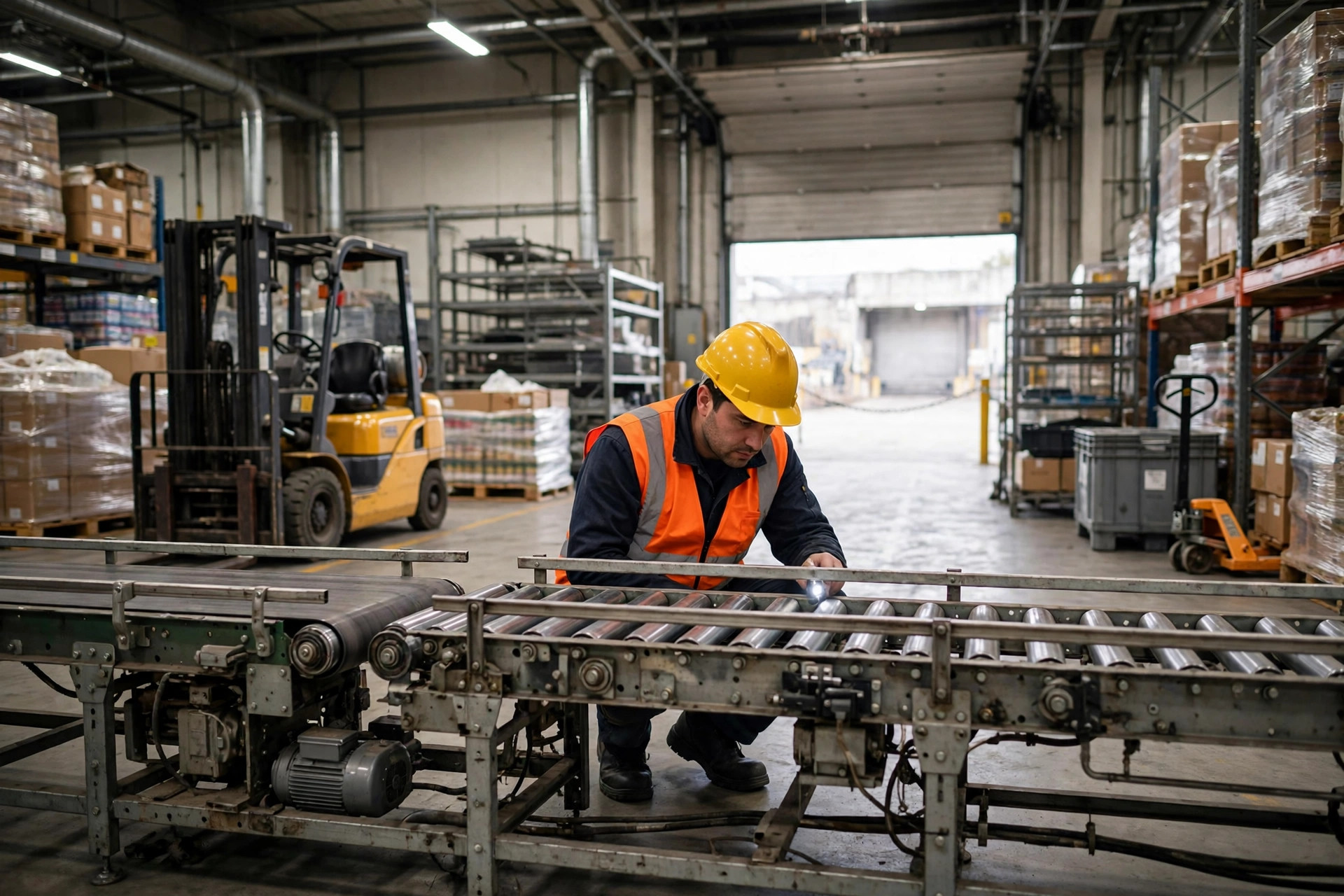
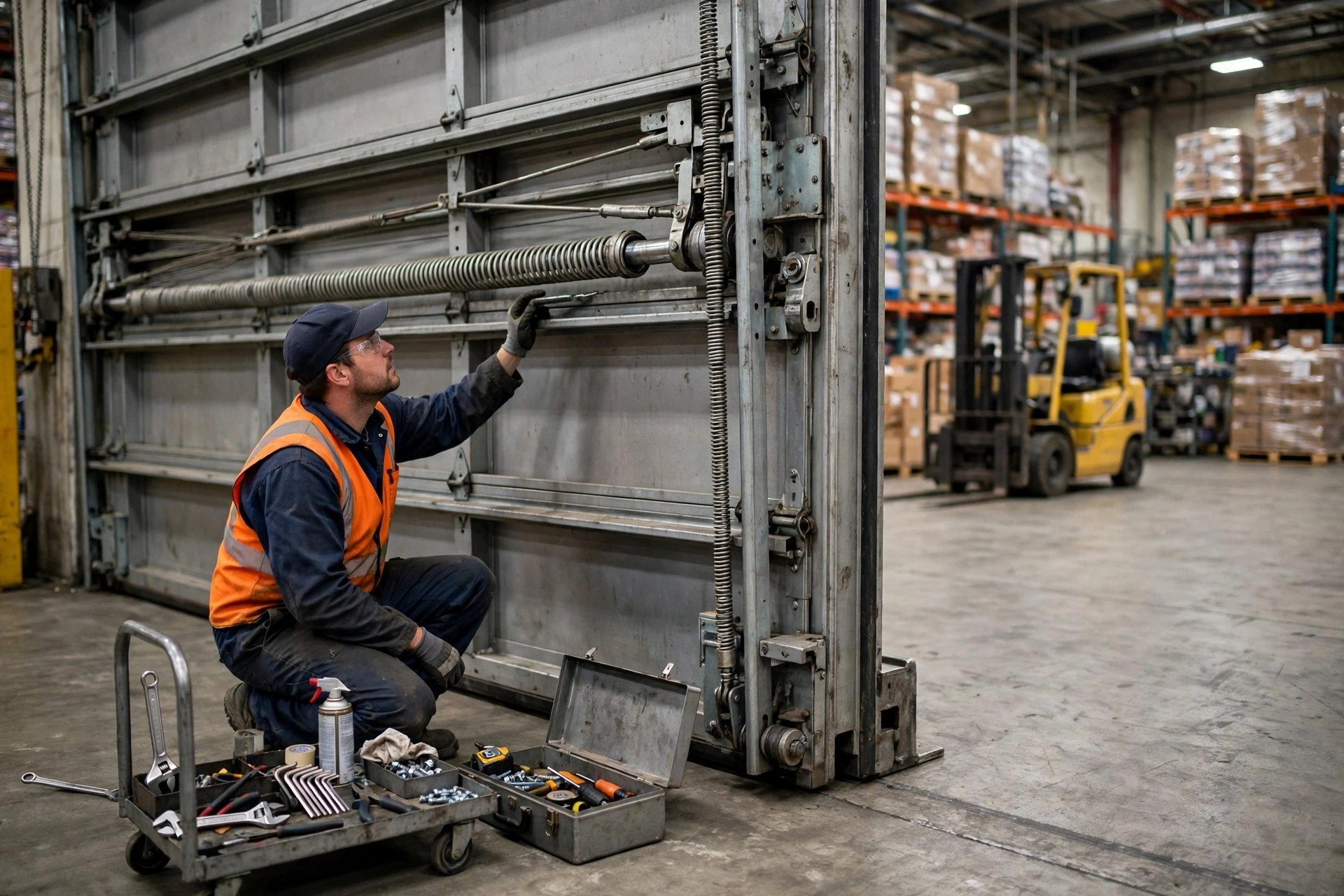
So when you look at a door, do not just knock on the panel. Crouch down and check the edges, the bottom seal, and the joints, and stand inside with the door closed to feel for wind finding its way in. Worn seals, bent tracks, and a door that no longer closes square are small problems in summer and open invitations to winter wind. Sometimes refurbishing an old door beats replacing it. Sometimes it is money thrown away. The deciding question is whether the frame and track are still solid. If the bones are gone, new seals are just a patch on a failing door.
| How to compare | Sectional door | High-speed roll-up door |
|---|---|---|
| Right rhythm | Few trucks, long dwell times | Constant truck traffic, a gate that barely rests |
| Winter insulation | Solid panel, holds up well when it seals tight | Fast cycles mean each opening leaks briefly, but seals need frequent checks |
| What to watch | Slow lifts, queues at peak times | Curtain and seal wear, damage from forklift clips |
| Everyday upkeep | Tracks, springs, and seals checked on a schedule | High cycle counts mean maintenance has to keep pace |
| In one line | Steady, suits a gate that is not rushed | Quick, suits a gate that never stops |
That table is not a shopping list. It is a list of questions. Take it to a supplier and ask: with my dock's truck count, how often do these seals need replacing, how often should the track be checked, and what happens on a windy winter day? If the answers are vague, or if all you hear is praise for their own door, slow down and talk to another supplier before you decide.
Straight Talk for Warehouses and Shippers
My advice to shippers is simple: go look at the dock door before you judge a warehouse by its capacity and price. You will not be standing at that gate on delivery day, but your freight will be. One backup at the gate costs you delivery time. Freight sitting on a windy dock loses condition by the hour. Before you sign, ask the warehouse how many times that door cycles a day, how they keep winter wind out, how fast they can fix a broken door, and what the backup plan is. The answers to those few questions tell you a lot about how seriously the place is run.
For warehouses, my advice is just as plain. Do not nurse a failing door along and hope nobody notices: queues at the gate, workers freezing, and customers complaining together cost more than a repair. Check seals, tracks, and closures in autumn, replace what is worn, and adjust what is off. Keep the dock approach clear, too, since clutter near the tracks keeps a door from closing square and invites forklifts to clip the curtain.
Here is the counterintuitive part, and I will say it plainly: the fastest door is not always the best door, and the thickest panel does not always insulate best. A fast door at a quiet gate is money wasted. A thick panel on a door that does not seal is insulation wasted. A door earns its keep when it matches the work at that gate: the truck count, the wind exposure, how delicate the freight is, and how cold the winter gets. Get those lined up and the door stops being something you worry about. Get them wrong and you pay at the gate every day.
After all these years on the road, I keep coming back to one belief: when the gate runs smooth, the whole warehouse runs smooth. A door that lifts when it should, seals when it closes, and keeps winter wind outside saves drivers waiting time, spares workers the cold, and keeps freight out of the draft. That is a ledger worth settling up front, and it is the heart of warehouse sectional door selection done right.
By Shifu Zhao, Trucking Veteran (15 yrs)