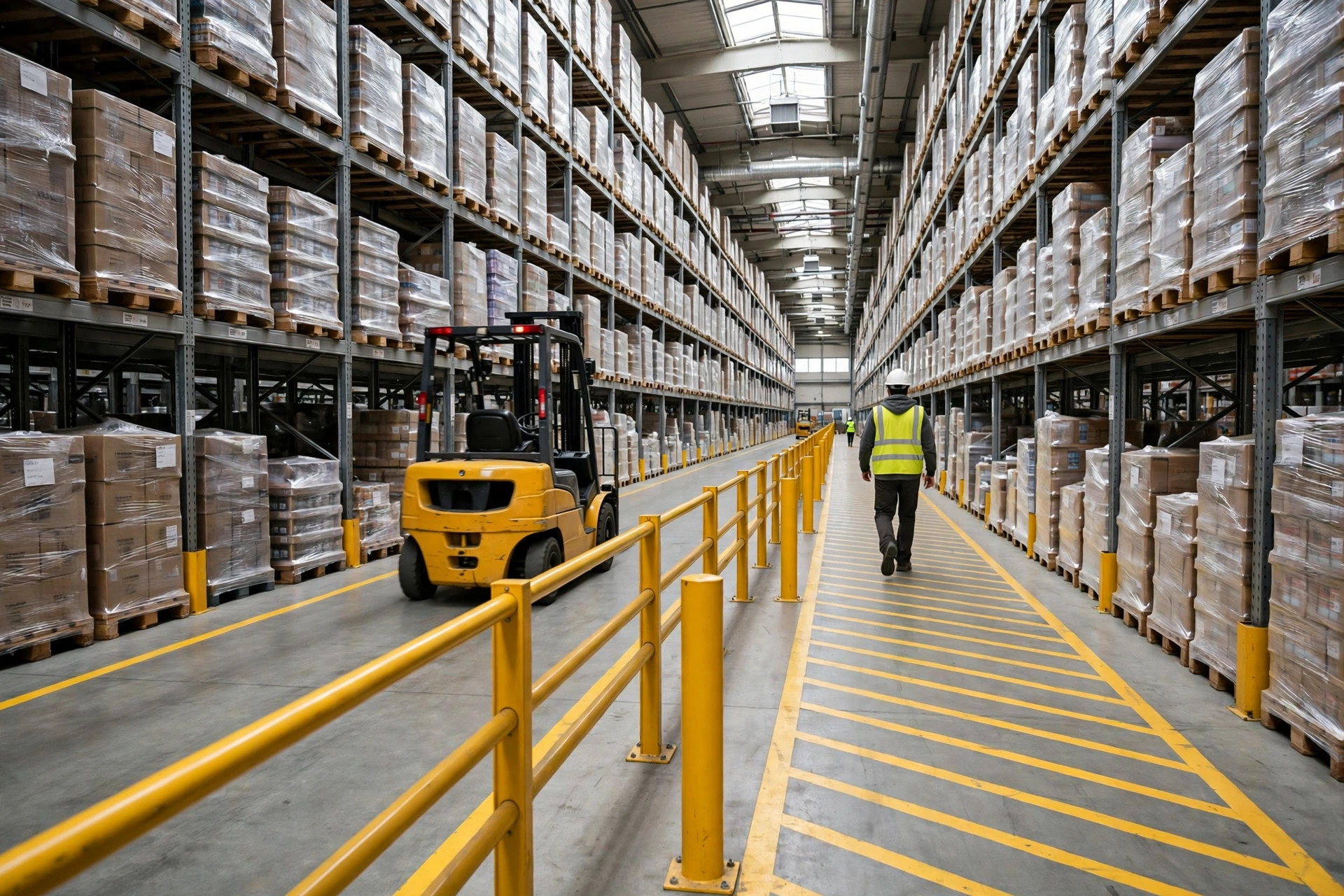
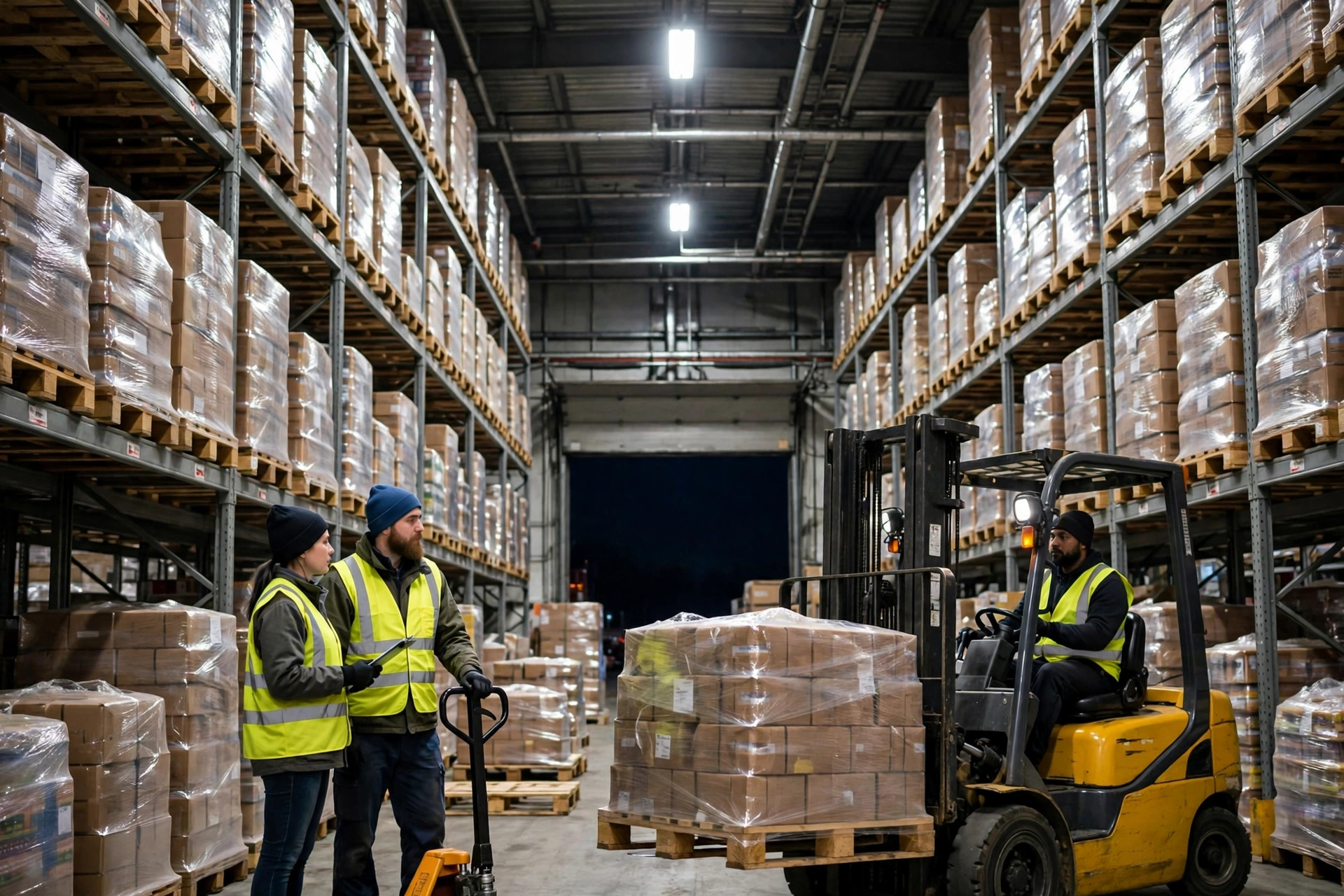
When I moved from selling online to running a small warehouse, warehouse PPE management looked like the easiest job on the list. Someone asks for gloves, you hand them gloves. Nobody asks, you save money. Then two incidents in one month taught me that this lazy version costs far more than the careful one.
In November 2024, a picker on my team was opening cartons with gloves worn paper-thin at the palm. A tape edge caught, the carton flap slipped, and the blade cut through his left index finger. Five stitches, three days off work. I blamed carelessness until I looked at the glove. The palm was shiny from wear, with a small split at the finger seam. That glove could not stop a cardboard edge or a plastic strap. It was protection in name only. After that, I set a simple rule: worn thin, stiff, torn, or split means replaced, no debating, no finishing the shift first.
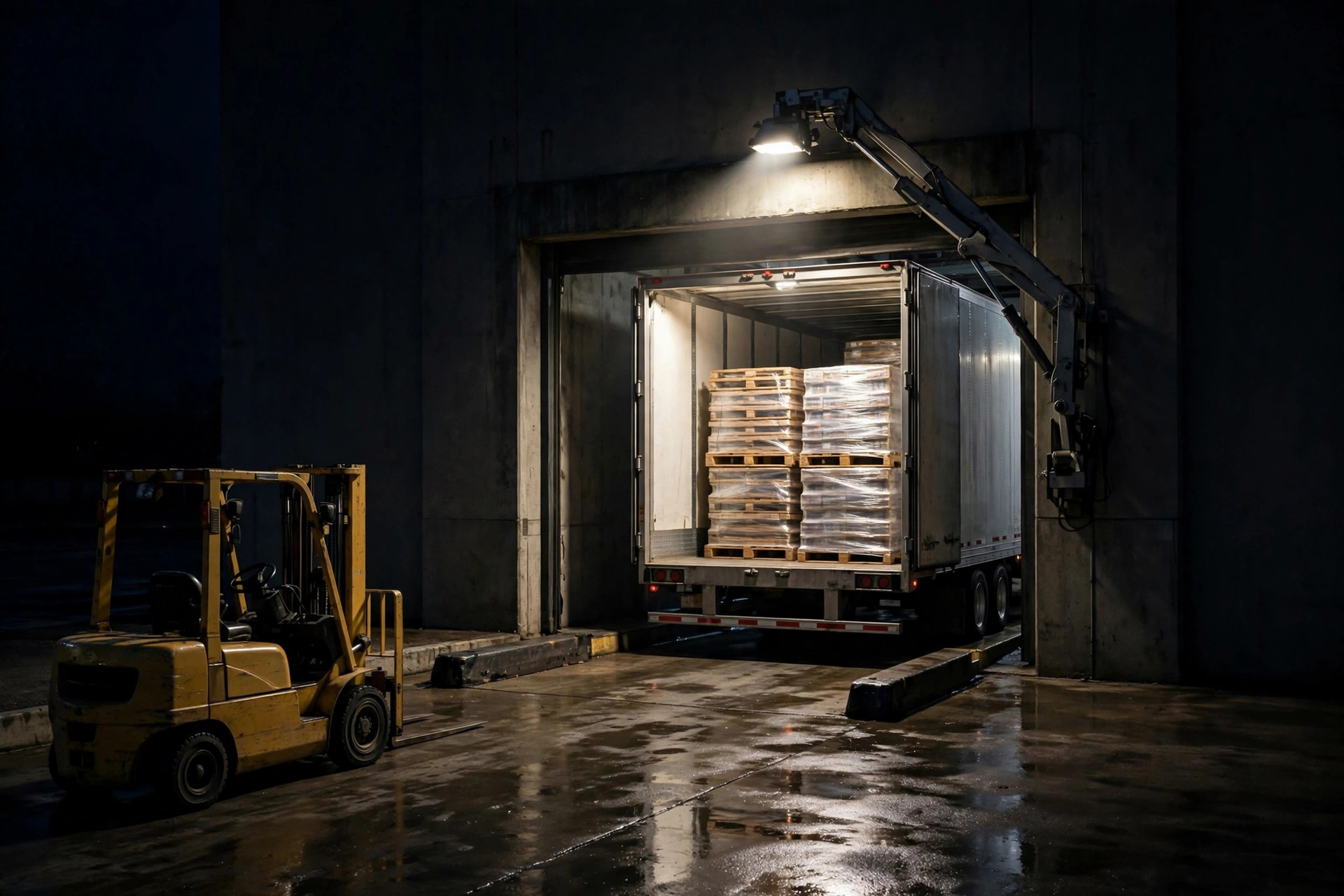
In March 2025, the dock gave me the second warning. A veteran worker had worn the same safety shoes for almost two years. The tread was flat. He pushed a manual pallet jack across a patch of floor with a little oil on it, his foot slipped, and the load wobbled. Nothing fell, nobody got hurt, but we all watched a pallet come close to tipping. When I asked why he had not swapped the shoes, he said the replacement form was a hassle. I killed the form that day. Flat tread, peeling toe cap, or laces that will not hold now means walk to the supply room and swap, no signature from me required.
Those two days changed how I price this stuff. The cheapest glove is the most expensive PPE in the building. A thin bargain pair might cost a few dollars, but a picker can burn through three pairs in a month, and each worn-out pair raises the odds of a cut. The real bill is not the purchase price. It is the injury, the lost shift, and the temp worker you scramble to cover it. I stopped asking what a pair costs and started asking whether it can survive until the next replacement point in that job.
Warehouse PPE by Job Zone: Stop Issuing One Glove for Every Job
Picking, packing, dock work, and cold storage do not need the same gear. Issuing one standard kit to everyone wastes money and leaves real risks uncovered. This is the chart I now post on the supply room door:
| Job zone | Gloves | Goggles | Safety shoes | Why it matters |
|---|---|---|---|---|
| Picking | Cut-resistant, grippy palm | Only when cutting straps | Steel or composite toe, slip-resistant sole | Carton edges and straps cause most cuts |
| Packing | Thin, fitted, dexterous | Impact-rated for taping and cutting | Protective toe | Thick gloves cause mislabeling and dropped items |
| Dock and loading | Heavy-duty, abrasion-resistant | When dust is heavy during loading | Protective toe, puncture-resistant, slip-resistant sole | Oil, forklifts, and uneven loads share the same floor |
| Cold room | Insulated lining, grippy palm | Anti-fog style when condensation fogs lenses | Insulated, slip-resistant sole | Standard gloves go stiff within half an hour in the cold |
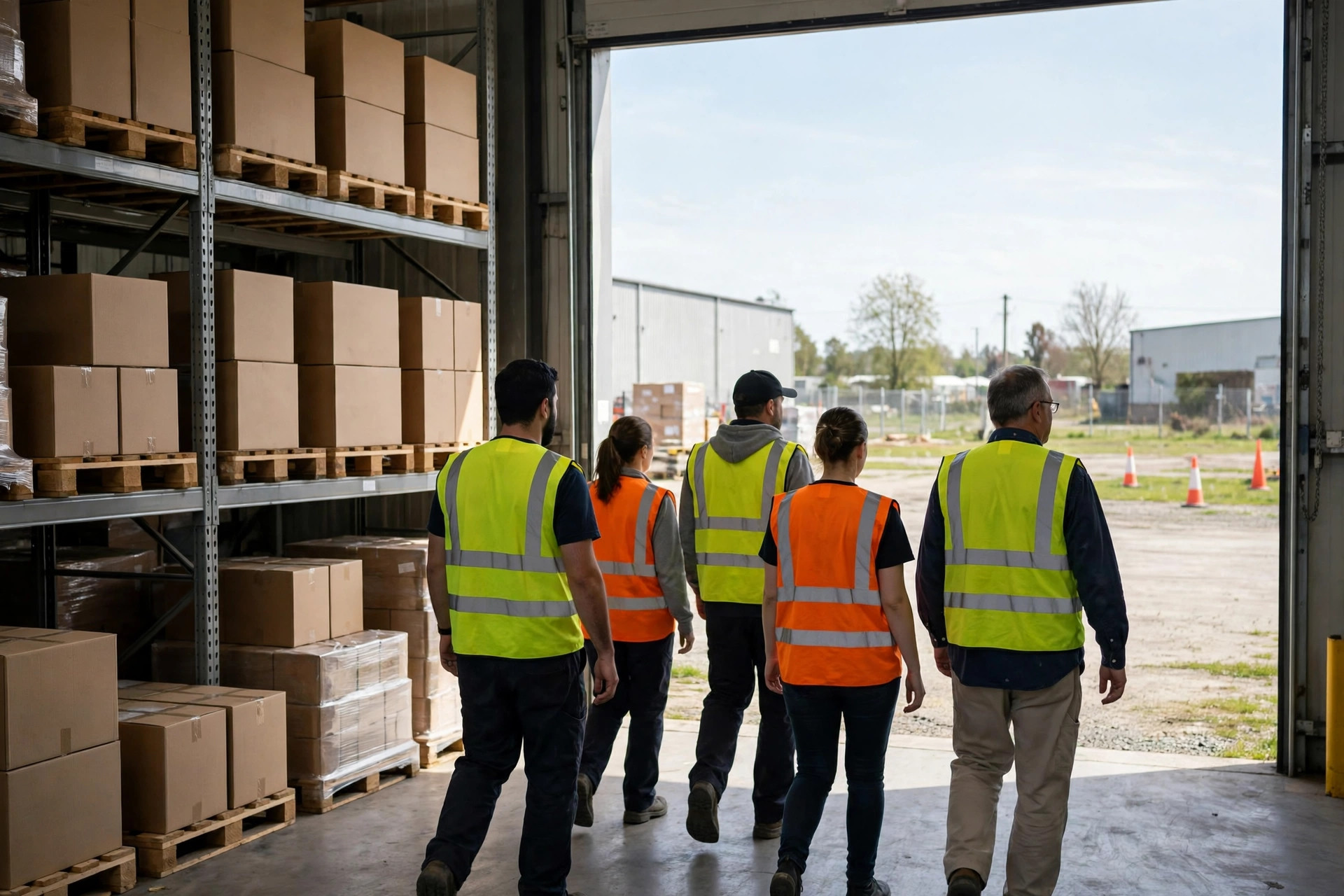
New hires walk this chart on day one. They pick up their zone kit, and I explain what each item is for, when it fails, and where to swap it. Ten minutes up front saves weeks of arguing later.
When to Replace Warehouse PPE: Judge the Condition, Not the Calendar
I tried calendar replacement first: gloves every month, shoes every year. It failed in both directions. A heavy picker destroyed gloves in weeks, while a light packer threw away perfectly good pairs on schedule. Calendar rules punish the careful worker and abandon the hard-working one.
Now I use condition triggers, posted in every zone. Gloves get swapped when torn, stiff, split, or when the grip coating wears smooth. Goggles get swapped when lenses scratch, arms break, or fog makes vision unclear. Safety shoes get swapped when tread flattens, toe caps peel, uppers tear, or laces stop holding. Workers judge for themselves and swap directly. The supply room counts stock weekly, so fast-moving sizes get ordered before they run out.
One rule came from a mistake I will not repeat: cut up or mark every returned item before it goes in the bin. I once found a worker reusing his old gloves for dirty jobs, reasoning they were good enough for that. Worn-out protection is not good enough for any job. If it failed the trigger test, it leaves the building.
Keep the Log to Four Columns
My first log had more than a dozen columns. Nobody filled it in, and it died within two weeks. The version that survived has four columns: worker name, item model, issue date, and reason for replacement. Reviewed once a month, that simple log answers three useful questions. Whose usage suddenly spiked, and did the job get harder? Which model keeps getting replaced early, and is the quality wrong? Which zone keeps scratching goggles, and is something wrong with how that task is done?
The log also makes buying honest. Once a quarter I total the real usage by worker and zone, then take those numbers to the supplier. Real consumption beats vague claims about volume every time. Under general OSHA PPE requirements, the employer provides this gear at no cost to workers, subject to the latest official rules. Do not try to claw the cost back from wages. It damages trust, and it is the wrong fight to pick.
Pitfalls That Undo a Good System
The first pitfall is issuing gear and never checking it. During my weekly walk, I look at hands and feet: torn gloves still in use, laces hanging loose. If I see it, we swap it on the spot. Waiting for an incident review is too late.
The second is buying unbranded bargain gear in incomplete sizes. A glove that does not fit is a glove that gets taken off. I would rather stock fewer models with a full size run than a wide range where half the team cannot find their size.
The third is stocking only one type of goggles. Standard, anti-fog, and impact-rated lenses serve different moments. A cold-room worker in standard goggles that fog up will simply stop wearing them. The anti-fog pair costs more and actually stays on a face, which is the whole point.
The fourth is delaying gear for new hires. Nobody should work two days unprotected while paperwork catches up. In my warehouse, gear comes before the first shift, in that order, every time.
I have run this system for over a year. Cuts and near misses dropped, and total spending on protective gear came down compared with the old hand-it-out-and-hope approach. That is the part I did not expect, and it is why I still use it: issue by zone, replace by condition, log four columns, and treat protective gear as a work tool rather than a perk. This trick actually worked for me.
By Ah K, E-commerce Seller (5 yrs)