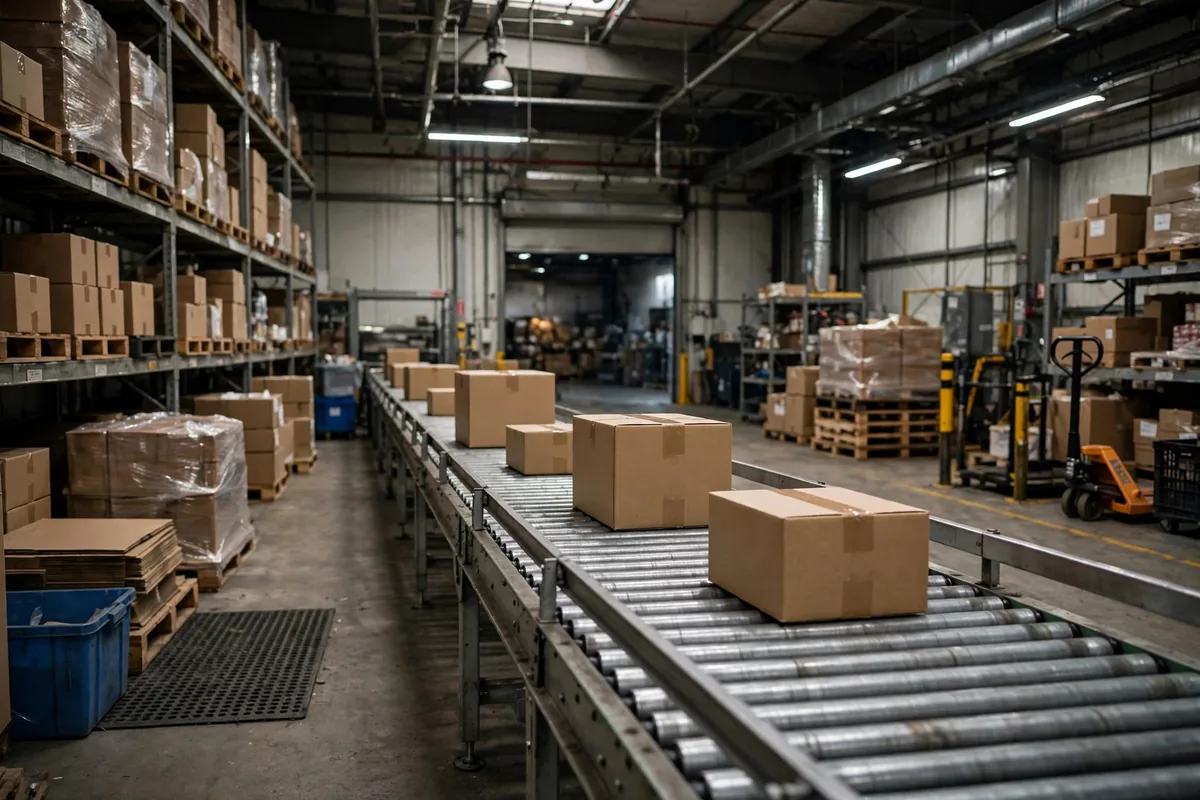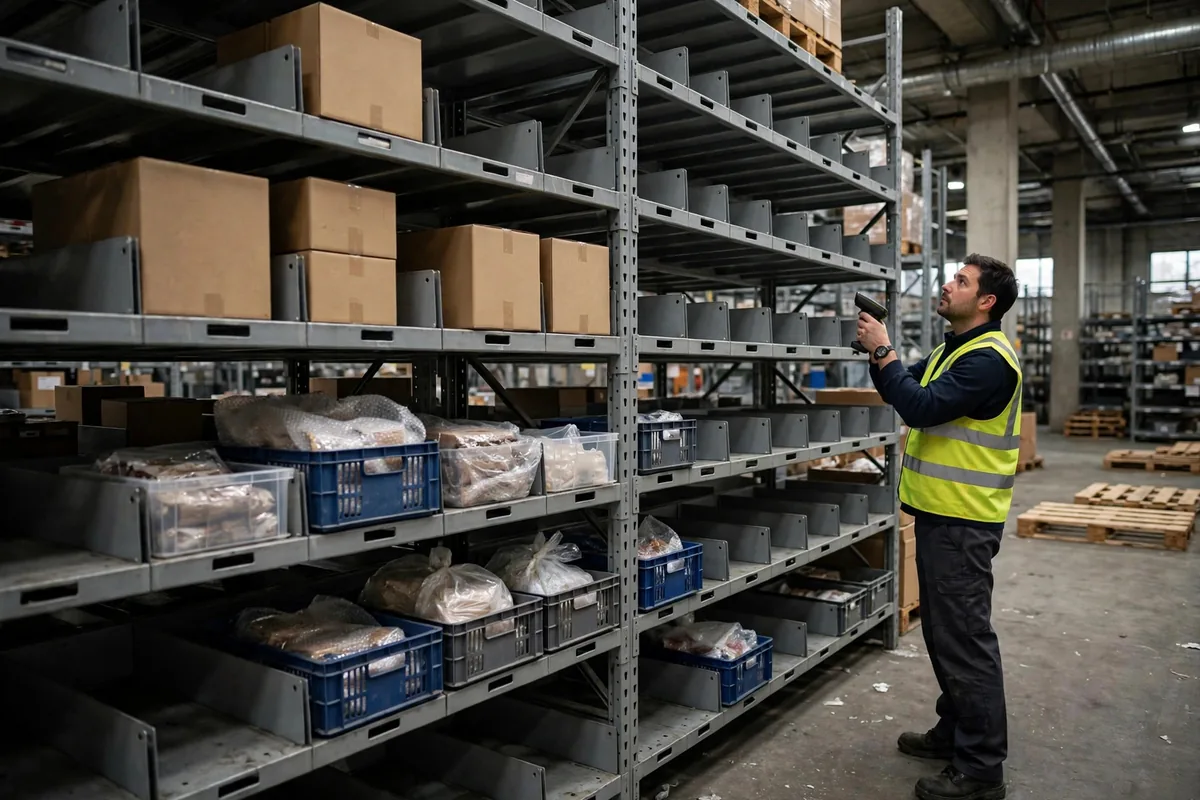
Last peak season, a third-party warehouse in Ontario, California ran out of people — its warehouse peak-season labor forecasting had failed months earlier. Not space, not stock — people. In the third week of November, daily orders doubled, the pick face fell 4,000 orders behind every day, and the client service line melted down. The fix was to call a staffing agency at short notice and pay a premium for warm bodies — close to $30,000 extra in a single week. That money was wasted. Warehouse peak-season labor forecasting exists precisely so you never pay it: the answer is already sitting in last year's data, and if you work it out three months early, the problem never arrives.
The finance team later showed me their numbers. Across the six peak weeks, agency workers cost roughly 40% more per hour than permanent staff, and published industry figures back that range up — temp staffing markups typically run 25% to 60% on top of the worker's pay. The insult on top of the injury: new temps in their first two weeks ran at about 60% of a veteran picker's speed. The money went out, and the orders still didn't ship. Warehouse peak-season labor forecasting is the discipline of answering three questions before the rush: how many people, hired when, and on what terms. Get one wrong and peak season charges you tuition.
Warehouse Peak-Season Labor Forecasting Starts With Three Numbers
You don't need a fancy model. Three inputs are enough. First, historical order volume. Pull last year's daily average orders week by week through peak: which week peaked, how many weeks it lasted, and how far above the off-season baseline it ran. Published reports put the typical peak-season jump at 30% to 50% above normal volume; your own curve from last year is a better guide than any industry average. Second, minutes per order. Time each step separately — picking, checking, packing, labeling — and don't blend them into one mushy number. Third, output per labor hour. A seasoned picker runs 60 to 85 lines per hour in published benchmarks; a new hire manages 35 to 50. The gap between those two numbers is the headcount your training period will cost you.
The arithmetic is simple: peak-week daily orders times minutes per order, divided by productive hours per person per day, divided by your utilization rate. Take a worked example, labeled as an illustrative scenario: 8,000 orders a day at the peak, six minutes per order, seven productive hours per person per day — that is 114 people at full tilt. Apply an 85% utilization rate and you actually need 134. If you have 90 permanent staff, the gap is 44. Once that number exists, hiring, training, and rostering all have an anchor. Without it, every meeting is vibes, and I am allergic to vibes.
Then add a buffer. Absenteeism runs higher in peak season — illness, no-shows, people quitting mid-rush — so add 5% to 8% of headroom on top of the calculated number. That buffer is not waste: the cost of five spare people for a season is far less than the cost of being five people short for three days of late shipments. The worst forecasting mistake is not being 5% off; it is building a plan with zero slack and watching it snap.
Hiring Too Many and Hiring Too Few Lose Different Money
Over-hiring and under-hiring are not the same mistake, and they don't cost the same money. Over-hire by 10 people for six weeks at $20 an hour and you have spent roughly $72,000 in wages and payroll costs in this illustrative scenario, before workstations, equipment, and supervision. Under-hire by 10 and the bill arrives differently: overtime, agency premiums, late shipments, rising mis-pick rates, claims — and in the worst case, a lost client. Public data from the Society for Human Resource Management puts the average cost of filling one vacancy at $4,700 and the average time to fill at 44 days. Hiring in a rush during peak season is expensive, and it may not even work.
| 10 people too many | 10 people too few | |
|---|---|---|
| Direct cost | about $72,000 extra wages over 6 weeks (illustrative scenario) | Overtime and agency premiums, $20,000–$30,000 extra in a single week |
| Hidden cost | Idle workstations, higher overhead per order | Late shipments, more mis-picks, lost customers |
| Recovery | Absorbs itself when the season ends | A lost client rarely comes back |
| Risk character | Controllable, calculable | Uncontrollable, compounding |
In the 2023 Black Friday rush, a home-goods e-commerce operator I know under-hired by nearly a third at peak because their forecast used November's average daily volume instead of the peak week. Five straight days of unshipped orders ended with air freight to catch up on delivery promises — over $40,000 in extra freight alone. The owner put it plainly afterward: every dollar saved on labor came back out of the freight budget, with reputation on top.
The Cheapest Labor Mix for Peak Season: Permanent Staff for the Base, Temps for the Spike
Once the forecast gives you the gap, the question becomes how to fill it cheaply. My rule is permanent staff for the base, temps for the spike: permanent headcount covers the off-season baseline plus about half the peak lift, and agency workers cover only the sharp tip of the peak. That keeps the expensive labor on the shortest possible assignment. Temp labor costs its premium on every hour — 25% to 60% above a permanent worker for the same picking motion — so the longer temps stay, the more you bleed. Use them for the sharpest two or three weeks and no longer.
Lead time is the second lever. Public data says filling a vacancy takes 44 days on average; warehouse floor roles are faster, but a new hire still needs at least two weeks to reach 60% of veteran speed. Count backward: start recruiting 8 to 10 weeks before the peak week, finish training four weeks out, and run a full-load rehearsal two weeks before. That is the logic behind UPS hiring 100,000 seasonal workers for the holiday rush. The bigger the operation, the earlier you lock people in. Wait until November to compete for labor and you get whoever is left.
The third lever is granularity. Many warehouses forecast by the week: 50,000 orders a week means 10,000 a day, so they staff for 10,000 a day — and then Monday brings 14,000 and Friday brings 6,000. Monday drowns, Friday idles. Forecast by day and by shift, size the gap to the single digit, and schedule temps by the day. The granularity of your forecast is the granularity of your savings.
Warehouse peak-season labor forecasting comes down to one sentence: use last year's numbers to work out this year's headcount, and start eight weeks early. Before next peak season, pull three tables — last year's weekly volumes, minutes per order, and output per labor hour — and run the gap. How many, when, and on what terms will answer themselves. And ask yourself one question first: do you actually have those three numbers in hand?
By Lao Zhou, Logistics Cost Analyst