I build automation for a living, so racks were never my home turf, which may be why I see the mistake clearly. People treat racking like furniture that happens to be tall. It is not furniture. It is a structure that works every hour of every day, and warehouse pallet rack inspection cost is the price of knowing whether that structure is still doing its job safely. Most sites do not overspend on inspection. They underspend on attention, then pay for repairs they could have scheduled cheaply.
Let me be direct about what inspection is not. It is not a clipboard walk that ends in a filed form. It is a grading decision: which damage gets logged and watched, which damage gets unloaded and fenced off today. If your team cannot make that call, the inspection did not happen, whatever the paperwork says.
Warehouse Pallet Damage, Graded Like an Engineer
Two scenes, both ordinary, both instructive.
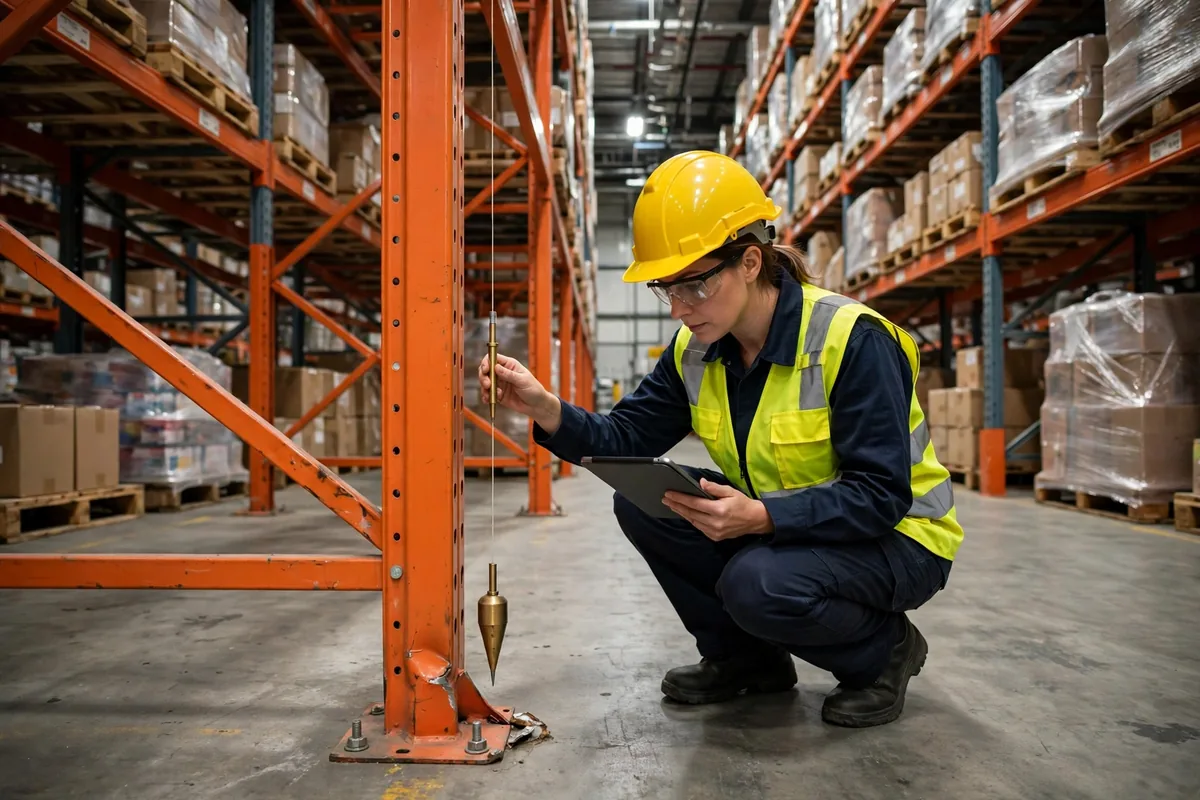
The first is a parts warehouse where forklifts turned tight at the end of a wall-side row. Drivers clipped the base of the same uprights month after month. The column guards were bent and nobody straightened them. The daily walker-by saw scuffed paint and moved on. Then a pallet placement gave the row a light knock and the whole run visibly shuddered. This is like running on shoes with a worn-down heel. It feels like a minor annoyance until one ordinary landing rolls your ankle. Low damage on an upright, near the floor, matters out of proportion to how it looks, because that is where loads enter the frame.
The second scene is a consumer-goods site where a beam had been lifted by a pallet and appeared to spring back once the pallet came out. The crew put the beam back into service. A later third-party inspection found the end connector subtly deformed and a safety clip missing. Beams fool people this way. The question is rarely whether the beam looks straight. It is whether the connector still bites the upright the way it was designed to. This is like a plug that still lights the lamp while its prongs are loose: it works, right up until the poor contact becomes the story.
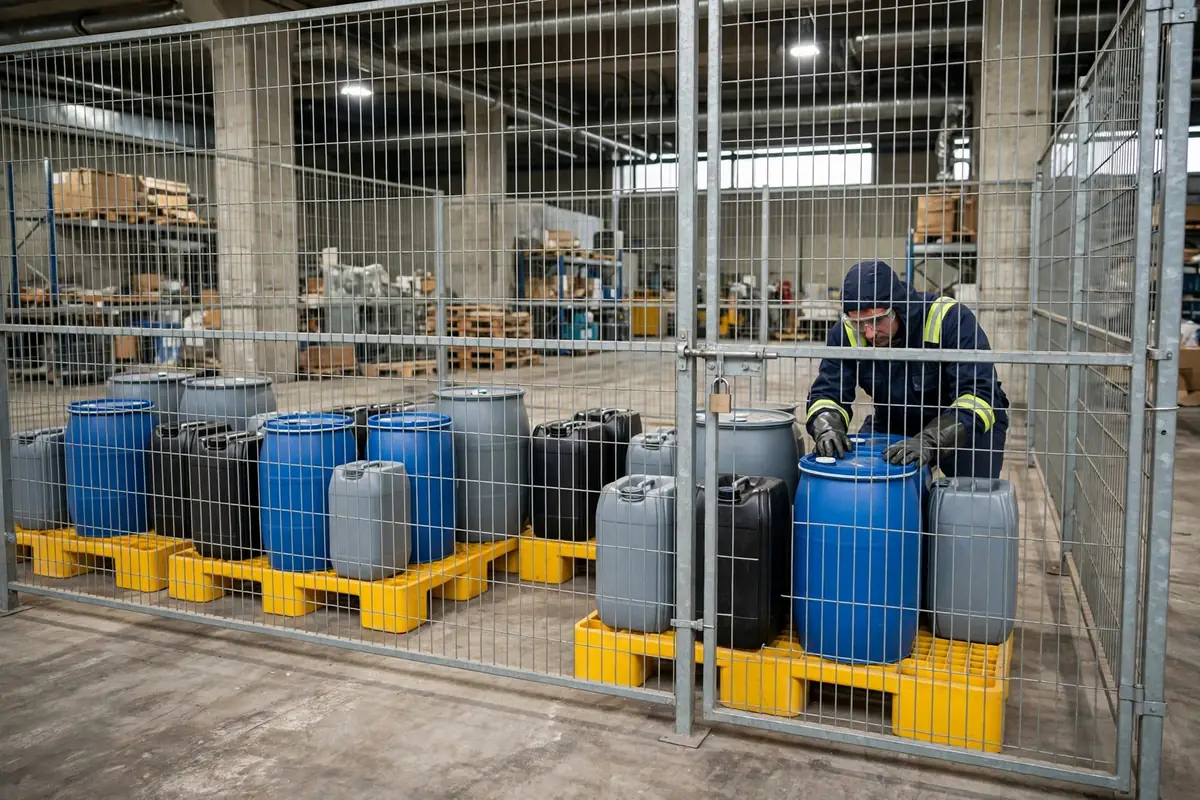
Here is the field grading I teach, with exact thresholds always taken from the rack manufacturer and current professional guidance, never from a blog post. Green is cosmetic: paint loss and light scuffs with no visible deformation. Log it, photograph it, and recheck it next round. Amber is visible deformation: a bent or dented upright or beam, noticeable deflection, or a loose connector. Reduce or remove load as advised and get a competent assessment rather than trusting eyes alone. Red is structural danger: a leaning or twisted upright, a dislodged beam or damaged connector, or loose anchor bolts. Red means unload now, fence the bay, tag it, and keep it out of service until repaired and cleared.
The counter-intuitive point matters most: the most dangerous hit is the one nobody reports. A loud collision at least gets witnesses. A quiet clip followed by a pallet quietly replaced leaves damage in the dark. So the highest-value rule in any program is simple. Every impact gets reported in the same shift, logged without blame first. Punish reporting and reporting stops, and after that your inspections become archaeology.
Rack Inspection Rhythm: Internal Eyes, Outside Judgment
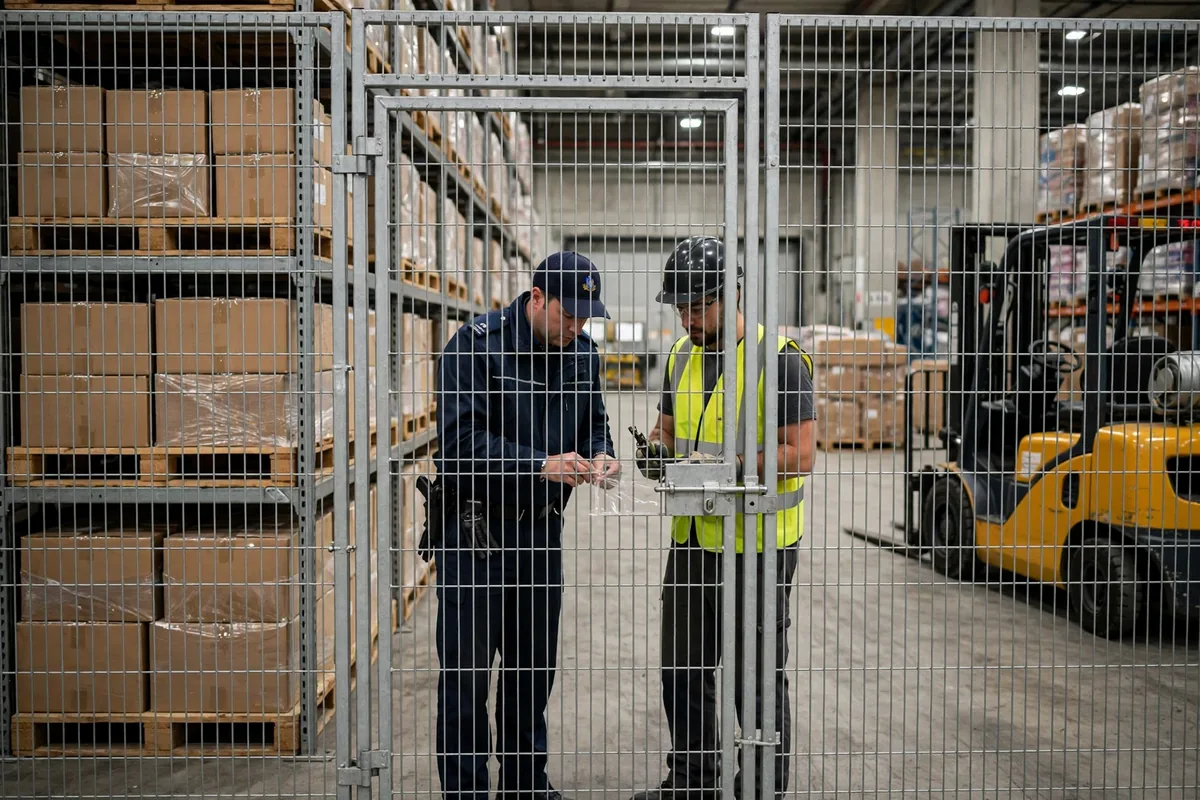
I oppose two extremes. One waits a year for an outside inspector and trusts luck in between. The other inspects everything daily until the crew stops seeing anything at all. The workable pattern is layered. Operators report impacts and obvious damage the same shift. Trained internal staff walk the high-risk zones on a regular cycle: end-of-aisle turns, door approaches, and high-traffic rows first. A qualified third party performs the thorough periodic inspection, and also comes in after major changes, severe impacts, or seismic events. Exact duties and frequencies should follow OSHA and current local requirements, plus the manufacturer's guidance and your own traffic intensity. Do not copy another site's calendar and call it compliance.
The division of labor follows from what each side is good at. Internal inspectors know the floor, respond fast, and cost little, but they go blind to familiar damage and their judgment carries less weight with insurers. A third party brings consistent criteria and a report that stands up in compliance files, yet visits are snapshots. An annual visit cannot watch the other fifty-one weeks for you. Treating it as total coverage is like using a telescope as reading glasses: impressive instrument, wrong job.
Then comes the part sites love to skip: closure. Find, record, grade, act, and recheck. Miss the last two steps and the inspection is half done. I have seen beautiful logs where the same upright damage appeared three months running with the action column permanently reading pending. That log is not a safety record. In any later investigation it reads as proof the site knew and waited.
What the Money Actually Buys
Now the bill. Warehouse pallet rack inspection cost falls into three buckets. The first is internal labor and the small operational friction of inspection itself, including briefly closing an aisle for a closer look. The second is the third-party service fee, which varies widely with rack count, site size, and report depth, so get current quotes from providers rather than trusting any published figure, including mine. The third is repair and replacement: uprights, beams, protectors, and re-anchoring. The third bucket is the volatile one, and it is the one budgets most often pretend not to see.
An illustrative example shows the arithmetic, with round assumptions stated openly. Imagine a site with a few dozen rack rows. Internal staff inspect the high-risk zones monthly, two people for half a day. A third party does one full inspection a year. That year the findings require a handful of component replacements and two short single-aisle closures for repair work. Add internal hours at your own loaded rate, the quoted service fee, and parts plus labor. That sum is the honest annual figure, and in my experience the inspection lines are not the story. Delay is the story. A damaged column base handled early may mean a protector and a local repair. The same damage left until a row distorts means unloading, emptying, replacing a frame section, and losing those pallet positions while you wait.
That is why I call inspection the cheap money and delay the expensive money. One trade-off follows. Column guards and end-of-aisle protection are often cut as optional accessories. On the numbers that is backwards. Every moderate hit a guard absorbs replaces a repair-plus-downtime combination many times its price. It is a screen protector argument: the film is cheap, the screen is not, and skipping the film is not saving, it is self-insuring without admitting it.
Sequence matters, so here is mine. First make impact reporting real. Then fix the internal route around high-risk zones. Then book a third-party baseline so the existing damage backlog is graded once, honestly. Then fund repairs in grade order, reds first. Reverse the sequence and the report becomes a binder nobody owns.
Does warehouse pallet rack inspection cost earn its keep? Watch one number: the average days from damage found to damage closed. If that number keeps shrinking, reporting, inspection, and repair form a living chain. If it keeps growing, you are not buying safety. You are paying professionals to watch problems get older.
By Da Liu, Automation Engineer