In autumn 2023, a cross-border parcel warehouse in Shenzhen got the same complaint three days in a row: customers ordered a black water bottle and received the white version. Warehouse outbound photo verification AI cameras were running, and photos were being saved, but nobody had ever matched a photo against its order. The wrong parcels walked straight out the door.
What Warehouse Outbound Photo Verification AI Actually Checks
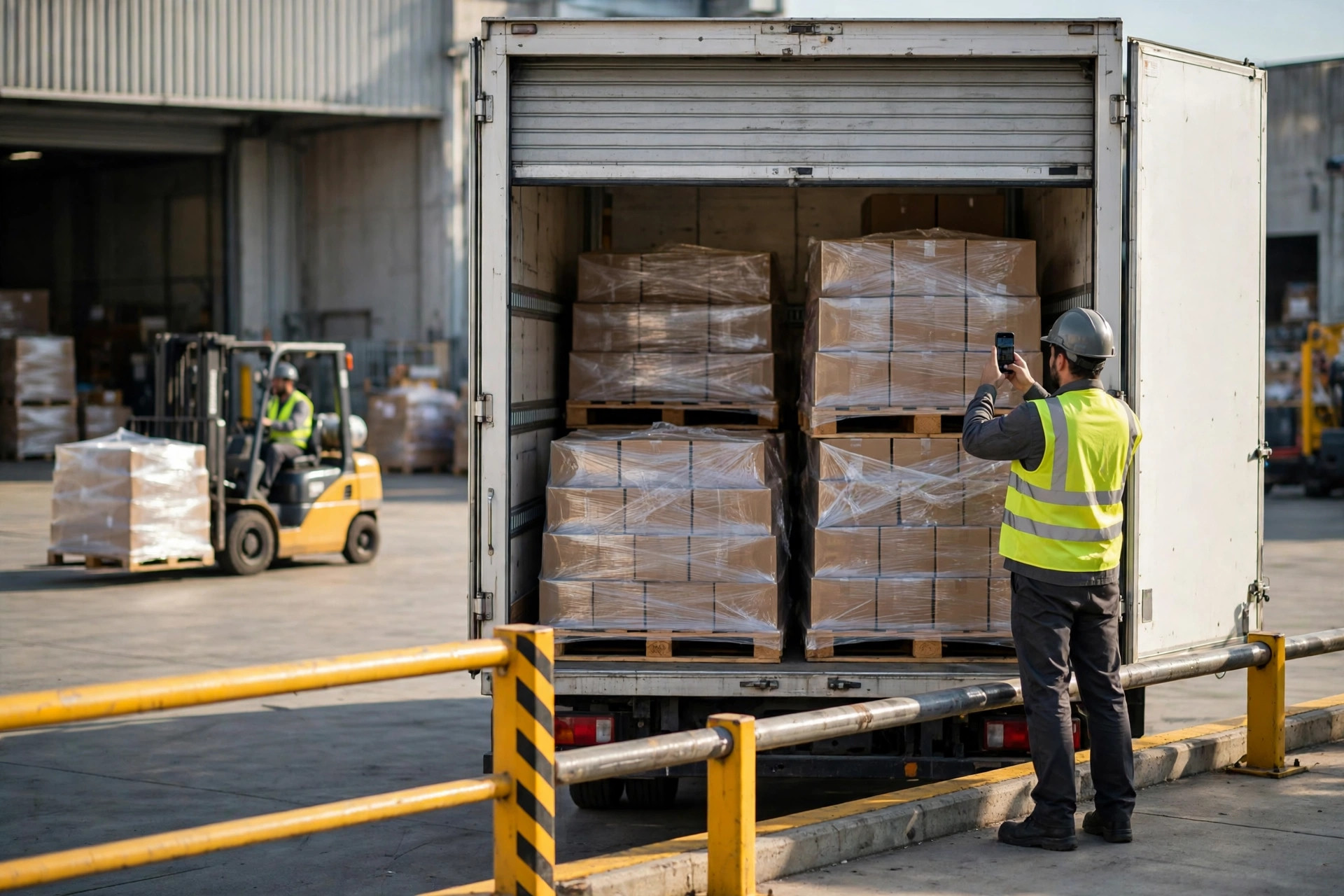
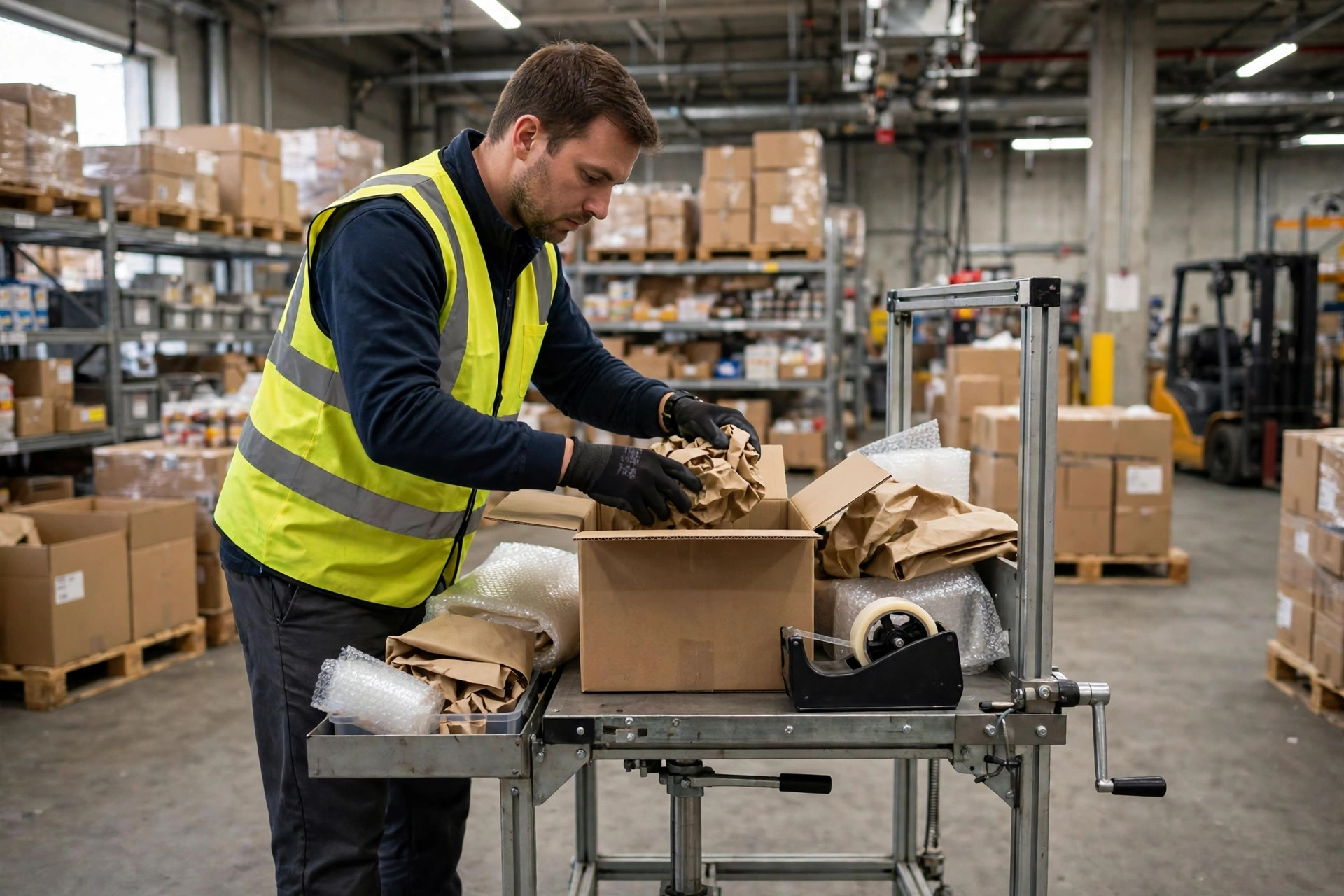
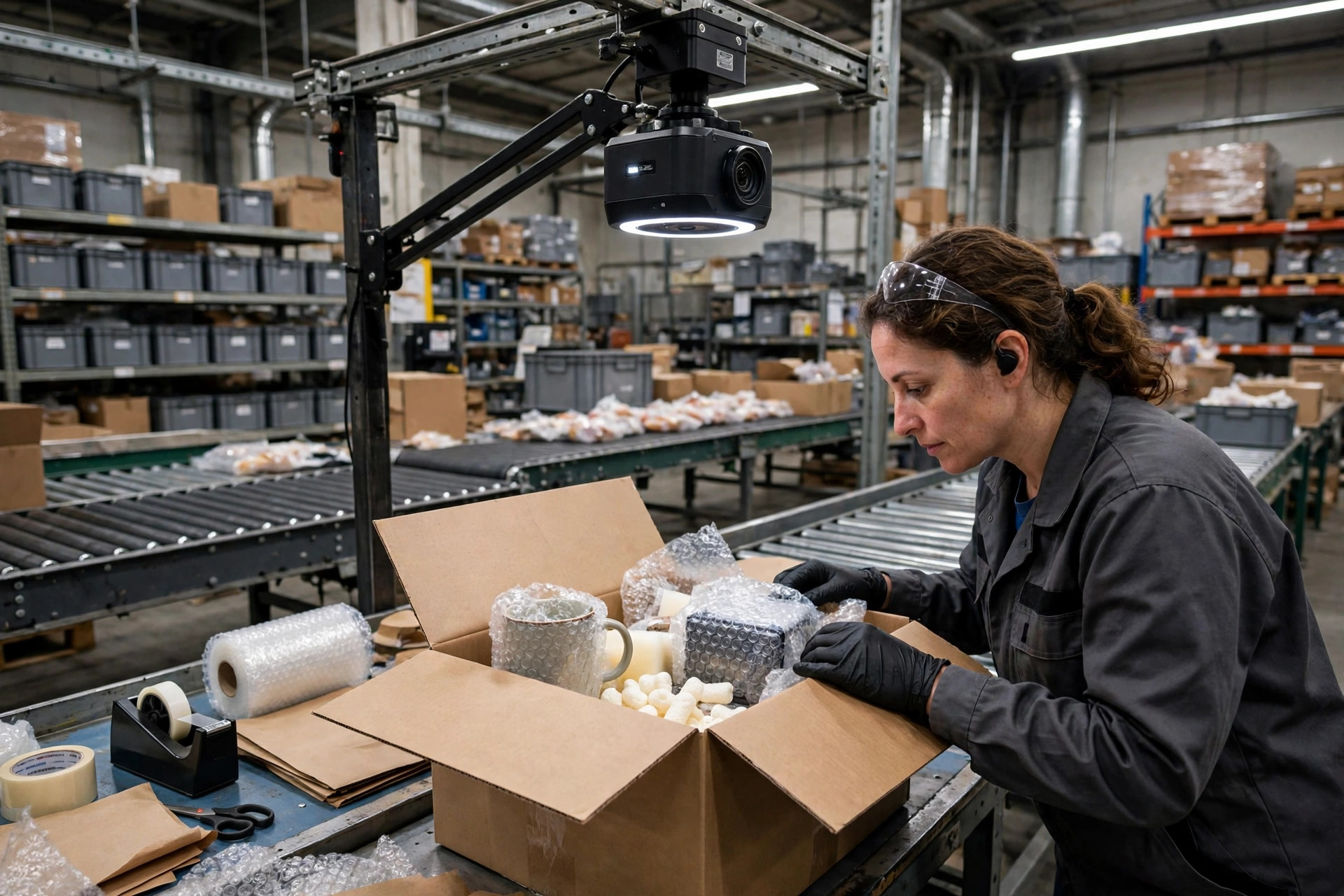
Think of it as a checker at the packing bench who never gets distracted. A camera photographs the parcel before it is sealed, and the system binds that image to the order details, the item list, and the label number. The check runs on three layers. First, the label number must match the order number read by the scanner. Second, the goods in the photo must match the order line by line: appearance, color, and quantity. Third, the seal must look right: tape fully applied, no box damage, and weight inside a reasonable range.
You can understand it this way: the photo itself is cheap, and the binding behind the photo is what has value. Without binding, a photo is only evidence after something goes wrong. With binding, a photo can stop something before it goes wrong. When the Shenzhen warehouse reviewed its mistakes, errors clustered in two situations: same-model goods in different colors stored in one bin, picked by feel rather than by check, and multi-item orders where one item was never placed in the box. Those two situations are exactly where photo checking earns its keep.
The Selection Line for Warehouse Outbound Photo Verification
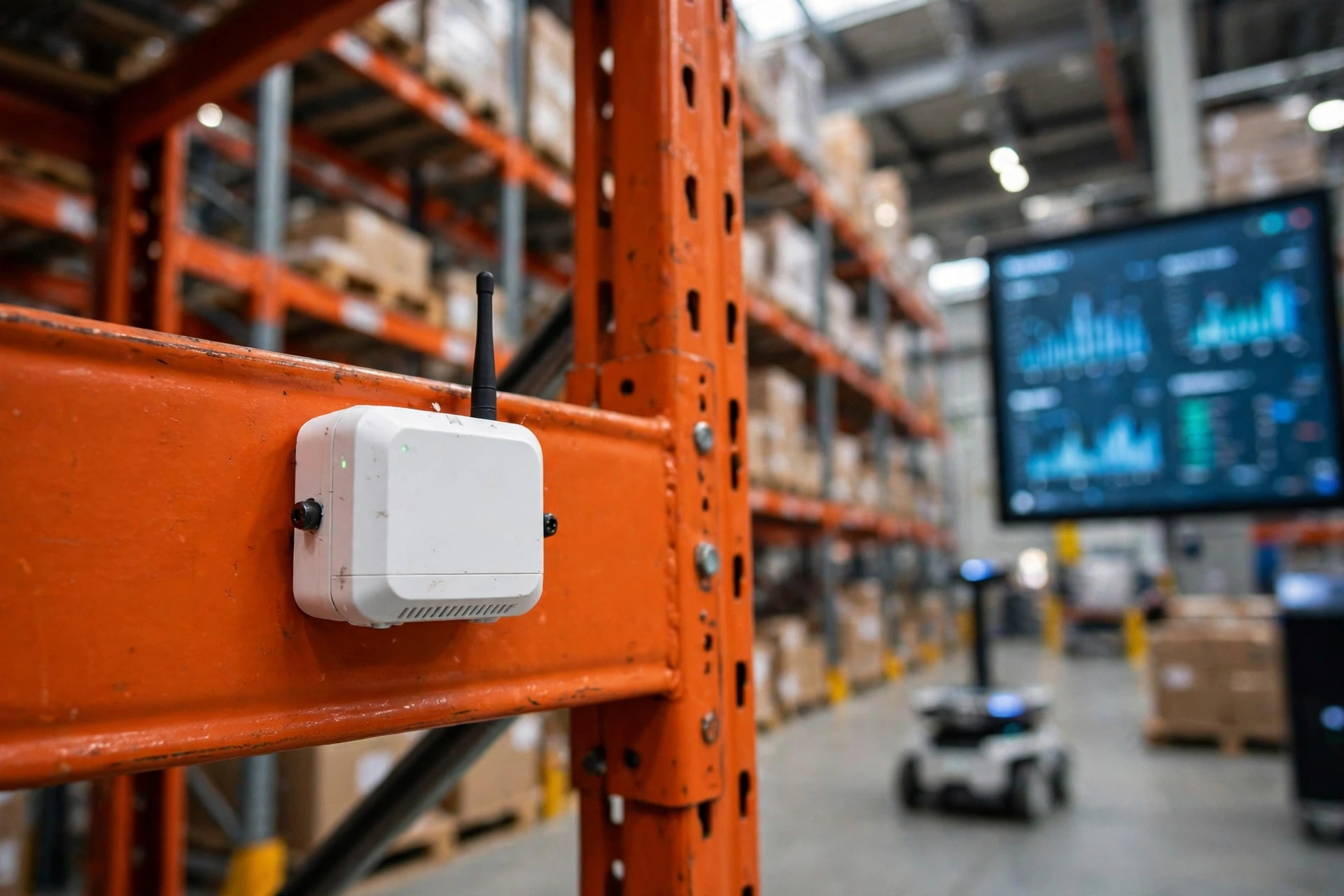
Do not overbuild camera positions. One overhead camera for a full view inside the box, plus one side camera for the label and the seal, covers most small-parcel benches. Adding more cameras past that point brings shrinking returns and a rising maintenance load. Judge a camera on three numbers: resolution sharp enough to tell color and count apart, frame rate fast enough to keep up with packing pace, and stable imaging under weak warehouse light. Warehouse lighting is nothing like a laboratory: an overhead lamp glares, a box reflects, and recognition accuracy falls off a cliff. Test with real parcels under real lights, never with vendor sample images alone.
The selection line sits on order structure. Warehouses with many single-item orders and visually distinct goods get the best return, because one glance settles right or wrong. Warehouses with many multi-item orders and near-identical goods cannot rely on appearance alone; they need weight checks and item-by-item scanning stacked on top. And here is where I will be blunt about a fake requirement: a warehouse shipping only a few hundred orders a day, with an already low error rate, does not need a full vision system. Fix bin discipline and add a second human check first. That alone can cut most errors, for a fraction of the cost.
| Option | Best fit | Weakness |
|---|---|---|
| One overhead camera plus spot checks | Low volume, visually distinct goods | Misses depend on luck, thin evidence in disputes |
| Two camera positions plus automatic order matching | Mainstream cross-border parcel work | Similar goods still need weight checks |
| Multiple cameras plus weighing plus item scanning | Multi-item orders, high-value goods | High cost, packing pace slows down |
In spring 2024, a warehouse in Yiwu pushed daily volume past 4,000 orders, with packing pace squeezed to about 40 seconds per order. They installed just two cameras per bench, overhead plus side, and ran order matching on a local server so a network outage would not stop the line. Within three months, wrong-shipment complaints fell from more than 60 a month to single digits. The avoided compensation and reshipping freight paid back the equipment in about six months. Treat that as that warehouse's own arithmetic, not an industry average, and never paste it onto your own warehouse without running your numbers.
Maintenance Traps: Systems Age, Photos Do Not Lie
The most common way a vision system dies is not a bad purchase. It is neglected maintenance. A new product goes on sale, its reference images never get added, and the system either floods staff with false alarms or waves the new item through unchecked. The fix belongs inside the product launch process: photograph the standard view, record color and size, and only then allow the item to ship. Dust on a lens, a bracket knocked out of alignment, a batch of lights replaced with a different color temperature, all of these quietly drag accuracy down. Write the maintenance list down and enforce it: wipe lenses before the shift starts, recalibrate positions weekly, and manually recheck 100 orders a month against system verdicts. When the false-alarm rate climbs, find the cause before it becomes background noise.
Ask about uptime and mean time between failures when you buy, not just accuracy. A system with excellent accuracy that stops for half an hour every peak day still stops your packing line while someone waits for a repair. That downtime belongs in total cost. Photo retention needs the same discipline: disputes usually arrive one to two weeks after delivery, so keep original photos at least past that window. Local disks are cheapest until a disk fails and everything is gone; cloud storage costs traffic and space, and parcel photos add up fast. A workable rule is to keep originals through the dispute window, then keep thumbnails and matching records. The evidence chain stays intact and the bill stays under control.
After the Stop: Do Not Build a System That Only Alarms
Stopping a parcel is only the start. Where the stopped parcel goes decides whether the system helps or hurts. Put an exception bin beside the bench: a flagged parcel slides straight in, a checker opens it on the spot, rechecks it, reseals it if correct, or swaps the item if wrong. Never send checkers hunting through the warehouse for flagged parcels, and never pile interceptions up for end-of-day processing. The longer they pile up, the worse order timeliness looks, and complaints arrive before the fix does.
False alarms deserve the same seriousness. When warehouse outbound photo verification AI calls correct orders wrong dozens of times a day, checkers stop trusting any alarm, and a real error hides inside the noise and gets waved through. If the false-alarm rate climbs for a week straight, check three things first: whether new product images were added, whether lights or camera positions were touched, and whether similar goods share a bin. If all three check out and the rate still will not fall, then consider loosening the threshold. Looser thresholds mean more missed errors. That trade-off has no free lunch; tune it against your own warehouse's error cost, not a vendor default.
The counterintuitive judgment is this: the biggest value of photo checking is not catching errors, but forcing the front-end process to behave. Bins stop mixing lookalikes, multi-item orders get item-by-item confirmation, crooked labels get reprinted instead of shipped. Those rules, once in place, cut errors on their own. The system simply turns rules into machine-enforced constraints.
So is the money worth it? Look at one number: each month, add up compensation, reshipping freight, and customer service hours caused by wrong and missing shipments, then divide by monthly order volume. That is your per-order error cost. If the monthly cost of the vision system sits below that number, it is worth installing. If it sits above, fix the process first and do not rush to buy hardware.
By Da Liu, Automation Engineer