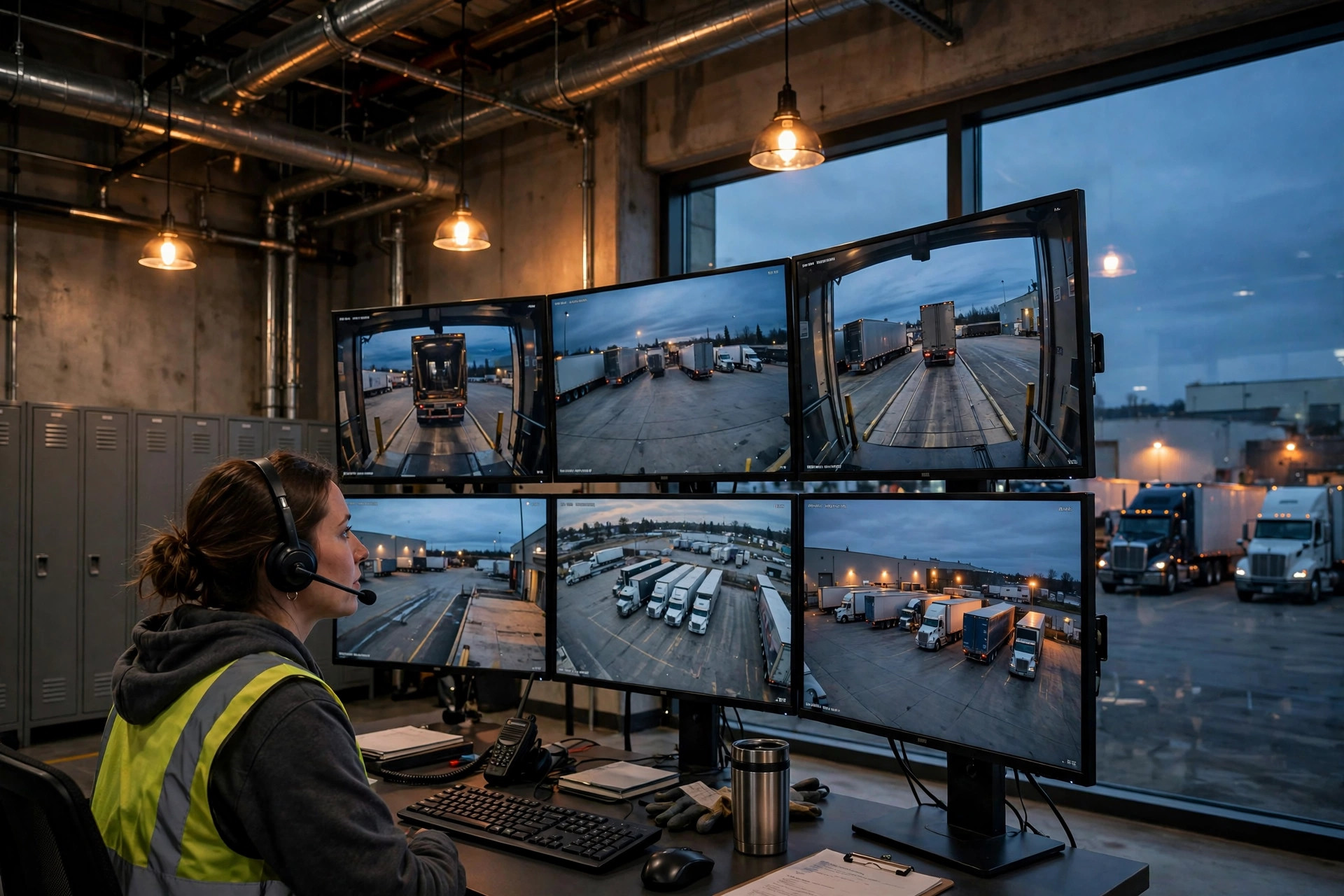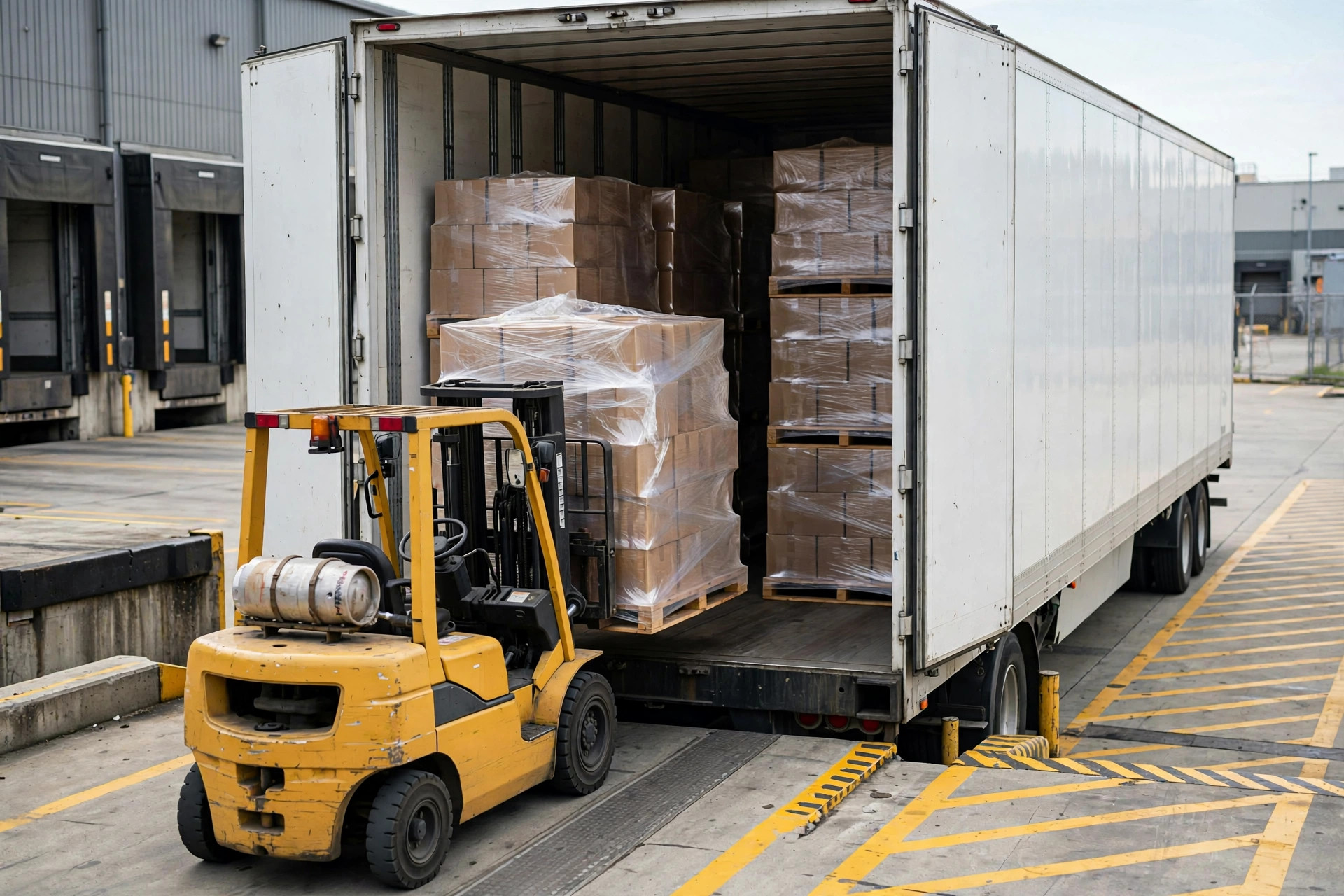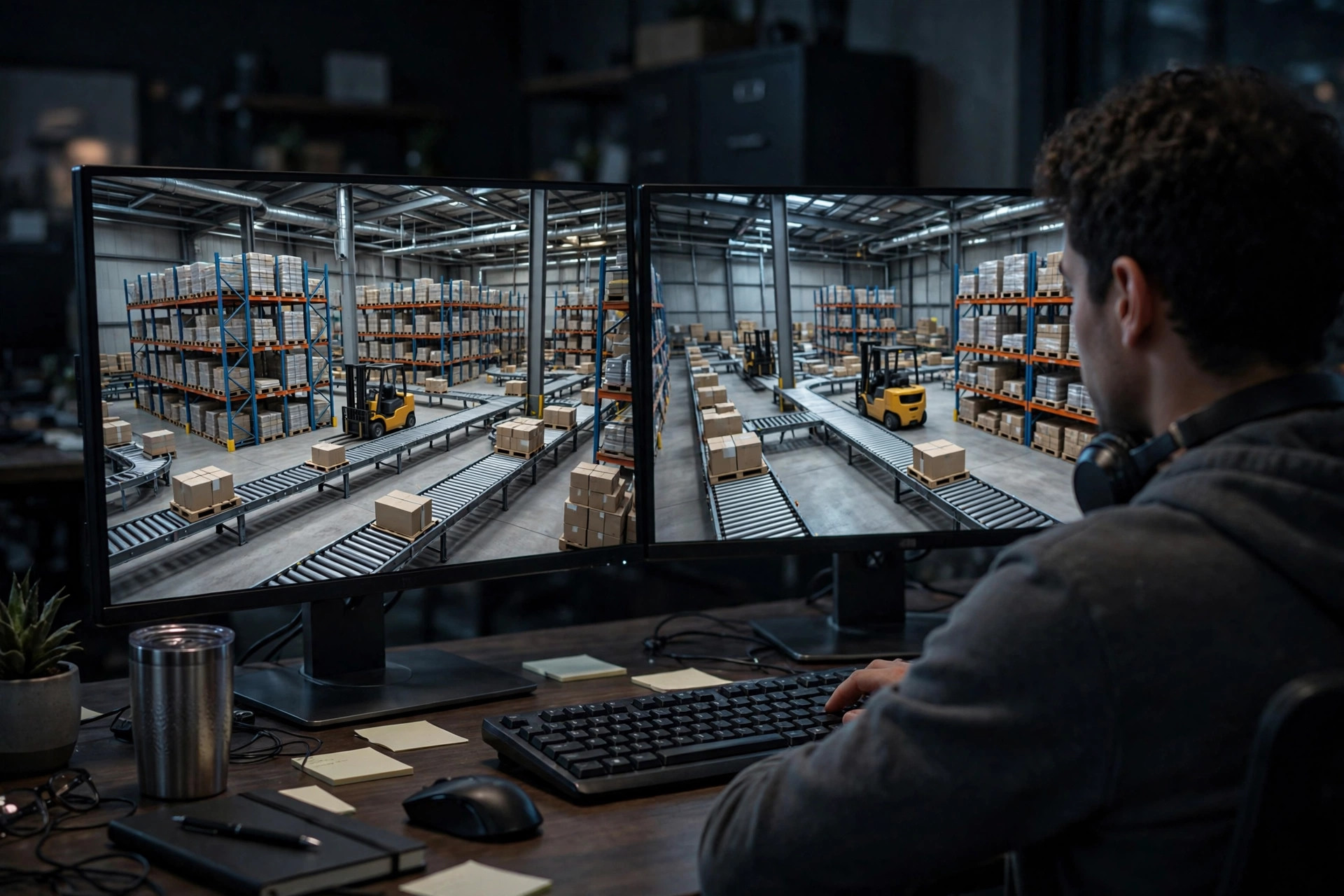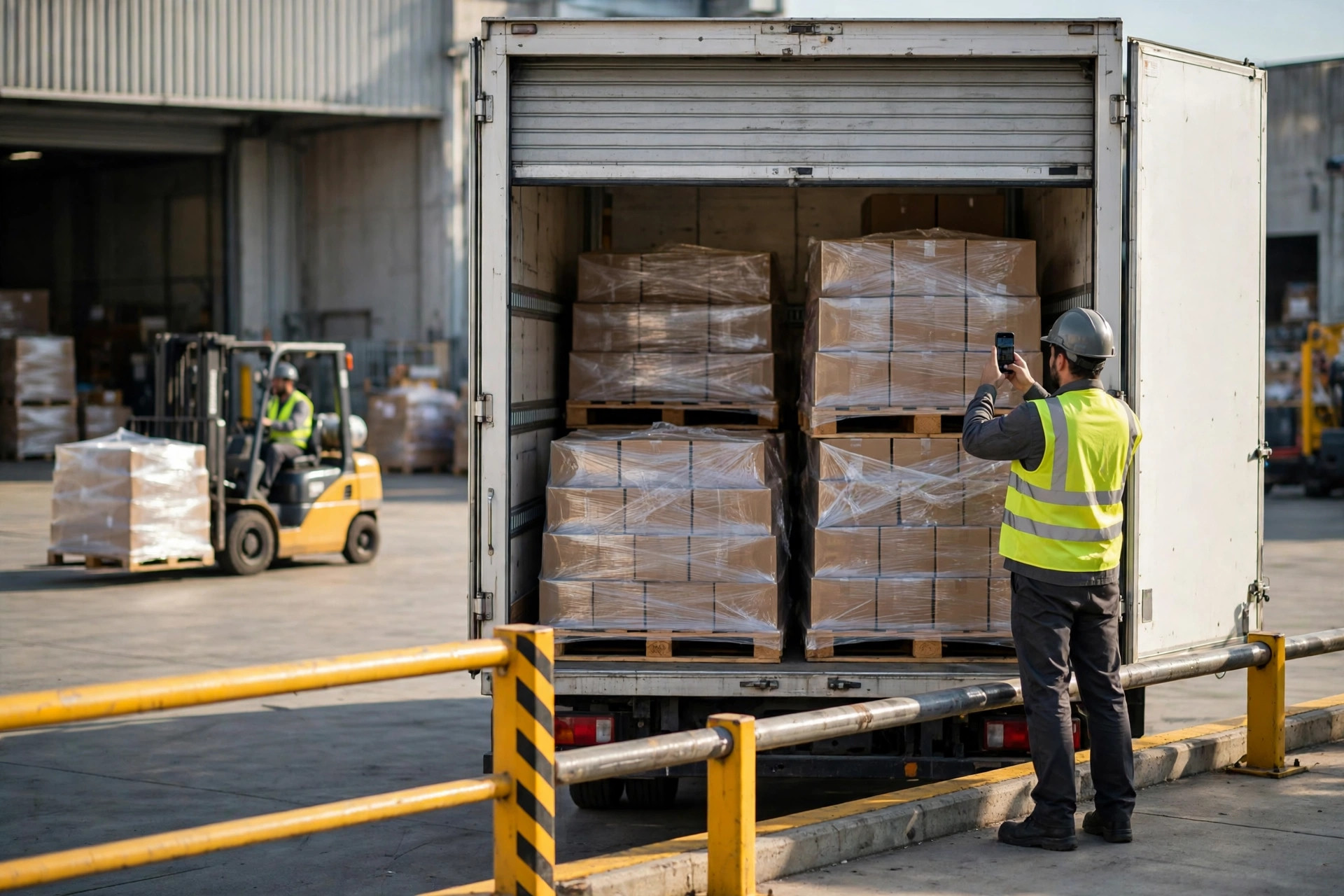
Photographing loaded trailers before they leave the dock has become standard practice at many warehouses. The truck gets loaded, a worker snaps two photos with a phone, the images go into a shared drive, and the process is considered done. But there's a phenomenon worth noticing: nobody looks at those photos 99% of the time. Only when a missing-cargo or damage dispute erupts does someone dig through the drive, and finding one usable photo takes half an hour or more — that's the consistent account from operations managers at several 3PL warehouses I've spoken with.
So we have an interesting contradiction: everyone performs the act of preserving evidence, but few ever capture its value. AI auditing of trailer-loading photos is aimed squarely at that contradiction. It doesn't eliminate the photographing step — it makes the photos actually get "looked at" for the first time. This piece walks through the phenomenon, the data, the causes, and where the trend is heading.
The Status Quo of Shipping Evidence: Photographed, Never Reviewed
Let's look at the current state. From my conversations with several 3PL warehouses in East China (a limited sample, for reference only), a mid-sized outbound warehouse dispatches on the order of thousands of truckloads per month, with missing-cargo or damage disputes occurring in the low single digits per thousand. The absolute numbers are small, but each dispute is expensive to resolve: customer service digs up loading photos, reconciles outbound orders, and argues with the carrier — half a day of labor per dispute is normal.
The problem with manual evidence preservation isn't the photographing, it's the reviewing. A warehouse shipping dozens or hundreds of trucks a day cannot have a human review every set of photos — checking pallet counts, stacking, and seals is simply more work than the labor budget allows. So the reality is: photographing is universal, auditing is sampling, and a sampling rate of ten or twenty percent counts as diligent. The rest of the photos sit on a drive, their only value being "something to dig up if things go wrong."
The deeper problem is that the photos you dig up often can't be used: blurry shots, photos of the trailer rear with no view inside, photos taken before loading finished, timestamps that don't match the outbound order. The act of preserving evidence has no quality standard, so its evidentiary value is naturally discounted.
What AI Auditing of Loading Photos Can Actually Catch
Based on what's visible in public industry discussions, AI auditing of trailer-loading photos can reliably handle four kinds of checks today:
First, pallet and piece counts. The model identifies visible pallets inside the trailer and compares against the outbound order's expected count. Obvious short-loading — say, 8 pallets loaded against 10 expected — is caught fairly reliably.
Second, stacking anomalies. Tilted pallets, cargo overhanging pallet edges excessively, visible collapse risk — anomalies with clear visual signatures can trigger warnings. Much in-transit damage originates in how the trailer was loaded.
Third, seal presence checks. For loads that require sealing, AI can verify whether a seal is present at the trailer rear. Note: presence, not authenticity — those are two different things.
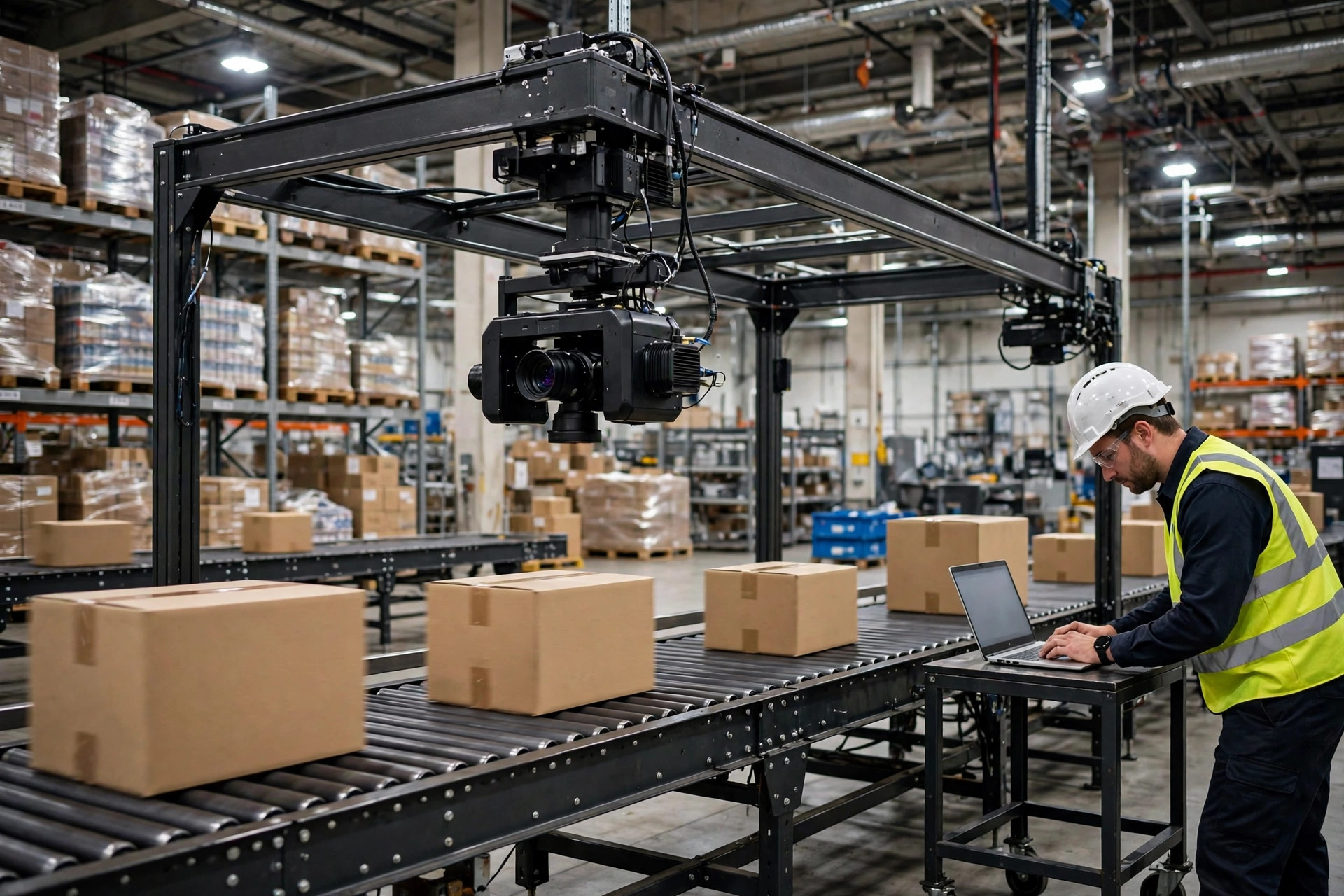
Fourth, plate-to-order association. OCR reads license plates and trailer numbers, automatically binding photos to TMS shipment numbers and outbound orders — solving the age-old "which truck is this photo from" problem.
Equally important is what it cannot do: it can't see piece counts inside sealed cartons; it can't tell a genuine seal from a staged one; and it can't prevent "staged fraud" where a worker photographs the load and then unloads it. The ceiling of AI auditing is "anomalies visible in the photo," and its floor is set by how disciplined the photographing itself is. Blurry, incomplete photos give even the best model nothing to work with. So: standardized photographing first (fixed camera position, fixed angles, shoot right after loading), AI auditing second. That order can't be reversed.
A word of honesty on accuracy: publicly available, rigorously evaluated third-party benchmarks are scarce. Treat vendor-claimed accuracy figures as marketing. What actually matters is your own pilot data: run two weeks of real loading photos through the system, measure false-positive and false-negative rates, and then decide whether to roll out fully. No accuracy number that hasn't been validated in your own operation belongs in a project proposal.
The Evidence Ledger: A Photo Is Not Evidence
Here's a counterintuitive judgment: in a cargo dispute, the photo itself is not the evidence — who took it, when, and whether it's been altered is the evidence.
When customer service takes a photo to a carrier to file a claim, the three questions that come back are: which truck is this from? When was it taken? Could it have been staged after the fact? If you can't answer, the photo is just a picture.
So the real value of AI trailer-photo auditing isn't the recognition step — it's that the process completes the chain of custody as a byproduct: capture timestamps recorded automatically, tamper-evident archiving (hash values on a ledger or notarization platform), and photos auto-bound to outbound order and shipment numbers. Every photo carries an identity, ready to pull in a dispute — no more digging through drives, no more explaining which truck an image belongs to.
One warehouse I know spent two days hunting down photos and reconciling order numbers for a missing-cargo dispute, and ultimately lost the claim because the timestamps didn't line up. After adopting a photographing workflow with automatic notarization, evidence retrieval for similar disputes went from "days" to "minutes." A photo's value lies not in its resolution but in the completeness of its chain. A 4K image that can't be tied to a truck and a timestamp is worth less than an ordinary photo with full timestamping and order binding.
The Cost Ledger: Manual Photo Evidence vs. AI Full Auditing
Let's do the math. The cost structure of manual evidence preservation: photographing labor (a few extra minutes per truck) + storage (near negligible) + dispute-time retrieval (high, but tiny when amortized per truck). Its real problem isn't cost — it's that it creates no value day to day, and may not even work when a dispute hits.
The incremental cost of AI full auditing is mainly the algorithm service and compute. Many warehouses already have dock cameras, so the added investment is roughly on the order of a few months of a clerk's wages (depending on the solution and truck volume) — plus the most commonly underestimated line item: human review of false positives. If the false-positive rate won't come down, operations ends up re-reviewing dozens of alerts a day, and the saved labor flows right back out.
So the decision framework is clear: start with your dispute costs. If your warehouse sees few missing-cargo disputes and small claim amounts, disciplined manual photographing plus proper archiving may be enough — AI is a nice-to-have. If disputes are frequent, average claims are large, or you're a 3PL where missing cargo means paying the customer and risking contract renewal, the case for AI full auditing pencils out. Before selecting any technology, calculate your own three numbers from the past year: dispute count, average handling time per dispute, and claim success rate. Those three numbers decide whether this is worth doing.
Trend Outlook: Evidence Preservation Is Becoming an Asset, Not an Obligation
Attribution-wise, three forces are pushing AI trailer-photo auditing into the spotlight: cameras and edge compute got cheap, drastically lowering the deployment bar for vision solutions; the visible cost of cargo disputes is rising, with customers demanding ever-stronger proof — "we have photos" is becoming a differentiator in bids; and with the 3PL price war fought to the bone, what remains to compete on is the provability of operational detail.
My trend judgment: shipping evidence is shifting from an "obligation you use when things break" to a "day-to-day operational asset." A fully audited photo stream accumulates into a loading-quality database — which shift stacks most stably, which carrier has the highest damage rate, which time window sees the most short-loading. The data speaks for itself. The ceiling of evidence preservation was never just winning disputes.
An open question for the reader: when AI can "look at" every single truck, the real bottleneck circles back to people — are we willing to change work habits for a visible truth? Standardized photographing, alert review, data-driven retrospectives — each is a management action. Technology just puts the truth on the table. Whether anyone eats is up to the people.
By Dr. Chen, Supply Chain Researcher