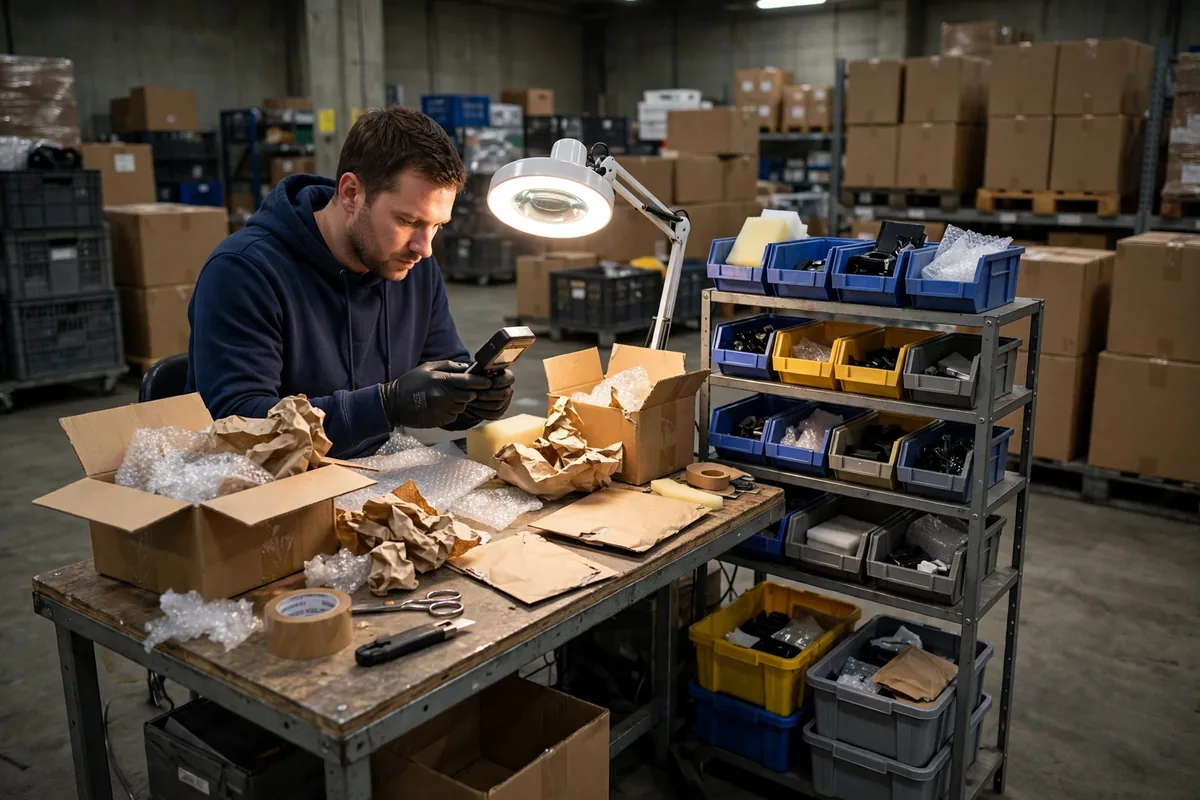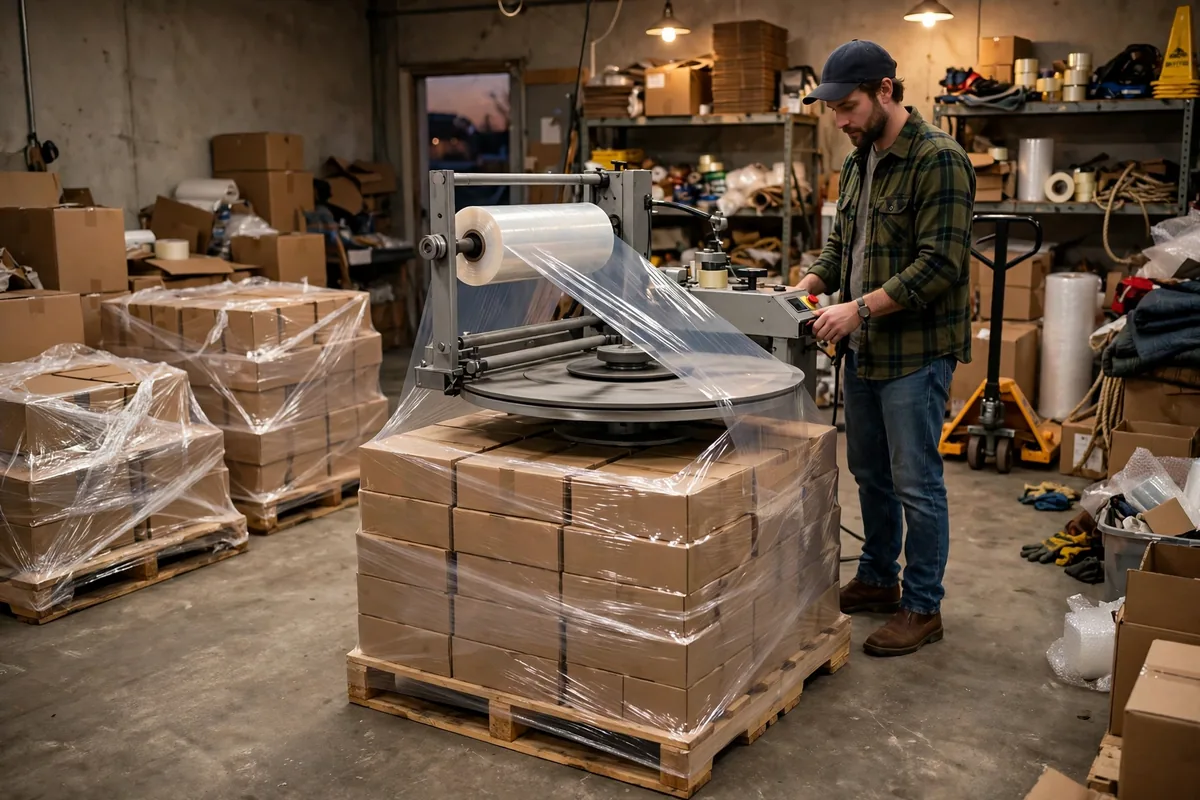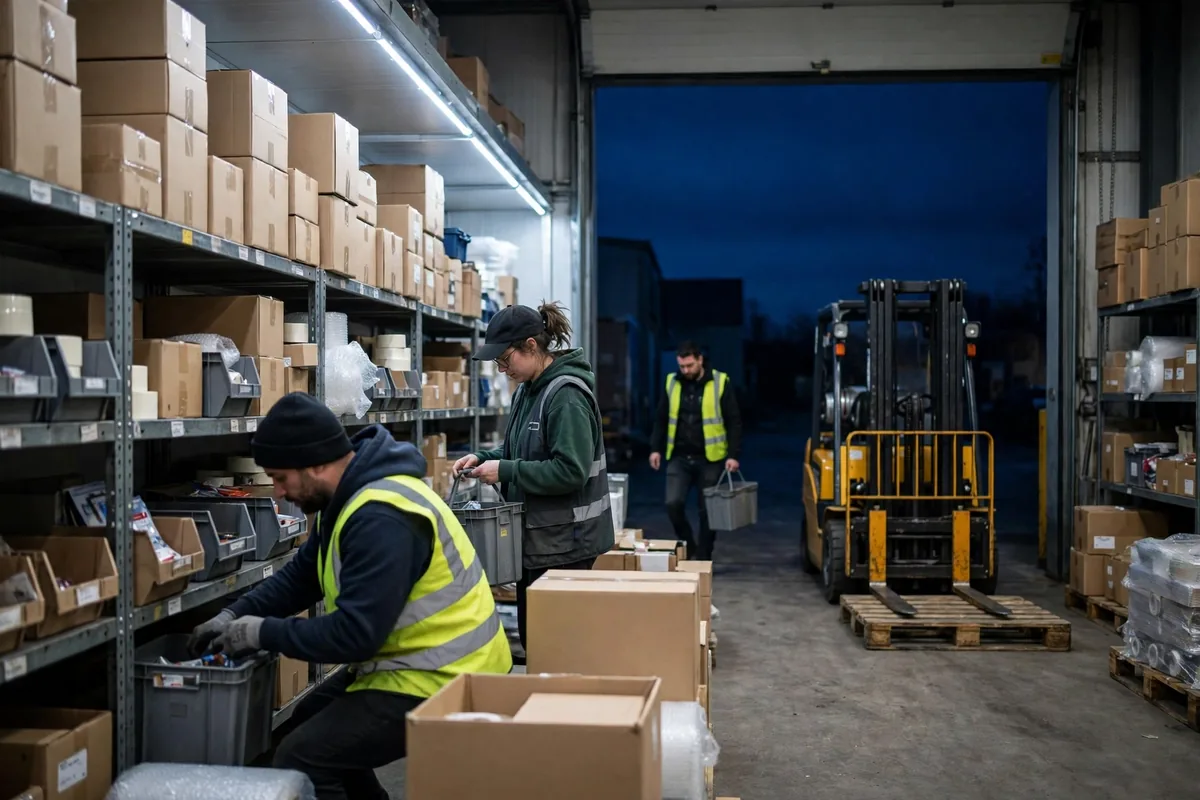
Let me start with our embarrassment. Last winter, during the coldest two weeks of the year, my little warehouse — about 3,000 square metres, five people on nights — had a stretch where warehouse night shift productivity fell so far I stopped writing the numbers down. At two in the morning I found one picker crouched by a rack using his phone torch to read a label, and another pushing a cart in circles because nobody knew where leftover stock from an earlier order had been put. I went home annoyed at the crew. Then I covered a full night shift myself, and changed my mind. The crew was not the main problem. The shift was broken before anyone clocked in.
The real night shift problem is gaps, not yawns
Day shift work flows because help is everywhere. A supervisor is around, customer service answers, and if something jams you shout and somebody appears. Nights are the opposite. Our old handover was a sheet of paper and good luck. Half-finished orders had no note on them, returns sat by the dock with no labels, and the forklift battery was nearly empty. The first half hour of every night was just hunting for things. People do not start slow on purpose. They get slowed down, one small gap at a time.
Task mix makes it worse, and this took me a week of records to see. The day crew naturally clears the clean, full-case orders first. What rolls downhill to nights is the fiddly stuff: split cases, odd addresses, repacks, orders that need a phone call nobody can make at midnight. On paper the night crew handles fewer orders. In real life each order fights back harder. Judge nights only by order count and the crew feels cheated. Nobody storms out. They just stop caring a little more each week, and that is how warehouse night shift productivity slides without any single bad night to point at.
Light and temperature sound too basic to matter, until you work under them. Two rack rows by the wall had a dead light for months. Labels glared, scanners needed two or three tries, and picks there were always slower. Cold stiffened hands at the packing bench in winter. Heat made the second half of summer shifts heavy and stupid. In the daytime none of this shows. At night every small defect gets louder.
Warehouse night shift task packs: do the thinking on days
The cheapest fix we ever made costs one plastic tote and one sheet of paper. Before the day crew leaves, they build the night pack: which orders go first, what supplies are needed, which orders have quirks, who to call if something sticks, and what note to leave for the morning. Tape, labels and filler go in the tote. The night crew walks in and starts working instead of scavenging. Embarrassingly low-tech — and it killed most of that chaotic first half hour in week one.
Handover overlap is the second fix, and here is the honest trade-off. We now overlap the shifts briefly: days stay a little later, nights arrive a little earlier, and they walk the dock together pointing at actual freight. That costs extra paid minutes daily, and on a spreadsheet it looks like waste. Skipping it costs more, sneakily — searching, rework, phone calls, the occasional wrong shipment. A big site can afford a dedicated night management layer. We cannot. We cannot afford to burn money on that is basically our operating system. So we buy a small slice of certainty instead.
Pacing matters too, but forget the live dashboard screens big warehouses love. We use a whiteboard. Tonight's work is split into blocks, each with a clear finish line, checked at set times. Night work goes wrong in a familiar pattern: too relaxed early, then a mad scramble near carrier cut-off. Small visible blocks fix the rhythm better than any speech about hustle. People move faster when they can see what done looks like for the next hour.
Productivity you can buy cheap: light, warmth and rhythm
Lighting came next, done in zones because money is finite. We fixed picking and the packing bench first, where tired eyes do the most damage, and left staging for later. The table below is the rough maths we used. Every figure is an illustrative assumption for planning, not a vendor quote. Run your own numbers with local power and labour costs before spending anything.
| Option (illustrative assumptions) | Upfront cost (assumed) | Monthly effect (assumed) | How we judged it |
|---|---|---|---|
| Relight picking and packing only | One modest assumed spend | Slightly higher power use, far fewer rescans | Worth it if errors and rework fall |
| Relight the whole building at once | Assumed at several times the zoned cost | Tidy maintenance, but idle zones burn power too | Too heavy for a tight cash month |
| Repair dead lights, add bench lights | Assumed lowest spend | Modest gain, visible the same night | Good trial before committing more |
Warmth got the same treatment. In winter the packing bench got compliant heating nearby and the break spot moved out of the dock-door draft. In summer we stocked more water and pushed heavy work toward the cooler early hours. One safety note, because cheap should never mean reckless: heating and power must follow the rules where you operate, so check local requirements and wire nothing on a hunch.
A friend runs an even smaller site in the same industrial park, selling household goods, and his story rhymed with ours. His night crew was three people, and most nights one would vanish into the office for a nap by the second half of the shift. He ranted about attitude for a month. Then he looked at his own roster and saw the same people stacked on brutal runs of consecutive nights. He rebuilt the rotation, split busy weekends from quiet weekdays, and added a hot meal mid-shift. The naps mostly stopped. His line stuck with me: night crews do not fear hard work, they fear endless work, unclear pay, and feeling invisible. In the end warehouse night shift productivity is partly a trust question — whether people still believe the night is run fairly.
On allowances, I will describe the mechanism and skip amounts, because rates and rules differ by place and contract type, and you should follow the latest local regulations rather than a number in a blog post. What worked for us was writing it down where everyone can see it: which hours count as night work, how the allowance is paid, and how covering for a mate gets counted. The fastest way to poison a night crew is a vague promise of extra pay that turns fuzzy at month end. People forgive a modest number. They do not forgive feeling tricked.
Fair rotation matters as much as the money. In a tiny crew everyone keeps a private scorecard of who gets stuck on nights and who dodges them. We post the roster early, rotate in the open, and log swaps publicly. There is a trade-off here too. Perfectly equal rotation can be unkind to someone with a real problem at home, while too many quiet exceptions make everyone else feel played. Our compromise: a fair baseline plus voluntary extra nights for whoever wants them, paid openly.
So what should a small operator copy, and what belongs to the big sites? Leave the wall of monitoring screens, the layered night supervision, and the automated line bought to solve a staffing problem. Those answers fit buildings with headcount and capital to spare. Our answers are duller: prepare the work before dark, hand over face to face, light the places where eyes work hardest, keep people warm or cool enough to function, and run pay and rosters where everyone can inspect them. Try three things this week. Build one night pack tonight. Put one overlap handover in the next roster and talk beside the freight, not through a note. Fix the darkest light over picking and ask the night crew whether scanning feels easier. That is how warehouse night shift productivity actually moves in a place like ours — not with a programme, but with fewer gaps and a crew that still gives a damn at 3 a.m. Small warehouse, small ways of living.
By Xiao Ma, Small Warehouse Owner