Do the math first. Talk about people second.
Take a 200-person warehouse. Day shift picks 60 lines per person per hour. Night shift picks 42. That is 18 lines fewer, a drop of about 30 percent. In the management meeting, the first sentence is usually "the night crew is not good enough, tighten the targets." Whenever I hear that, I want to ask one question: before you tighten anything, have you worked out where those 18 lines went?
I have. Warehouse night shift productivity, priced properly, is only partly a people problem. The rest is job design that quietly changes after dark.
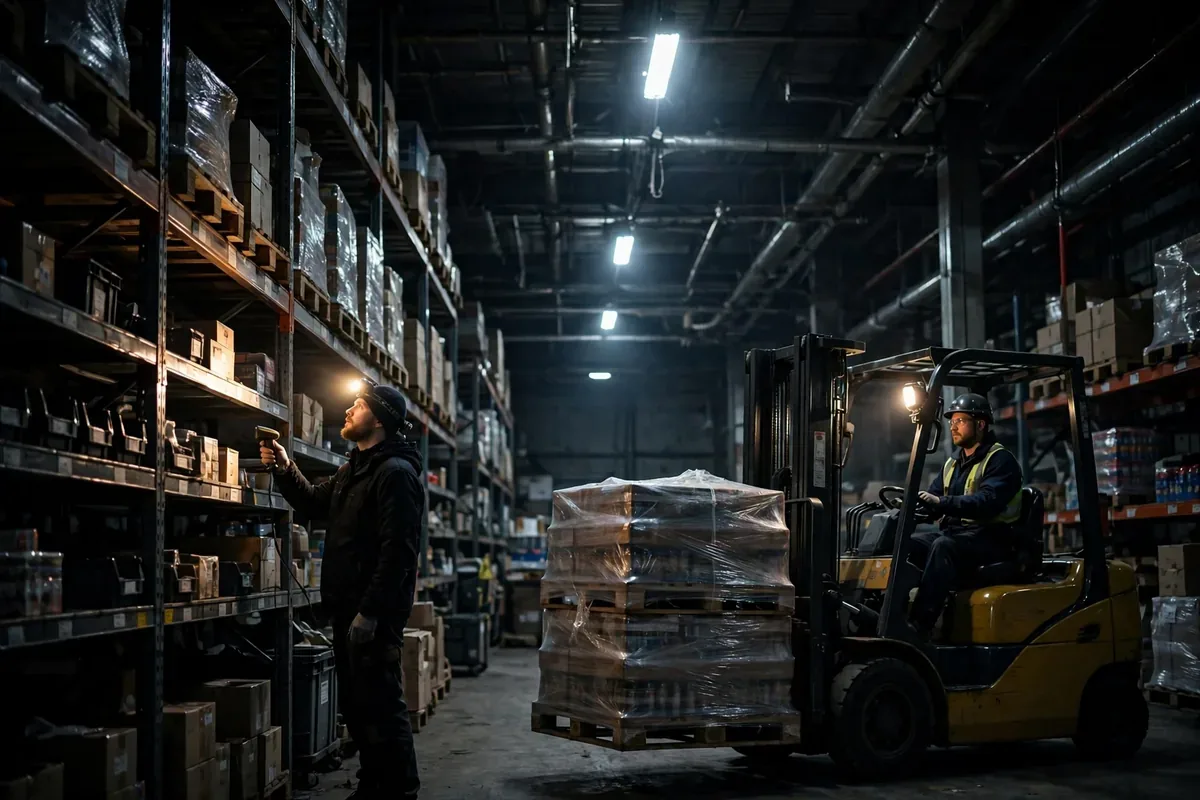
Here is a real night shift. Last peak season, a household-goods warehouse started its night shift at 10 p.m. with 8,000 orders to pick for next morning's dispatch. The first hour went fine. By 2 a.m. the pace had fallen off a cliff. By 4 a.m. replenishment staff were running all over the floor, because shelves that had not been topped up during the day were now empty, and pickers were standing in front of empty locations waiting for stock. At handover, the night shift had picked nearly 30 percent fewer lines per person than the day shift. The shift leader got blamed in the meeting for "poor night management."
Coldly put: was that fair? At 4 a.m. the shelves were empty. Was that his failure, or did the day shift's replenishment plan simply leave the night shift no buffer? The answer is in the data, not in who shouts loudest.
Warehouse Night Shift Productivity, Priced in Four Parts
The cost of a slow night shift breaks into four parts: lighting and routing, wave shape, replenishment rhythm, and the fatigue curve. Each one can be priced.
Lighting is the easiest to overlook. Many warehouses run the night shift on half the lights, calling it energy saving. Pickers hunt for stock in dim aisles, and mis-picks, missed picks, and rework all climb. The electricity saved does not cover the rework labour. Routing is the same story. By day, forklifts and pickers keep to their own lanes. At night, with fewer people around, forklifts cut through picking aisles for convenience. Pickers detour and dodge, steps go up, lines go down.
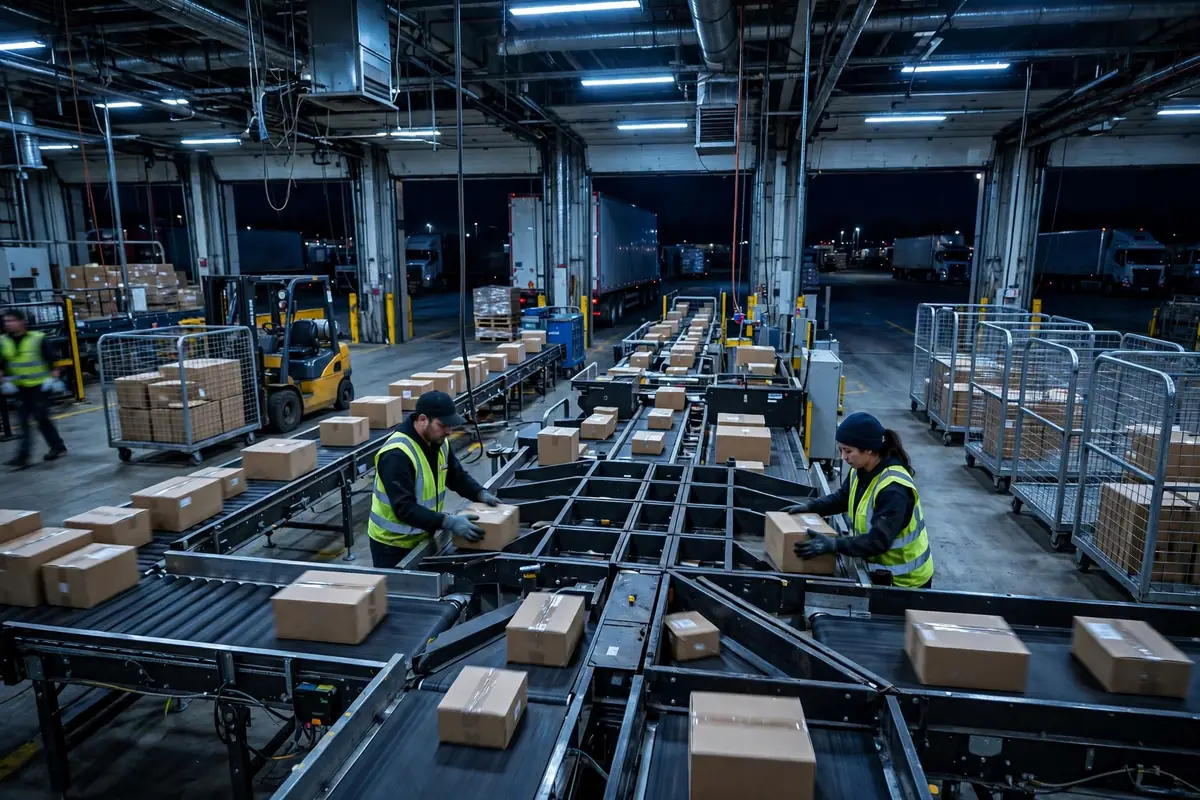
Wave shape is the second part. Day-shift orders arrive steadily and waves stay even. Night-shift work is often a backlog dumped from the day: full load at start-up, then a gap two hours in, pickers standing around waiting for the next wave. People are not machines. Two hours at full load followed by half an hour idle always averages worse than eight steady hours. That is a wave-planning problem, not an attitude problem.
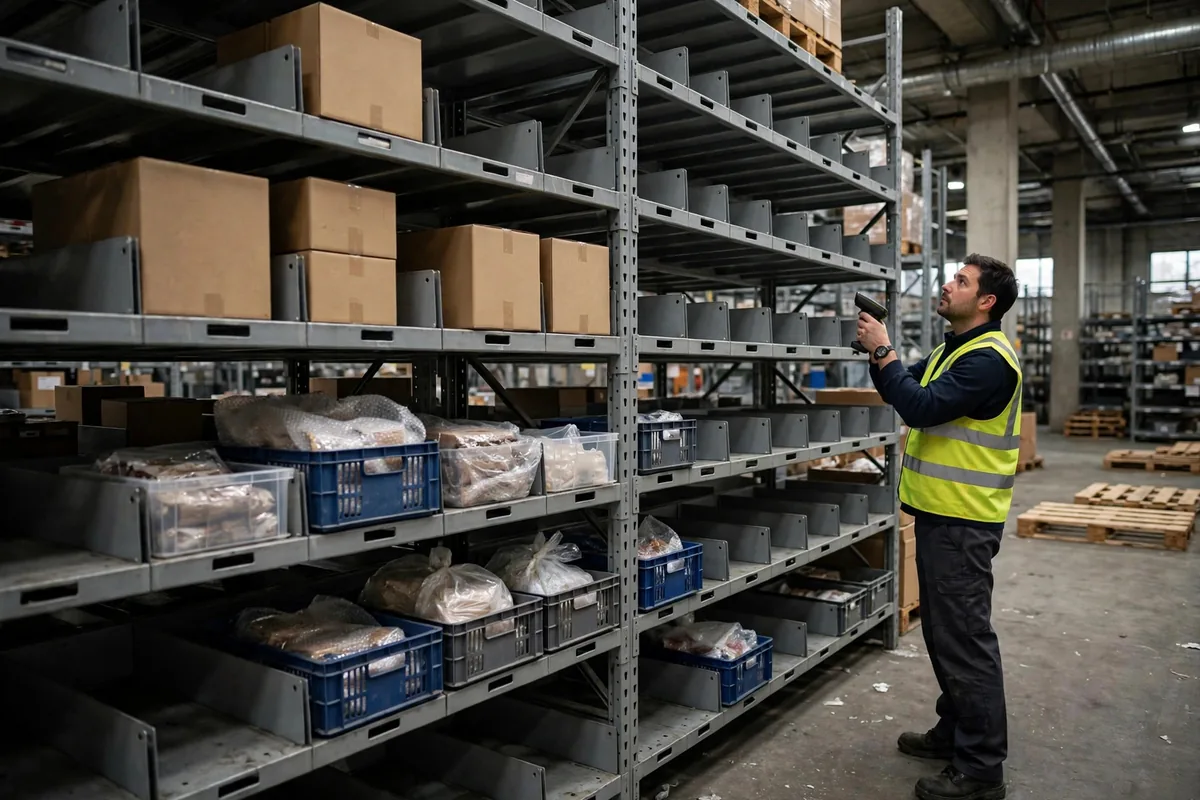
Replenishment rhythm is the third part, and the most expensive. By day, replenishment follows outbound flow and shelves stay full. At night there are fewer replenishers, replenishment ranks behind picking, and by the time a picker calls for stock, one round trip costs a dozen minutes. Multiply a dozen minutes by dozens of people and the night shift's hours quietly leak away.
The fatigue curve is the fourth part, and the only one that truly belongs to people. Between 2 a.m. and 4 a.m. is the human low point: speed and accuracy fall together. That is physiology. No target can press it away. Press the target and speed may recover a little while the error rate climbs, and the rework and complaint costs come back to you in daylight.
Three of the four parts are job design. One is physiology. Charging all four to "the people are no good" is money spent on the wrong diagnosis.
One Table Shows Where Warehouse Night Shift Productivity Gets Expensive
Take that same 200-person warehouse as an illustrative calculation, using its internal costing basis. Assume the same hourly labour rate day and night, so only the efficiency gap moves unit cost.
| Measure | Day shift | Night shift | Gap |
|---|---|---|---|
| Lines picked per person per hour | 60 | 42 | 18 fewer |
| Labour cost per line | 1.0 unit | About 1.4 units | About 40% dearer |
| Errors and rework share | Baseline | Clearly above day shift | Rework eats hours |
| Idle time waiting for stock or waves | Low | High | Hidden cost |
Read the table this way: every line picked at night costs about 40 percent more in labour than by day, and most of that premium is waiting for stock, waiting for waves, and rework, not slow picking. Manage only "pick faster" and you are treating the smallest slice.
Here is the counterintuitive part: adding people to the night shift can make it more expensive. The usual reflex to low night output is to add headcount. More people crowd the aisles, replenishment falls further behind, waiting time grows, and lines per person fall again. The right move is often the opposite: flatten the wave first. Split the night's orders into two or three even waves, then decide whether headcount is needed. Once the waves are even, lines per person recover part of the way, and only then does adding people pay.
One more case. Another warehouse used to run nights from 10 p.m. to 6 a.m. with no formal replenishment window. It changed to one hour of replenishment before the 10 p.m. start, plus a fixed replenishment window at 2 a.m., with pickers taking a 20-minute break in rotation. Nothing else changed. Same replenishers, same headcount, no new targets. Replenishment moved from "on call" to "fixed window." Within two months, night-shift lines per person rose from the low 40s back to around 50, and the error rate fell. No one added, no target tightened. Only the job design changed.
Fix the Job Design First, Then Talk Targets
Here is a conclusion you can calculate, in three steps, each with a number to check.
Step one: price the four parts. Record two weeks of night data: lines per hour, how often and how long pickers wait for stock, how long waves go idle, and the error rate. Without those two weeks, any judgement about the night shift is a feeling. Feelings are not a costed account.
Step two: fix the job design. Full lighting, separate night routing, even waves, fixed replenishment windows. Do those four and night-shift lines per person typically recover 10 to 20 percent. That recovery is design paying you back, not targets squeezing people.
Step three: then talk targets. Whatever gap remains after the design fix is the part worth managing. Now the target has a basis: set the night-shift line target at 85 percent of the day shift, not a round 90 percent pulled from thin air. A target with a basis is one a shift leader can accept, and one that can actually be enforced.
Whether the money was wasted becomes obvious once the account is done. Low night-shift output is not, by default, a people problem. Price lighting, routing, wave shape, and replenishment first, then decide where the management stick should land. Land it in the right place, and the night shift's lines per person and unit cost will come back on the ledger by themselves.
By Lao Zhou, Logistics Cost Analyst