Short answer first: if you have fewer than five years left on your warehouse lease, don't buy heavy automation.
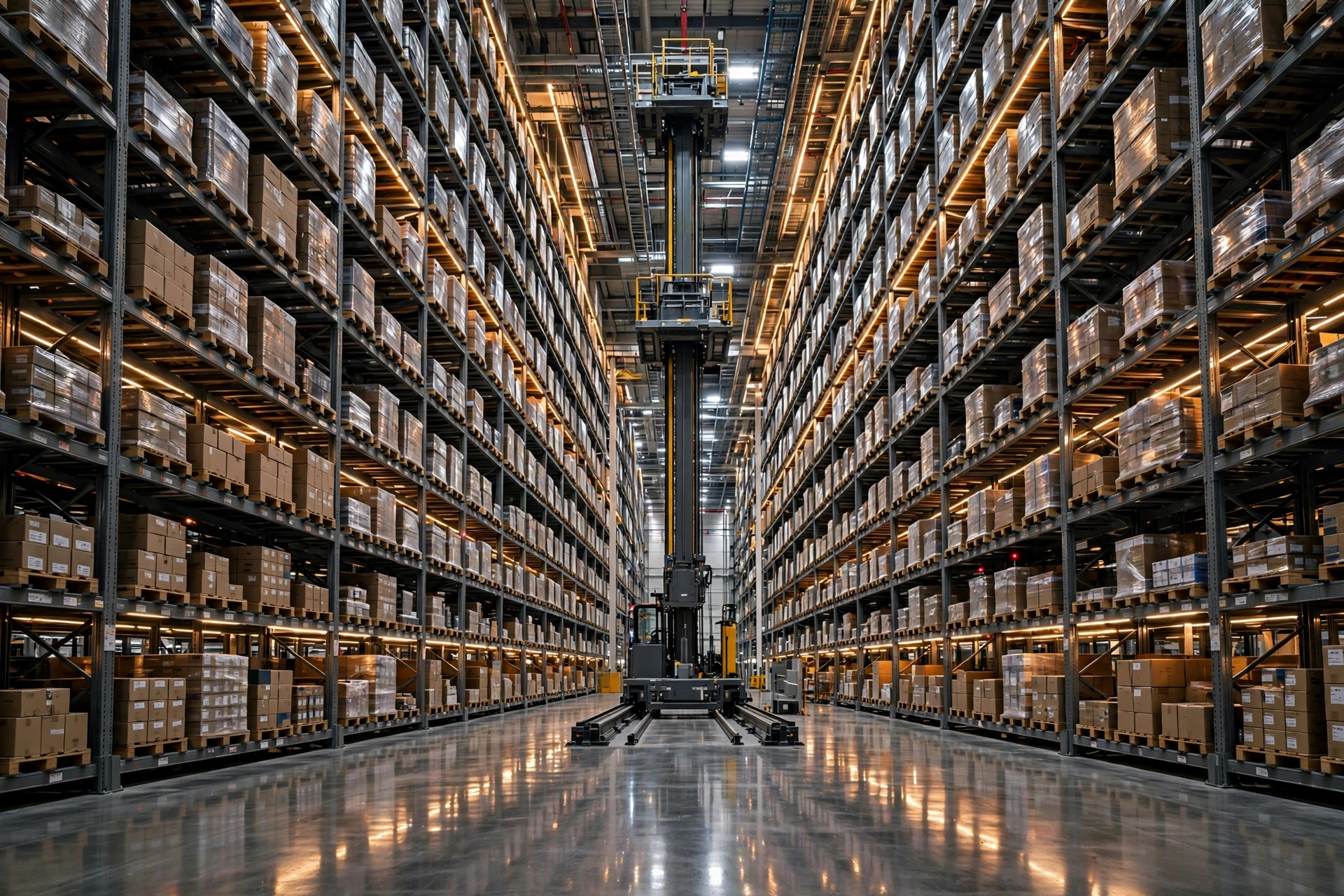
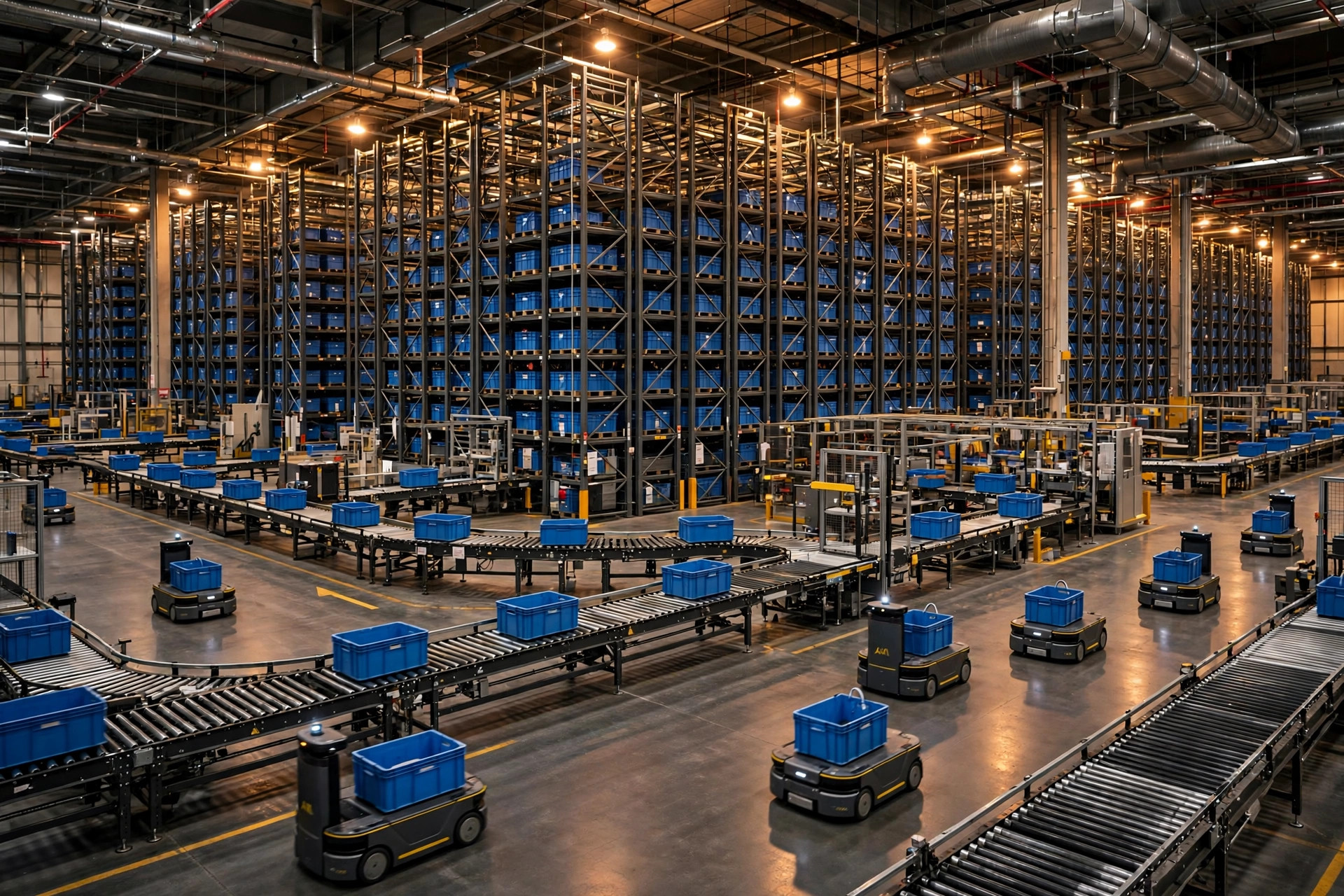
That sounds blunt, but I've earned the bluntness over twenty years on warehouse floors across the U.S. Back in 2022, a 3PL in Fontana, California handling e-commerce fulfillment watched the warehouse next door install a shuttle-based racking system and decided to follow suit — several hundred thousand dollars all in. The problem was the calendar: their lease had three years left. When it expired, the landlord raised the rent sharply, and they had no choice but to move. The new building didn't have the clear height for the shuttles, so the system came down and sold for scrap value. The equipment sat on a seven-year depreciation schedule and hadn't even made it halfway. The investment was dead before the depreciation finished.
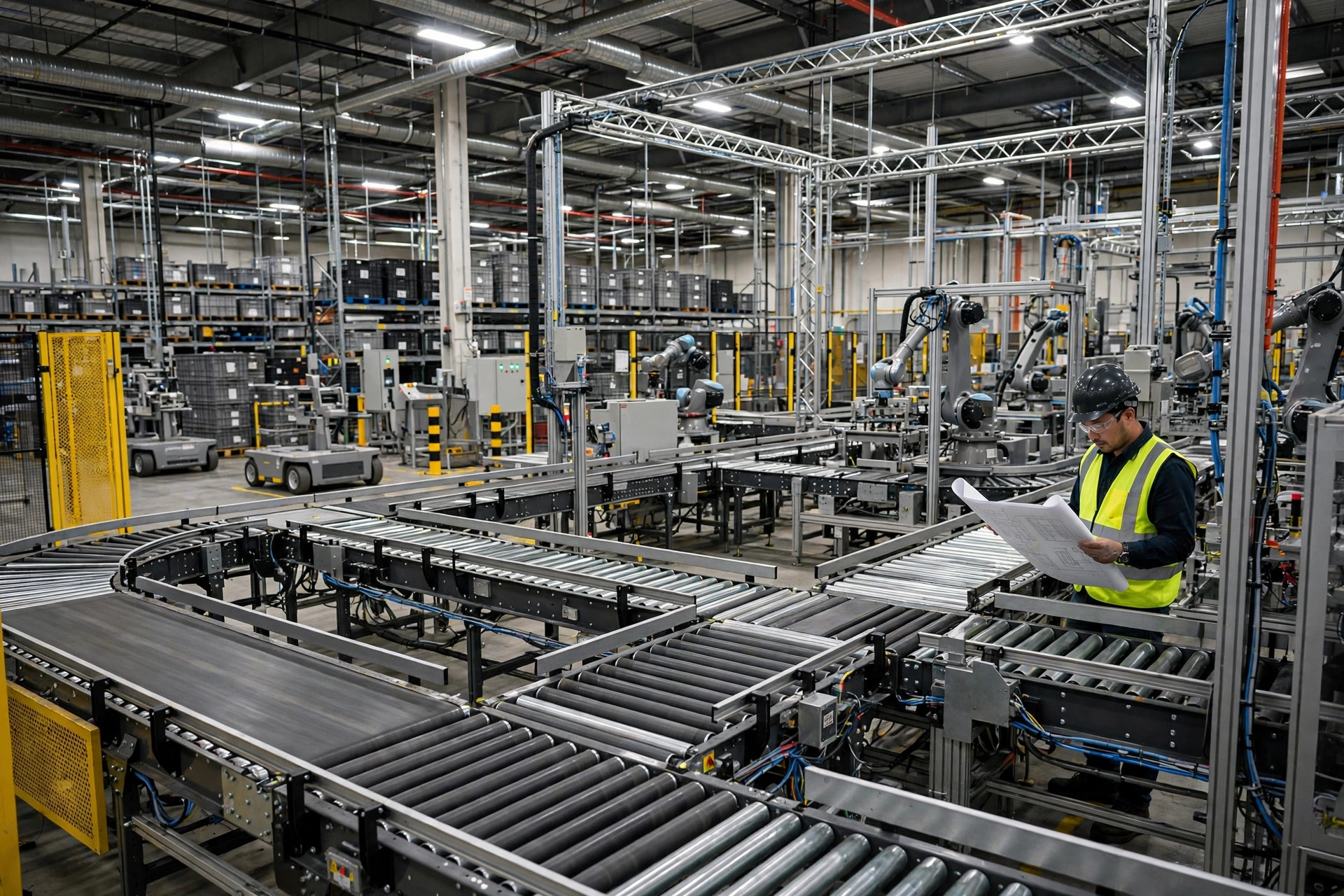
The mistake most teams make is running the ROI math without looking at two timelines that refuse to line up. Under U.S. tax rules, material handling equipment — conveyors, stacker cranes, shuttles — depreciates over seven years as MACRS seven-year property. That's the clock the tax code hands you, and you can't renegotiate it. Meanwhile, most warehouse leases I see in the U.S. run about five years, and whether you get to renew — and at what rent — is the landlord's call. When those two timelines don't match, part of your automation money is effectively working for the landlord: the equipment isn't paid off, but you're already gone.
Here's the rule I give every operator who asks: use the remaining lease term as the equipment's real useful life, and rerun the ROI. Three years left? Depreciate the whole system over three years and see if it still pays back. If it does, the project is genuinely strong and a renewal is pure upside. If it doesn't, automation isn't the problem — timing is. And don't expect the integrator to volunteer this framing; their quote assumes you'll be there for the full depreciation life, because that's how the sale closes.
Where the money actually leaks
Most ROI spreadsheets only ask "how much labor does this save?" That gets you half the answer at best. The real payback logic for heavy automation is simpler: the equipment's economic life has to fit inside the time you're certain you'll occupy the building.
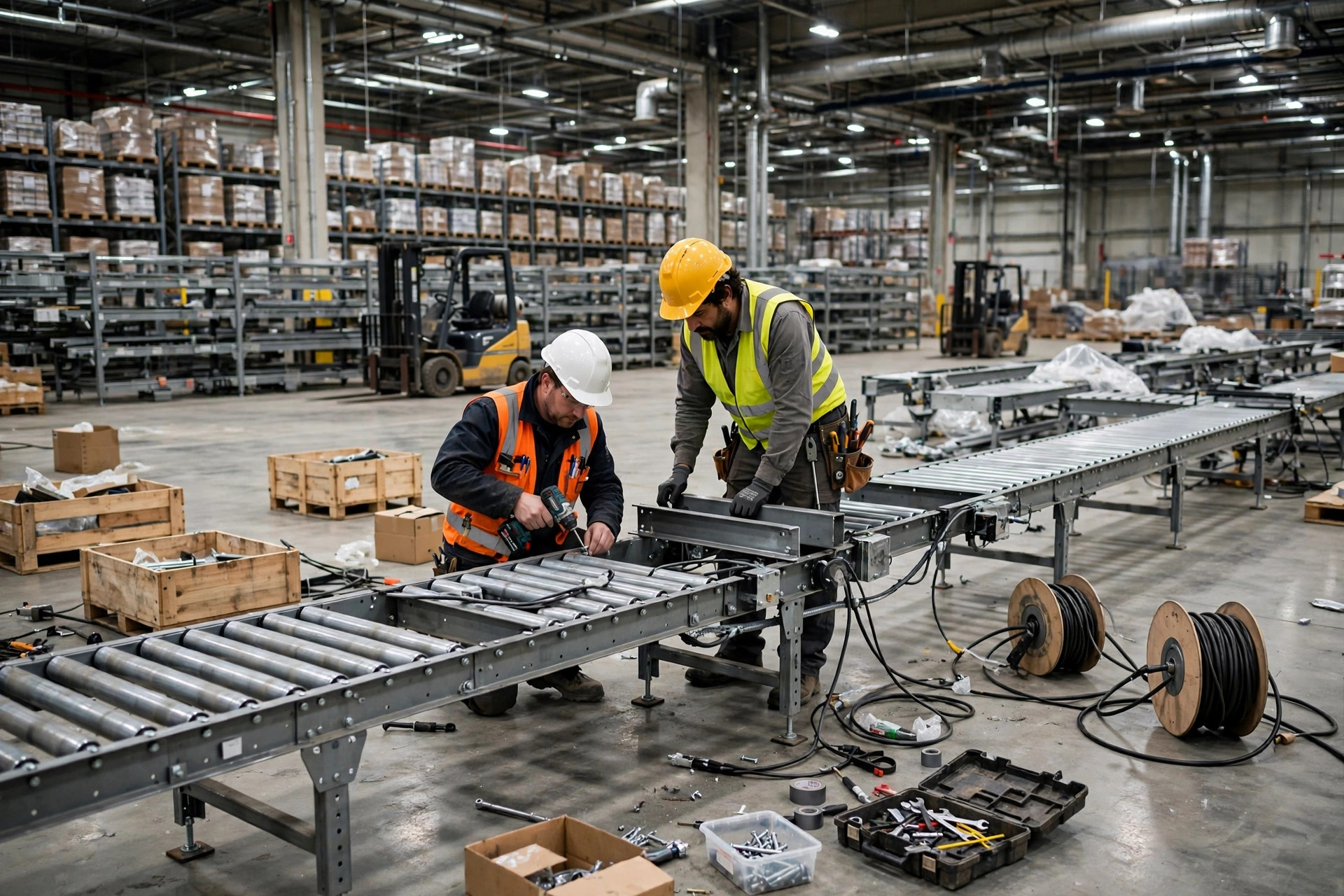
The relocation bill is the part everyone underestimates. Automation isn't office furniture. Tear-down, transport, reinstallation, recommissioning — every step needs the OEM or the integrator on site, billing by the day. I watched one operator move from Chino to Rialto, California — not far at all — and the de-install and re-install bill could have covered several more months of rent. Worse is the downtime: expect weeks of reduced throughput around a move. Nobody puts that in the ROI spreadsheet, but every owner feels it.
Then there's the quiet cost: negotiating leverage. Once the equipment is bolted to the floor, you have no walk-away power when renewal comes up. The landlord knows you can't leave, so the rent increase gets firmer. You have spent your own capital to strengthen the landlord's bargaining position. Nobody models that line item, but plenty of operators have paid it.
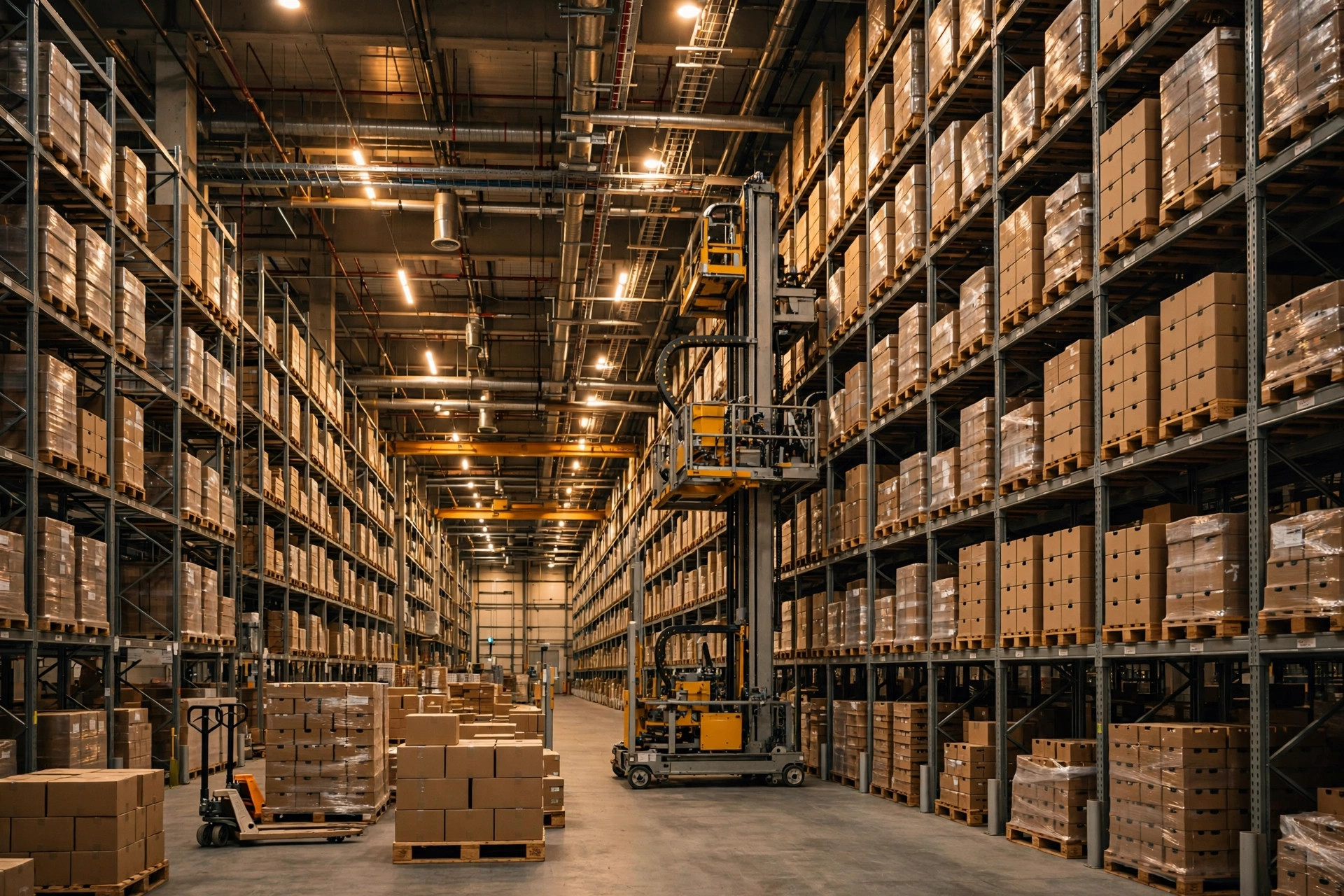
Don't forget the resale reality either. Standardized gear — conveyors, sorters — has an active secondhand market and moves with you. Highly customized systems are a different story: a shuttle system designed around one building's column spacing and clear height is nearly worthless to anyone else. The Fontana operator learned this the hard way. When you price a project, assume the customized portion has zero residual value unless the lease is longer than the depreciation.
And check the restoration clause before anything else. Most industrial leases require you to return the space to its original condition — removing mezzanines, patching floors where conveyors were anchored, pulling out electrical drops. Get a quote for that work before you sign the equipment purchase order, not after the landlord sends the move-out bill.
Three plays when the lease is short
First: negotiate the renewal option before you negotiate the equipment. Push for a defined renewal term with a cap on rent escalation, written into the lease — or at minimum a right of first refusal on renewal. Too many small-warehouse owners negotiate hard on base rent and skip the renewal language entirely, leaving their biggest automation risk in the landlord's hands. Trying to fix it after the equipment is installed means negotiating with no cards. This step costs almost nothing and buys the most protection. If the landlord won't give you a cap, that itself is information: budget the automation accordingly.
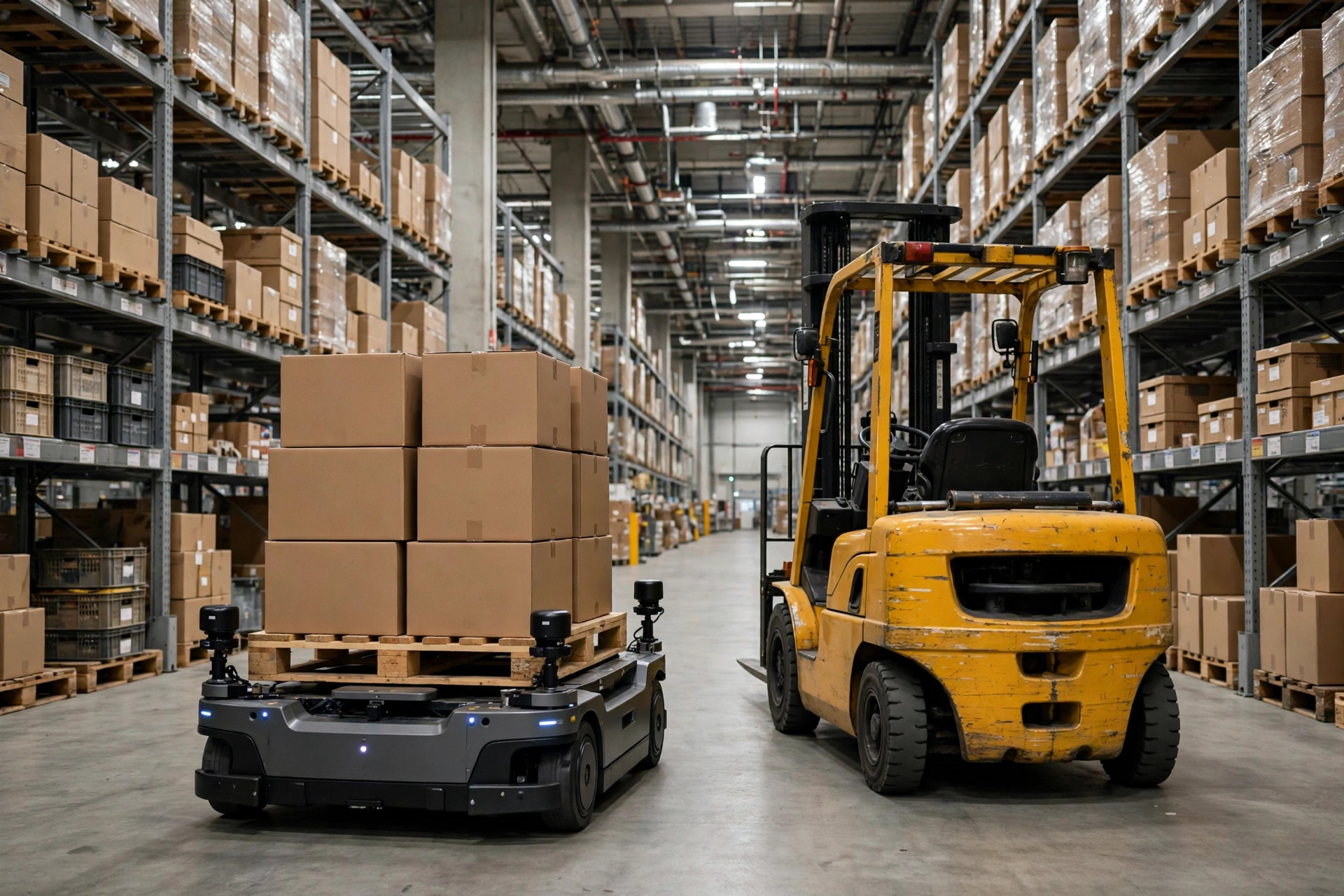
Second: buy automation on wheels, not automation welded to the floor. AMRs, mobile sortation robots, and goods-to-person workstations relocate at a fraction of the cost of fixed systems. Subscription-based mobile robots take it further: when the lease ends, you hand the fleet back and walk away, no de-install crew required. For a short-lease warehouse, "can we take it with us?" should be the first line of the selection criteria — ahead of throughput specs.
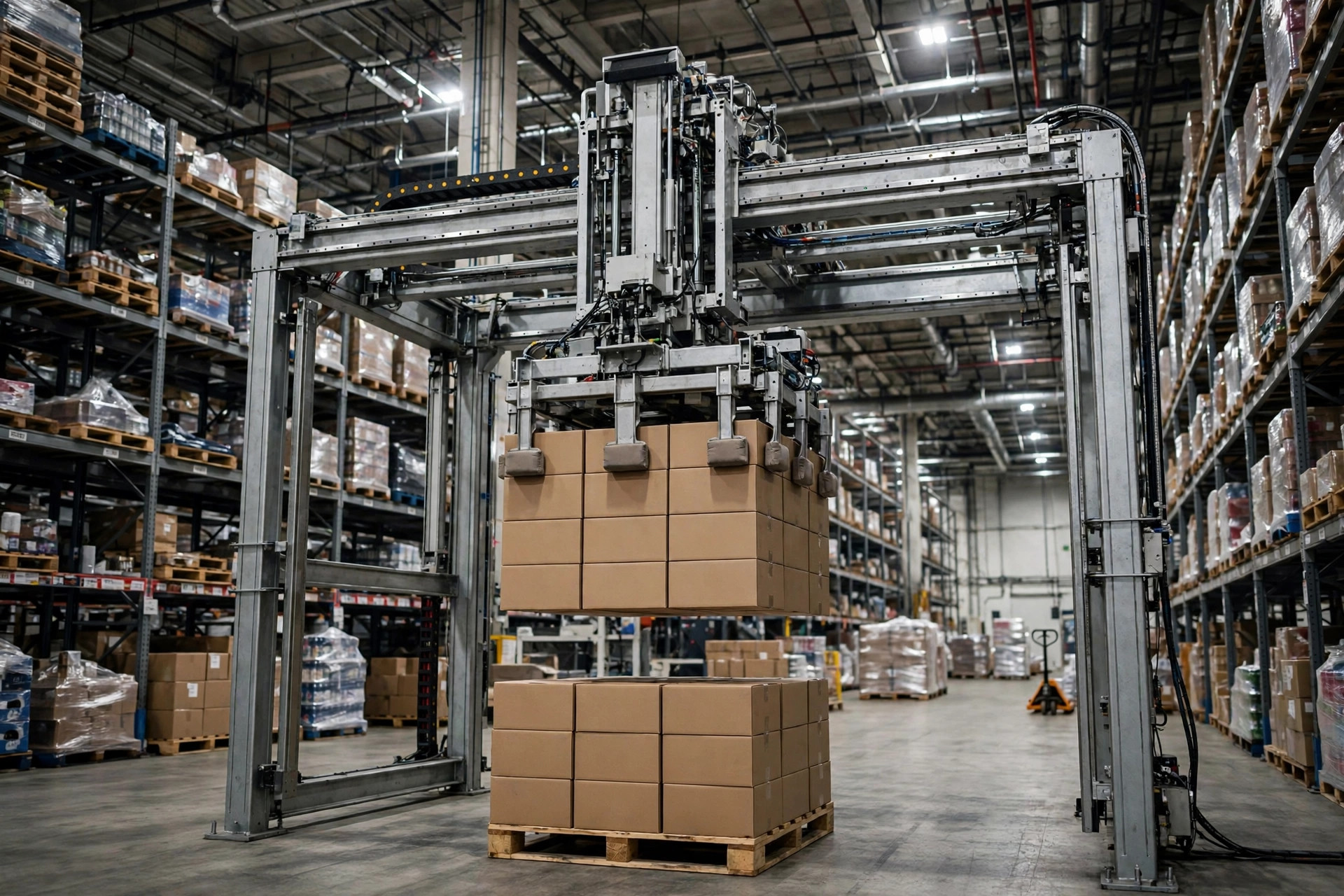
Third: split heavy automation into two phases. If you're committed to fixed systems, start with standardized gear that holds resale value — conveyors and sorters with an active secondhand market. Save the highly customized pieces — shuttles, high-bay AS/RS — for after the renewal is signed. Phasing isn't procrastination; it's buying certainty with time. And if the renewal falls through, phase one still moves with you.
Here's what you can do tomorrow: pull out your lease tonight and check how many years remain, then write the equipment's depreciation life next to it. If depreciation runs more than two years past the lease, don't call the integrator for a quote — call the landlord about a renewal. That one phone call might be worth more than any discount you'd negotiate on the equipment.