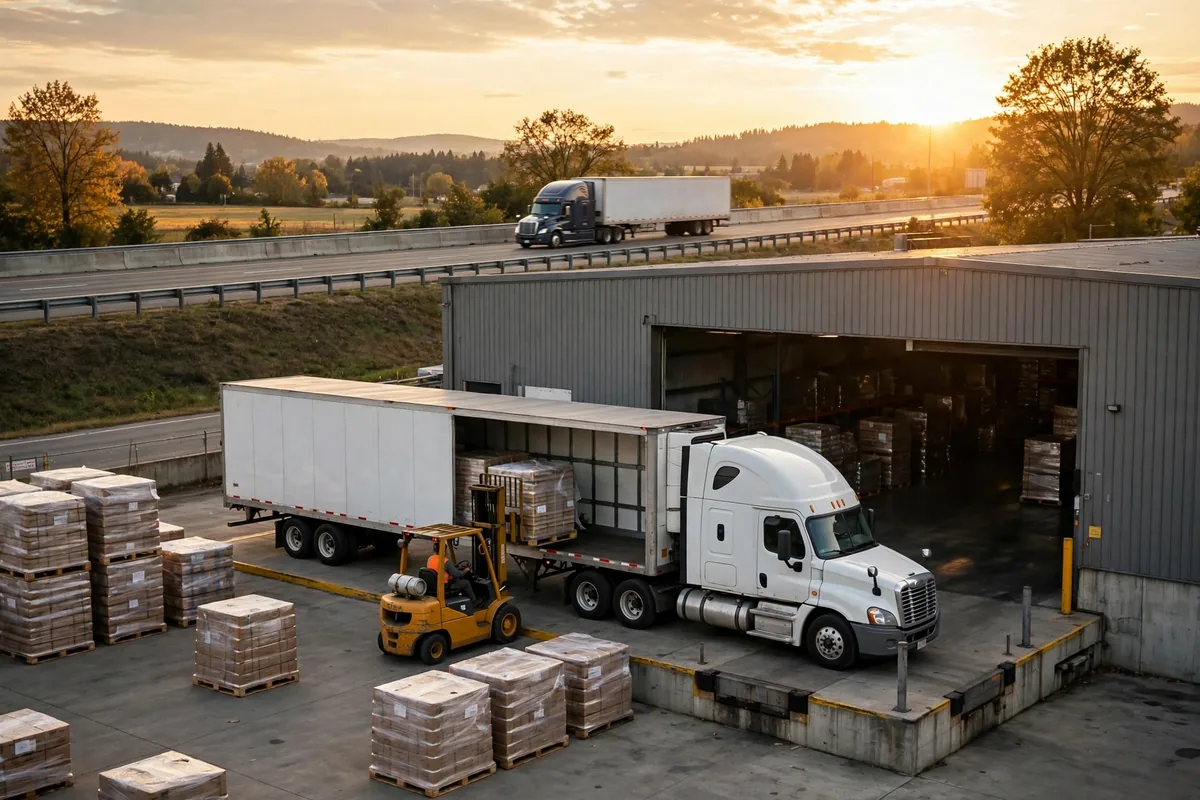
Let me tell you something. After all these years on the road, the thing I dread most isn't traffic. It's pulling up to a warehouse dock and watching the receiving crew sign for a load without looking at it. The truck gets unloaded, I drive off, and the next day the phone rings: Shifu, your load was two cartons short, and one carton was the wrong model. I say, friend, you could have looked yesterday. And they say: we only signed for the carton count. I've heard that line more times than I can count.
Warehouse inbound inspection comes down to one simple idea: a problem found on the dock is the cheapest problem you'll ever have. The same problem found after the stock is put away, entered in the system, and shipped to a customer costs many times more. In all my years delivering freight, I've watched too many warehouses treat the quality check as decoration, and the warehouse itself ends up paying for it.
Here's one that stuck with me. In the fall of 2023, I delivered a load of small appliances to a third-party warehouse in Ontario, California — 400 cartons in total. The receiving guy was quick. He counted cartons, scanned the pallet codes, unloaded in half an hour, and had me sign and go. Before I left I asked: aren't you going to open a box? He said no need, the supplier's always been solid. Three days later I was back at that warehouse with another load, and the manager was on the phone arguing with the supplier: more than 60 cartons turned out to be the old model, one letter different in the model number. The system had already received them as the new model, and customer orders had already been printed. Sorting it out — moving stock back, re-sorting, apologizing to customers — took over a week. The manager told me afterward: all it would have taken was opening two cartons on the dock.
How Much Warehouse Inbound Inspection Is Enough
Sampling has two traps to avoid: opening nothing and trusting blindly, or opening everything and turning receiving into a second round of sorting. A small warehouse doesn't have the hands for full inspection, and a big warehouse has too much volume for it. The rate has to fit the freight.
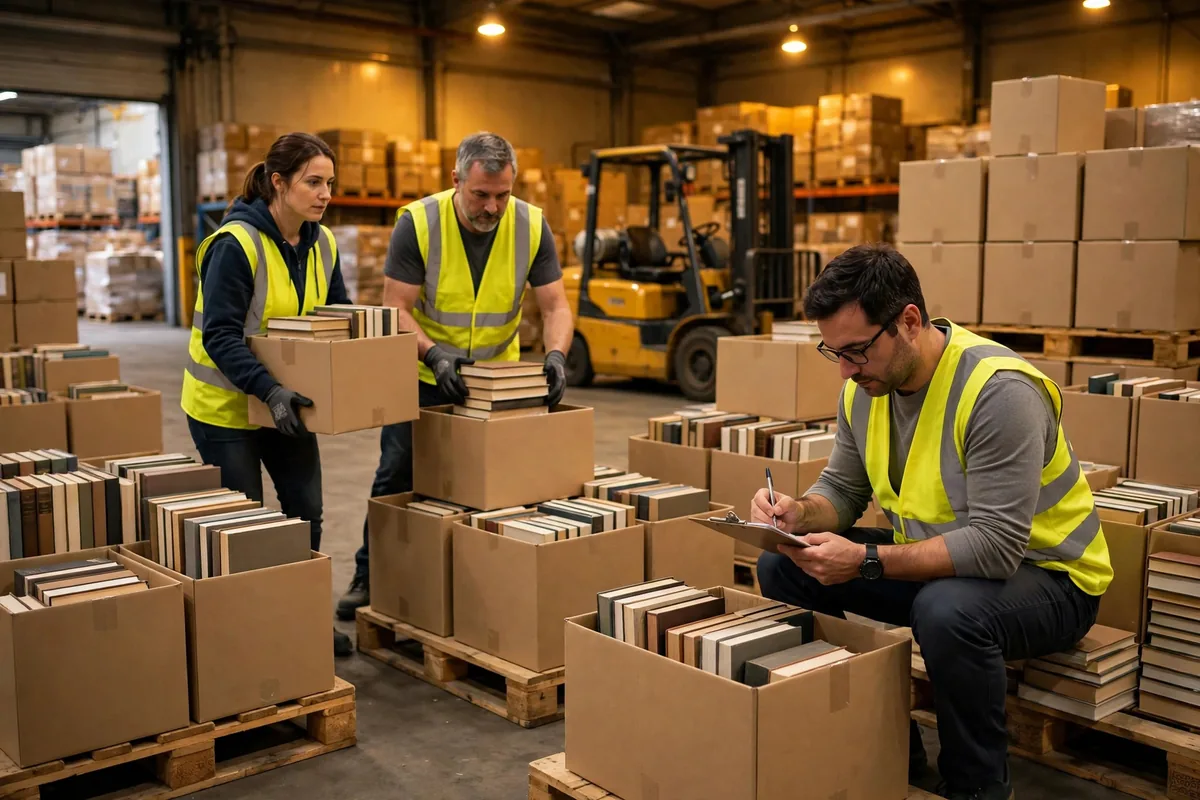
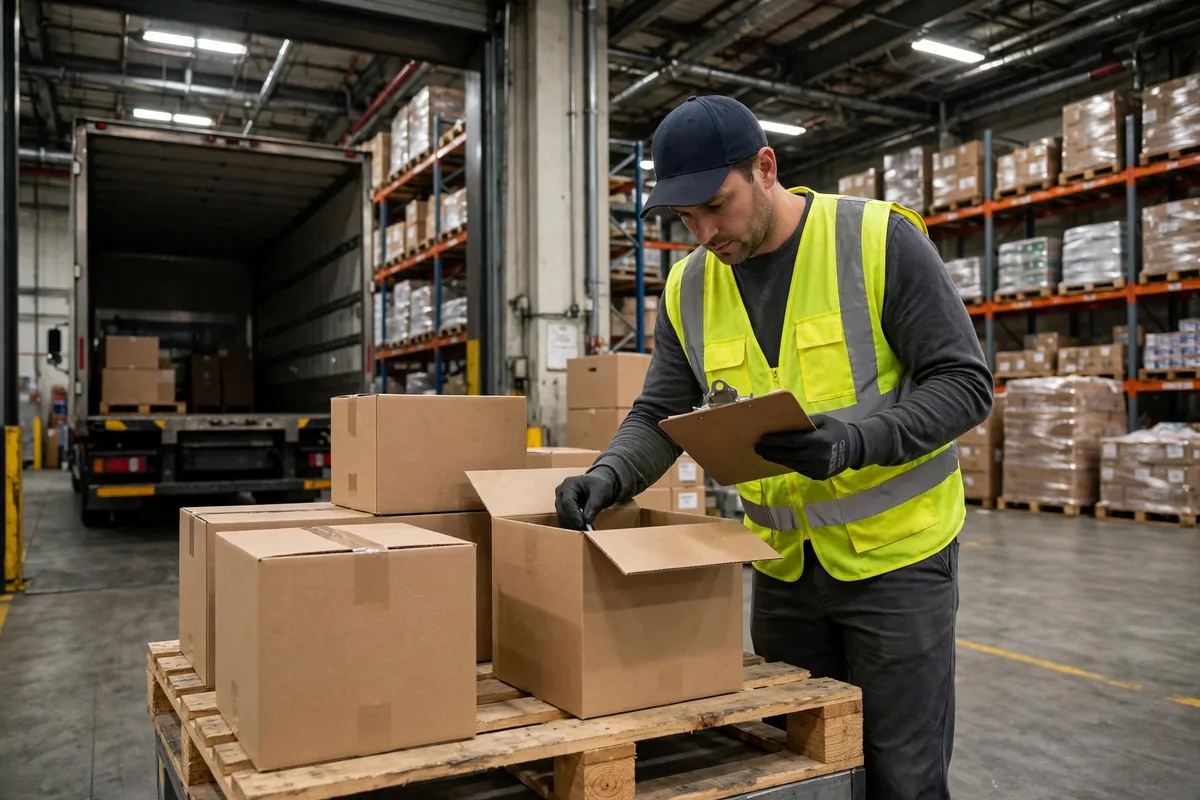
My rough rule splits freight into three bands. First, the first three deliveries from a new supplier, or any new product or new packaging — sample heavily, opening two or three out of every ten cartons isn't too much, because you don't know yet whether this supplier is reliable. Second, an old supplier with a clean record — sample about one in ten, mostly to verify model numbers and counts. Third, high-value goods and anything easy to mix up — models that differ by one letter, colors that differ by one shade — sample more no matter how much you trust the supplier.
The numbers here are illustrative scenario figures, and the rates should be set to fit your own warehouse: take a 200-carton delivery, for example. Sampling one in ten means 20 cartons, which two people can check in half an hour. Sampling three in ten means 60 cartons, which needs over an hour. Do the math this way — sampling costs half an hour of a receiver's time, while a missed defect can cost a full day of rework later. Which one is more expensive is obvious once you write it down.
And here's a counterintuitive point: sampling isn't really testing whether this shipment is good. It's testing whether this supplier is steady right now. Five clean deliveries in a row don't mean the sixth one gets a pass, because a supplier can change production lines, change workers, or rush an order to meet a deadline, and quality can turn overnight. I knew a supplier with a spotless record for six months straight, then three mixed shipments in a row during the peak-season rush. Trust is earned, but the quality check doesn't stop just because you trust someone.
Wrong, Damaged, or Short: Warehouse Inbound Inspection on the Dock
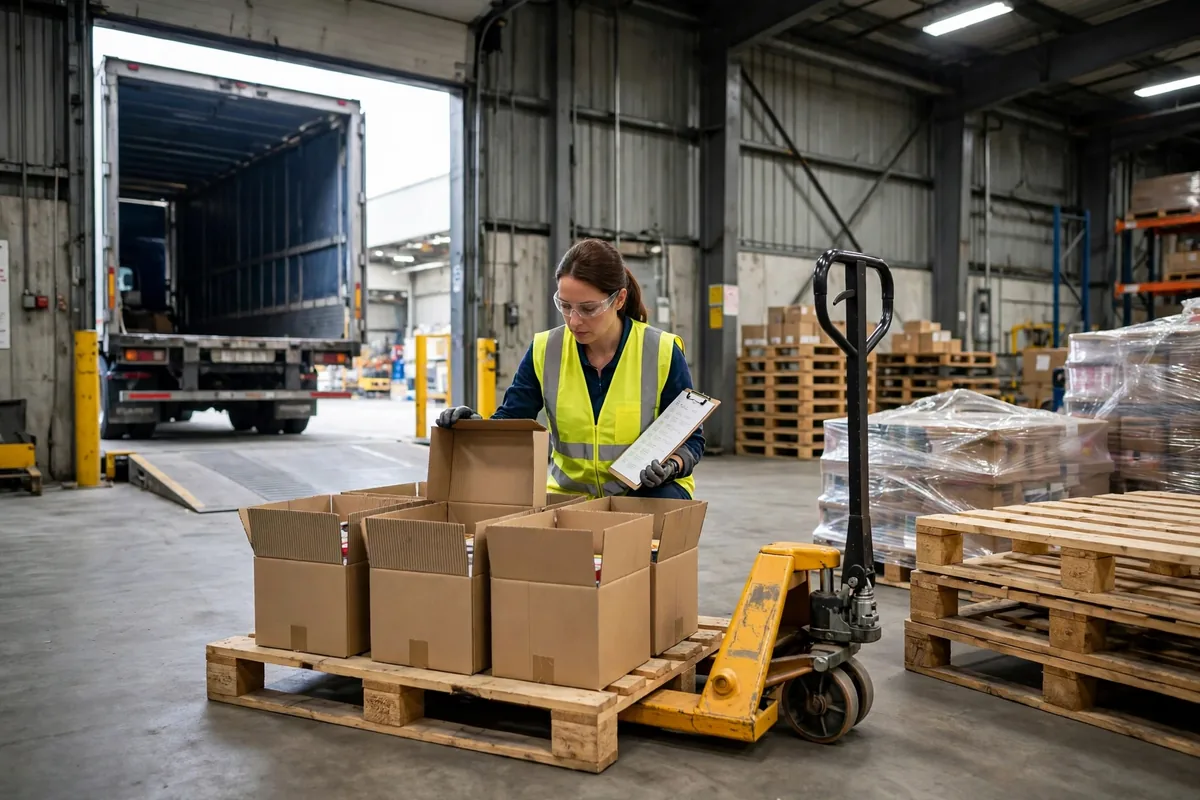
When an inspection finds a problem, the most important word is: on the spot. While the freight is still on the dock, the driver is still there, and the delivery note is unsigned, everything is negotiable. Once the truck leaves, responsibility gets blurry fast.
Wrong goods? Photograph first: the outer carton label, the actual product model, and the delivery note, all in one shot if you can manage it. Then write the discrepancy on the delivery note — how many were actually received, how the model differs, which cartons are affected — and have the driver sign to confirm it. That note is your evidence when you go back to the supplier for a claim. Don't save effort by mentioning it verbally and letting the driver go. Nobody remembers a verbal comment three days later.
Damage works the same way. A crushed corner, a broken seal, a carton on the pallet that clearly got wet — open it and check on the spot, photograph it, refuse it if it should be refused, note it if it should be noted. In all my years driving, the receivers I respected most were the ones who pointed at a damaged carton right in front of me. I signed, and they had paperwork for the insurance and the supplier. The worst kind is the one who says nothing at the time and calls two days later to say the goods I delivered were broken — by then the freight has been handled by who knows how many people, and nobody can prove anything.
Shortages cause the most arguments. If the carton count doesn't match, don't sign in a hurry. Count again, then check the loading list with the driver. More often than not, a pallet was short-loaded, or the last few cartons were left at the previous stop. Count it properly before signing, write down exactly how many are missing, have the driver sign, and let the warehouse chase the supplier for the rest. Ten extra minutes before signing beats three days of arguing afterward.
What Needs a Full Check and What Can Go Through
Not every shipment deserves the same treatment. My full-inspection list has three kinds. First, high-value goods, where one carton is worth ten of anyone else's — the cost of opening one carton is nothing next to the cost of shipping the wrong one. Second, freight a customer has specifically asked to be checked. Some brand customers require full incoming inspection, and that's not something the warehouse gets to skip on its own. Third, any supplier or product line that has burned you before. Once a shipment goes wrong, the next ones get a full check until several clean deliveries in a row earn the sampling rate back down.
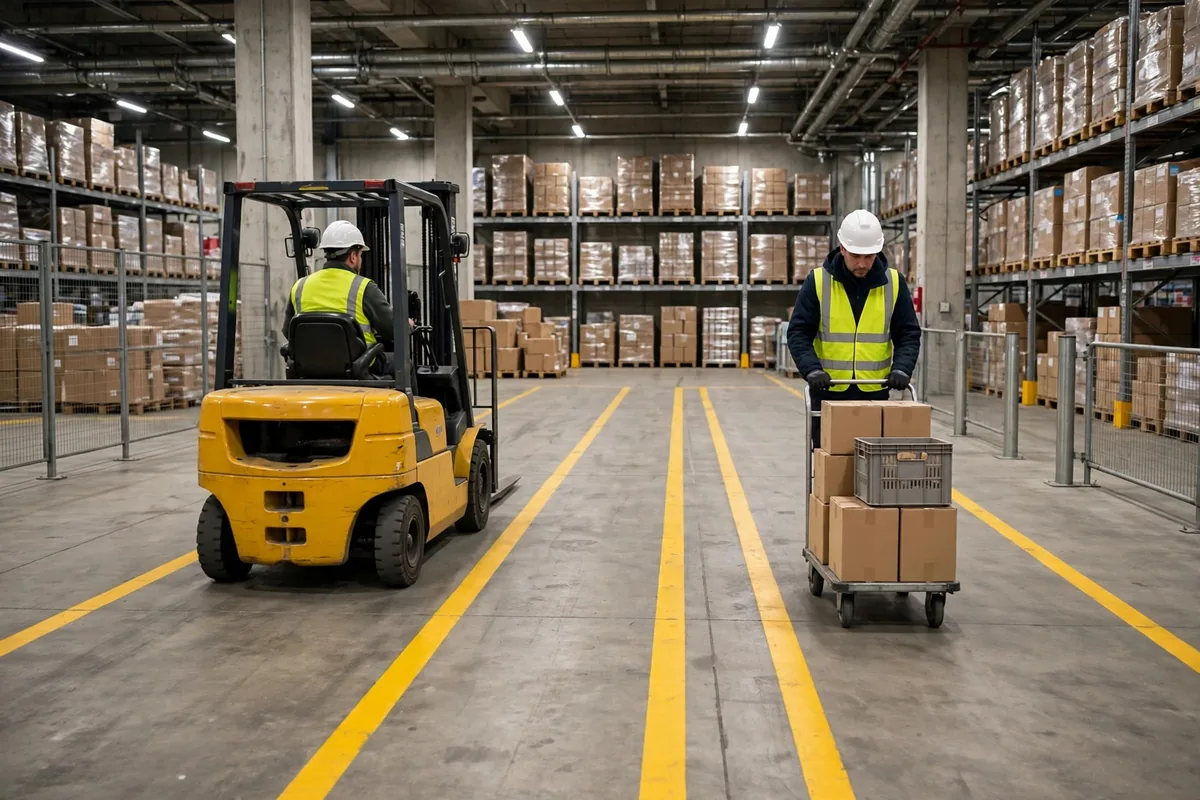
On the other side, some freight can go lighter: neatly packed, single-model, stable-supplier, zero-defect standard goods can take a lower sampling rate. Lighter doesn't mean skipping, though. Count and outer-carton condition get checked on every delivery — you can see both without opening a box, and it costs nothing extra.
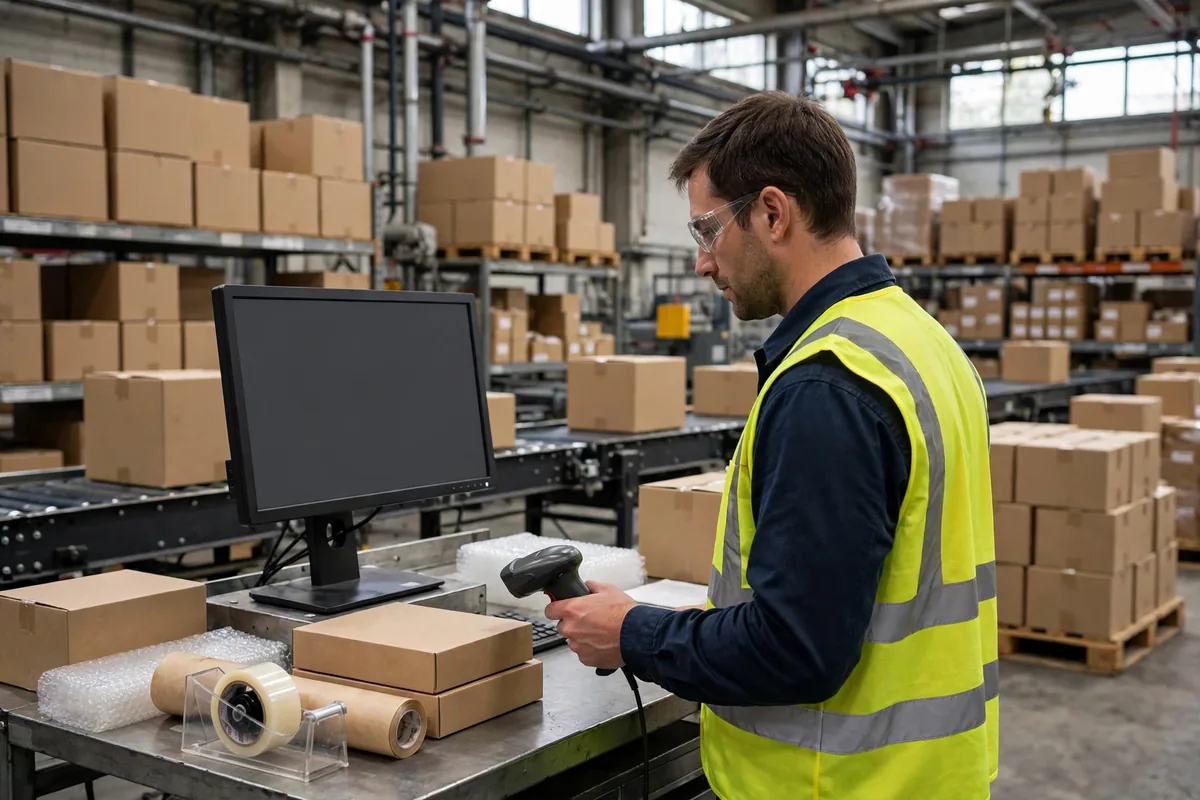
One more detail: how to keep the inspection record. Don't leave it in the receiver's head, and don't leave it on a piece of paper nobody can find later. The simplest way is one record per delivery: delivery note number, supplier, how many cartons were sampled, what problems were found, photo numbers, and how it was resolved. A few lines, kept in the system or a shared sheet. Three months later, when a supplier says "we've never had a problem," you pull up the record and show the date, the delivery, and exactly what went wrong. It looks useless on a quiet day, and it's your backbone the day there's a dispute.
At the end of the day, inbound inspection isn't about making life hard for suppliers, and it isn't about giving receivers extra work. It's the warehouse buying itself one layer of insurance: once the freight passes your door, the responsibility is yours. Two extra looks on the dock mean less rework after putaway and fewer complaints from customers. That math, after all these years on the road, is the clearest math I know.
Next time you visit a warehouse, look at the receiving dock and see whether anyone is opening cartons. If the receiver signs without opening a single box, you'd be right to wonder about the freight in that building.
By Shifu Zhao, Trucking Veteran (15 yrs)