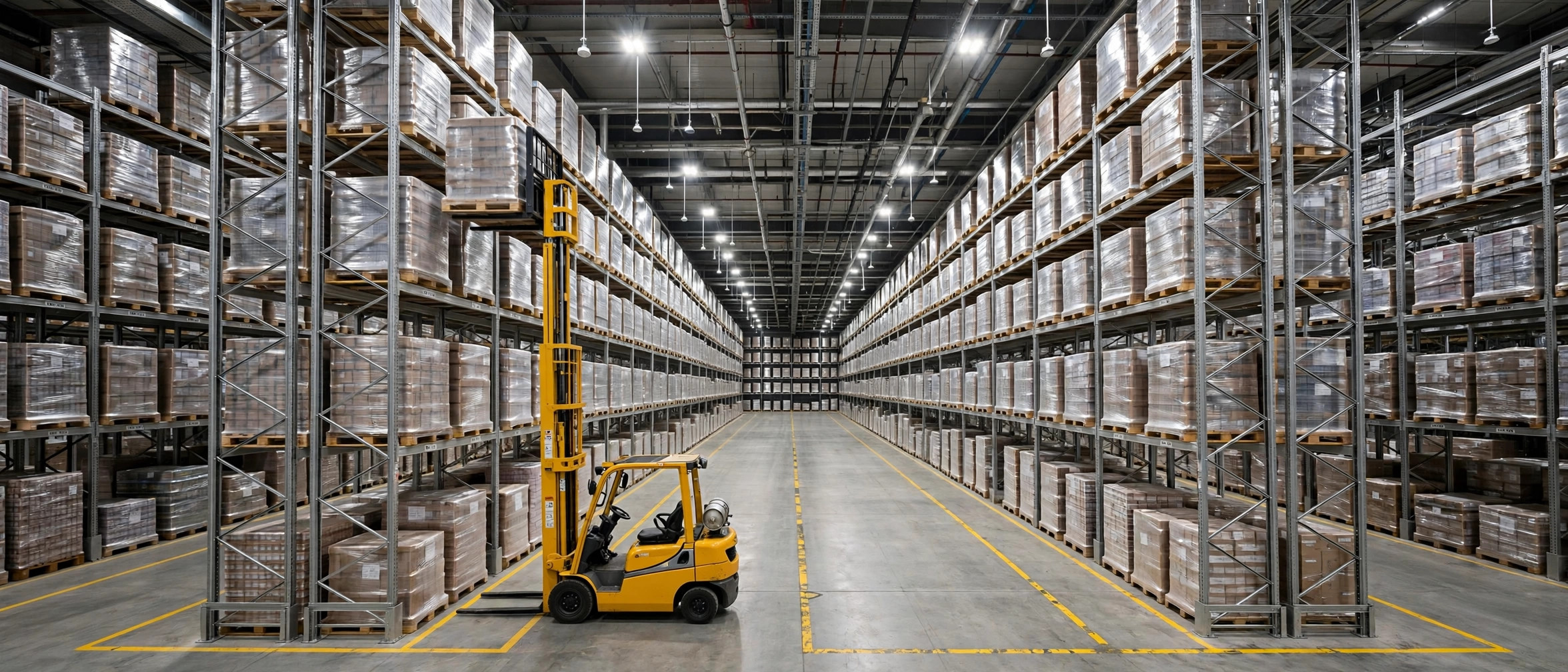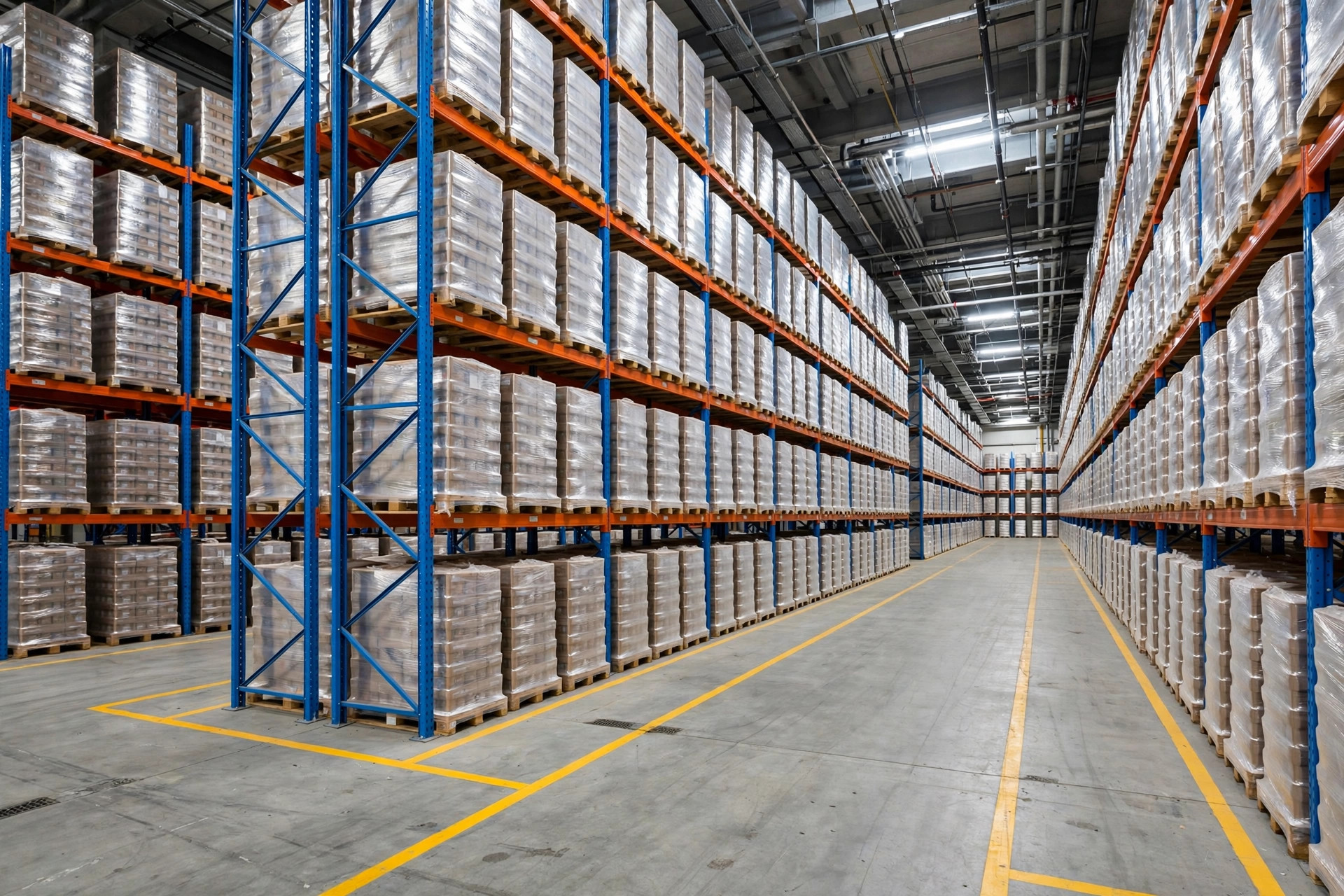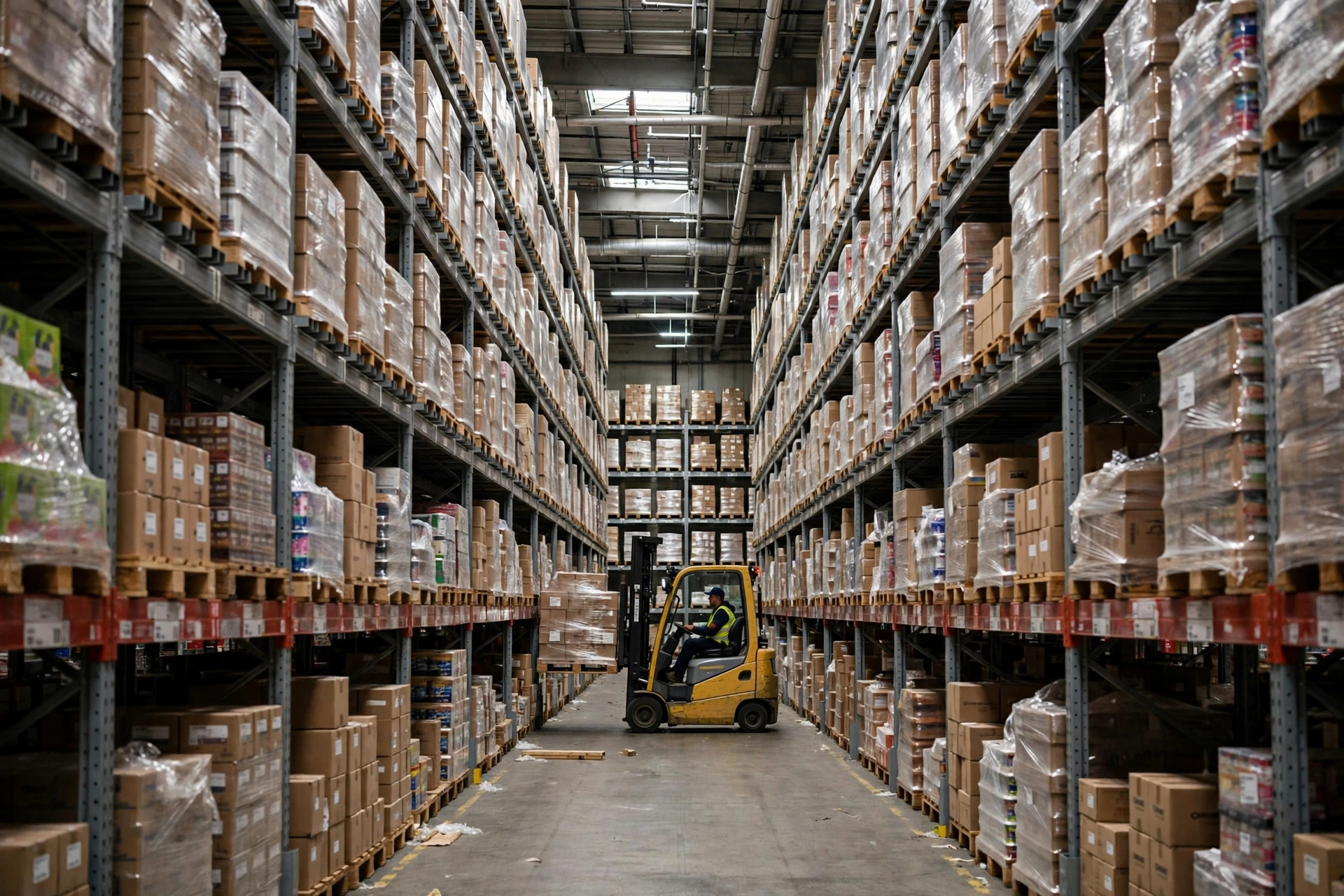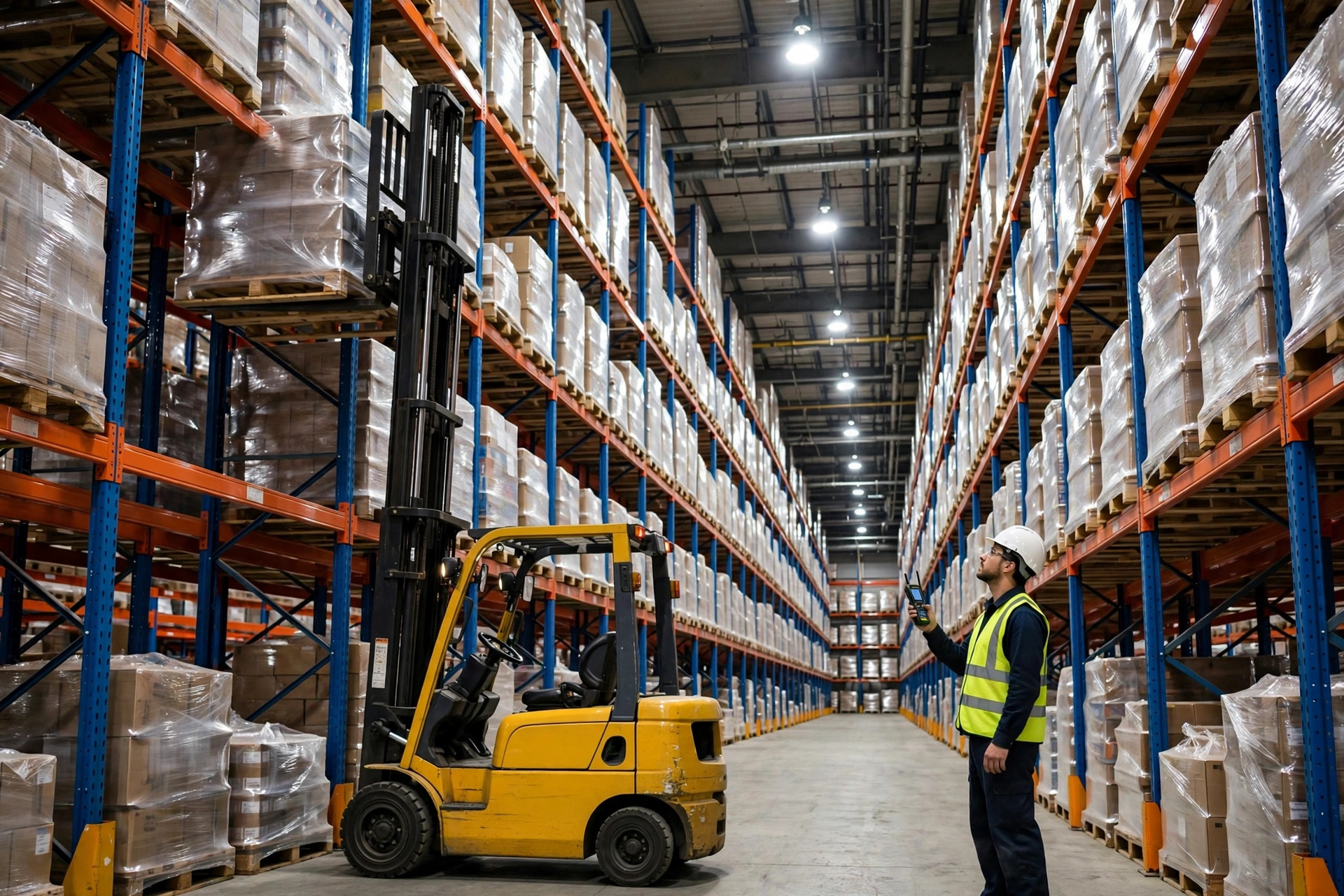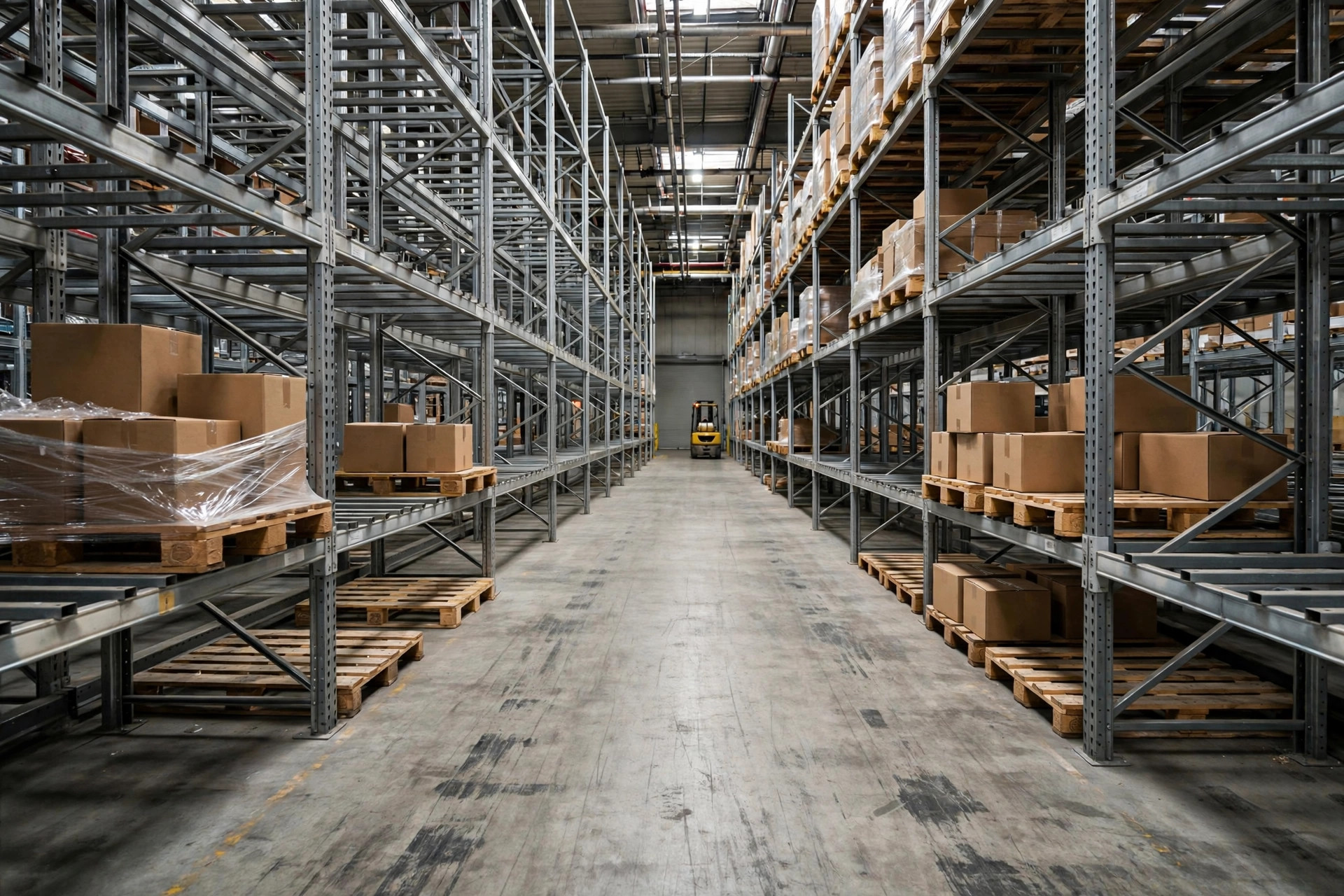
I was walking a 120,000-square-foot facility in Fontana last summer — about 3,500 pallet positions. The WMS showed 83% occupancy, and the operations manager was already shopping for overflow space ahead of peak season. I asked him to pull a live occupancy snapshot and walked the aisles with him. Halfway down the second aisle he went quiet. Dozens of pallet positions held nothing but half a pallet. Others had a few loose cartons sitting in a full pallet slot, using maybe a quarter of the space. Out of that 83% "occupancy," a good fifth was paper occupancy — positions flagged as full that were mostly air. That's honeycombing.
The name fits. A beehive's cells are all full. So are your slots, according to the system. But what's inside each cell might be half-empty. The nasty part is how slowly it happens. Nobody notices the day it starts. By the time someone does, the whole building is a honeycomb.
Why the System Says There's Room and the Floor Says There Isn't
Honeycombing comes from a mismatch between slot design and the actual shape of your inventory. Pallet positions are designed for full pallets, but part of your inventory is always in "non-full-pallet" form: inbound that got half-picked, order-pick leftovers, a few returned cartons with nowhere to go, a slow-moving SKU sitting at half a pallet. The WMS treats slot occupancy as binary. Occupied is occupied, whether you've got a full pallet or four cartons in there.
Every warehouse generates half-pallets daily. The problem is that nobody owns the job of eliminating them. Full-pallet outbound keeps shrinking, half-pallets keep accumulating, and over time those "tails" pin your pallet positions down. Worse, honeycombing spreads. A half-pallet squatting on a full position forces the next full pallet into another full position, and the cycle feeds itself.
How do you confirm it's happening in your building? Run an occupancy snapshot. Not the summary percentage — the detail. For every occupied pallet position, what share of the slot's capacity is the current inventory actually using, by cube or by stack height? Flag every position under half, and see what fraction of your total positions that is. The worst case I ever saw was an e-commerce facility in the City of Industry: nearly four in ten occupied positions were under half full. Their system occupancy had been a "healthy" low eighties for years. Management thought they had room. Peak season proved they didn't.
Do this monthly. More often isn't worth it — honeycombing is a chronic condition, and a monthly trend line is plenty. The key is keeping the same measurement method every time, or the numbers won't compare.
Fixing It Isn't About Buying More Racking. It's About a Daily Cleanup Habit.
Honest take first: you can't eliminate honeycombing. As long as you break bulk, take returns, and have demand fluctuation, half-pallets will keep appearing. The goal isn't zero half-pallets. It's keeping them from squatting on full positions for months. Three fixes, ordered by effort.
First: consolidation moves. The simplest and the most effective. Make it a scheduled task, daily or weekly: combine multiple half-pallets of the same SKU into full pallets and release the freed positions back to the system. Pickers can do this by hand — but only if the task has a name and a slot on the daily task list. I've seen plenty of warehouses treat consolidation as "do it when you have time," which means nobody ever does it. Each move costs maybe fifteen minutes of labor. Do the math for your market: what's your cost per pallet position per month, how many positions does a consolidation free up, and what does the labor cost? In high-rent markets like the Inland Empire, the math almost always favors consolidation. Where space is cheap and labor is expensive, you can run it less often.
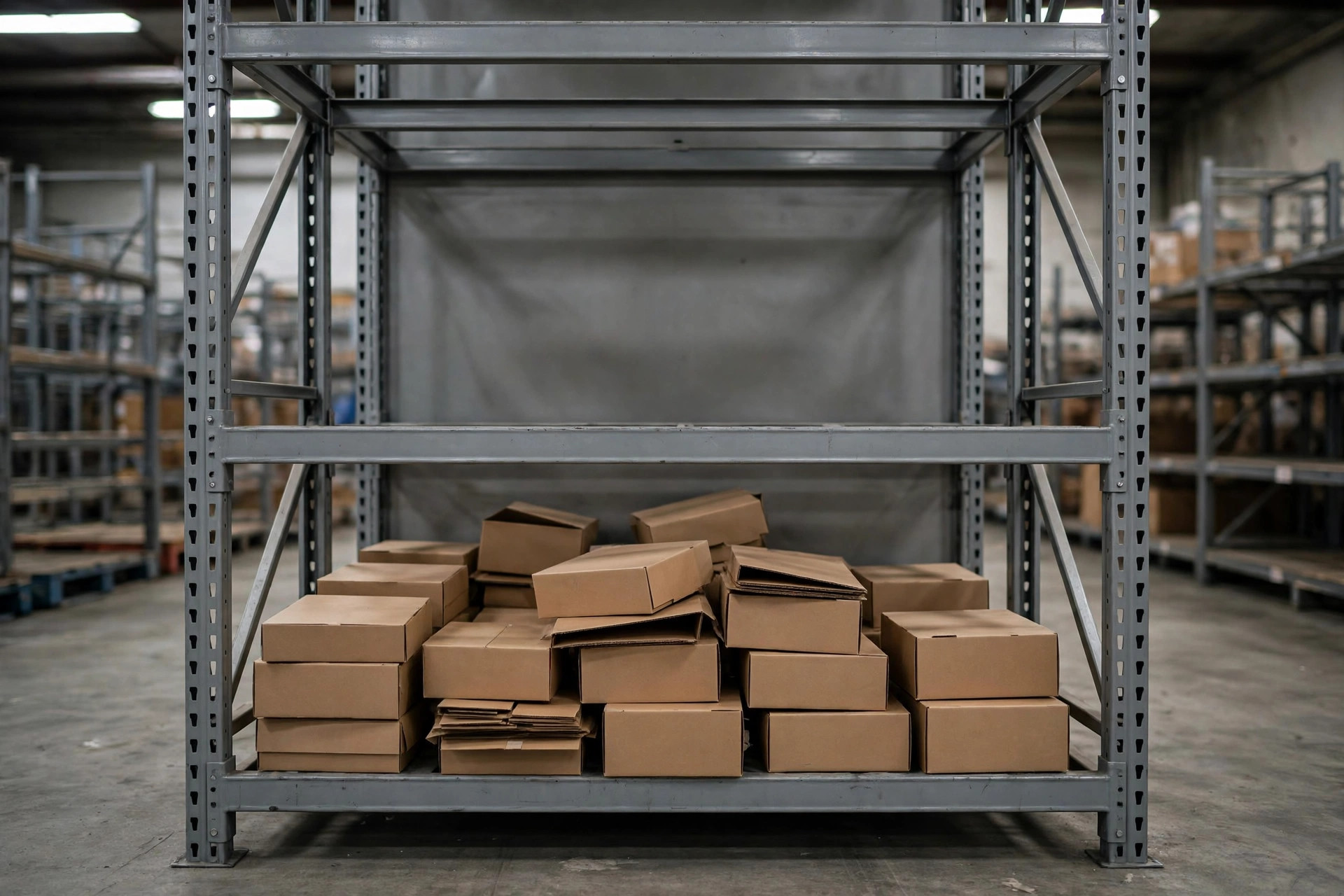
Second: flexible slot types. A lot of warehouses hard-code their slot types: this zone is full-pallet only, that zone is case-pick only. The classic honeycombed building has its full-pallet zone pinned down by half-pallets while the case zone sits half empty. The fix is a pool of flexible positions that the system can flip between full-pallet and case storage as inventory mix changes — more full-pallet slots in the slow season, more case slots when broken-case demand spikes. This needs WMS support for dynamic slot-type switching. Older systems may not have it. If yours doesn't, don't force it — run the first fix until your next system upgrade, and put this on the requirements list.
Third: consolidation-first replenishment. A surprising amount of honeycombing is born during replenishment. The pick slot runs low, the system drops a full pallet from reserve, the pick slot only consumes half of it, and the leftover half becomes a honeycomb on the spot. Change the logic so replenishment pulls from existing half-pallets first instead of always breaking a fresh full pallet. It's a small change with a direct effect — it slows the creation of new honeycombs at the source.
One more thing people overlook: returns. Returned goods arrive as a few cartons in uncertain condition, get shoved into a full pallet position, and are forgotten for three months. Give returns their own staging area, make a disposition decision right after inspection (back to pick, consolidate, or scrap), and don't let them "temporarily" live in reserve storage.
Here's the trade-off nobody talks about. Fighting honeycombing is trading labor for space. In a high-rent market, the labor is worth it. In a market where land is cheap, the honeycombing might not be worth fighting at all — leasing more square footage could cost less than daily consolidation runs. Don't treat the disease just to make the utilization number look pretty. The metric that matters isn't occupancy; it's your cost per unit shipped per square foot.
One thing you can do tomorrow: pull one occupancy snapshot, flag every position under half full, and count them. If it's more than about fifteen percent of your positions, your building is already honeycombing. Start with thirty minutes of daily consolidation moves and see what the number looks like in a month.