Conclusion first: if you can change exactly one thing to improve pick speed, do not buy equipment first. Move your fast-moving SKUs to waist height — that is warehouse golden zone picking ergonomics in one sentence. Warehouse golden zone picking ergonomics is not a new idea, but in my experience eight out of ten warehouses never actually implement it — either every shelf is treated the same height, or slotting is done by feel, and the pickers' backs pay the difference. I have seen this exact failure three times, and the script is always the same.
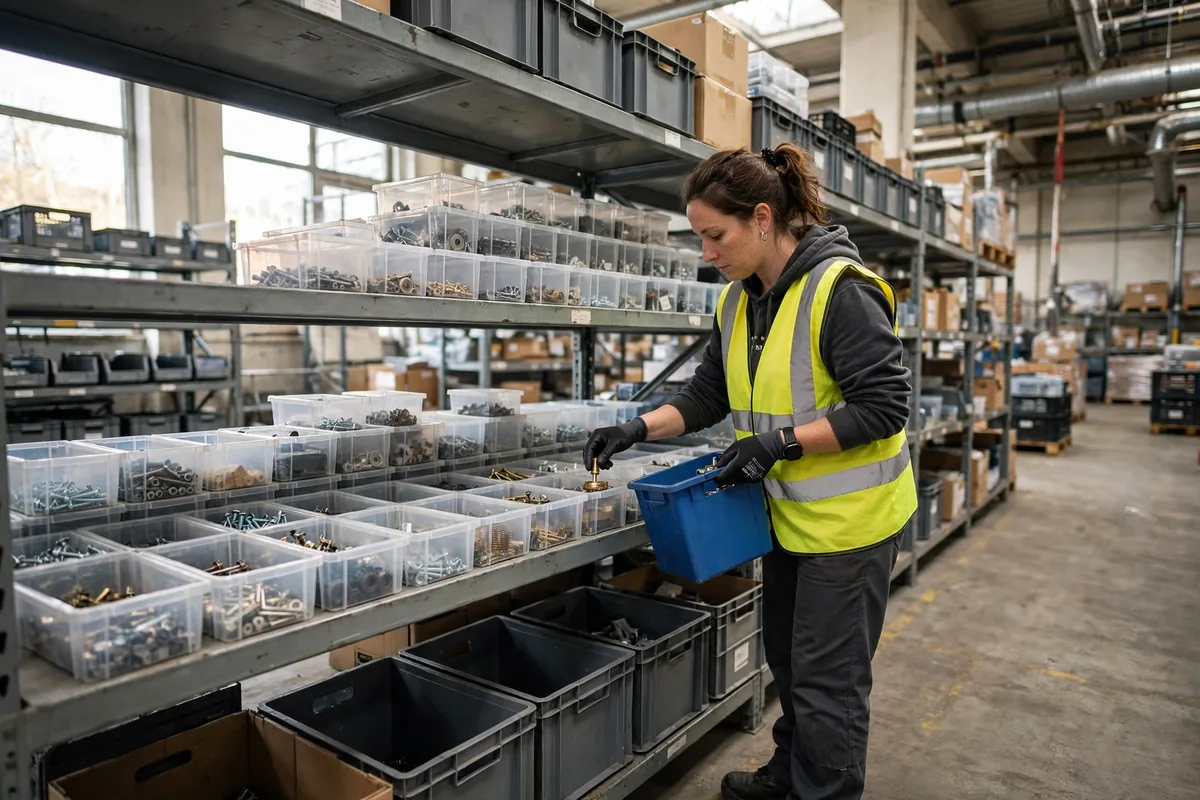
First project. Fall 2024, a home-goods 3PL outside Dallas, about 8,000 square meters, roughly 3,000 orders a day. We were implementing their WMS, and during the site walk I noticed their best-selling storage bin sat on the bottom shelf. Pickers had to crouch for it on every order — hundreds of crouches a day for a single SKU. I asked the warehouse manager why it was down there. "Because it is heavy, the bottom is stable," he said. That sounds reasonable until you run the numbers: the bin weighed under 5 kilograms, no effort at all for an adult picker to lift at waist height. The genuinely heavy item was a 20-kilogram piece of furniture — and that one sat on the second shelf, because somebody worried about moisture on the floor level. The two SKUs had their positions exactly backwards.
Second project, even more typical. Early 2025, an apparel warehouse in Houston, about 5,000 orders a day, standard four-level racking. The team had done an ABC analysis by sales and put all A-class SKUs closest to the aisle. Sounds right? Two weeks after go-live the pickers were complaining: half the A-class SKUs were on the top level or the bottom level. Close to the aisle, yes — but every pick meant stretching overhead or crouching. When we pulled the data, A-class SKUs were picked more than 1,200 times a day, and over 600 of those picks happened at the top or bottom level. The classification was half right. The height was unmanaged, and the efficiency leak was still wide open.
Golden Zone Math: What One Bend Actually Costs
Most people treat a bend or a stretch as a small thing you just push through. You can push through it. The money still leaks. That is the whole point of warehouse golden zone picking ergonomics: the cost is never in one motion, it is in the multiplication. The math is simple, in three steps:
Step one, count the motions. Take last week's data: how many times per day were fast-moving SKUs picked, and how many of those picks happened outside waist height? If you have no data, shadow one picker for a day and count their bends and stretches. One day of counting is enough.
Step two, convert to time. One bend-and-rise costs 2–3 seconds more than a waist-height pick. One overhead reach costs 3–5 seconds more. Small numbers — until you multiply them.
Step three, multiply by volume. Take the Houston numbers: over 600 off-golden-zone picks a day, at 3 extra seconds each, is 30 minutes a day. Over 22 working days that is 11 hours a month — roughly a day and a half of one picker's time. And that excludes the harder-to-measure part: fatigue slows hands and blurs eyes as the shift goes on, and error rates climb. You cannot put an exact number on that, but anyone who has run a warehouse has watched it happen.
| Pick height | Cost per pick | What belongs there |
|---|---|---|
| Waist height (golden zone) | Reach and take, near-zero extra motion | SKUs picked dozens of times a day |
| Shoulder to head height | Stretch or tiptoe, 3–5 extra seconds | Mid-frequency SKUs, picked a few times a week |
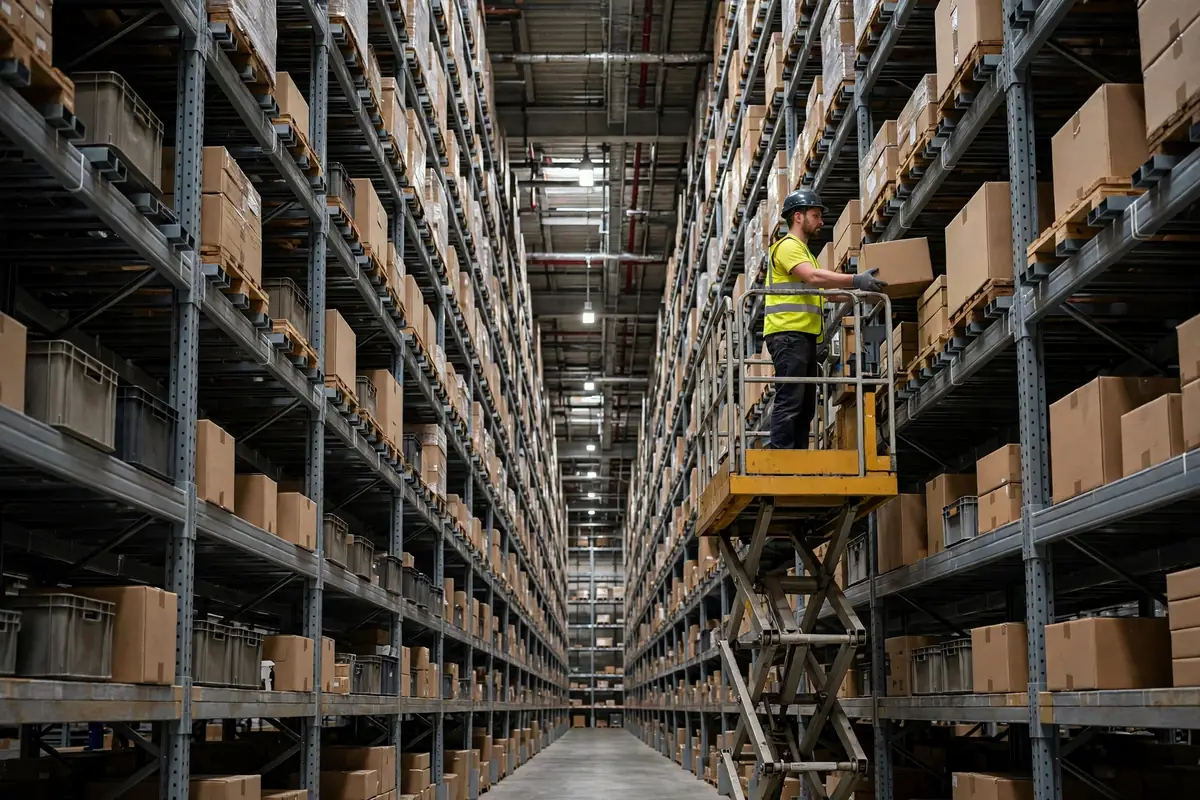
| Below the knees or above the head | Bend, crouch, or climb — slowest and most tiring | Low-frequency SKUs, picked a few times a month |
Slotting the Golden Zone in Four Steps
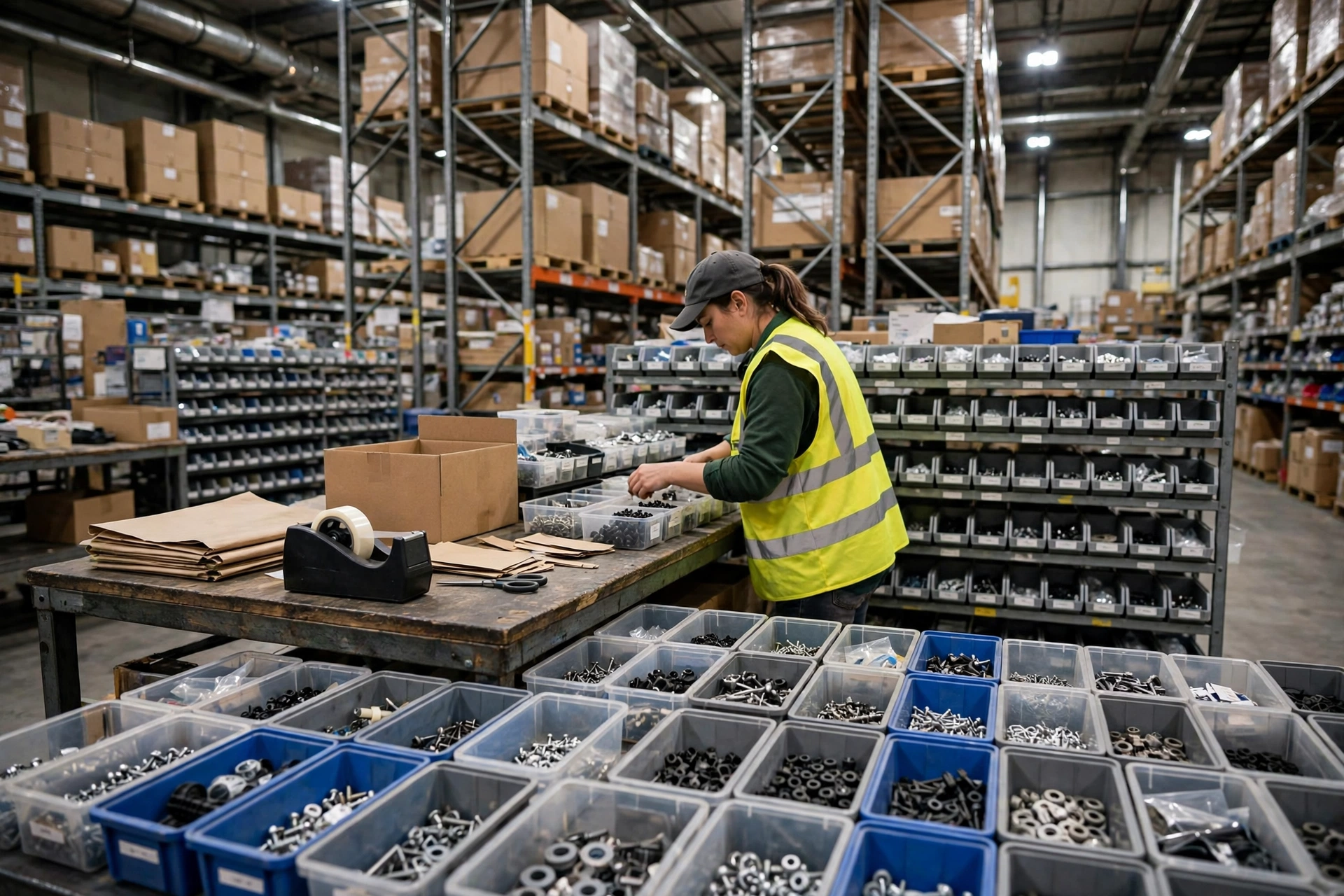
Step one, run your ABC analysis on pick frequency, not on sales revenue. I have seen this mistake three times: a high-priced furniture item lands in A-class on revenue, but it ships 20 times a month in full pallets and has no business in the golden zone. The golden zone only recognizes one metric: how many times a SKU gets picked. Pull three months of data, rank SKUs by pick lines, and the top 20% is A-class, the next 30% B-class, the rest C-class.
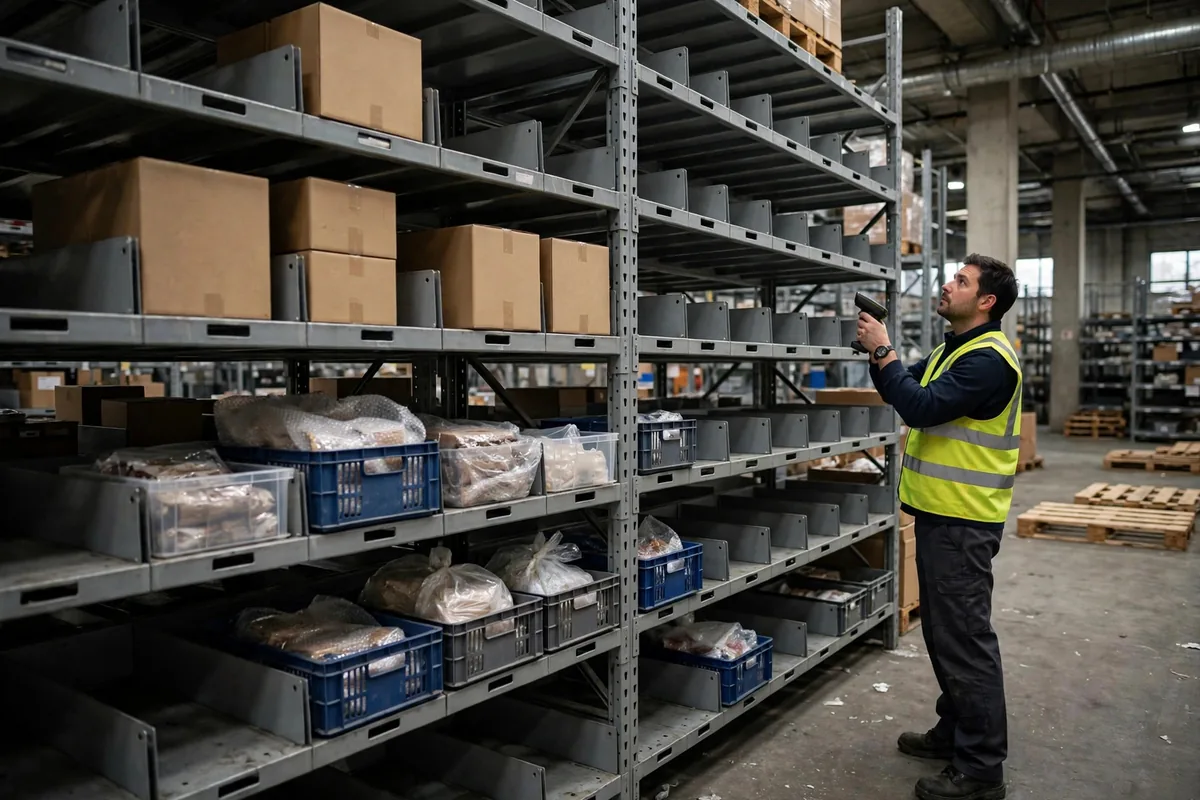
Step two, measure your own racking and mark the golden band. Shelf heights differ, so do not copy somebody else's numbers. Have an average-height picker stand at the rack — the range they can reach naturally, roughly between knee and shoulder height, is your golden band. Mark it with green tape on the side of the rack so everyone can see it.
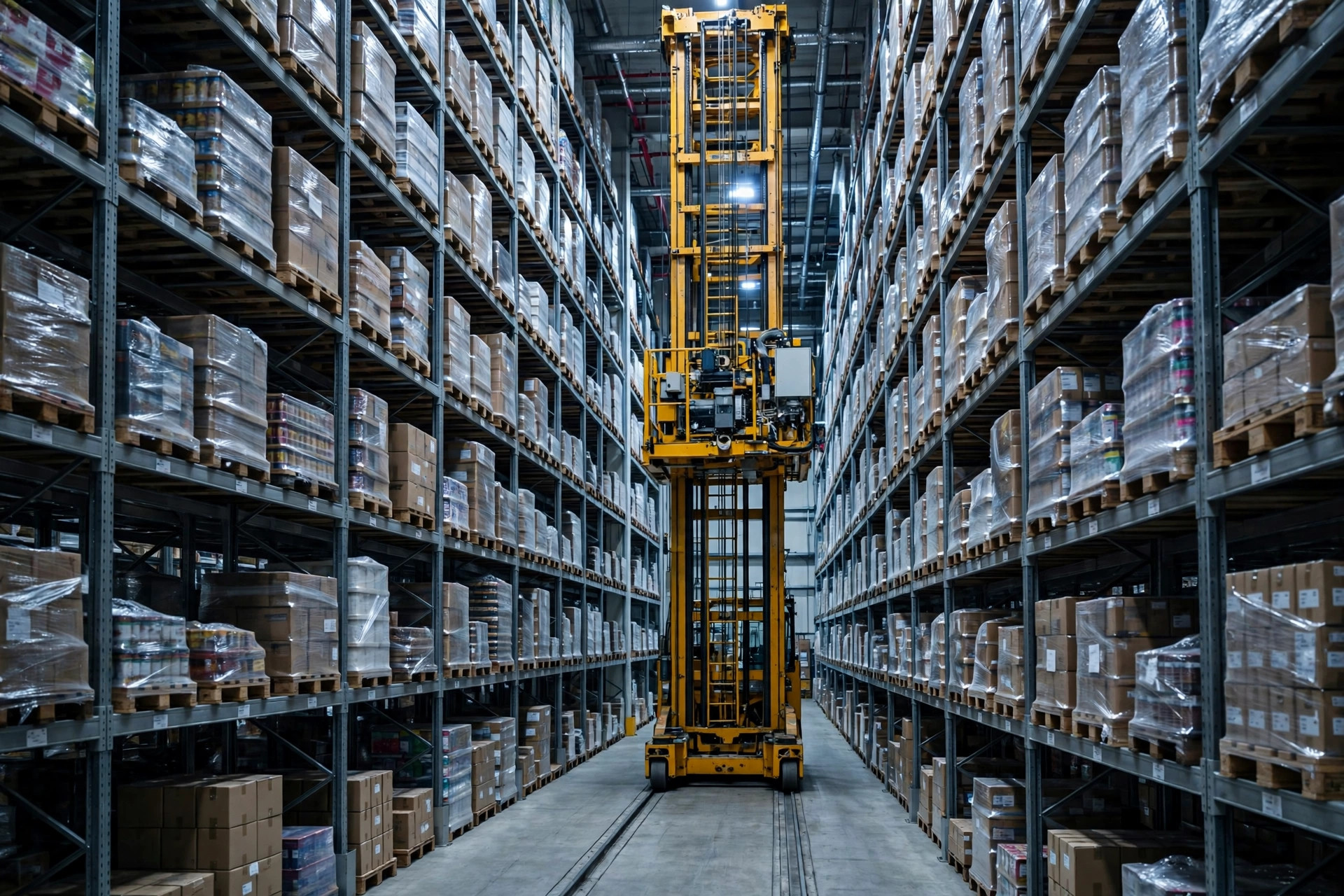
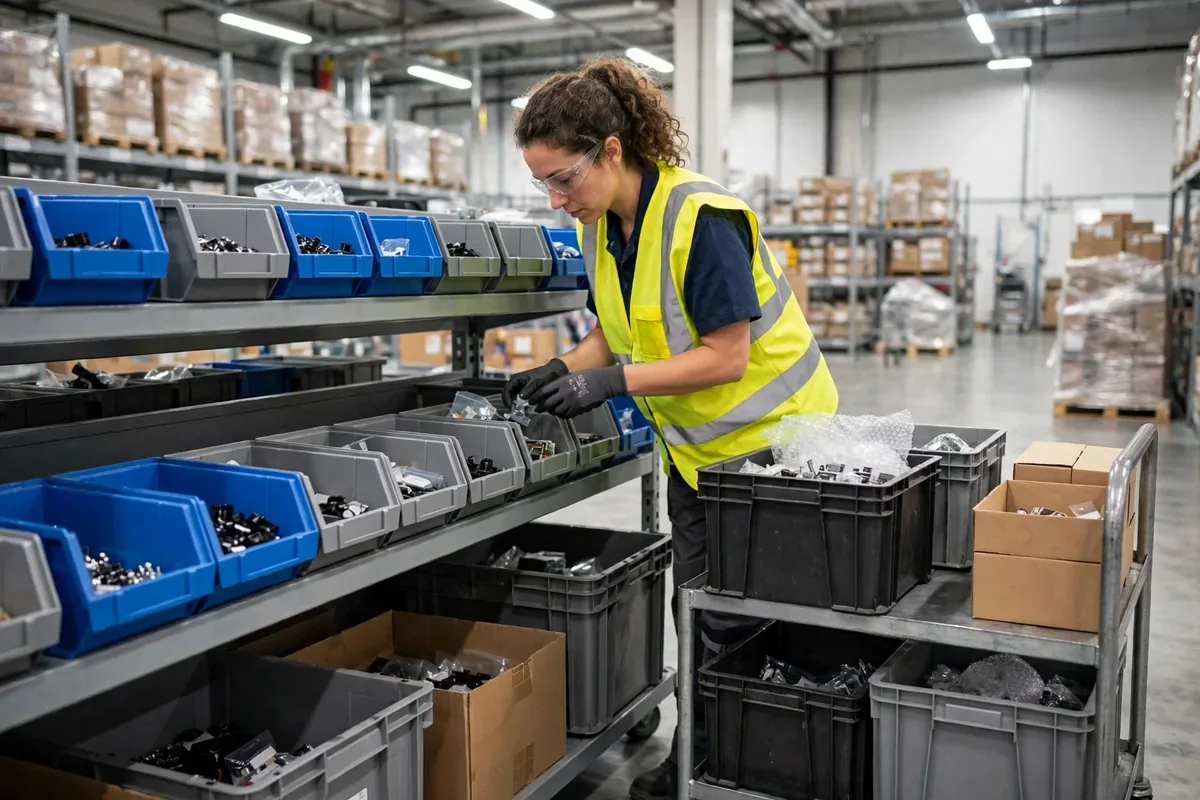
Step three, put all A-class SKUs inside the golden band, B-class above the shoulders and below the knees, and C-class on the very top and bottom levels. One detail matters here: if an A-class SKU ships in full pallets, move it out of the golden zone. It occupies a pallet position, not a pick face, and belongs in the floor-level pallet area. The golden zone is reserved for SKUs picked one piece at a time, dozens of times a day.
Step four, add one line to your go-live night checklist: randomly pick 20 A-class SKUs and verify on the floor that they are actually in the golden band. Do not trust the location assignments in the system — trust your eyes. I have seen projects where the system looked perfect and the floor told a different story, usually for a simple reason: whoever stocked the shelf put the goods in the nearest empty slot. The spot check exists to catch exactly that.
The Golden Zone Rule: Smaller Is Better
One last counterintuitive point: the golden zone is not better when it is bigger. The opposite is true — the smaller and more precise it is, the more it is worth. Some warehouses hear about the golden zone and mark two full rows of racking as golden, and then A-class SKUs are still scattered across it and pickers still walk long distances. The golden zone is a scarce resource. It only fits the genuinely fast-moving 20%. The moment you expand it to hold everything, it holds nothing. Manage it like VIP parking: limited spaces, clear standards, regular review. That discipline is what warehouse golden zone picking ergonomics actually means in practice — not a poster on the wall, but a list that gets re-checked. Re-run the ABC analysis every quarter. Seasons change, bestsellers change, and the A-class list has to change with them — and the stock inside the golden zone has to move too. The cost of moving stock once is far lower than the cost of letting the wrong SKU sit in the golden zone for a whole quarter.
Add two more lines to the go-live night checklist: first, is golden-zone coverage of A-class SKUs above 90%? Second, have pickers flagged any SKU in an awkward spot? When both answers are yes, the change has actually landed.
By Lin Xiao, WMS Implementation Consultant