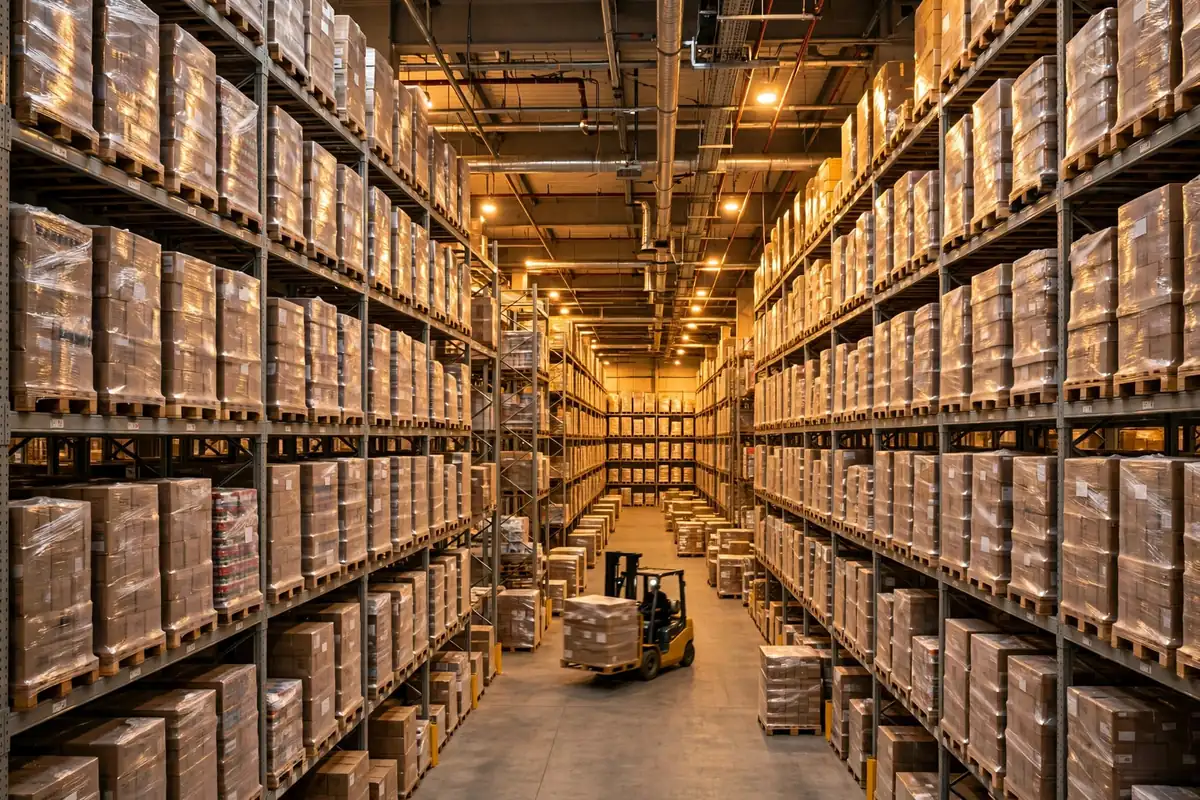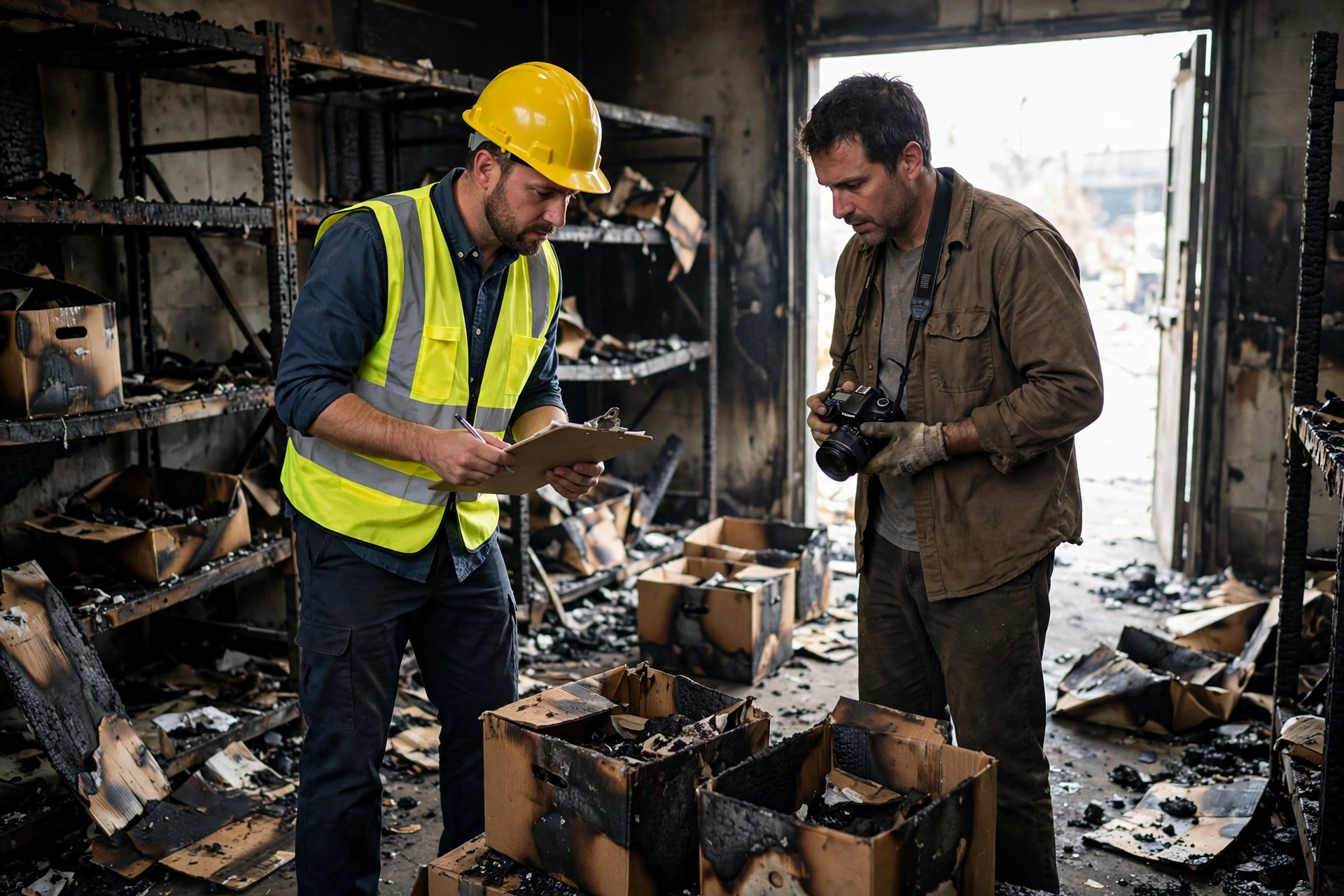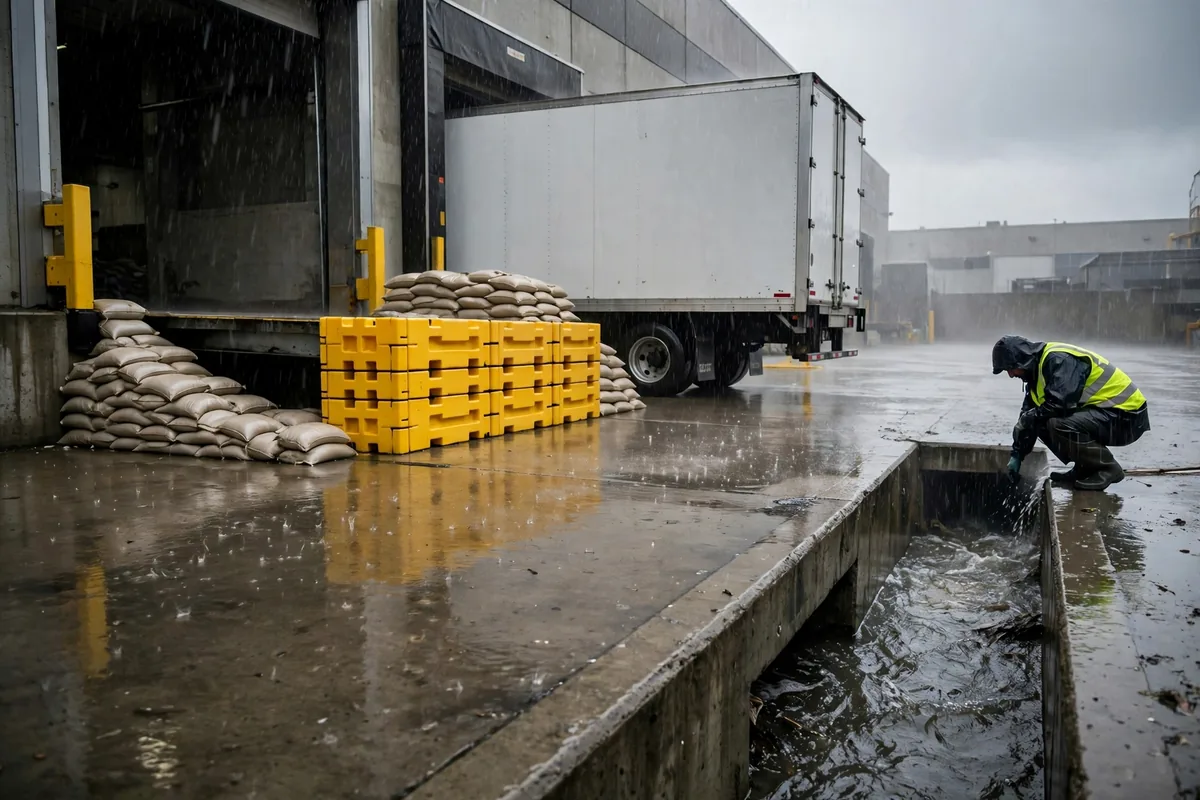
Run the numbers on a 50,000-square-foot warehouse. One heavy rainstorm, water pushing in under the dock doors, 400 pallets sitting in a few inches of water. At $800 of product per pallet, that is $320,000 gone. And that is before the shutdown days, the cleanup overtime, the claims, and the customers who quietly move their volume somewhere else. The full warehouse flood prevention package — flood barriers, drain cleaning, a roof inspection, one backup pump — runs around $10,000 to $15,000 a year. $320,000 against roughly $12,000. You do not need a second pass at that math. And yet every rainy season, warehouses still flood. Not because nobody knows they should prepare, but because nobody ran the numbers for their own building.
What One Warehouse Flood Really Costs
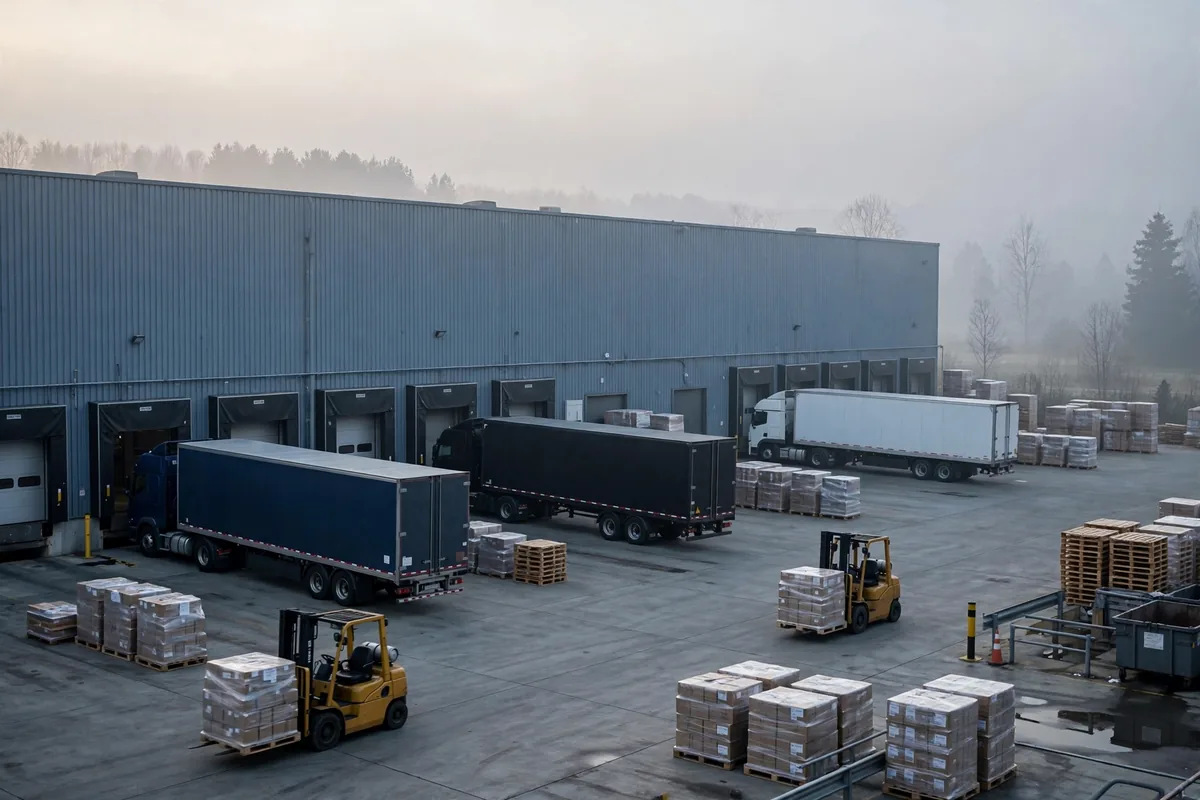
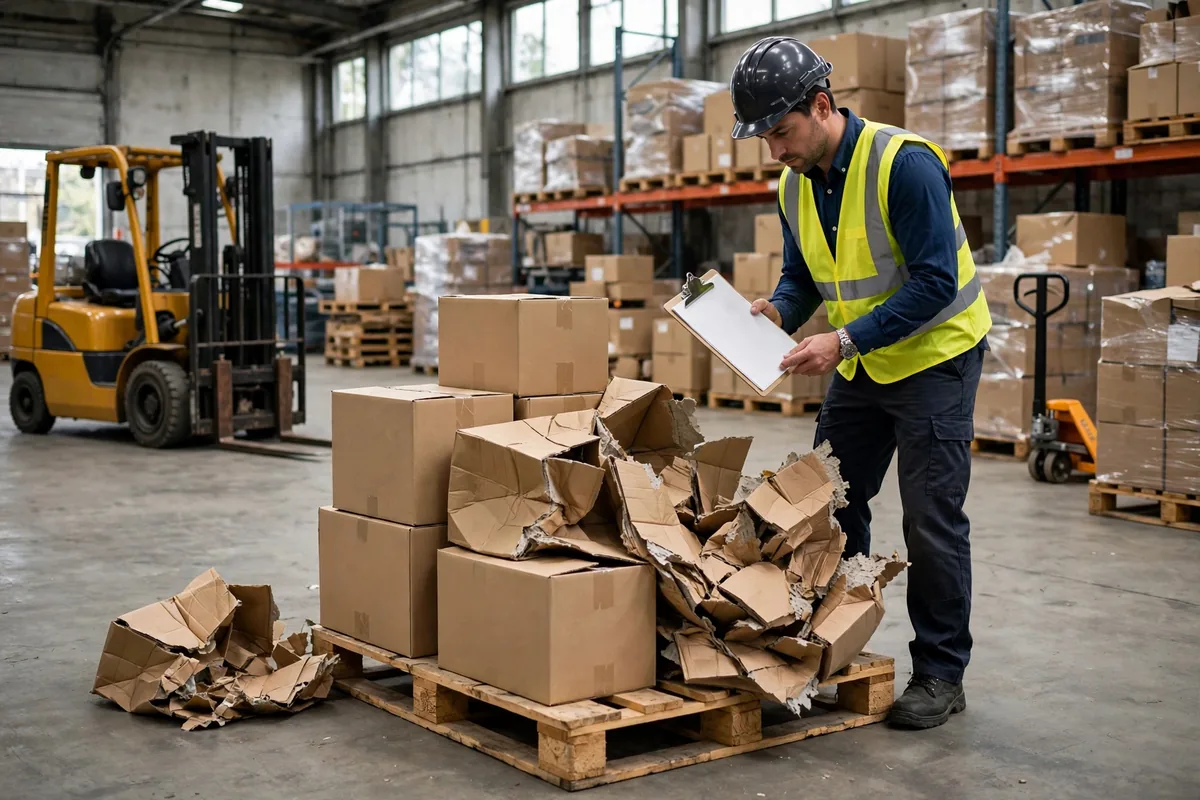
In the summer of 2023, a 3PL warehouse outside Houston took a midnight downpour. The storm drains around the site were choked with leaves and silt, so the water had nowhere to go except downhill toward the dock. Within half an hour it was over the door thresholds and inside. Two people on night shift tried sandbags. Sandbags do not stop that much water. By morning, more than 300 pallets on the floor level were soaked, cartons had collapsed in a heap, and about half the affected stock was consumer electronics — worthless once wet. The product loss alone ran into the low hundreds of thousands of dollars, and the building was down for three days before outbound shipping was back to normal. Orders from those three days were either delayed or rushed to another facility at emergency freight rates.
The product was not the worst of it. Product is insured — payout ratios and deductibles follow the policy, so check the latest terms with your insurer before assuming anything. What insurance does not cover is the shutdown: penalty clauses on late orders, customers who move volume, the cost of renting temporary space. Insurance pays for goods. It does not pay for lost customers. I know a warehouse that lost its biggest client two months after a flood, half the volume gone in one decision, and the insurer paid exactly nothing for that.
Here is the comparison, built on a mid-sized warehouse as an example. Treat the figures as illustrative magnitudes and re-check them against your own quotes before using them.
| Item | Flood prevention (per year) | Flood loss (one event) |
|---|---|---|
| Flood barriers and raised thresholds | A few thousand dollars, one-time, lasts years | Water through the dock doors: tens to hundreds of thousands in floor-level stock |
| Drain cleaning and storm-drain checks | A few hundred to around $1,000–2,000 | Blocked drains flooding the floor: same scale of loss |
| Roof inspection and gutter clearing | Around $1,000–2,000 | Roof leaks ruining upper-rack stock: tens of thousands |
| Backup pump and emergency supplies | Around $1,000–2,000 | No pump running means one more night underwater, one more night of losses |
| Moving stock out of low spots (no cash cost) | Zero — half a day of labor | High-value goods on the floor: total loss |
| Insurance (premium per policy terms) | Per policy — check the insurer's latest terms | Pays for goods, not for shutdown or lost customers |
Read that table once and the verdict is obvious. The biggest prevention item is a one-time barrier installation. Everything else is small money. Every line of flood loss is several times to dozens of times larger. That is what wasted money looks like.
Warehouse Flood Prevention for the Rainy Season: 5 Checks Before the Rain
The dock doors come first. Are the thresholds high enough, are the flood barriers actually on site, are the door seals worn out? Walk every door before the rainy season. Barriers are awkward and get in the way, so people stash them somewhere convenient — and on the night of the storm, nobody can find them in time. My rule: barriers live next to the door they belong to, with a card on each one naming who installs it and how many minutes it should take. Run the drill once before the season.
Second, drains and storm grates. Is there silt, leaves, or broken pallet wood in the trench drains? Are the storm-drain covers blocked by staged freight? Run a hose through and find out whether water actually flows. The Houston warehouse failed on exactly this — the drain was blocked, the water had nowhere to go, so it went inside. Cleaning a drain is the cheapest job on this list and the easiest to forget.
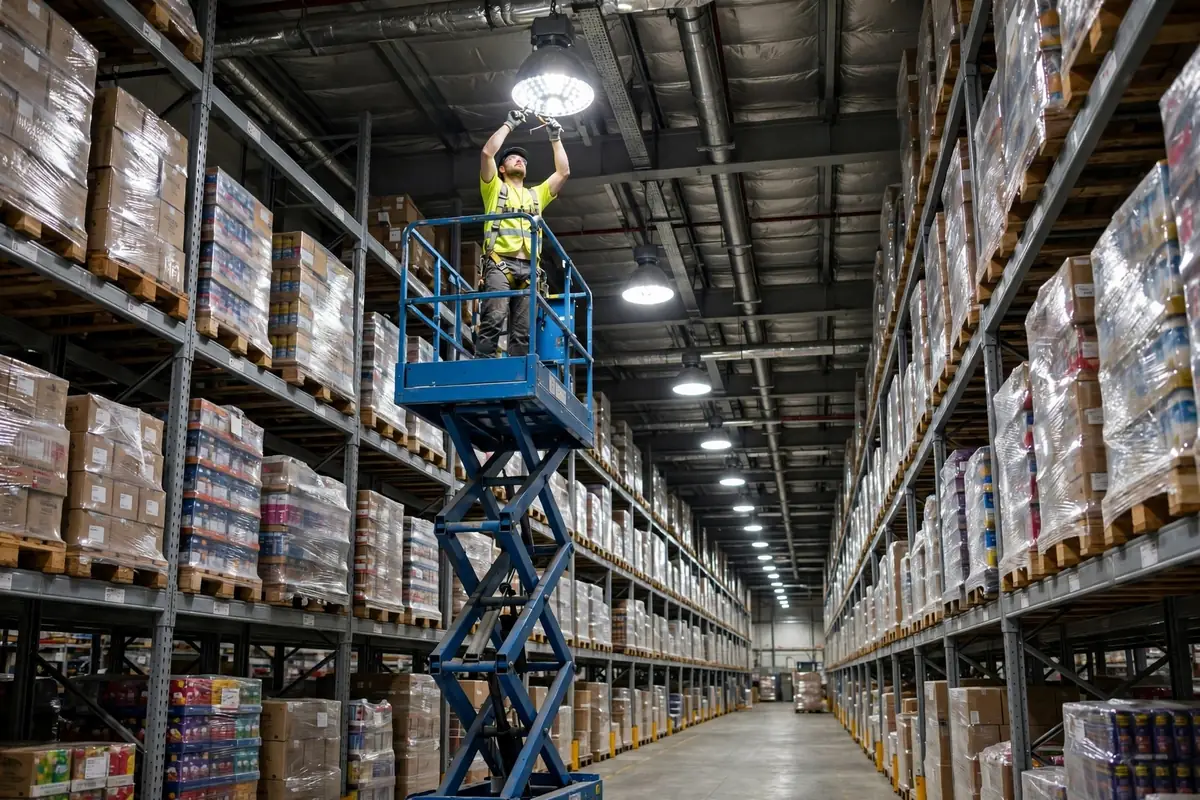
Third, the roof and the downspouts. Seams, pipe joints, gutters — get up there before the season and look, especially at the spots that were patched before. Leaks are sneaky: a light rain only seeps a little and nobody notices, then a real storm pours straight down through the racking.
Fourth, the slotting. Floor-level locations near the dock and in the low spots of the building should never hold high-value or water-sensitive stock. Cartons, electronics, textiles — move them up. Pallets, metal parts, water-tolerant packaging — those go low. This costs nothing but half a day of re-slotting, and it is the most reliable damage control on the list: if water does get in, the loss is cut in half.
Fifth, the backup pump and the duty roster. The pump has to start when you need it, so test it under power before the season — not when the water is already inside. Sandbags, absorbent pads, flashlights go where anyone can see them at the dock. And the roster should name who comes in when a storm warning hits and who has authority to stop receiving and shipping. A warehouse with nobody watching floods at 2 a.m. and finds out at 6 a.m.
Where the Money Works Hardest
Prevention spending falls into three tiers. Tier one costs nothing: re-slot the floor, clean the drains, drill the barrier install — half a day to a day of labor, effect visible immediately. Tier two is small money: drain cleaning, roof inspection, a backup pump, sandbags — roughly $1,000–2,000 a year. Tier three is the one-time spend: barriers and threshold work, a few thousand dollars that lasts for years. Do tiers one and two first, then queue tier three against the budget. Get that order backwards and you will spend the most on the thing that matters least.
In the 2024 rainy season, an e-commerce warehouse in inland California had a downspout joint that had aged out. Rain dripped down through the racking and soaked two rows of cartons on the upper levels — tens of thousands of dollars of product. After the fact, the inspection quote was just over $1,000. The warehouse had sat on it for two years. Finance always thinks "it hasn't leaked yet," and then it leaks and costs dozens of times more. That logic is upside down: prevention money is not a cost, it is small money hedging a big loss — the same idea as insurance, except cheaper and without waiting on policy terms.
The leverage test is simple: for every dollar spent, how much loss does it block? Drain cleaning and re-slotting rank first — near-zero cost, blocking the biggest items, inflow through the dock and floor-level stock. Barriers rank second — one spend, good for years. The backup pump ranks third — it feels expensive until the one night it earns its price back. The worst money of all is the money spent after the flood: emergency repair crews, temporary space, expedited transfers, all priced by the day. Spend nothing before, pay ten times after.
Here is the counterintuitive one: do not treat insurance as flood prevention. Insurance spreads the loss after the fact; prevention reduces the loss before it happens. Premiums go out every year, and after one flood the deductible plus next year's increase can easily exceed what prevention would have cost. Do both: prevention brings the odds down, insurance caps the damage when the odds lose. Buying insurance without preventing floods is paying every year to bet on your luck.
So here is a conclusion you can calculate. Warehouse flood prevention is not a cost line; it is a hedge priced in the low thousands against a loss priced in the hundreds of thousands. Take your own warehouse and write down three numbers: annual prevention spend, the cost of one flood — product plus shutdown — and how many times it has flooded in the past few years. Those three numbers set your budget for you. My rule of thumb: keep annual prevention spend under 5% of the cost of a single flood event, and the money is well spent. Over that, the structure is wrong — cut the expensive items first and protect the cheap ones. The rainy season is still weeks away. Check now, while the math is cheap.
By Lao Zhou, Logistics Cost Analyst