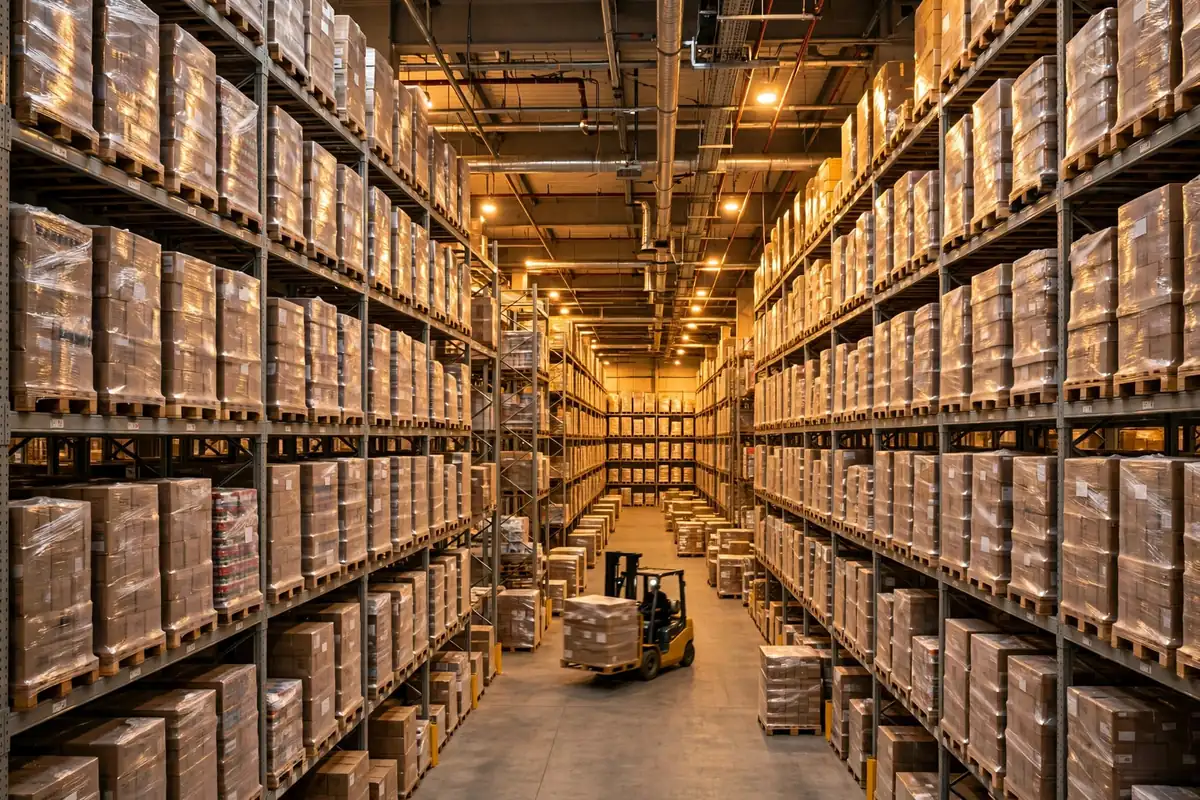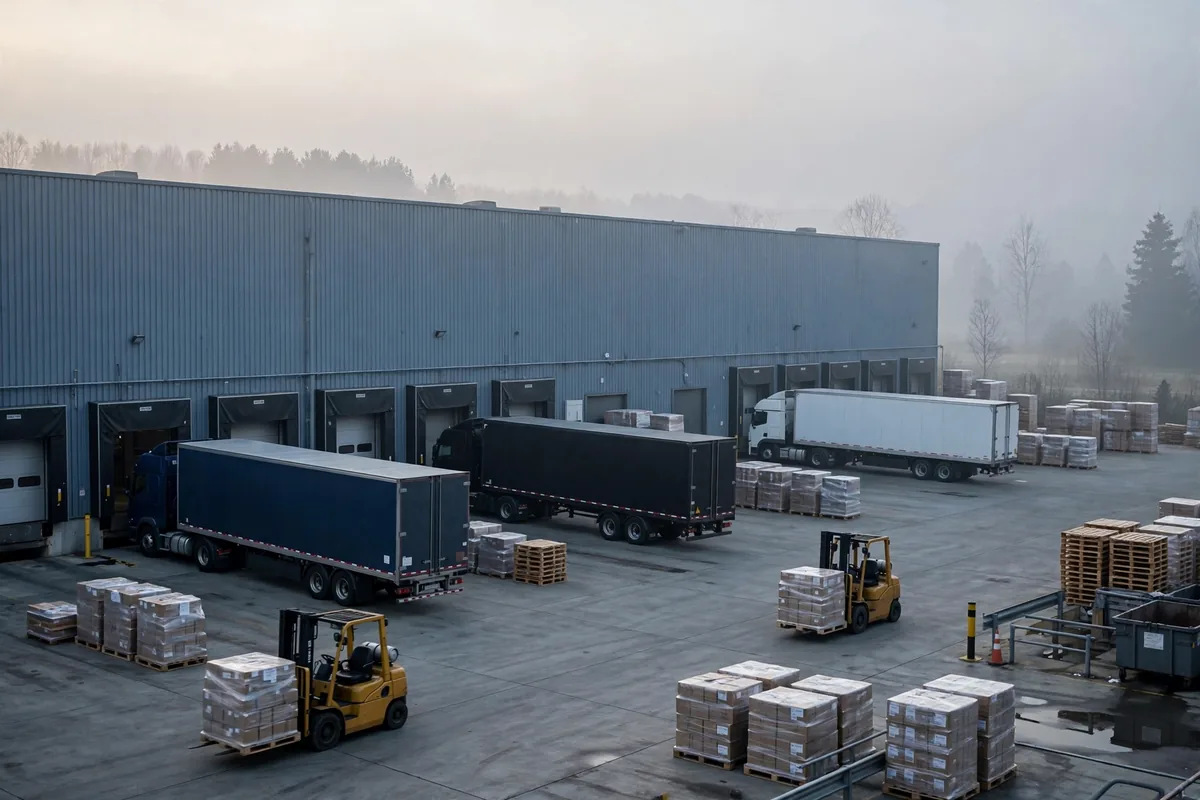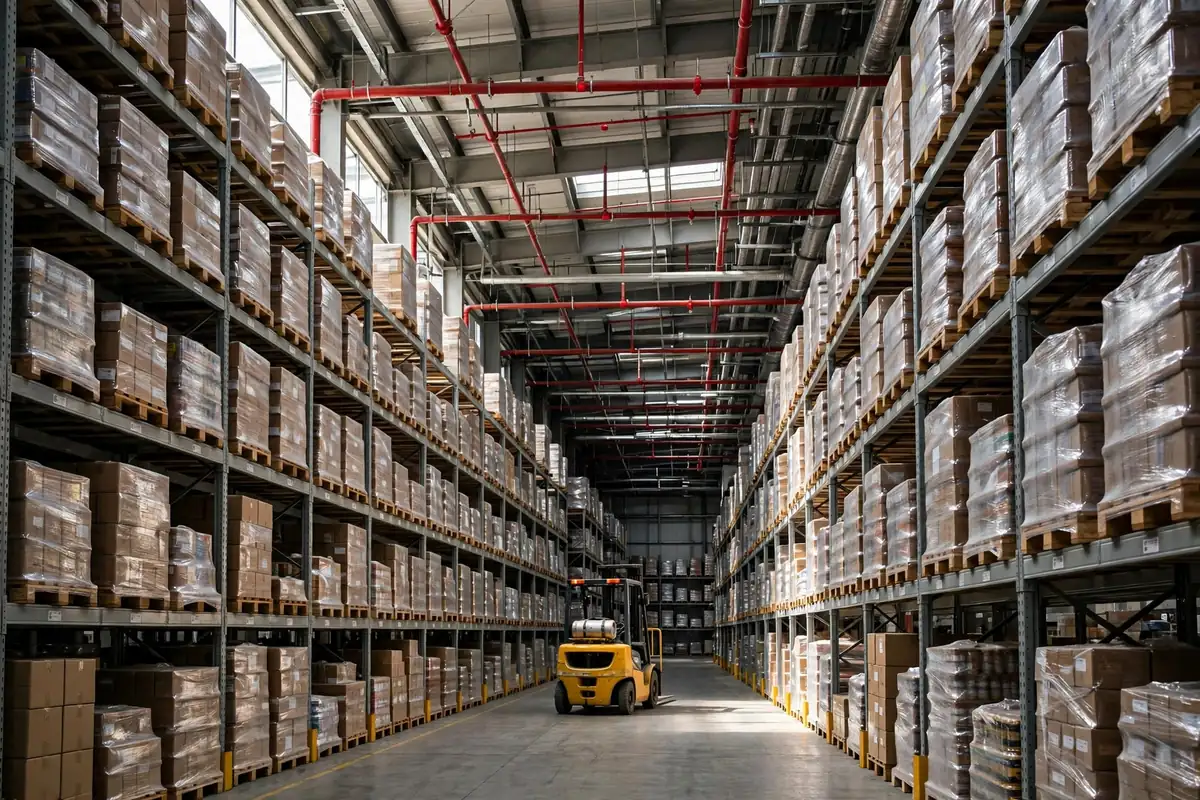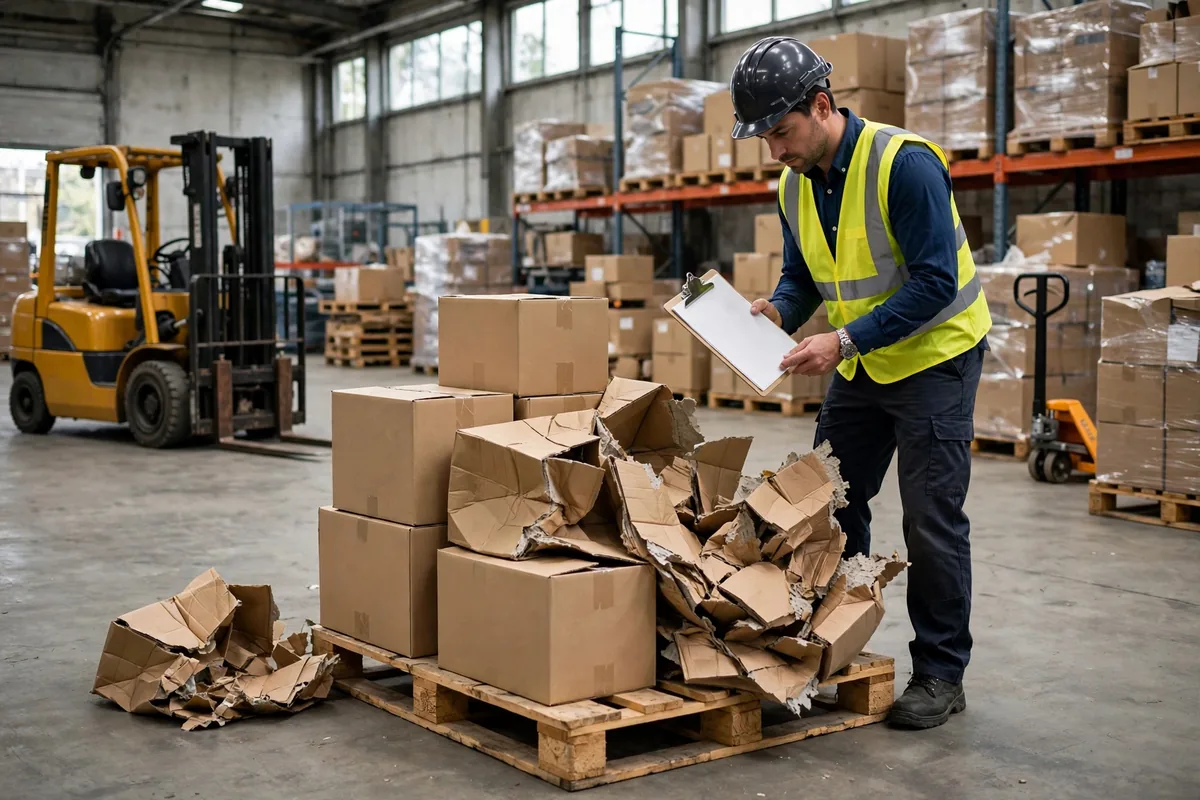
Warehouse flood preparation is the bill our little warehouse cannot afford. Three thousand square metres, a dozen people, and one flood that soaks the stock, the forklifts, and the computers wipes out half a year of work. The U.S. Federal Emergency Management Agency has a statistic I think about every storm season: 40% of small businesses never reopen after a disaster. That number keeps me up at night, because we have no backup site and no second system. The warehouse is everything we own. So I learned to stop gambling, and warehouse flood preparation became a habit, not a hope. The moment the forecast says heavy rain is possible in the next 48 hours, the checklist comes out. It is not about how brave you are when the water arrives. It is about how much you did before it got there.
Let me tell you how I learned this. One summer night in 2023, a storm hit our area. The forecast had warned us two days ahead, but I figured our site sat high enough and the drains were clear, so it would be fine. Around midnight, earthworks from the construction site next door had half-blocked our drain, and water started coming back in through the loading dock. By the time we noticed, it was ankle-deep. Five of us spent the night with brooms and buckets racing the water, and the bottom cartons of two low rows were soaked through. We paid for the damaged customer goods, missed two shipments the next day, and when I added up the direct losses, the compensation, and the downtime, it came to about two years of insurance premiums. Since then I have one rule: when a warning comes out, the 48-hour checklist starts immediately, and nobody gets to say "it will probably be fine."
Warehouse Flood Preparation Starts With the Numbers
Most people think flood preparation costs money. It costs a little money to save a lot of money. Here is a sample costing for our 3,000-square-metre warehouse, to show how the maths works. These figures are a hypothetical example to demonstrate the costing method, and actual prices should be checked against real quotes:
| Preparation | Assumed cost | Cost of skipping it | | Raise low stock, add pallets | About 500 yuan in labour | One row of soaked goods, tens of thousands of yuan lost | | Flood barriers and sandbags | About 2,000 yuan | Water inside, cleanup and downtime worth tens of thousands | | Cut power and gas, raise equipment | About 300 yuan in labour | A soaked forklift charger, repairs over 10,000 yuan | | Photograph and back up documents | Free | Lost paperwork delays a claim for months | | Call the insurer in advance | Free | A late claim means a longer fight over assessment | | Total | About 2,800 yuan | One moderate flood, losses from tens of thousands up |
The counterintuitive part is that the most valuable preparation costs almost nothing. Backing up documents, calling the insurer early, and writing the evacuation order on a whiteboard add up to zero yuan, yet they save you the most money and time after the event. Meanwhile, plenty of people will happily spend big on equipment but will not spend ten minutes copying the policy number and the insurer's phone number onto the wall. Picture yourself knee-deep in water hunting for a policy document. That is not a look anyone wants.
One figure worth remembering: under the U.S. National Flood Insurance Program, policyholders can be reimbursed up to $1,000 for loss avoidance supplies like sandbags, lumber, and tarps. Rules differ by place and policy, so check the latest official policy for details, but the logic holds everywhere. Insurers would rather you spend a little preventing damage than a lot claiming for it. So do not treat the insurer's call as something that happens after the flood. A warning is enough reason to phone in first.
The 48-Hour Checklist, in This Order
My checklist runs in three phases. Save people first, then save goods, then save documents. Do not shuffle the order, because once water comes in, the first thing you lose is time.
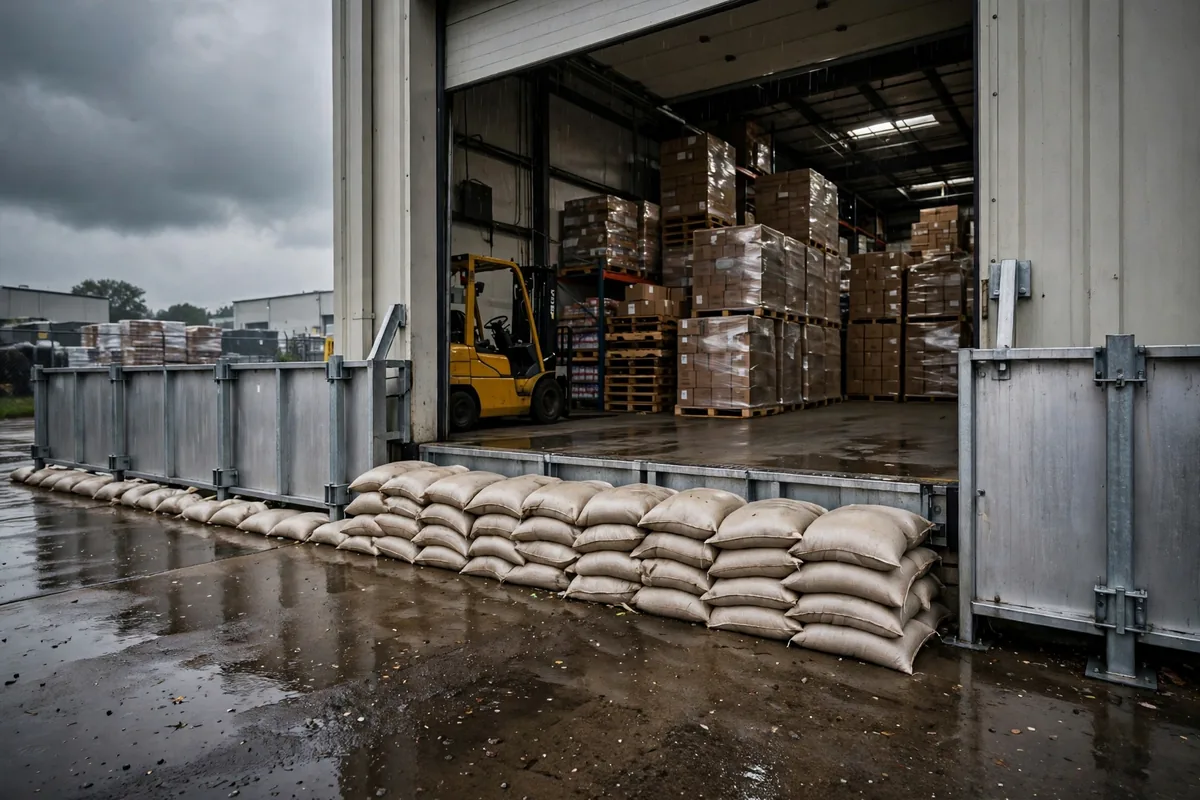
From 48 hours to 24 hours, do three big things. First, find where the water will come from. Walk the whole building: the loading dock, the gaps under ground-level doors, the drains, the cracks at the base of the walls. Know which spots sit low and which ones leak. Clear the drains, and move the sandbags and flood barriers to the doors so they are ready, not buried in a corner when you need them. Second, raise the stock. Move goods off the bottom shelves of low racks, and get carton stock at least one pallet higher. Water-sensitive goods go first, metal and plastic parts go last. Third, call the insurer. Ask three questions: is the policy active, does it cover flooding, and what evidence will a claim need. That phone call is warehouse flood preparation at its cheapest: zero cost, and it can save you months of arguing later. When the call ends, write the policy number, the claims hotline, and the agent's contact on the whiteboard.
From 24 hours to 6 hours, do four things. Fourth, get the power and gas shutdown ready. Mark the breaker box clearly, raise or move the forklift chargers, computers, and printers upstairs, and keep power strips off the floor. One rule: power must be cut before the water arrives, and the person cutting it must do it before standing in water. Fifth, put the flood barriers up and stack the sandbags along the doorways, openings facing inward, each layer pressed tight. Sixth, move vehicles and equipment to high ground. Drive the forklifts somewhere higher, and do not park delivery vans in low spots. Seventh, photograph and video everything: the racks, the equipment, the document cabinet, and a wide shot of the whole warehouse, then save it all to the cloud. That is your evidence for the claim, and your own record of what was there.
In the final 6 hours, do just three things. Eighth, confirm the document backup once more: contracts, inbound receipts, the insurance policy, and customer records go into sealed bags on a high shelf, and the digital copies are confirmed in the cloud. Ninth, count the people and fix the evacuation order: who leaves last, who cuts the power, who locks the doors, and where everyone meets. Write it on the whiteboard and have each person repeat it back. Tenth, lock up and leave. Do not linger, and do not try to rescue two more cartons. If people are safe, the goods can be claimed for. If someone gets hurt, nothing else matters.
Three Warehouse Flood Preparation Steps People Always Forget
Of the ten items, the three that get forgotten most are never the big ones. The first is calling the insurer early. Most people think insurance is a phone call you make after the flood. In practice, reporting during the warning phase makes the claim go far more smoothly. It tells the insurer you did not sit there waiting to be paid, you tried to prevent the loss and could not. One more warning: many standard commercial property policies do not cover flooding by default. Find out whether yours does now, not when the water is already inside.
The second is document backup. A warehouse's lifeline is not just its goods, it is its paperwork. Lose the inbound receipts and you cannot prove whose goods were damaged. Lose the policy and the claim stalls at step one. Sealed bags on a high shelf plus a cloud sync takes ten minutes. It is worth doing.
The third is the evacuation order. Most small warehouses have no written evacuation order. They rely on the boss shouting instructions on the spot. When water is actually coming in, shouting does not work. Write it down in advance: who cuts power, who locks up, who drives, where to meet. A half-hour practice run can be worth a life on the night it matters.
I will be honest at the end: I hope you never need this warehouse flood preparation checklist. But forecasts exist for a reason, and it is better to believe them. Forty-eight hours of preparation buys you the chance to open your doors again after the water goes down, instead of standing knee-deep calculating what you lost. Small warehouses have their own way of surviving, and the first rule is this: do not fight the water. Get ready early, admit the risk early. Preparing early is not embarrassing. Getting flooded is.
By Xiao Ma, Small Warehouse Owner