Think of common area like the service charge on a restaurant bill. You ordered the dishes, but the service charge is spread across the table, so the total you pay is higher than the menu price. A warehouse lease works the same way. The area where you actually put racks is one thing. The area the contract bills you for is another. The gap between them is the shared space allocated to you, and plenty of tenants sign a lease staring only at the rent per square foot, thinking a low rate is a bargain, only to discover once the racks go in that the usable area is smaller than expected and the real cost per usable square foot is higher than the "expensive" warehouse next door.
What Common Area Actually Covers
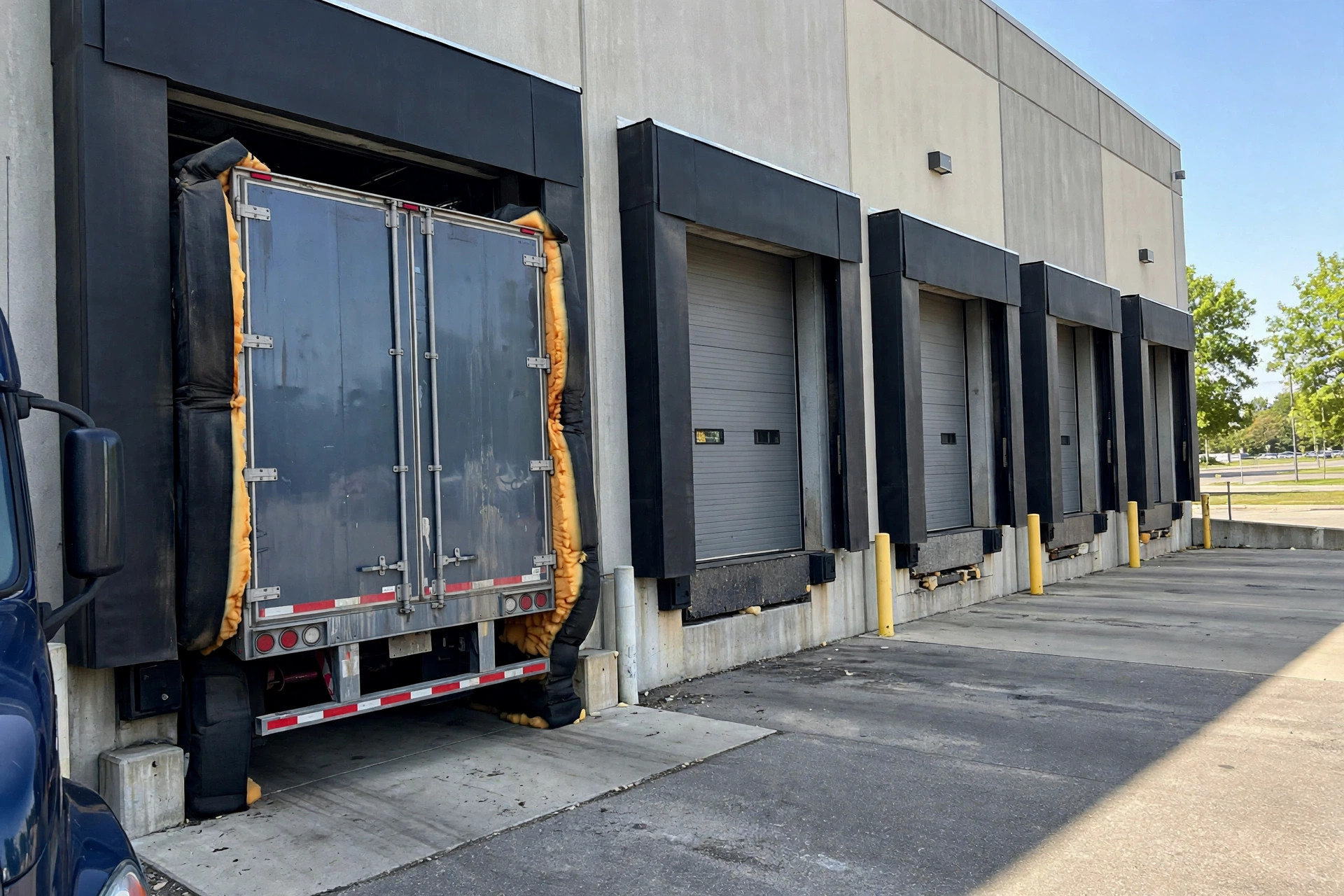
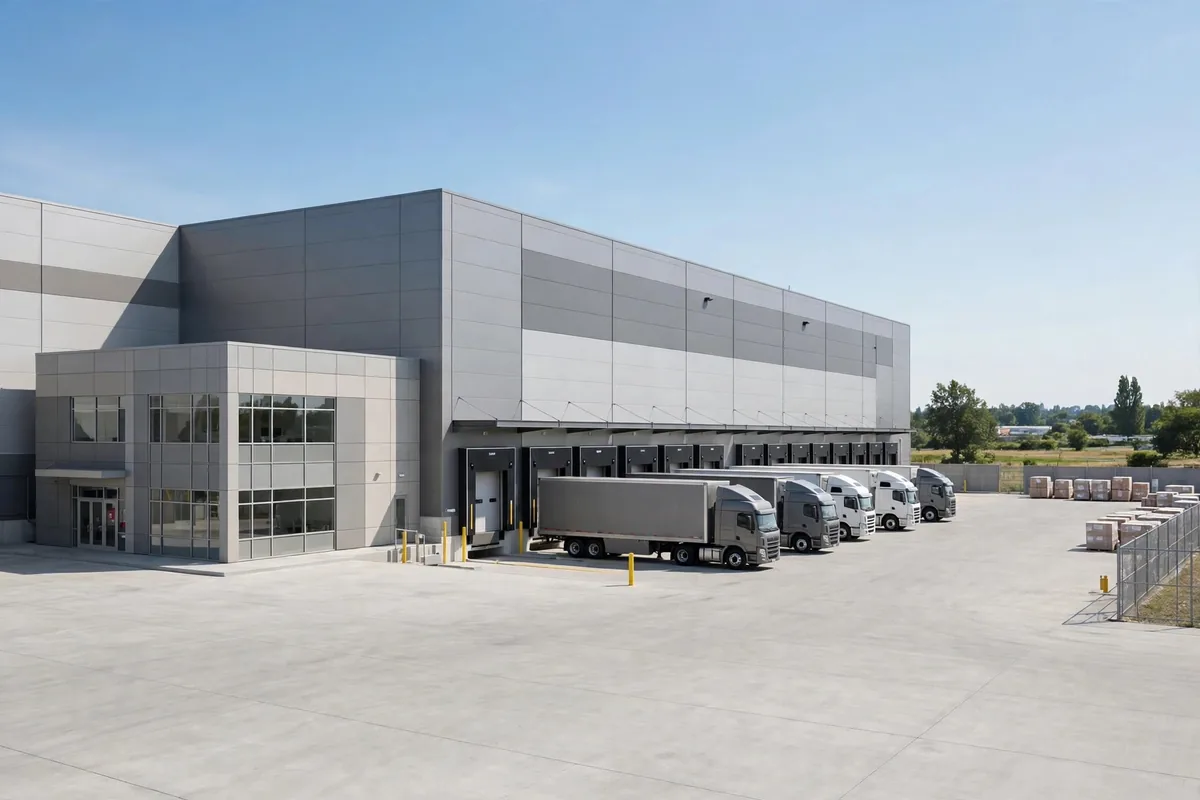
Start with the principle. Shared space in a warehouse building usually covers the parts everyone uses: aisles, loading canopies, fire lanes, equipment rooms, shared restrooms. You can think of them as the building's shared organs. Without them the building cannot function, but they do not hold your stock directly. So allocation itself is not a scam. The trouble comes from two places. First, what is included is often opaque: the contract states one ratio and no breakdown. Second, the basis is not standardized: some landlords allocate by floor, some by whole building, and some throw exterior walls and pipe shafts into the mix. On the same building, a different basis can move the billable area by a wide margin.
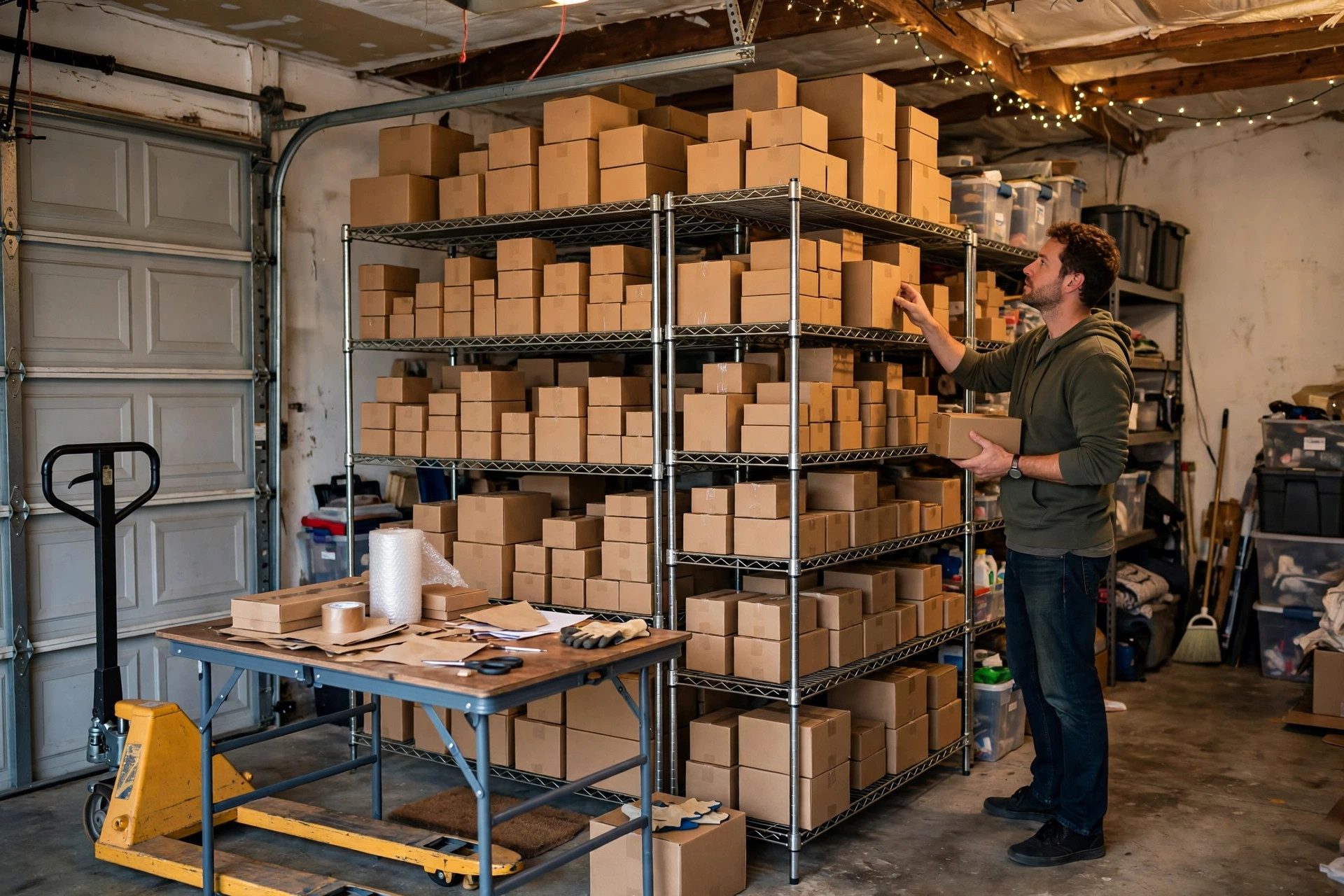
Here is a real-world case. A friend of mine in e-commerce was told by a leasing agent that the allocation was "around twenty percent." He signed, then measured the space himself and found the usable area nearly a third smaller than the billable area, so the whole rack layout had to be redone. That is the price of an unclear basis. Worse, the rack plan had been drawn against the contract area, and once the usable area shrank, the slot count came up short, forcing a short-term overflow rental right before peak season at a higher rate. One unasked question at signing time ended up being paid for twice.
How Common Area Flows Into Your Cost
The math runs in two steps. First the ratio, then the real price. Call the billable area A and the usable area B. The allocation factor is A divided by B. Multiply the contract rate by that factor and you get the real rent per usable square foot. That one number is the number you should actually compare.
Run three options through it, using illustrative rates to show the mechanism — plug in your own contract figures and the same table works:
| Option | Contract rate | Billable area | Usable area | Allocation factor | Real cost per usable sq ft |
|---|---|---|---|---|---|
| Warehouse A | Low | Large | Small | High | Highest of the three |
| Warehouse B | Medium | Medium | Medium | Medium | In the middle |
| Warehouse C | High | Small | Large | Low | Lowest of the three |
The conclusion does not depend on the specific numbers. Warehouse A, with the lowest headline rate, ends up the most expensive per usable square foot because its allocation factor is the highest. Warehouse C, with the highest headline rate, ends up the cheapest because there is almost no padding in it. Compare headline rates alone and you are handing money to the allocation.
Here is a second case. Another tenant signed a lease where the allocation factor was stated clearly, so it looked transparent and safe. The catch surfaced at exit: the exit settlement, the penalty, and the renewal increase were all calculated on billable area, not usable area. The shared portion was not just a monthly rent item. It was charged again at renewal and again at exit. A lease reviewed on monthly rent alone is a bill read to the first line only.
Is a Low Common Area Ratio Always Better?
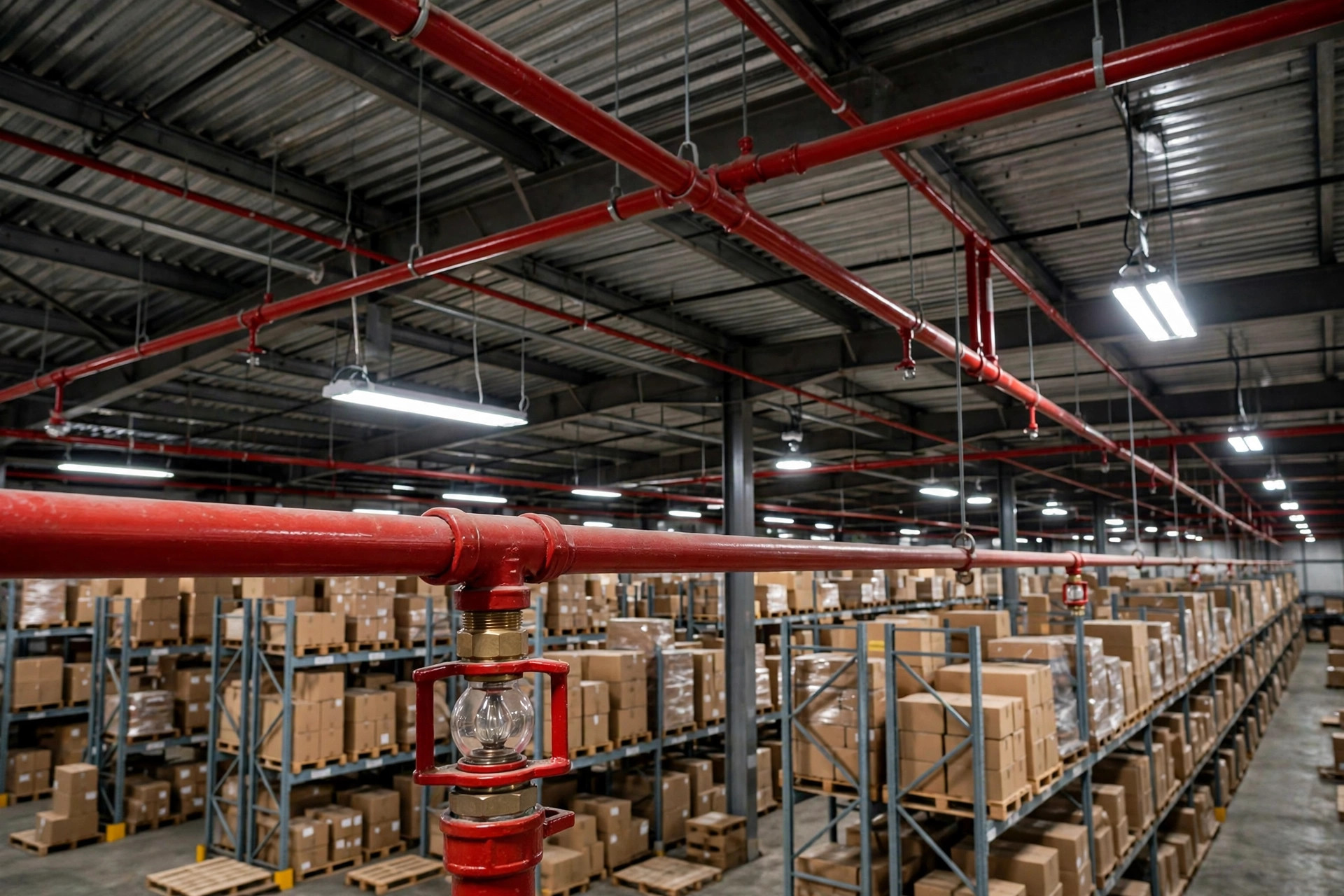
Here is the counterintuitive judgment: a low ratio is not automatically a good deal, and a high ratio is not automatically a rip-off. The logic is straightforward. Allocated space buys shared facilities, and shared facilities are useful. Wider aisles mean forklifts turn without a three-point shuffle. A bigger canopy means loading stays dry in the rain. A compliant fire lane means inspections do not shut you down. If a warehouse squeezes its ratio down but its aisles are so narrow that a forklift can barely turn, the efficiency you lose costs more than the rent you saved. Flip it around: a warehouse with a clearly itemized allocation and facilities you actually use can cost more on paper and less in total. The test was never the ratio. It is two questions: first, is every allocated item listed in the open? Second, do you actually use the facilities you are paying for? Allocation you never use is pure cost. Allocation you use is production capacity.
One more basis people forget: the service charge. In many leases the management fee is also charged on billable area, so a low-looking rent jumps again once the fee is allocated in. When you run the numbers, convert rent and service charges onto the same usable-area basis and add them together. That sum is what you actually pay each month. Rent alone is only half the bill.
Five Questions to Ask Before You Sign
Before signing, do not just listen to the quoted rate. Ask these five things one by one and get them written into an annex. First, what are the billable area and the usable area, measured or from drawings, and is there an independent survey report? Second, list the allocation breakdown: how much for aisles, canopy, equipment rooms, and whether the basis is per floor or per building. Third, which area basis applies to rent, service charges, renewal increases, penalties, and exit settlement, each one separately? Fourth, how is area re-measured if you expand or shrink later? Fifth, who maintains the shared facilities like fire lanes and loading areas, so you are not handed a repair bill for something you do not own?
Do not be shy about asking. If the agent cannot answer, that tells you the contract still has padding in it. One more practical move at negotiation time: insist the area breakdown and the calculation basis go into the contract annex, not just into verbal promises. A spoken "around twenty percent" has no force on settlement day. A written annex does. An annex should carry at least three things: surveyed usable-area data, an itemized list of everything allocated, and which area basis each charge uses. Once it is signed, the agent cannot quietly change the basis later, and your cost is locked from day one.
So, is the money worth it? It comes down to one number: your real rent per usable square foot. Put that number for three options side by side on the table and the expensive one and the cheap one reveal themselves immediately. Every small line in a contract eventually becomes a line on your profit statement. Five extra minutes of questions before signing saves a year of paying for space you never used. Remember, the rent you save is not negotiated out of the landlord. It is calculated out of the contract.
By Da Liu, Automation Engineer