Our small warehouse cannot afford that kind of money. Hiring a professional cleaning company? One month's bill would cover half another picker's wages. So from day one, our small warehouse's cleaning has been a home-grown method: we schedule it ourselves, sweep it ourselves, and inspect it ourselves. I am not embarrassed to say it. Our warehouse was cleanest not on deep-clean day, but after the cleaning schedule became part of daily routine. A clean warehouse is not swept into being. It is scheduled into being.
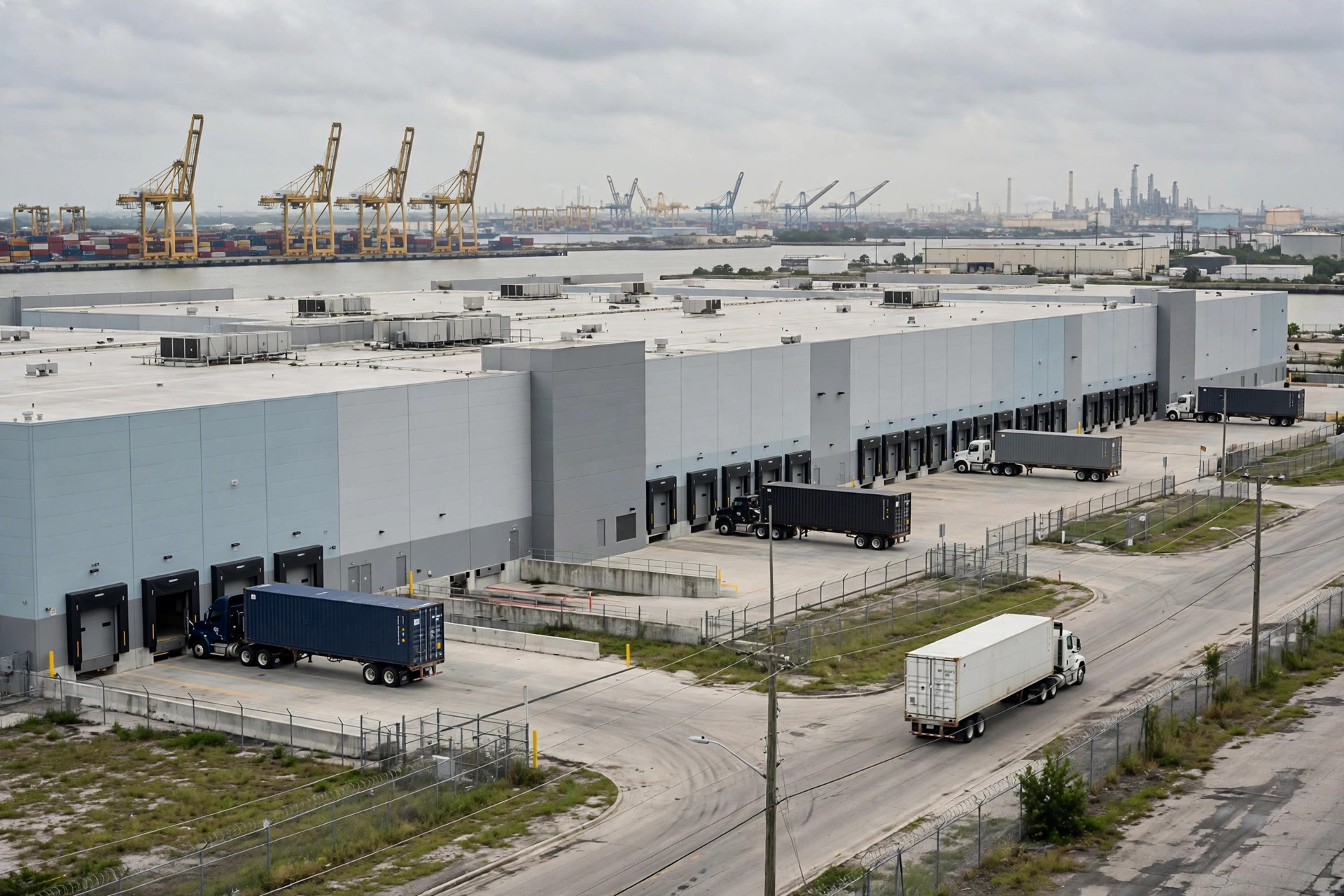
Let me start with our predicament. A 3,000-square-meter small warehouse squeezes receiving, storage, picking, packing, and the dock into one space. Cleaning used to depend on goodwill. Whoever could not stand the mess swept it. The result was predictable. The packing area got swept every day, and the dock went untouched for three months, with dust thick on the ground. When a customer came to audit us, the dock was the first thing they saw. After the customer left, I did the math. The discount they gave us for a dirty dock would have paid a cleaning company for three months. A face problem always turns into a money problem in the end.
Cleaning home-grown rule one: zones assigned to named people
Our method is unglamorous. We divided the warehouse into five zones: receiving, storage, picking, packing, and the dock. Each zone got a responsibility card on the wall with the zone name, the responsible person, the frequency, and the inspector. The responsible person is not "everyone." It is a specific name, rotating weekly. Rotation is not about fairness. It is about making sure everyone has swept the dock at least once. People who have swept the dock do not throw things onto the dock afterward.
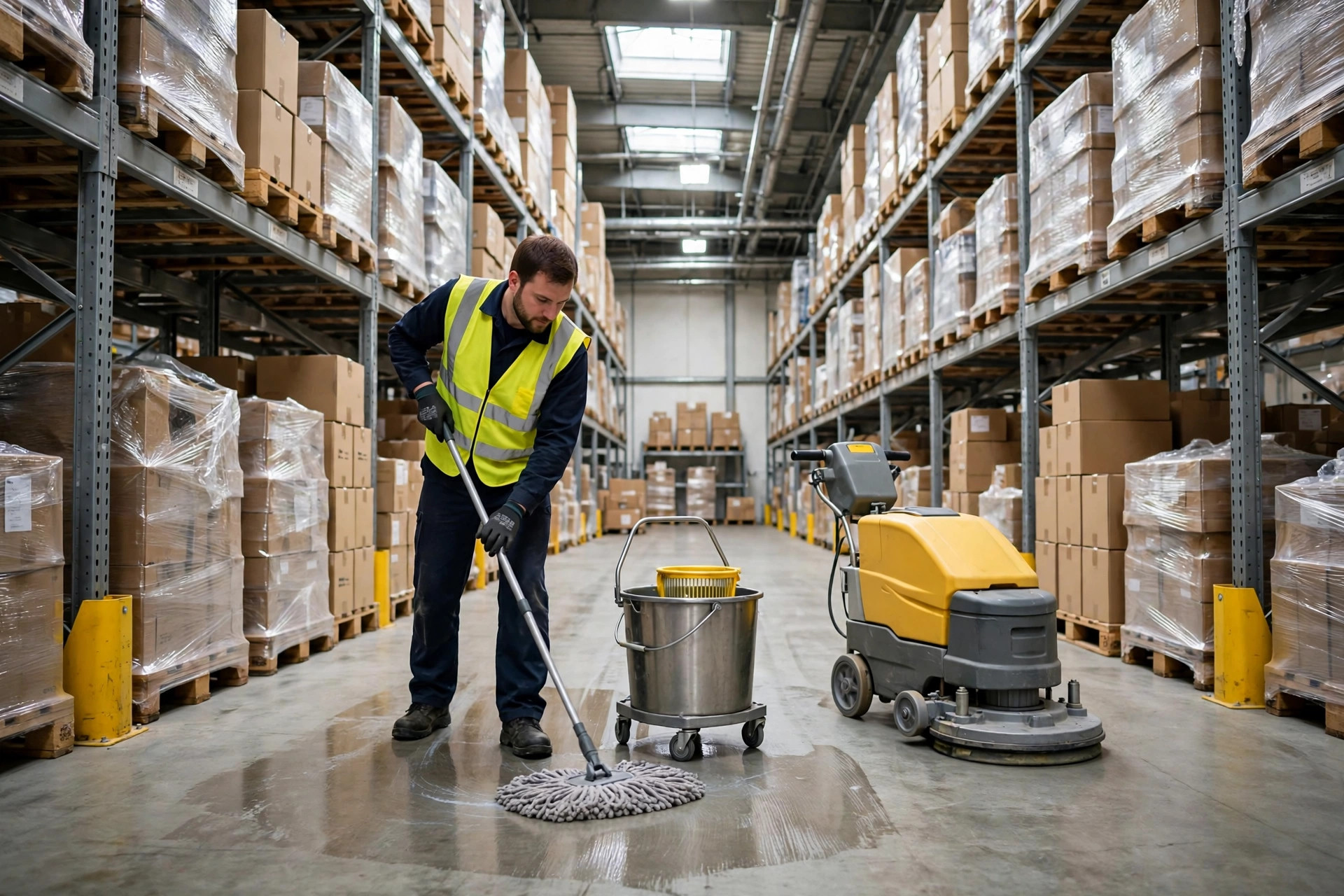
How did we set frequencies? We set them by how fast each zone gets dirty. Packing and picking get swept once at the end of every shift. Receiving gets cleared after receiving ends each day. Storage gets a deep clean weekly, including the bottom of racks and dead corners in aisles. The dock gets cleaned twice a week, plus once more in rainy season. Frequencies are not guessed. They follow dirt speed. The frequency chart hangs on the wall, anyone can read it, and anyone can suggest a change.
Cleaning home-grown rule two: the checklist matters more than the broom
Sweeping alone is not enough. It has to be inspected. Our checklist has only ten items: loose items on floors, blocked aisles, dust under racks, packing bench surfaces, dock floor condition, full trash bins, clear fire lanes, ice at cold storage doors, restrooms and break areas presentable, and the inspector's signature. The inspector walks the round before the end of each shift, checks ten boxes, writes the reason for anything unchecked, and follows up the next day.
The most valuable part of the checklist is the word follow-up. We used to inspect, find a pile of problems, and follow up on none of them, which meant we had not inspected at all. Now the rule is that problems found get rechecked at the same time the next day, and if the recheck still fails, the zone owner and the inspector rework it together. People who have reworked twice take scheduling seriously the next time. Small warehouses have small-warehouse ways of surviving. With few people, every task has to close the loop, or it counts as not done.
| Zone | Frequency | Easiest place to miss |
|---|---|---|
| Packing, picking | End of every shift | Bench surfaces, loose items in aisles |
| Receiving | After receiving ends daily | Pallet debris, packaging waste |
| Storage | Weekly deep clean | Rack bottoms, aisle dead corners |
| Dock | Twice weekly, plus once more in rainy season | Mud, piled trash |
Results and advice
After three months on the schedule, here is what changed. Customers stopped marking us down on cleanliness during audits. Picking errors fell, because aisles were clear and floors were not slippery. Most surprisingly, workers started caring on their own. People do not dirty a zone they have swept themselves. The schedule cost almost nothing: a few responsibility cards, one checklist, and rotating labor. Compared with hiring a cleaning company, it saved a large sum.
Rainy-season cleaning extras: the dock and receiving fear rain most
Our small warehouse cannot afford that kind of money, but the rainy-season bill costs even more. When the rains come, the dock and receiving are the first places to get dirty: mud tracked in on wheels, rainwater blown inside, and shredded cardboard from wet cartons, all piling up at the dock and receiving. We used to clean at normal frequencies in rainy season and still look dirty, and customers noticed at first glance during audits. So we added one rule to the schedule: in rainy season, the dock gets one extra cleaning a week, receiving gets an extra mop after receiving ends each day, and on heavy rain days, a scraper mat goes at the dock door so wheels get scraped before entering the warehouse.
The scraper mat is our warehouse's cheapest trick. One mat costs a few dozen dollars and saves half an hour of mopping a day plus one deduction at customer audit time. A mat checked weekly for wear will last a full season, and replacing a worn mat on schedule costs far less than the mopping time it saves. One more detail: trash bins need lids in rainy season. An uncovered outdoor bin fills with rain, and trash water runs everywhere, impossible to mop clean. Lidded bins, a scraper mat, and rainy-season extra frequencies together are what actually keep the dock and receiving clean in the rains.
My advice for fellow small warehouses is three lines. First, assign zones to specific people, never to "everyone." Second, keep the checklist short, ten items or fewer, and follow up on every failure. Third, set frequencies by how fast zones get dirty, not by copying a big company's template. Small warehouses have small-warehouse ways of surviving, and for cleaning, scheduling beats sweeping.
By Xiao Ma, Small Warehouse Owner