Folks, it was 3 a.m., night shift just wrapping up during peak, and I nearly went down in aisle two. The floor looked shiny. Under my boots there was a thin layer of gray slurry. The cleaning crew lead told me that stretch wasn't theirs. It wasn't in the contract. That is what a warehouse cleaning outsourcing contract comes down to in real life: the work gets done, the bill gets argued about, and your own people end up redoing the job.
How the Rework Started
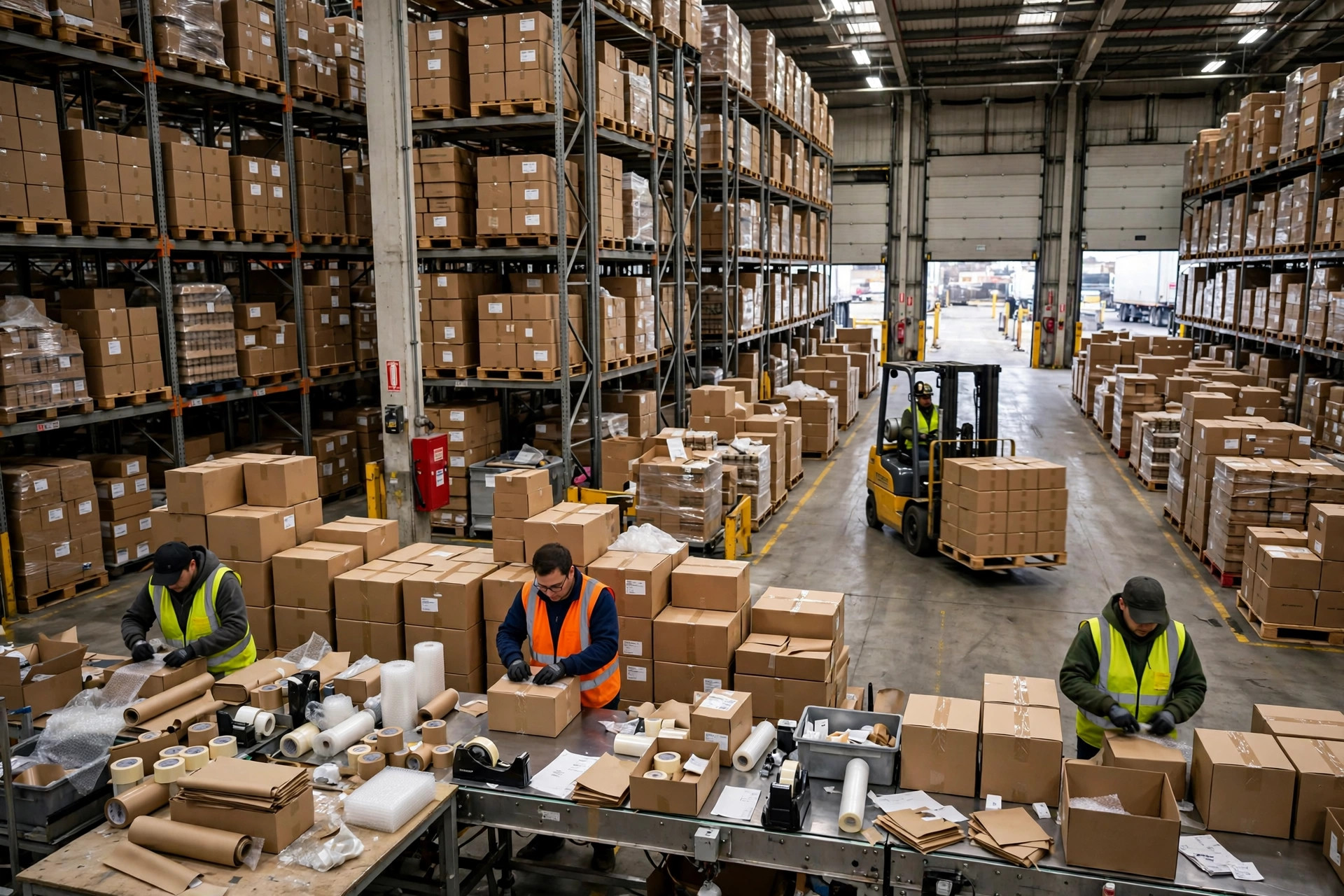
It started the week before a big promotion last year. Inbound volume had doubled. Cardboard dust, stretch wrap, and wood splinters from pallets were everywhere. The day crew swept in the morning, and by lunch the aisles were dirty again. Forklift tires tracked dust into the racking area, the bottom levels of the racks gathered grime, and a visiting customer spotted it on a walk-through.
I asked for one deep clean. The vendor answered that the contract covered a daily general sweep, and a deep clean was extra. I pulled the contract. They were right. It named a frequency but never defined "deep." It never defined "clean," either. So for a week my own people stayed an extra hour after shift with mops, patching the gaps. To be honest, every hour outsourcing was supposed to save got paid straight back, plus morale.
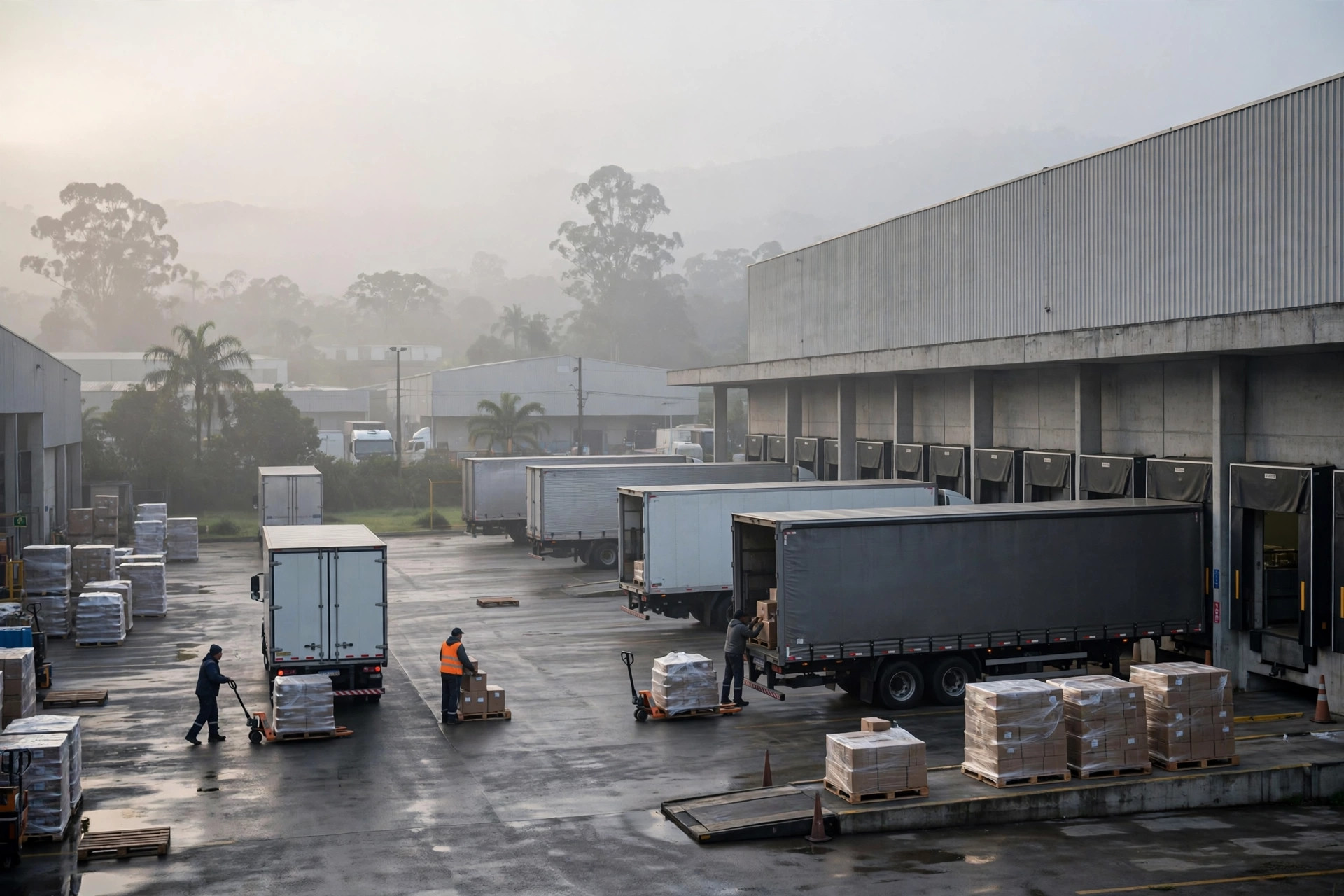
The second scene hurt more. Spring rain, wet season. Muddy footprints ran from the dock doors all the way into the sorting area. A new hire pushing a tote slipped turning at the dock, the tote flipped, and he twisted his ankle. The goods were fine. He wasn't. I checked the roster: the cleaning crew came at 3 p.m., and the heaviest rain had been at 10 a.m. The schedule missed the weather. The problem wasn't lazy people. The contract didn't move with the rhythm of the floor.
Three Roads We Tried
First, we did it all ourselves. I hired four cleaners and managed them directly. The upside was instant response. The downside was coverage: one sick day broke the roster, and peak season made scheduling impossible. Veterans trained newcomers, the newcomers left, and the crew never stabilized.
Second, half-outsourcing. Daily work went to a vendor, deep cleans were called in as needed. It sounded flexible. In practice it was the messiest option. Every extra job meant a new price negotiation, and each round of talks ended worse than the last. Added up, it cost more than a full contract.
Third, full outsourcing with a rewritten contract. That is the road we are still on, and it is what this piece is about. To be honest, outsourcing itself was never the mistake. The mistake was signing a contract as if it were a price quote.
What a Warehouse Cleaning Outsourcing Contract Must Spell Out
First, scope down to the aisle number. Not "whole warehouse cleaning." Write it out: which aisles, which docks, which offices, whether the racking area is included, whether high racks get wiped. The more specific the scope, the fewer arguments.
Second, frequency that follows the work. How many general sweeps a day, how many deep cleans a week, and what happens in rainy season, peak season, and the week before a promotion. Post the frequency sheet on the cleaning room wall where anyone can check it.
Third, standards you can measure. No visible debris, no standing water, no oil stains, dock entrances cleared of mud within two hours. Where a number won't work, use a photo: this is what clean looks like, pinned to the wall.
Fourth, inspection with a name and a record. Fifteen minutes after each shift, one person from my side walks the floor and takes photos. Failures get written down on the spot, and the deduction rules sit in the contract. A monthly "service satisfactory" checkbox verifies nothing.
Fifth, a price structure broken apart. Base service, deep clean, emergency call-out, consumables, equipment repair — each priced, each assigned to one side. Once prices are split, an extra job no longer needs a fresh negotiation.
In-House or Outsourced: A Straight Comparison
| Factor | In-house crew | Outsourced crew |
|---|---|---|
| Cover | One absence breaks the roster | Vendor fills gaps from its own bench |
| Response | Instant, any time | Per contract schedule; extras need agreement |
| Management load | Rostering, training, and cover are all yours | You manage the contract and the inspection |
| Best fit | Small site, steady rhythm | Large site, volatile volume, staff needed on core work |
Do the math beyond the unit price, and treat the numbers here as illustration only, not market rates. Suppose an in-house crew of four eats up most of a shift lead's week in rostering, cover, and supplies. An outsourced crew sends one monthly invoice, but your inspection and rework hours belong in the comparison too. Fold management time in, and plenty of warehouses find outsourcing is not expensive. What is expensive is the rework after a vague contract.
Here is the counter-intuitive part: the more you outsource, the tighter your inspection has to be. Plenty of managers sign the contract and walk away. That is backwards. A thorough contract earns its keep only if someone still walks the floor for fifteen minutes a day. Walk away, and you end up with the shiny floor and the gray slurry under your boots.
And there is a trade-off worth naming: do not outsource the emergency. Spills, burst cartons, a rain-soaked dock — the contract should promise a response window, say within two hours, but the first response, the barriers, the immediate cleanup, is fastest from your own people. The vendor owns everyday clean. You own sudden safety. Draw that line clearly and both sides are comfortable.
Checking the Cleaning Contract's Work
Our routine now is plain, and it works. Before night shift ends, the duty lead walks the floor with a phone: aisles, docks, sorting area, restrooms, one photo each. Photos go to a group chat the vendor lead is in. Failures get raised face to face at the next handover, never left overnight.
Once a week we hold a fifteen-minute meeting on three questions only: what failed last week, why, and what changes next week. That daily walk is how we hold a warehouse cleaning outsourcing contract to account — not by trusting the paperwork, but by looking at the floor. Veterans take newcomers on inspection walks and teach them what to look at — not shine, but tire marks, corners, and the bottom levels of racks. Over three months, failed items fell from a dozen-plus a week to two or three.
One more lesson about people: line the rosters up. Our night shift ends when their crew arrives, and five minutes face to face at handover beats ten messages in a chat group. Morale is practical stuff. Cleaners who feel their work is seen and acknowledged will wipe the corners too.
Folks, one reminder before you sign. Take the contract and walk the floor with it. For every clause, ask yourself one question: if this job is not done, can I point at this sentence and hold someone to it? Any clause you cannot point at needs rewriting before signing. A warehouse cleaning outsourcing contract is not written for lawyers. It is written for the person walking the aisle at 3 a.m.
By Chen Feng, Warehouse Operations Manager