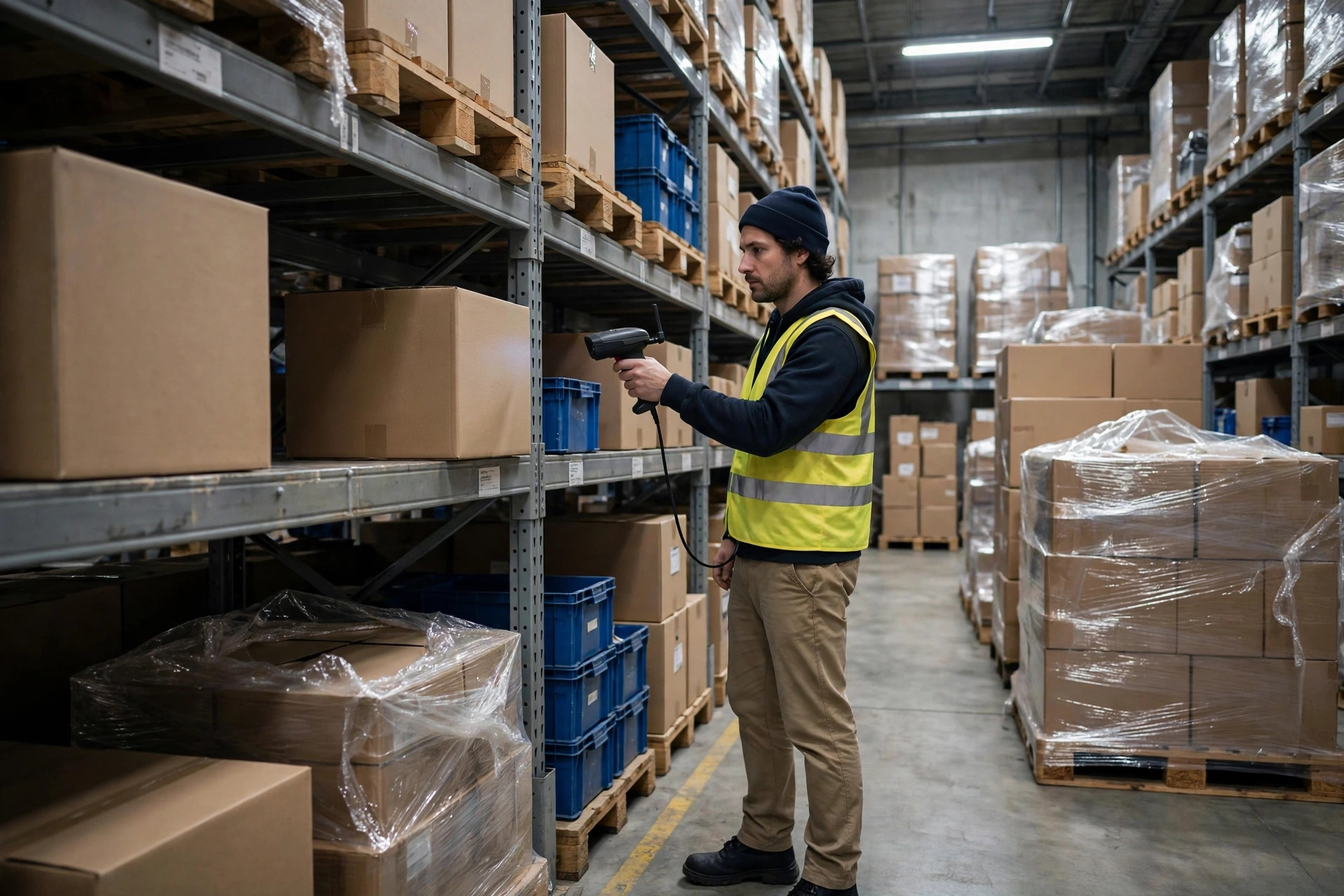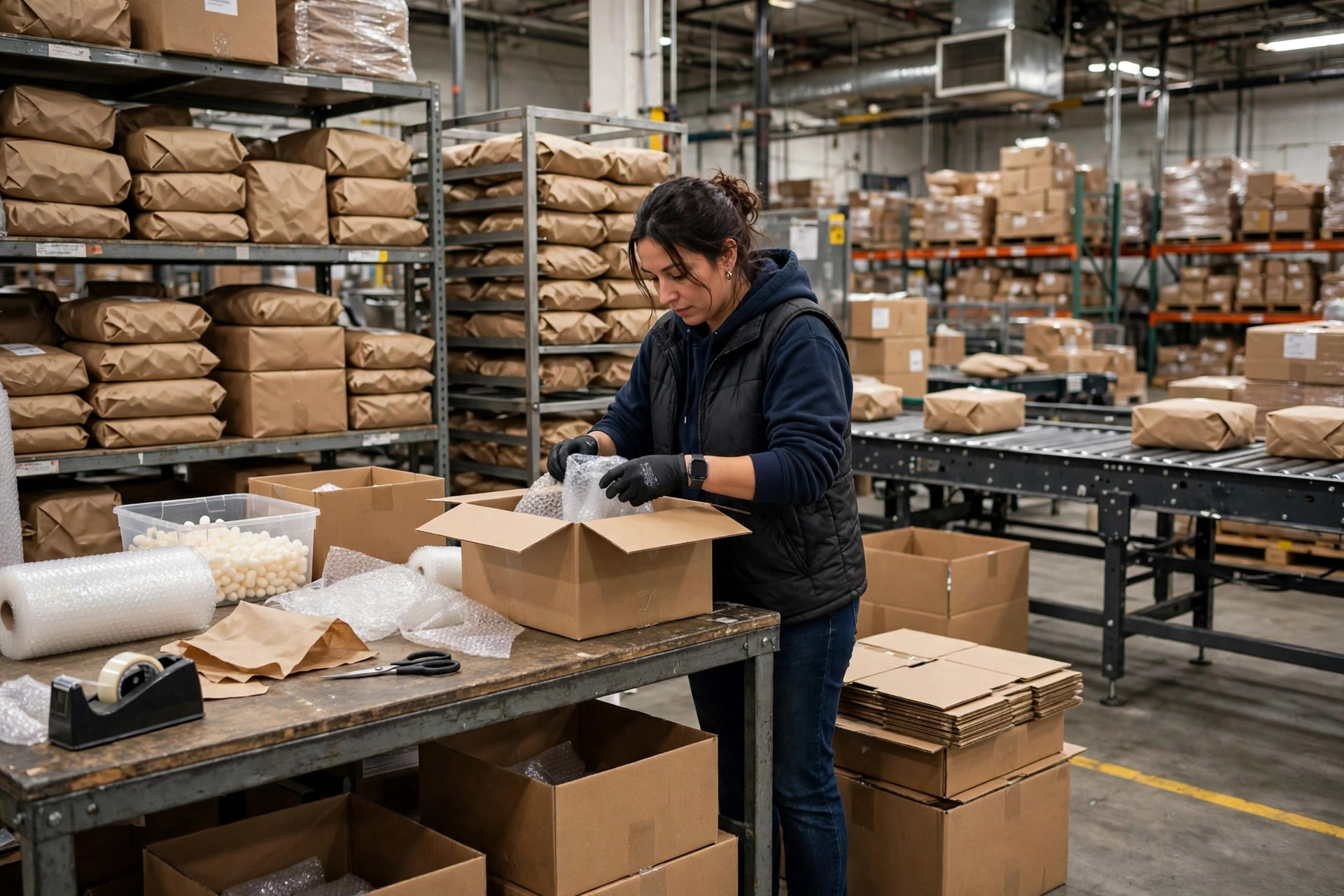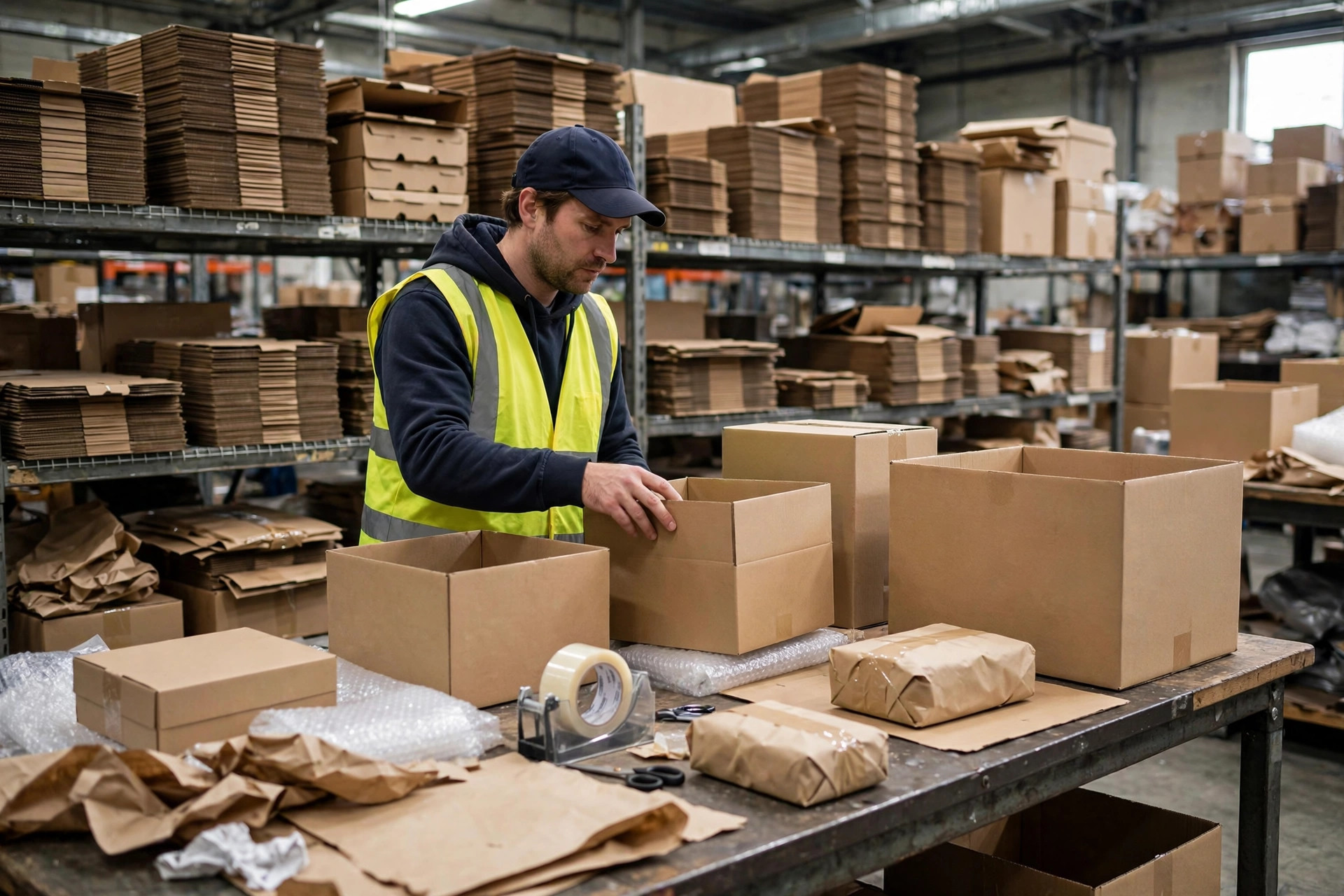
Let me start with a complaint about cartonization: a lot of seller warehouses have so many box sizes they look like a box museum. I visited a fellow seller's warehouse once and counted more than 20 box types on the shelves. Pickers spent more time finding a box than finding the product. And then the shipping bill arrived, and the ugly truth showed up: a slightly bigger box means a higher freight charge, plus extra filler stuffed inside. This is not a packaging problem. This is money walking out the door.
I paid for this lesson myself. In 2023 we were shipping around 400 orders a day, using 17 box types. When peak season hit, every problem showed up at once. Small orders went out in big boxes stuffed with filler, customers complained about oversized boxes, and big orders got split into two boxes, doubling the shipping cost. Pickers stood in front of the box pile hesitating over which one to grab. At month end, the filler and freight lines on the bill were both higher than I expected. That was when I realized: every day you delay cartonization, you burn another day of money.
Do the dim weight math before you merge anything
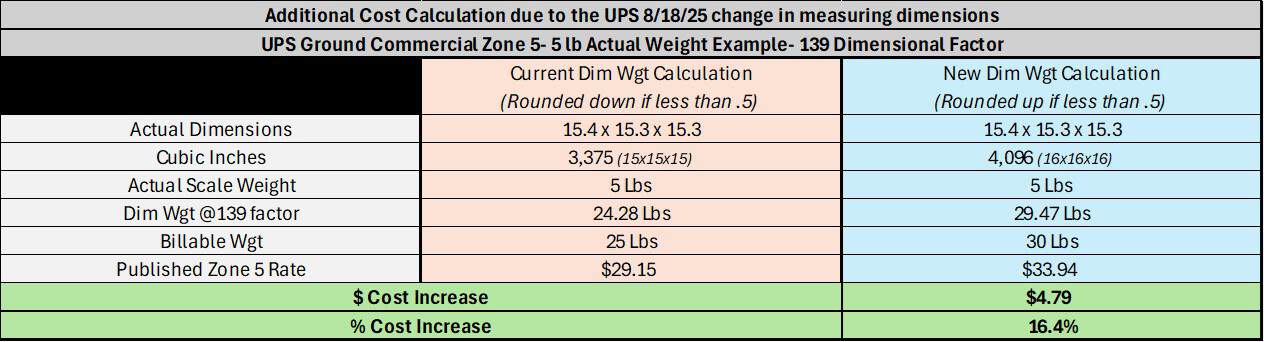
Every seller has heard of dim weight, but not everyone has actually run the numbers on their own orders. The short version: carriers do not only charge you for how heavy your parcel is. They also charge for how much space the box takes up, and they bill whichever is higher. Each step up in box size can push your billable weight into the next bracket. The exact formula varies by carrier and service, so check the latest official policy on each carrier's site — I am not pasting a formula here because it could be outdated by the time you read this.
Our method was crude but brutally effective. First, we pulled a month of orders and grouped them by product combination: single small items, two-item bundles, large items, and odd-shaped items. For each group, we measured the empty space left when the order went into its current box. Anything with more than a third of the box empty went on the suspect list. Then we took the top 10 combinations by volume and test-packed each one, asking whether it could fit in a smaller box, or whether two near-identical box sizes could become one.
The results were embarrassing. Out of 17 box types, five were used fewer than 20 times in a whole month — pure shelf occupiers. Three more differed by only a centimeter or two and could easily merge into one. The worst case was a medium box that fit our bestselling tumbler perfectly but was just too short for a slightly taller tumbler, forcing us into a large box. Raising that medium box by a small amount let both products fit, without changing the billable weight bracket. After that round of test packing, we cut straight from 17 box types down to nine, and filler use dropped visibly.
A box decision table: stop making pickers guess
Cutting box types is only step one. The bigger win is that pickers no longer have to guess on the spot. Before, box choice depended entirely on experience. Veterans knew which box to grab; new hires froze in front of the pile, and a wrong pick meant repacking. So I made a box decision table and stuck it on the packing bench.
The table is simple, one row per order type: single item under a certain longest side goes in Box A; two-item bundles or orders with a free gift go in Box B; large or heavy orders go in Box C; odd-shaped or fragile items go in Box D with inner lining. Each row says exactly when to use that box — no vague "use your judgment" allowed. New hires could pack correctly on day one by following the table, and the wrong-box rate fell right away.
Here is the counterintuitive part: fewer is not always better. Some sellers hear "merge your boxes" and slash down to three types, then watch small orders ship in big boxes and dim weight charges climb. The goal of cartonization is not the smallest possible number. It is a set where every box type has enough volume to justify itself and every order ships with controlled empty space. We landed on nine not because nine looks nice, but because those nine covered more than ninety percent of our orders, with special orders handled by a large fallback box. That balance saved more than extreme cutting would have.
One more trap: cartonization cannot be decided by the warehouse alone. Marketplaces and carriers have their own rules on box dimensions and weight limits. Break them and you get surcharges or rejections, so check the latest official rules for your main sales channels before you finalize the merged set. A plan that looks perfect inside the warehouse is worthless if the platform will not accept it.
The numbers after the merge
Enough method talk — here is what actually changed. After cutting from 17 box types to nine, we compared two months of data. First, box-hunting time: pickers used to spend roughly half a minute per order choosing and comparing boxes. After the merge plus the decision table, it became grab-and-go. Half a minute sounds tiny until you multiply it by 400-plus orders a day. Second, filler: with tighter-fitting boxes and less empty space, filler consumption fell by roughly thirty percent, a number straight out of our warehouse requisition records.
Freight was the most direct win. For our highest-volume combinations, the tighter boxes dropped the billable weight down a bracket for a meaningful share of orders, and the monthly freight bill came down noticeably compared with before the merge. I am not quoting an exact percentage here, because every seller's product mix is different and a copied percentage would be meaningless. But the direction is certain: every bit of improvement in box fit removes a bit of dim weight waste.
Three warnings before you start. First, do not switch everything at once. Pilot the two or three highest-volume combinations for two weeks, check the data, and only then roll it out — otherwise a bad call means reworking the whole warehouse. Second, when you change box types, update the packing bench table and the box master data in your system at the same time. If the warehouse changes but the system still prints the old box type on pick lists, you have done nothing. Third, keep a special-order channel. Odd-shaped, oversized, and fragile orders should not be forced into standard boxes — damage and return costs from forced packing will eat far more than the freight you saved.
This trick genuinely works — I have tested it myself. Cartonization sounds unsexy next to automation equipment, but it is one of the few cost-saving moves that costs almost nothing and pays off immediately. Go count the box types in your warehouse. If you are past twelve, you are almost certainly burning money. Start merging.
By Ah K, E-commerce Seller (5 yrs)