How to prevent cargo theft in your warehouse? Before we talk about where to mount cameras or which access system to buy, let me put a number on the table. In its 2024 Supply Chain Risk Trends Analysis, Verisk's CargoNet reported 3,625 cargo theft incidents across the US and Canada — up 27% from 2023, the second record-breaking year in a row. Average loss per incident: roughly $202,000. Estimated total damage: nearly $455 million. California and Texas led the surge, with incidents up 33% and 39% respectively.
Now translate that to your building. Say your warehouse carries $5 million in average inventory. If just 0.5% of it walks out the door each year, that's $25,000 evaporated — before you count claim handling, reshipping, and the labor hours burned on recounts. Most operators think theft is a low-probability event, because theft never gets its own line on the P&L. It hides inside "shrinkage," "inventory adjustments," and "shipping exceptions" until nobody notices. So here's my starting advice: pull your last 12 months of cycle-count variances, insurance claims, and customer shortage complaints, and add them up. That number is the annual "tuition" you're already paying for not preventing cargo theft. Only after you see it should you decide what a security budget deserves to be.
Two Completely Different Crimes
Cargo theft in a warehouse runs on two separate tracks — outsiders and insiders — and they are different businesses that demand different defenses and different money.
Outsider theft is the one-shot job. The 2024 CargoNet data is full of it: whole trailers disappearing in Southern California, Dallas–Fort Worth, and Atlanta. Methods keep getting sharper — organized crews now phish motor carriers' email accounts, pose as legitimate fleets, and drive off with a full load using forged paperwork. Outsider hits are low-frequency but high-severity: one incident can run into the tens or hundreds of thousands of dollars.
Insider theft is the slow leak. I worked with a Midwest e-commerce fulfillment center where a picker pocketed two small appliances — maybe $100–200 each — at the end of nearly every shift for well over a year. By the time a cycle count flagged the pattern and someone pulled the camera footage, the employee had been gone for three weeks. Total loss: close to $50,000, and not a cent of it recoverable. Small per incident, long-running, nearly invisible. Over a full year, the insider line often quietly out-costs the outsider line.
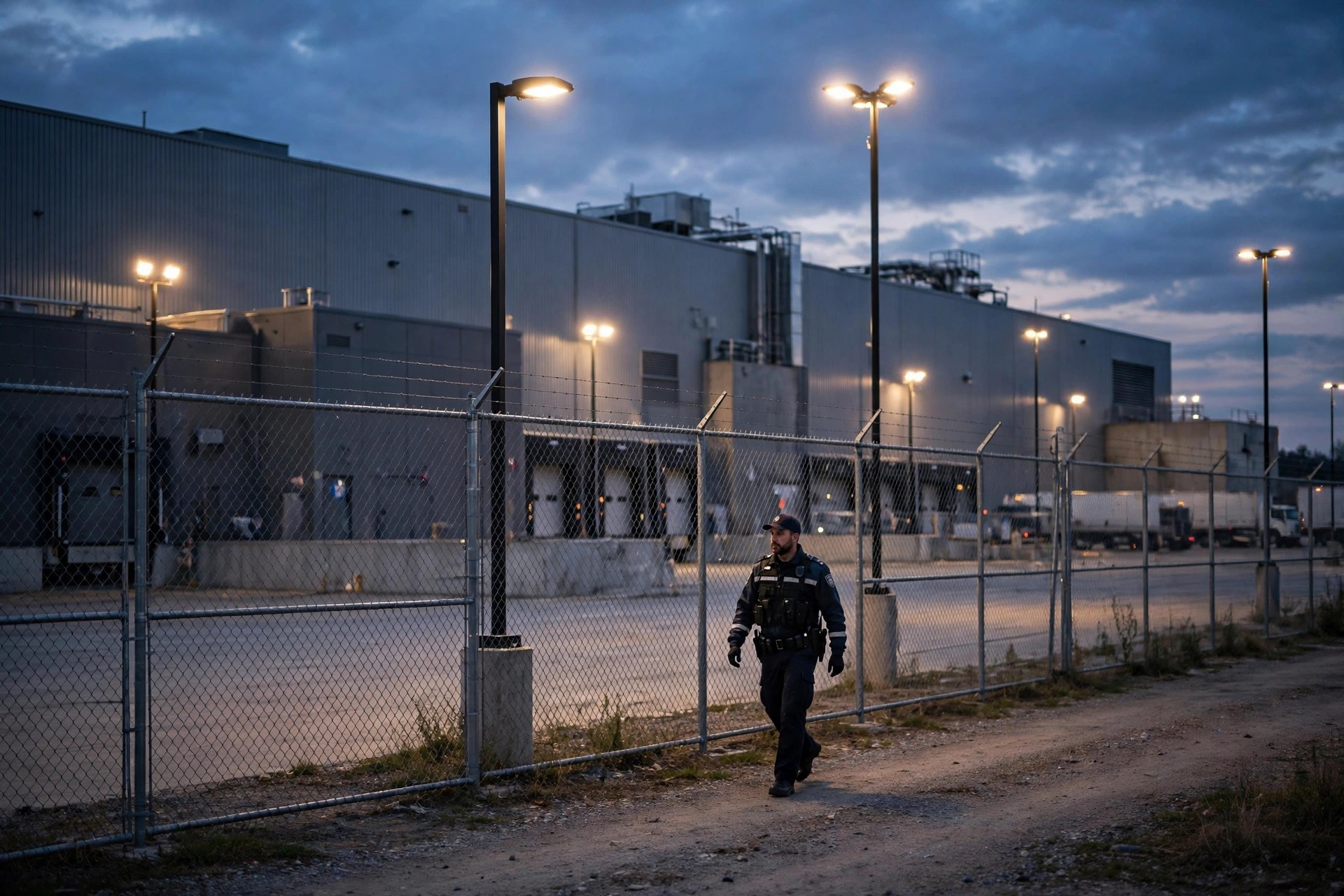
A California 3PL I know lived the outsider version: a fence cut at 2 a.m., a full pallet of Bluetooth earbuds gone — close to six figures in value. The insurance claim took four months and paid out about 70%, because of the deductible and a dispute over "reasonable security measures." Here's the part of the math most people skip: insurance covers part of outsider theft, and it covers almost none of insider theft — most cargo policies exclude employee dishonesty (check your own policy wording). So preventing warehouse cargo theft isn't about buying peace of mind; it's about hedging two different loss profiles.
The Priority List: Where Every Security Dollar Goes to Prevent Cargo Theft
This is the table I open with whenever a client asks me to design a security plan. It ranks measures by spend versus loss prevented — cheapest, fastest-payback, and broadest insider coverage first:
| Priority | Measure | One-time cost | Annual upkeep | Stops whom | Loss prevented | Payback |
|---|---|---|---|---|---|---|
| 1 | Two-person verification on inbound/outbound + daily counts of high-value SKUs | ~$0 (reschedule labor) | Low | Insiders | High | Immediate |
| 2 | Badge access on high-value zones | $5,000–15,000 | ~$1,000/yr | Insiders + outsiders | Medium-high | Under 1 year |
| 3 | Cameras at key chokepoints (receiving, shipping, high-value areas) | $3,000–8,000 | ~$500/yr | Insider deterrence + evidence | Medium | ~1 year |
| 4 | Adequate cargo insurance | Premium ≈ a few thousandths of cargo value | Annual premium | Catastrophic outsider theft | Backstop | — |
| 5 | Full-coverage 360° cameras + overnight guard | $30,000+ | Several thousand/yr | Outsiders | Medium | 2–3 years |
The ordering probably runs against your gut. Let me defend it.
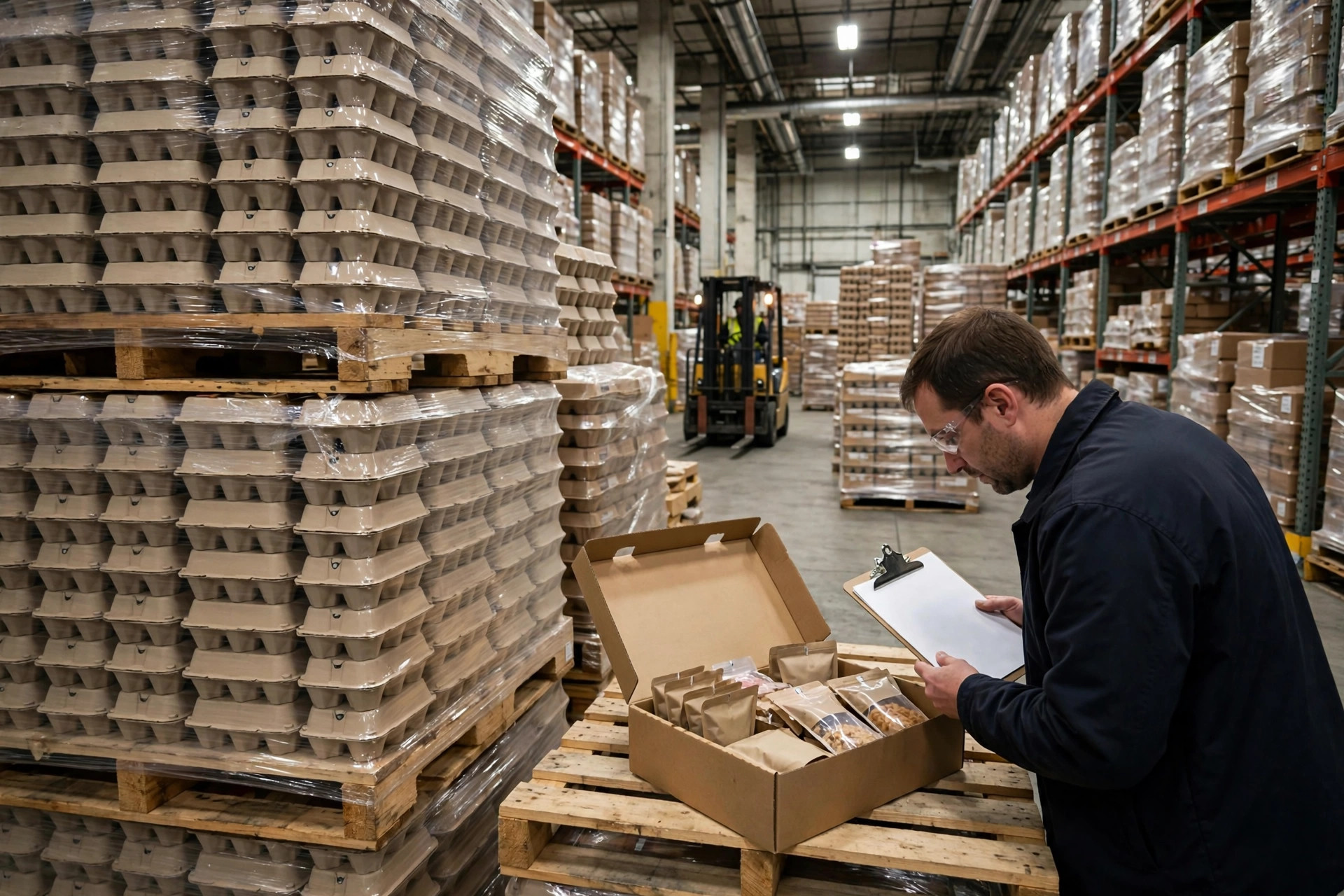
Item one — dual verification plus daily counts — costs essentially nothing and is the only measure that both prevents and detects early. The thing insiders fear isn't cameras; it's "what I steal today shows up in tomorrow's count." Pull every SKU worth more than $50 into a daily count list, and cycle the rest by ABC class weekly or monthly. Warehouses that discover theft six months late are warehouses that do one or two full physical counts a year. Count frequency is the cheapest anti-theft lever that exists.
Badge access on high-value zones fixes the permissions problem. First principle of warehouse theft prevention: not everyone should be able to walk everywhere. Lock the high-value cage, keep an authorized list, log entries and exits. A card-reader setup for a few thousand to low five figures costs less than one stolen pallet.
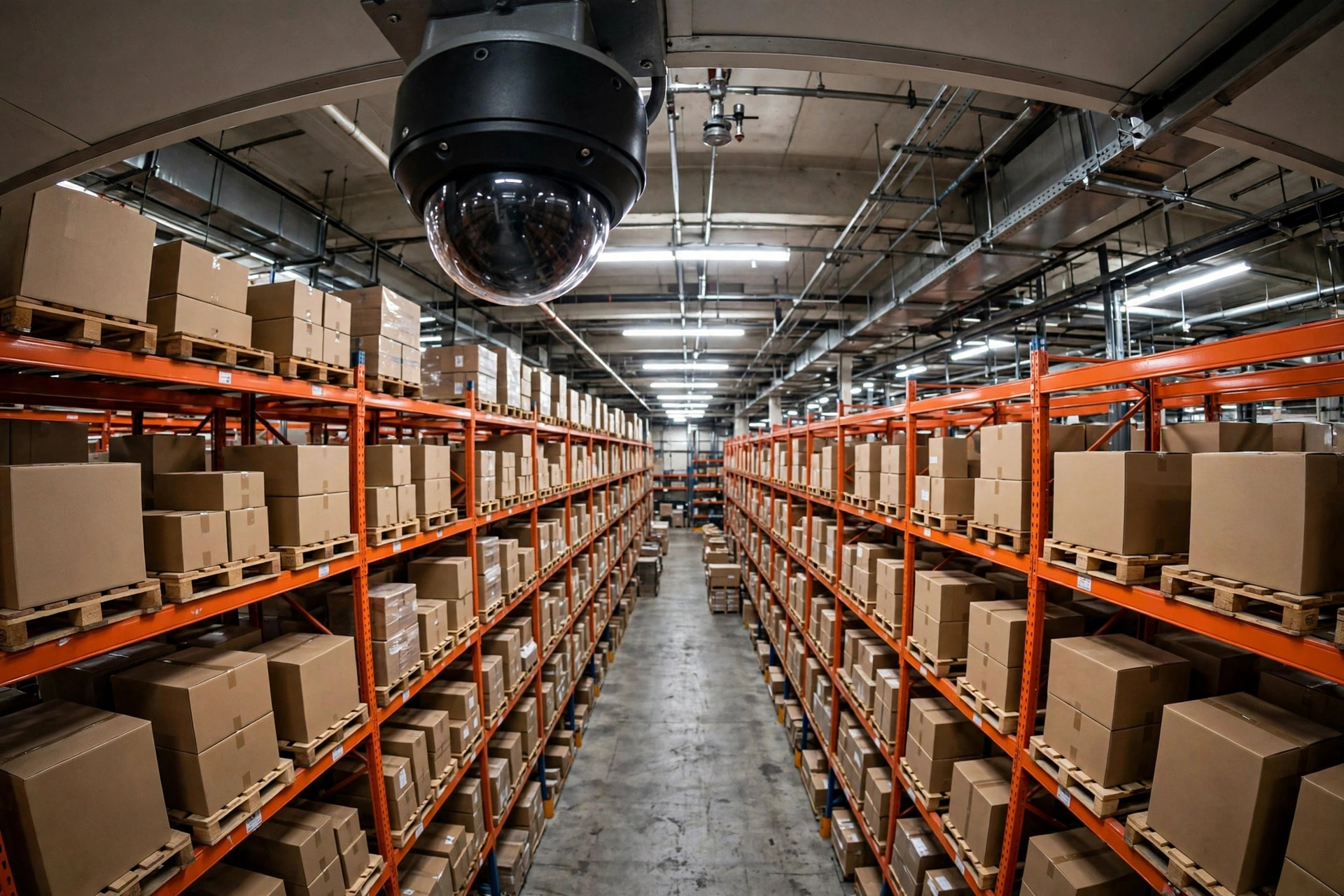
Cameras rank third — deliberately — and only at chokepoints. Full-facility blanket coverage sounds great, but $30,000+ spent mostly guarding against outsiders, who are already backstopped by insurance. A camera's real value is deterring insiders ("this is recorded") and producing evidence after an incident. Receiving dock, shipping dock, high-value zone: those three cover the highest-ROI placements.
Insurance is fourth because it's a backstop, not prevention. Insure to full value, and read the exclusions before you need them — plenty of operators discover after a loss that employee theft isn't covered or that the deductible is punishing. Insurance buys you the one catastrophic outsider hit; it does nothing about the daily drip.
The Counterintuitive Part: You're Over-Spending on Outsiders
This is the most common misallocation of money I've seen in years of cost work.
The typical warehouse spends the vast majority of its security budget on outsider threats: taller fences, gate cameras, overnight guards, insurance premiums. All of that is necessary — but the data tells a different story about where the money goes. Outsider theft is low-frequency and high-severity; insider theft is high-frequency and relentless. On an annual basis, the insider line quietly eats profit at least as aggressively as the outsider line. Yet executive instinct says "the thief outside the fence is the scary one," and budgets follow instinct. The result: big money spent on low-probability events, small money (or none) on high-probability ones.
The painful part is that the three most effective anti-insider measures are also the cheapest: dual verification, higher count frequency, and access control on the high-value zone. Combined one-time cost: often under $20,000, with impact that beats a $100,000 camera system. Why? Because insider theft runs on opportunity plus the belief of getting away with it. Dual verification kills solo opportunity. Daily counts kill the belief. No camera delivers either.
One more trade-off people miss: security and throughput sit on a seesaw. Overly strict access control means pickers badge in and out dozens of extra times a day — a 5% productivity hit is real money in labor cost. So my rule: apply security only at high-value, high-risk nodes, and keep everything else flowing. Trading efficiency for safety is fine, but do it on a spreadsheet — put the added labor cost next to the expected theft reduction, and let the bigger number win.
A Conclusion You Can Actually Calculate: Preventing Cargo Theft on a Budget
How much should warehouse cargo theft prevention cost? Stop guessing. Here's the formula:
Annual security budget ≈ average inventory value × 0.3%–0.5%, with at least half spent on anti-insider measures (dual verification, count frequency, zone access control).
A $5 million-inventory warehouse spends $15,000–$25,000 a year on security, with $8,000–$10,000 of it aimed at insiders. Budgeted that way, your security spend will have one of the best ROIs in the building.
One thing you can do tomorrow morning: export your last 12 months of count variances, sort by SKU value, and check whether the biggest losers are your high-value SKUs. If they are, switch those SKUs to daily counts first. One move, zero cost — and quite possibly the highest-ROI "security investment" you'll make this year.
By Lao Zhou, Logistics Cost Analyst