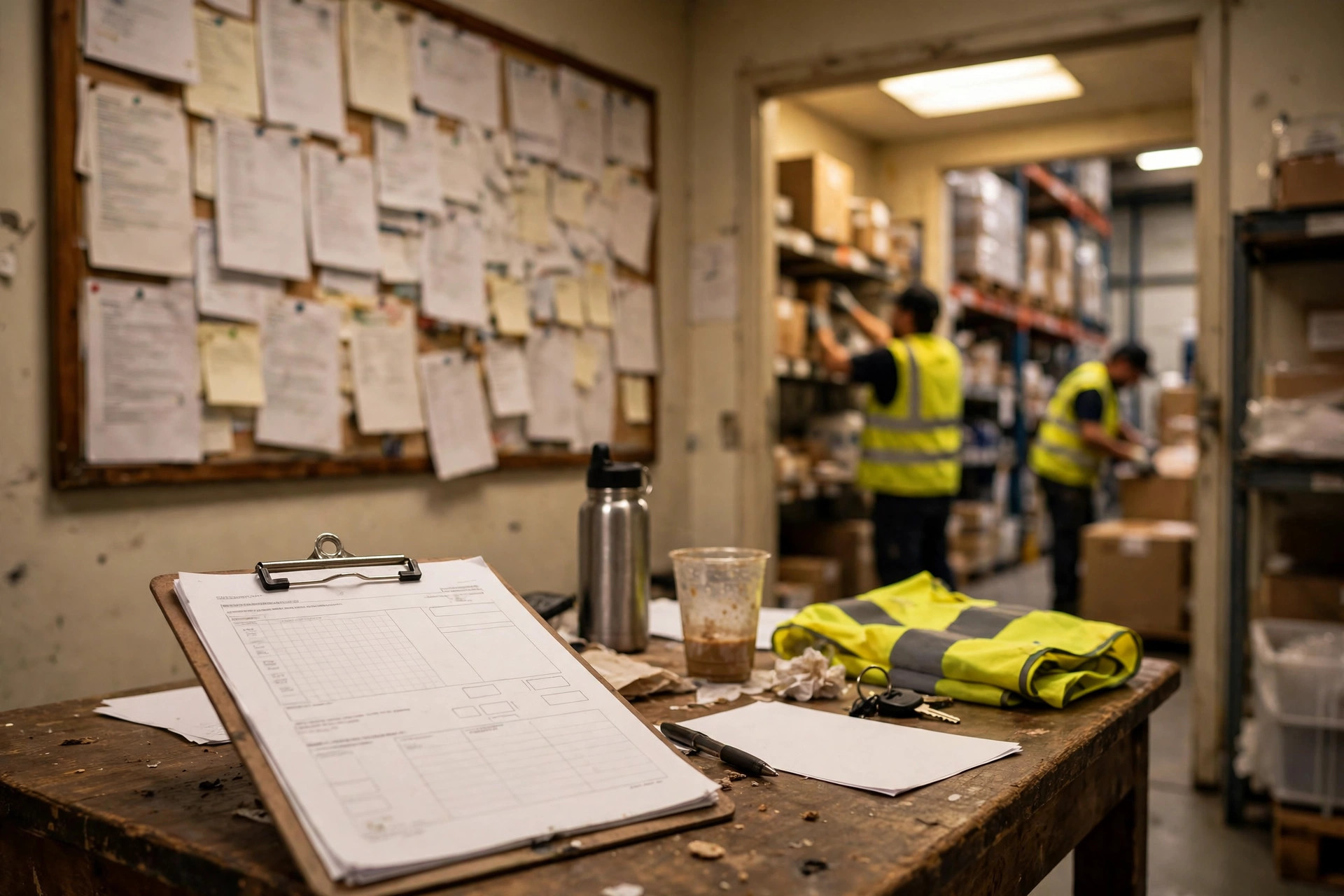
Full confession: three years ago, an automation vendor almost had me. The salesman flipped to the ROI page of his proposal and said, "Sign here, payback in three years, everything after that is pure profit." On the drive home it hit me: that spreadsheet was built for a big-box operation running three shifts, 365 days a year. My little warehouse runs eight hours a day, and we take Saturdays off in the slow season. So before I even look at the numbers, I mentally divide their ROI by three. That day I learned the golden rule of phased automation rollout: small warehouses must go phase by phase. Trying to automate everything at once is suicide.
Our operation is about 3,000 square meters. Peak days we push two to three thousand orders; a normal day is barely over a thousand. The cash in the bank cannot survive a gamble. So over the last few years I worked out a scrappy three-phase plan. Every dollar lands where it hurts most, and payback is measured in months, not years. Today I'm opening the books for fellow small-warehouse owners.
Phase one: start your phased automation rollout at the pack-and-check table — pocket change, payback in months
Bottom line up front: in phase one, don't touch anything with "smart" in the name. Start with the packing table.
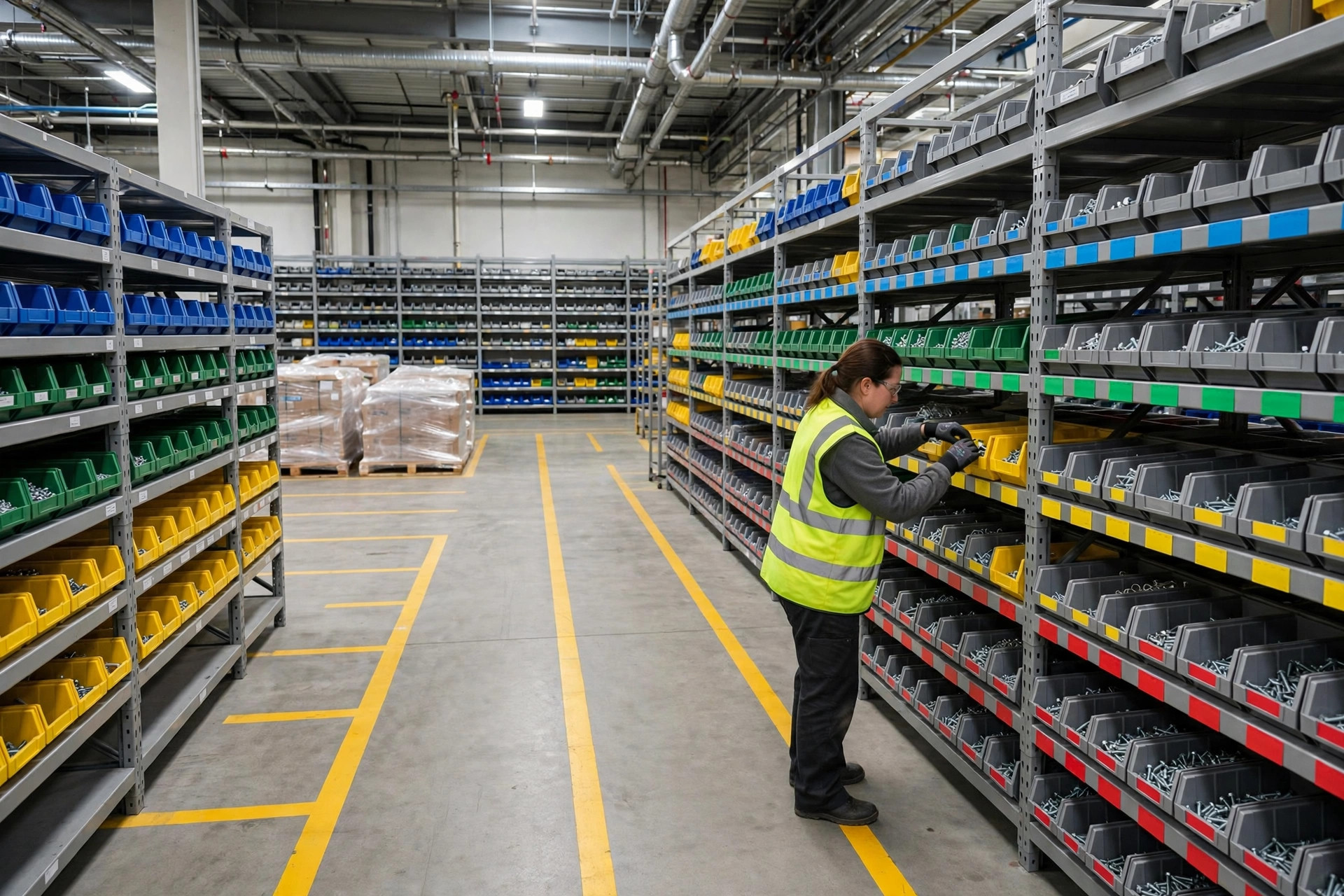
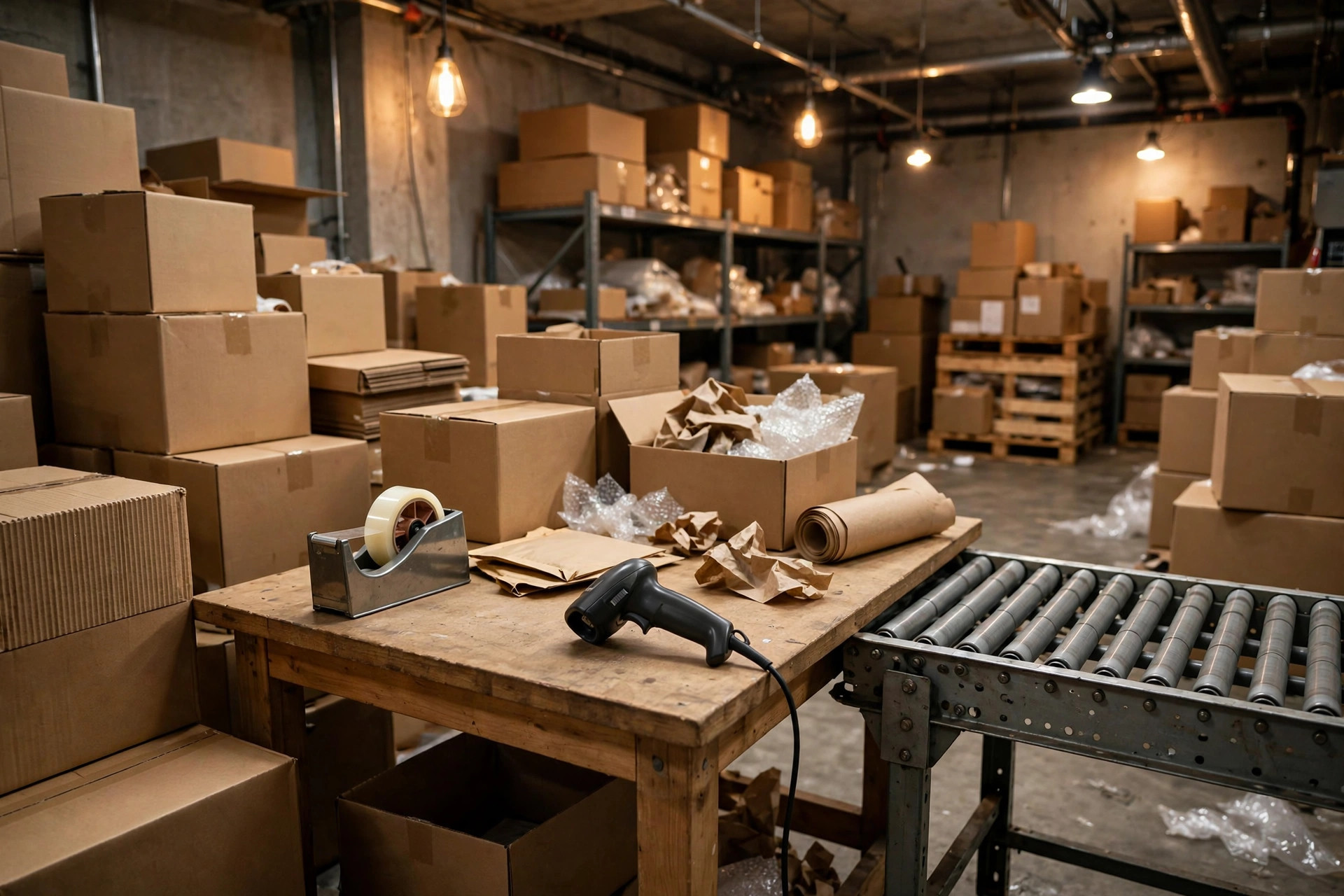
Our misery was textbook. The "packing station" was literally a table. Pickers dumped product on it, packers checked orders from memory, and mis-ships depended entirely on conscience. During one peak season our mis-ship rate climbed into the parts-per-thousand, and between marketplace penalties and return shipping, complaints were torching close to ten grand a month.
The fix was so low-tech the vendor was embarrassed to sell it: we spent a small five figures on a handful of barcode scanners and two second-hand handhelds, then rebuilt the table into a "scan-to-seal" station with one iron rule — no scan, no seal. If the physical item doesn't match the order in the system, the little red light by the table lights up. No AI. No robots.
The result? Mis-ships fell from parts-per-thousand to parts-per-ten-thousand. Complaints got cut in half. We paid back that investment in a little over three months. The fastest ROI always comes from automating the process, not the equipment — get people's hands under control first, then talk about machines replacing people.
Phase two: put walls and conveyors — don't touch them until your volume says so
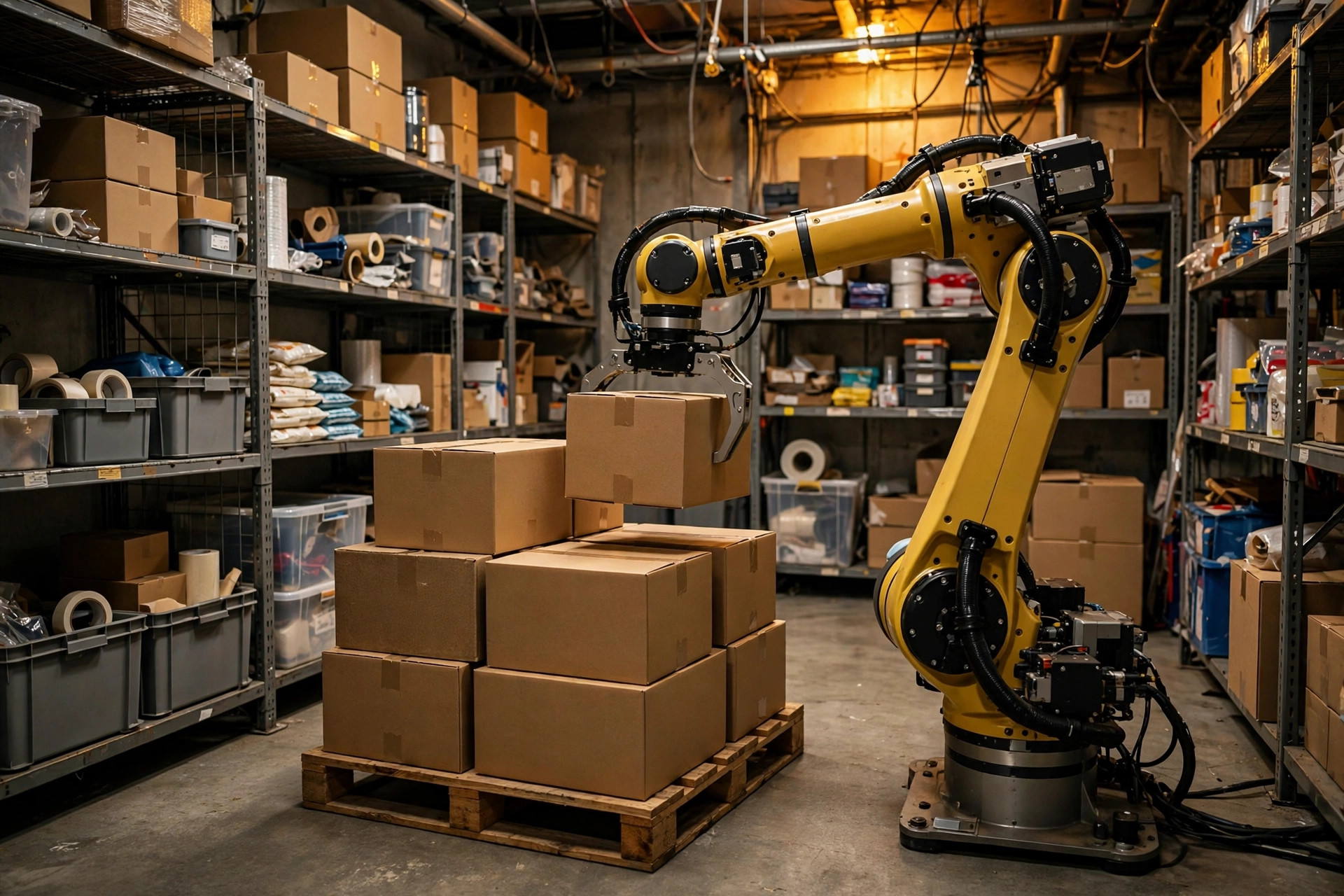
After phase one paid off, I got cocky and nearly ordered a sortation line in year two. Lucky for me, Old Chen from the warehouse next door paid the tuition for both of us: he went all-in on a put wall plus conveyor in one shot — several hundred thousand dollars — and then discovered his daily volume topped out around 1,500 orders. The equipment ran effectively less than four hours a day and sat collecting dust the rest of the time, while the power bill and maintenance fees showed up right on schedule. His exact words: "This isn't automation, it's adopting an ancestor."
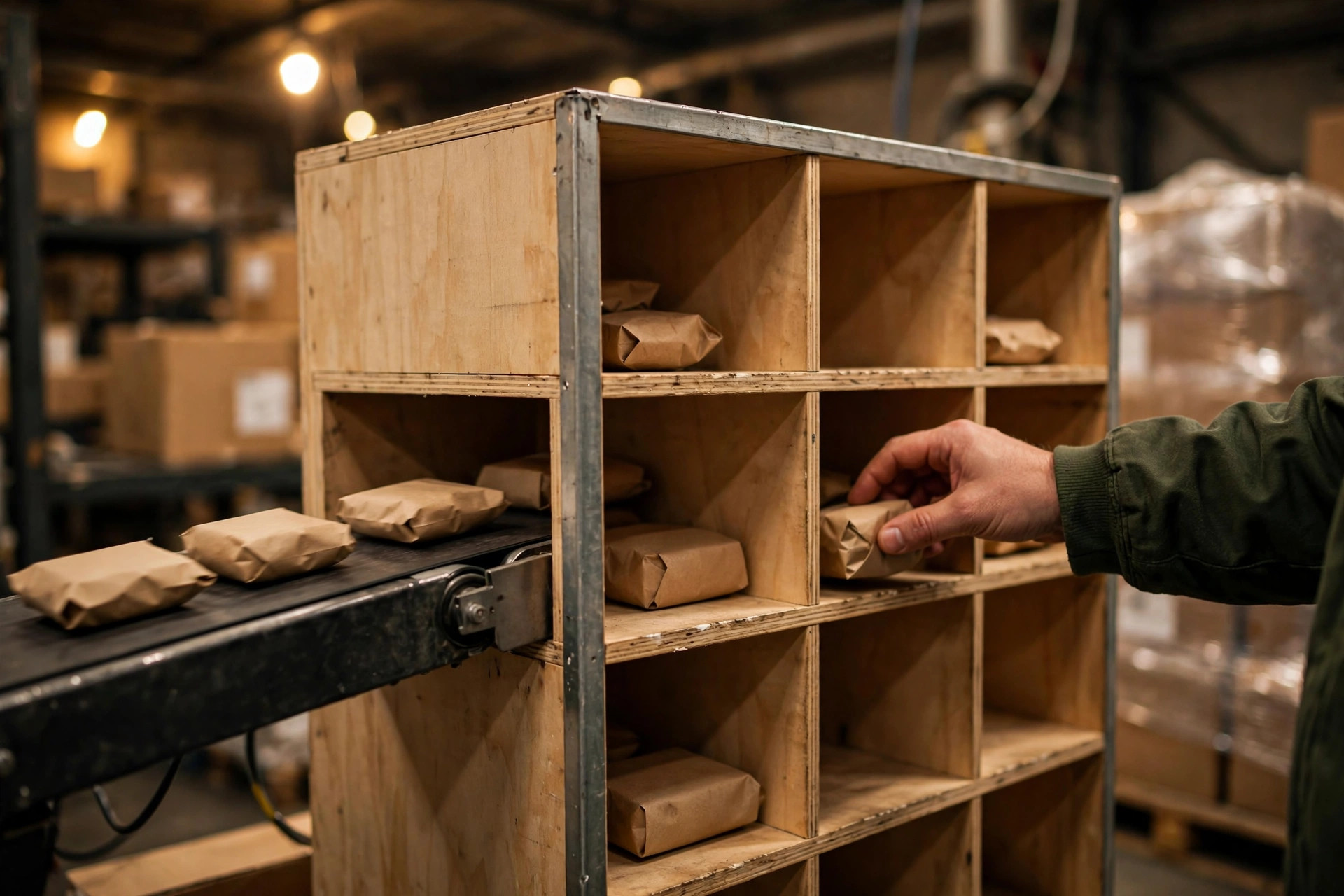
My trigger rule is strict: average over 2,000 orders a day, sustained for three straight months, and only then do we talk about phase two. We finally cleared that bar during last year's Q4 peak, and this year we installed two short conveyor runs and one small put wall, total spend in the hundreds of thousands. Remember: conveyors are a volume tax. Without enough volume, they're decoration; with enough volume, they're a money printer.
Phase three: AMRs and high-bay racking — wait for these three signals
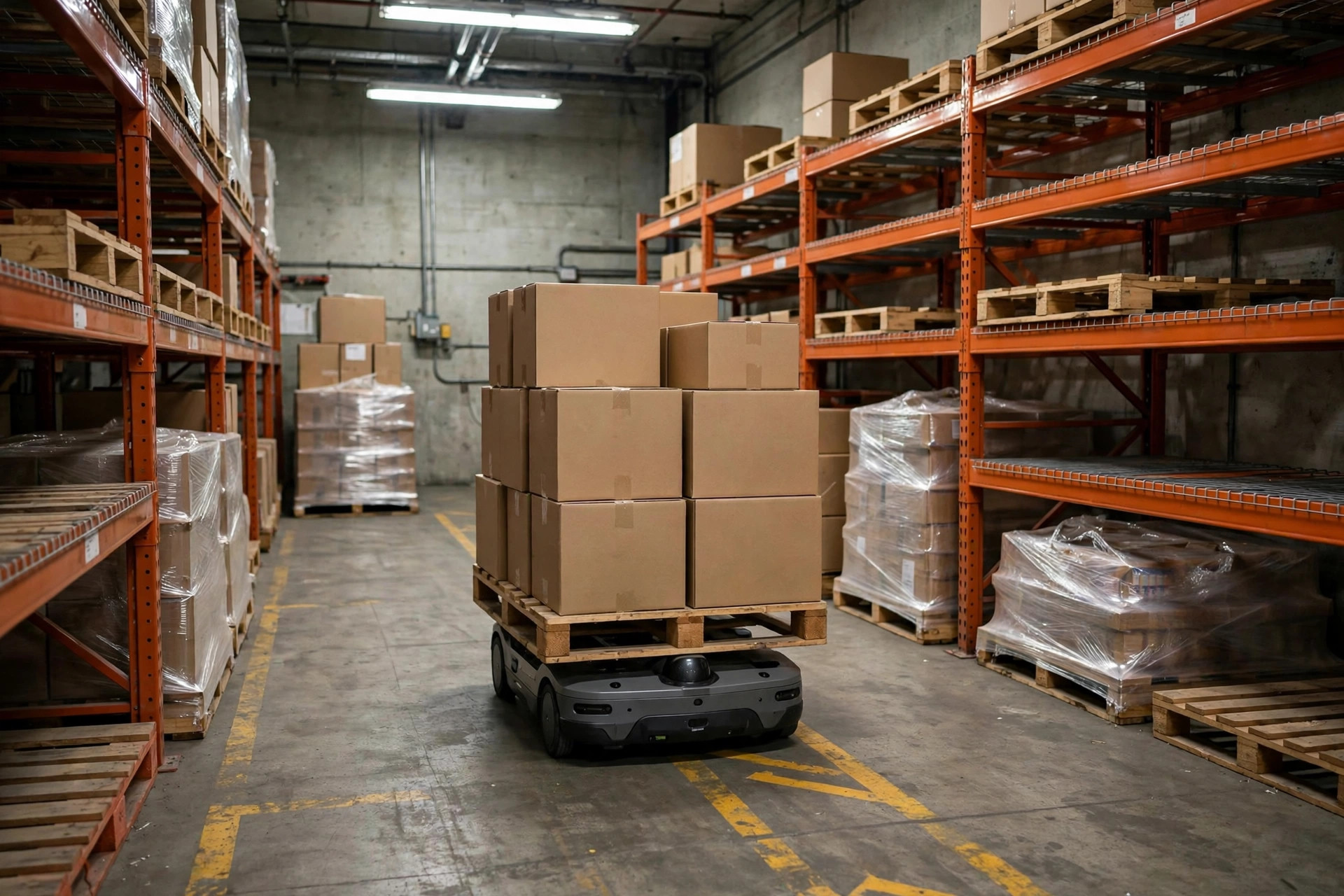
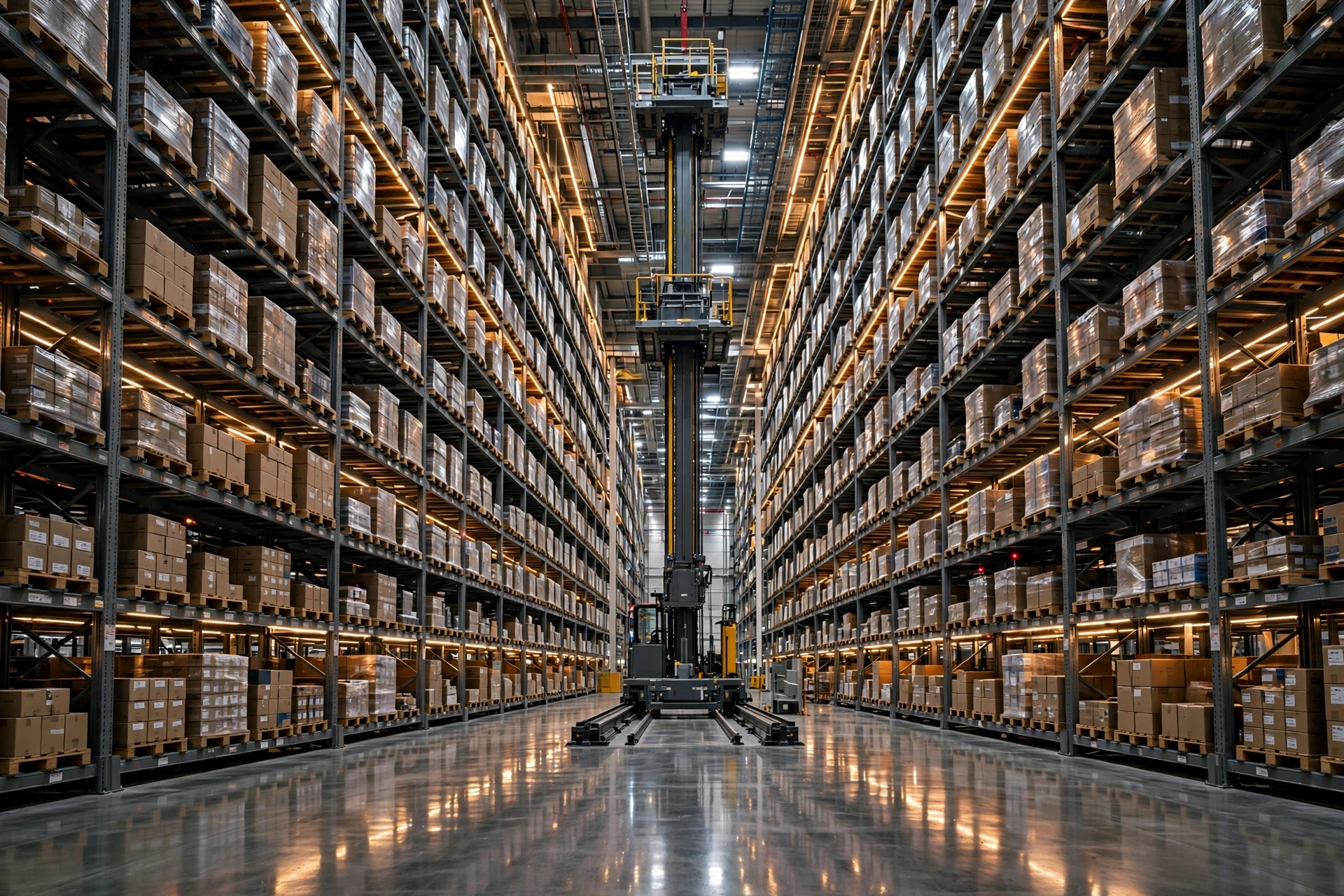
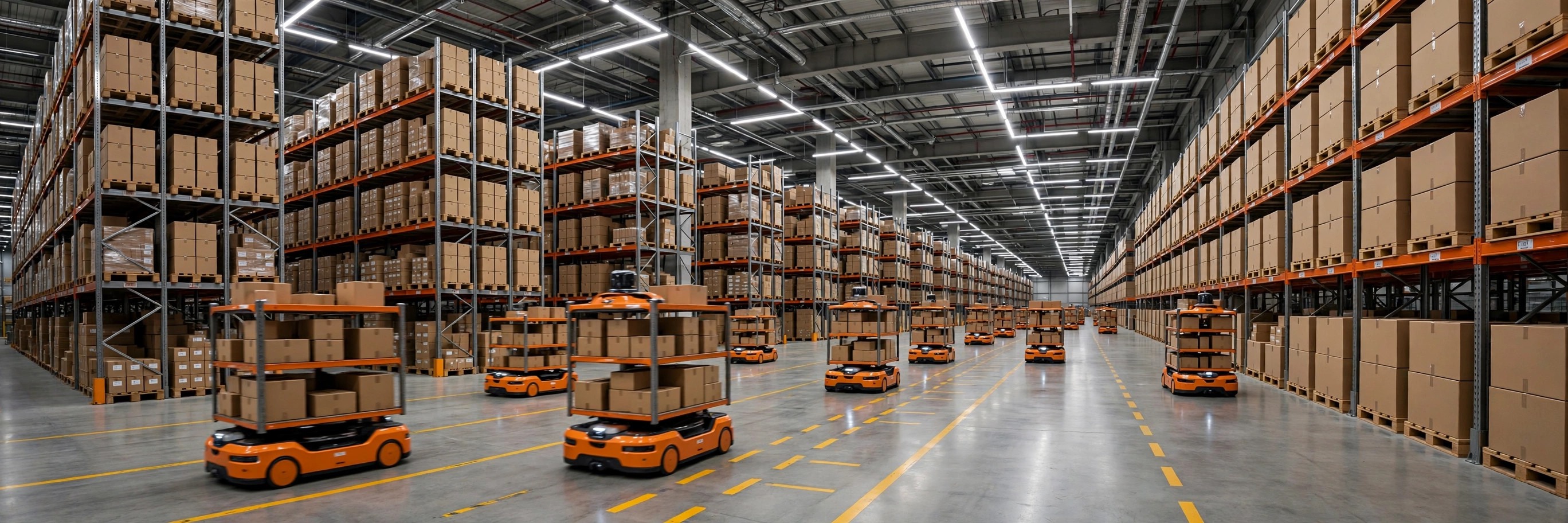
AMR carts and automated storage are the sexiest pages in every vendor deck — and the easiest place for a small warehouse to flip the car. My rule: until all three of these signals show up, don't even look.
One: manual picking labor already eats more than 40 percent of your fulfillment cost. Two: ceiling height and floor space are genuinely the bottleneck — throwing more people at it no longer adds capacity. Three: the phase-one and phase-two equipment is running at capacity, and the scanners from phase one are practically smoking. All three check out, then go talk AMRs. One or two, keep digging deeper into the first two phases.
Here's the thing: AMRs solve the problem of "people aren't fast enough." But most of the time, a small warehouse's real problem is "there aren't enough orders." Wrong direction, and the more you automate, the more you lose.
What vendors won't tell you: take their ROI spreadsheet and divide by three
This is my anti-big-vendor verdict. Every vendor ROI calculation quietly assumes three things: three shifts, full capacity, and labor costs rising forever. Translation: payback calculated as if the equipment runs 24 hours a day. Our reality? Eight hours a day, about 300 working days a year, and in the slow season we're lucky to hit 50 percent utilization.
So here's my back-of-the-napkin formula: take the payback period on the vendor's payback sheet and multiply by three. They say 18 months? Plan for 54. Still acceptable? Then let's talk. Not acceptable? Walk away. That one trick has saved me from at least three "too good to be true" pitches.
The full map: phased automation rollout decision table
| Phase | What to install | Spend level | Payback | Trigger signal |
|---|---|---|---|---|
| Phase one | Pack-and-check table rebuild, barcode scanners, handheld workflow | Small five figures | 3–6 months | High mis-ship rate, lots of complaints — start now |
| Phase two | Short conveyors, small put wall | Hundreds of thousands | 12–24 months | 2,000+ orders/day sustained for three months |
| Phase three | AMRs, automated high-bay storage | Millions | 36+ months | Picking labor over 40% of fulfillment cost, space maxed out |
Three pieces of advice for fellow small operators: first, process before equipment, cheap before expensive — get the order wrong and nobody can save you. Second, write each phase's trigger signal on the wall and don't let yourself get tempted before volume arrives. Third, never forget the vendor's math assumes three shifts; your warehouse runs eight hours a day.
Small warehouses have their own way of surviving. Big companies compete on capital; we compete on making every dollar land where it counts. Rolling out automation in phases isn't embarrassing — flipping the car is.
By Xiao Ma, Small Warehouse Owner