Within eighteen months, running an AI pilot in a mid-size warehouse will stop being a six-figure project and start being a two-to-three-thousand-dollar monthly bill. That is my call, and I will lay out the reasoning below so you can judge it yourself.
This is not one vendor running a promotion. The entire cost chain is being crushed downward. Here is the data point that matters most: research cited widely in early 2026 (from BetterCloud's enterprise AI spending data) showed that AI token unit prices fell sharply over the year, while total enterprise AI spending still rose 320% year over year. Unit price down, usage up even faster. Apply that formula to warehouse AI software and you get subscriptions that can be priced brutally low, because vendors are betting your usage and your renewal will follow. Robotics already proved the model. A 2026 warehouse automation cost guide (warehousingcosts.com) puts all-in AMR pricing under RaaS at $1,800 to $3,500 per robot per month, with the buy-versus-subscribe breakeven sitting at roughly 28 to 36 months. If vendors can rent out physical robots by the month, there is no reason pure-software AI tools will not follow — software has a marginal cost an order of magnitude lower than hardware.
One more pricing shape is forming: the hybrid base-plus-usage model. An October 2026 SaaS pricing analysis found hybrid pricing becoming the default for AI software — a flat monthly base for access, plus metered charges for actual usage. For warehouse buyers that means two things. First, the headline monthly fee keeps getting lower because vendors make their money as your usage climbs. Second, your bill is no longer fixed; come peak season, it can double. Ask about the usage cap and overage unit price before you sign, not just the starting number.
The First Three Categories to Get Cheap
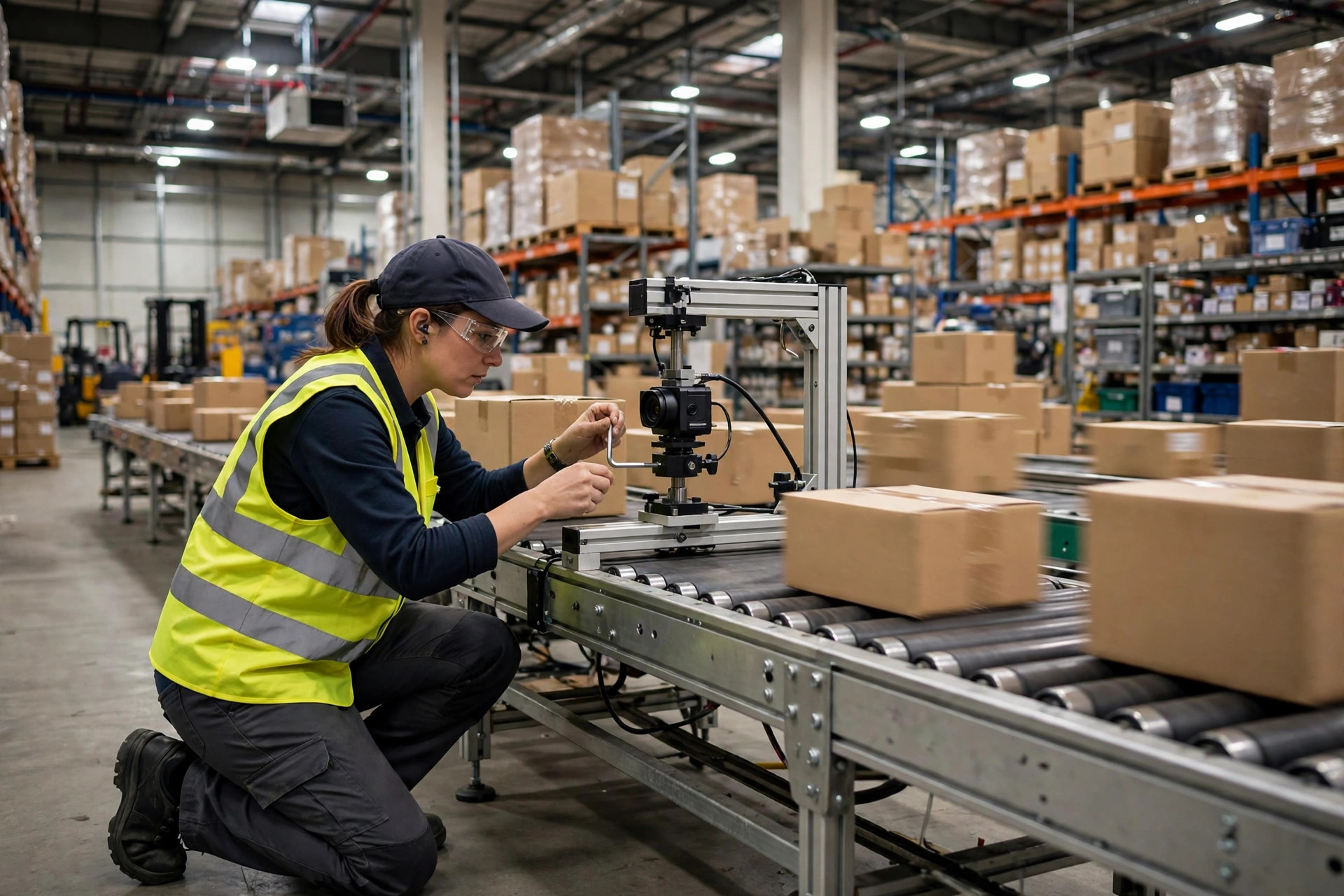
First: vision inspection. Google Cloud's Vertex AI Vision pricing page lists Visual Inspection AI at $100 per camera stream per month. Startups doing damage detection on parcels, empty-slot recognition, and loading verification have anchored to that number. One camera, one cable, a monthly fee — no server to buy, no ML team to hire. Vision is falling fastest because model capability is riding on the coattails of general-purpose foundation models; startups no longer have to train from scratch.
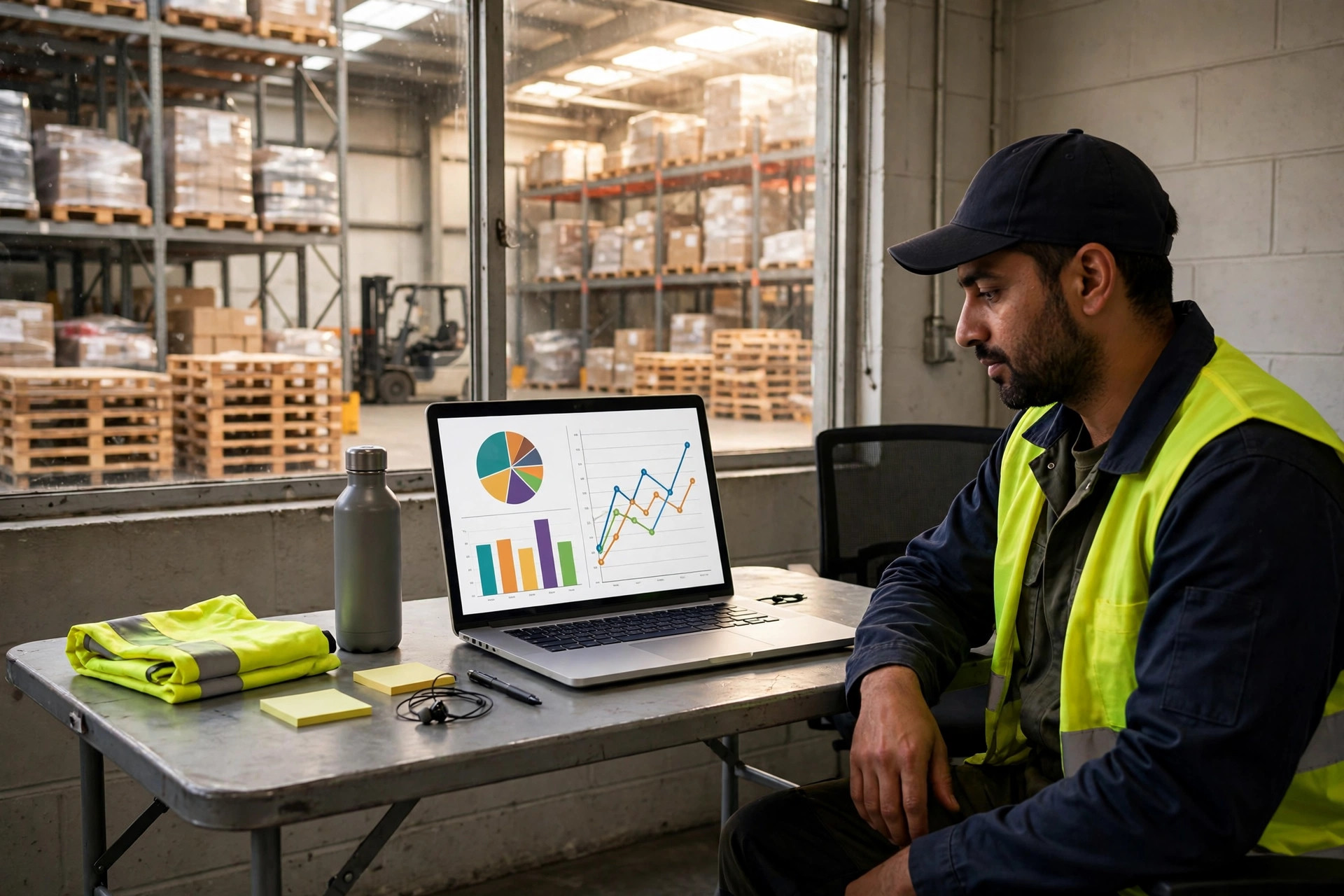
Second: demand forecasting and cycle-count analytics. These tools need no hardware at all. They feed on the inbound and outbound data already sitting in your WMS. A subscription login plus a data connector is the whole delivery, so vendor delivery cost is near zero and the price war is fiercest here. Back in 2024 I helped a 3PL warehouse in Riverside evaluate a forecasting pilot, and the quote was an annual project fee. This year, the same category of product quotes by the month, tiered by SKU count. Good news for warehouses, with one condition: your historical data has to be clean. Garbage in, garbage out — no pricing model fixes that.
Third: voice assistants and dispatch helpers. Pick-path voice prompts, automatic exception ticket routing, shift-scheduling suggestions — these tools sell on "saving half a person's day," so vendors price against the labor-cost anchor, which keeps prices naturally low. They are falling third-fastest because their value depends on integration depth with your existing systems. The deeper the integration, the higher your switching cost, and the less urgency vendors feel to discount.
Cheap Has a Price: Three Traps in the Subscription Model
Trap one: data lock-in. Subscription AI tools grow up on your data — your pick paths, your exception cases, your SKU profiles. After two years, your operational history lives inside the vendor's model. Switching vendors means handing over two years of tuning and cold-starting again. Price that in before you sign, not after you see the low monthly fee.
Trap two: the price hike. It is the classic SaaS playbook. Year one: low price to land the account. Year two: a 15% increase. Year three: pressure to move up a tier. Vendors do not control their own compute costs; when foundation-model prices move, the bill gets passed to you. Get the escalation terms in writing before signing: an annual increase cap, overage unit pricing, early-termination conditions. A salesperson's verbal promise of "locked pricing" is worth nothing unless it is in the contract.
Trap three: the effectiveness ceiling. To be sellable to a thousand warehouses, a subscription tool must be standardized. Standardized means it solves the common problems. Your warehouse's real bottleneck — that weird cross-dock flow, that batch-lot rule that never reconciles with the ERP — is on you. My verdict: subscription AI gets you from 60 to 80. If you are counting on it to get you to 95, build the team or hire custom development instead.
The Category That Still Has to Wait
Anything with a physical body is falling slower. Agility's Digit humanoid runs a RaaS model and, per its S-4 filing, charges customers roughly $8,500 per month plus a $25,000 deployment fee — and that is a high-profile category with venture-scale attention. Heavy integration projects (AS/RS, cross-belt sorters, WES tie-ins) are fundamentally engineering services; labor cost does not come down, and no subscription model rescues that. My call: pure-software AI tools finish their price war within 18 to 24 months. Hardware and heavy integration need at least three to five more years.
So do not let the old impression of "AI is expensive" trap you, and do not let the new story of "AI is cheap" fool you. Expensive and cheap are describing two entirely different things.
For warehouse managers still on the fence, the move right now is three things. First, get one small vision-inspection scenario running — loading verification or empty-slot detection, a few hundred to a couple thousand dollars a month, three months to judge the results. It is the cheapest possible way to buy real understanding. Second, before signing any subscription, write three clauses into the contract: data export format, a cap on price increases, and termination terms. Do not trust the rep's verbal promises. Third, do not touch custom development — at least not until the price war is over. Every dollar you spend on custom work today could be a sunk cost eighteen months from now. Once the market crashes prices and you hold real usage data in your hands, you negotiate from strength and scale on your terms.