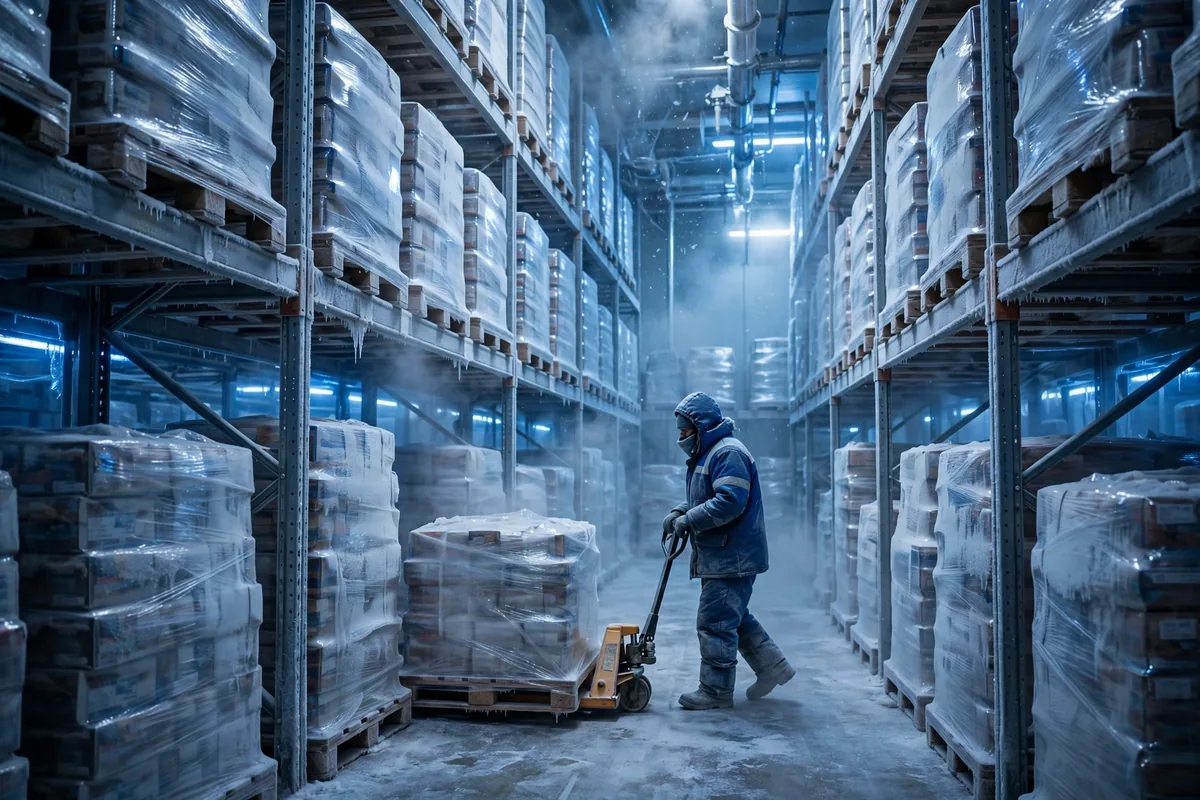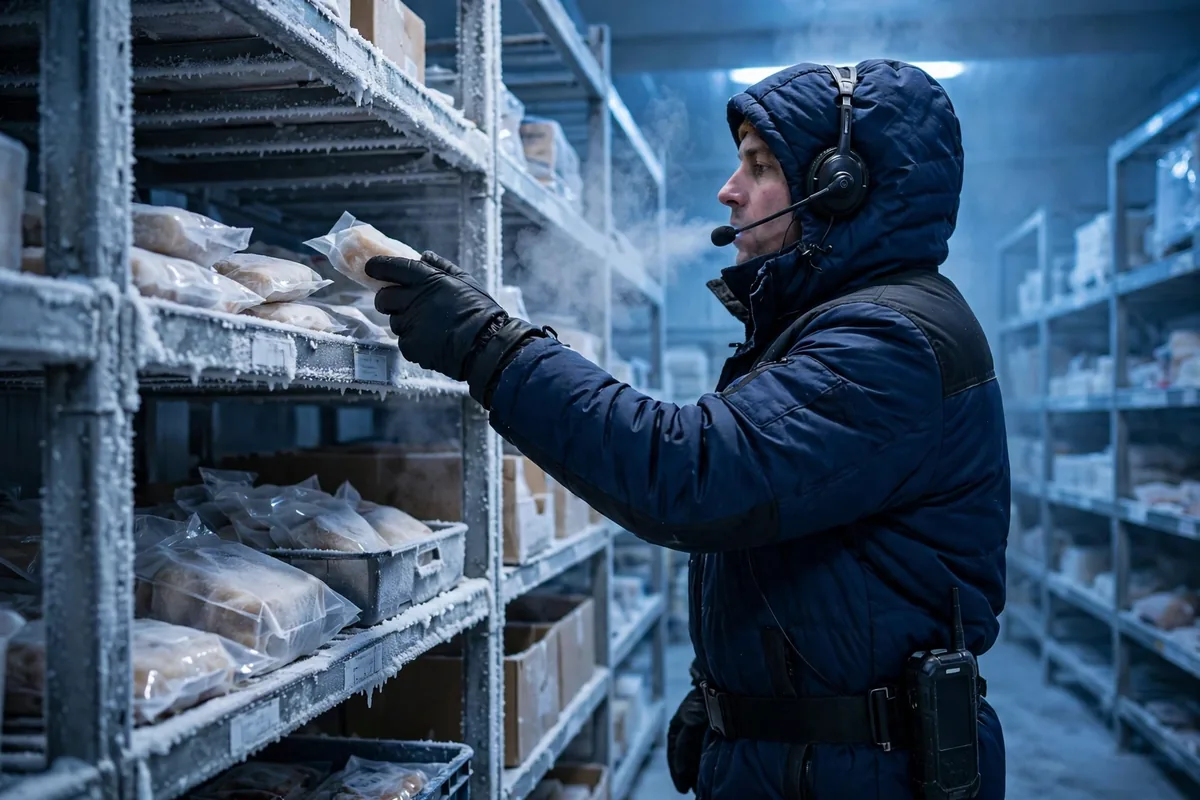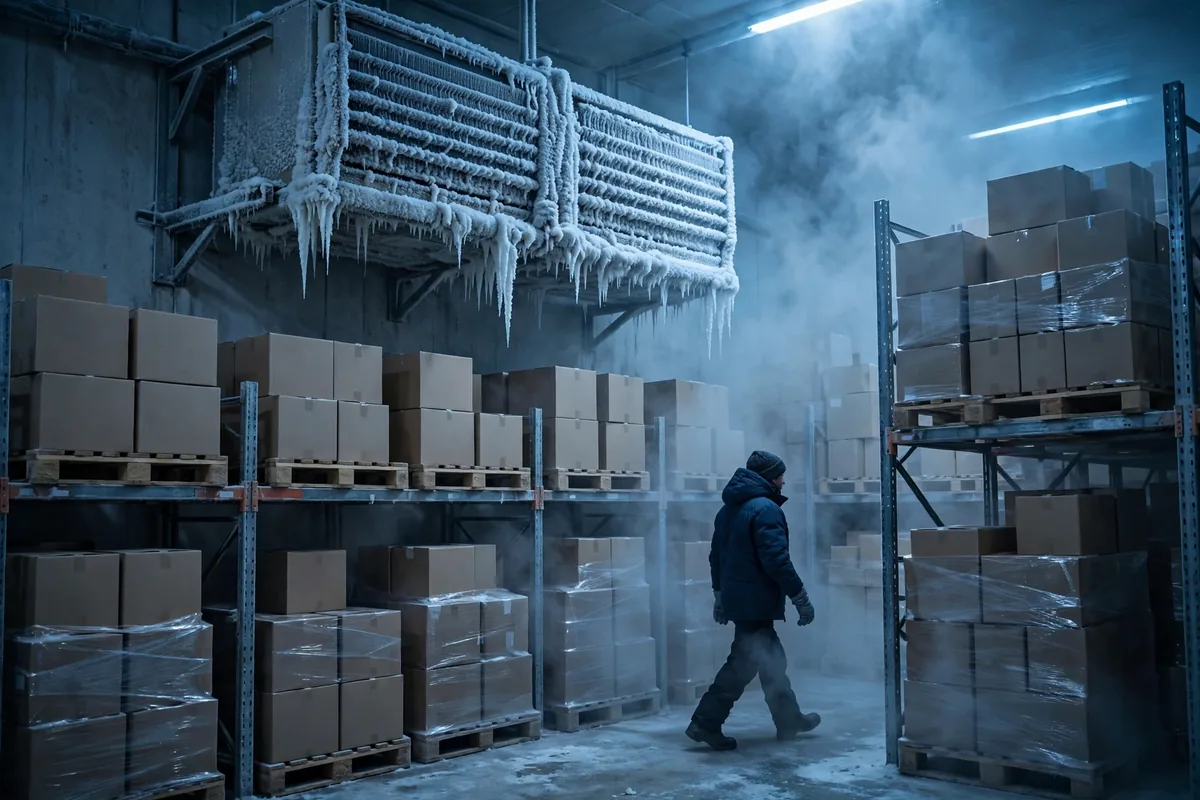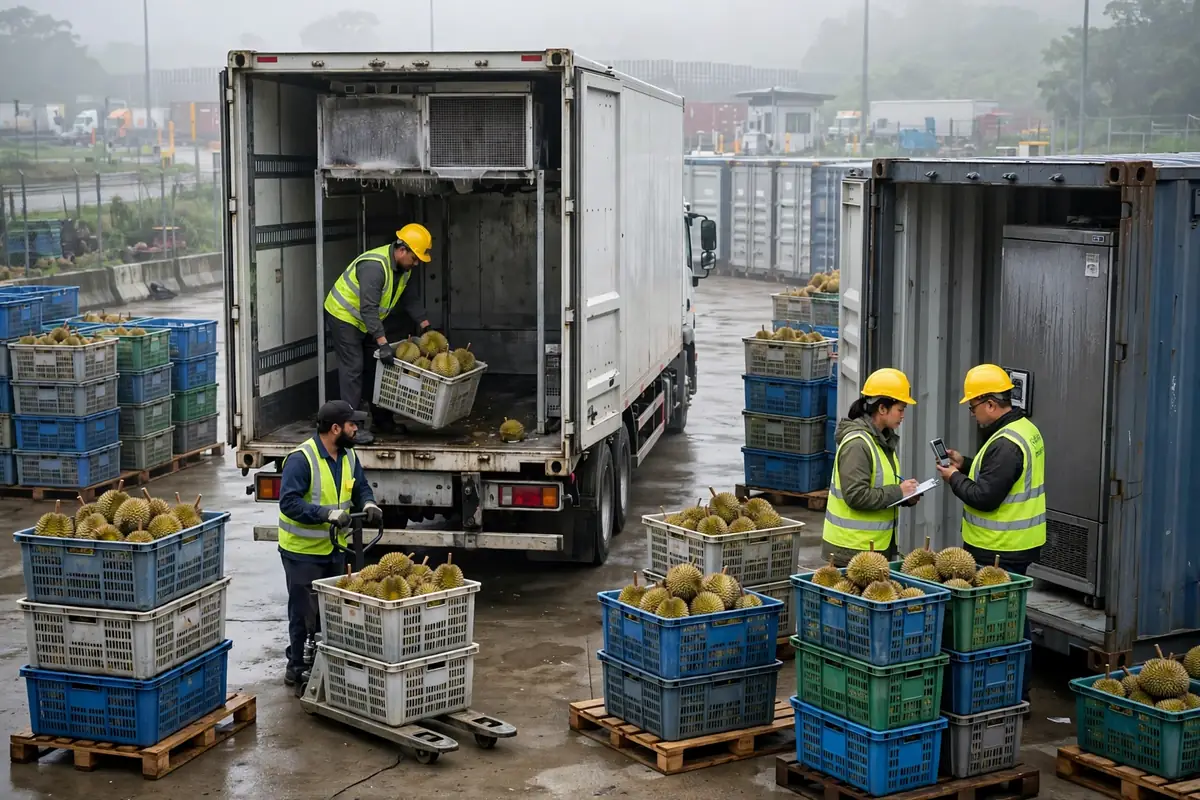
First, the conclusion: the Vietnam durian export cold chain most often breaks during the hours trucks spend queuing at the Friendship Pass, not on the road. The fruit can leave the Vietnamese packhouse perfectly pre-cooled, the reefer truck set to the right temperature, and then the queue does the damage. The engine switches off to save fuel, a door opens for inspection, the check drags on, pulp temperature climbs, and every hour of cold chain work before that point is wasted. The fix is simple to state and hard to do: design the border wait as a stage of the cold chain, not as a matter of luck.
The numbers first. Chinese customs data shows Vietnam exported 3.44 billion dollars of durians to China in 2025, up from 2.94 billion in 2024, a gain of about 500 million dollars. Thailand, still the largest supplier, was just under 4 billion and roughly flat. Vietnam only received approval to export fresh durians to China in 2022, so this volume was built in about three years, on the back of a 1,280-kilometre land border that makes road transport far faster than sea. Speed has a price. In early 2025 China tightened checks for cadmium and Auramine O, and in the first 40 days of the year Vietnam shipped only 3,500 tonnes to China, down 80 percent on the year before. One inspection rule tightened, and the whole lane jammed.
In the Vietnam durian export cold chain, pre-cooling done anywhere but the packhouse is no pre-cooling at all
I have seen this failure three times, and the script is always the same. Fruit comes in from harvest, gets graded and packed, goes onto a refrigerated truck, the driver sets the temperature and leaves. At the border, inspection finds pulp temperature several degrees above the setpoint, and the truck gets held. Why? A reefer truck holds temperature. It does not cool. Fruit loaded warm with field heat stays warm, ripening inside the truck all the way to the border.
The correct routine has four steps, and every step can be checked. Step one: pre-cool within 48 hours of harvest, using forced-air cooling for two to four hours, and bring pulp temperature down to the shipment requirement before packing. Step two: leave air channels when packing and palletising, so cold air can circulate instead of hitting a wall of cartons. Step three: measure pulp temperature with a probe thermometer before loading. Do not trust the truck's display panel. Step four: put a temperature logger with the cargo and start recording at the packhouse, not at the border.
One honest warning about temperature ranges, so nobody treats a single number as gospel. A Thai study of the fresh durian cold chain ran refrigerated containers at around 15 degrees Celsius after pre-cooling at the packhouse. A shipping-line commodity guide lists fresh durians at 3 to 4 degrees and 90 percent humidity. Those numbers are far apart because variety, maturity, and buyer requirements differ. My rule is to follow the temperature written in the buyer contract and the carrier's instructions, and if the contract does not state one, confirm it in writing before dispatch. A chat message does not count. The contract or the shipping note counts.
At the Friendship Pass, what queues is temperature, not trucks
The Friendship Pass is the main land crossing from Lang Son in Vietnam into Guangxi in China, and in peak season a wait of several hours is normal. Queuing itself is not the danger. An unmanaged queue is. Drivers switch the engine off to save fuel and the refrigeration unit stops. Inspection opens a door and hot air pours in. One document mismatch holds the truck in the yard overnight. Pulp temperature climbs, and the fruit's shelf life drains away by the hour.
Here is the border checklist I give clients. Tick each item before the truck leaves. First, verify the paperwork in advance: orchard and packhouse registration numbers, the phytosanitary certificate, and the test reports all match. Inspection rules change, so confirm them against the latest official policy. Second, fill the fuel tank and plan for the refrigeration unit to keep running through the queue, with a refuelling arrangement in the driver's hands. Third, keep inspection openings fast: open one door, finish, close it at once, never leave both doors standing open while waiting. Fourth, carry two probe thermometers and measure pulp temperature every two hours in the queue. If it passes the contract temperature, call the cargo owner immediately instead of discovering the problem on the Chinese side.
One real case is worth remembering. In September 2025, the Central Highlands hit peak harvest, and Vietnam's fresh whole durian exports to China jumped to 320 containers for the month, up from 150 in August. When volume doubles, border pressure doubles with it. Whether cargo moves depends on the small things being done right in advance: documents in order, temperature steady. At high volume, inspection does not relax because you are in a hurry. It moves fast only when your papers are clean and your temperature holds.
The table below is a hypothetical example. The figures are built around a typical truckload to show the arithmetic, not a real quotation.
| Item | Hypothetical example |
|---|---|
| Load per truck | Assumed about 16 tonnes of fresh durian |
| Extra border wait | Assumed 12 additional hours, pulp temperature rising |
| Share downgraded on arrival | Assumed 10 percent of the load |
| Price cut per kilo | Assumed 1 dollar |
| Direct loss per truck | About 16,000 x 10% x 1, about 1,600 dollars |
| Detention and re-inspection | Assumed a further 500 to 800 dollars |
| Total loss per truck | About 2,100 to 2,400 dollars |
Two thousand dollars on one truck sounds small. Run five trucks a week in peak season and it is over ten thousand dollars a week. Worse, once the temperature breaks, the whole load's shelf life is discounted, and the buyer's first question on the next order will be how long the last load waited at the border.
Vietnam durian failure points: three mistakes to stop making
First, applying frozen durian temperatures to fresh durian. Frozen durian pulp travels fine at minus 18 degrees. A whole fresh durian cannot be frozen that way; the flesh turns watery and the buyer rejects it on cutting. Two products, two chains, never one temperature sheet.
Second, logging the truck instead of the fruit. The display can read 15 degrees while the pulp is still above 20. Inspection cares about the temperature of the fruit itself, not the number on the screen.
Third, treating the border wait as a surprise. Queuing in peak season is not a surprise. It is the norm. Build the wait into the shipping plan, and have fuel, thermometers, documents, and a contact person ready before the truck reaches the border, not after it is stuck there.
Here is the counterintuitive judgement: the Vietnam durian export cold chain is not won by driving fast. It is won by waiting well. The land route's biggest advantage is speed, and its biggest risk is also speed, because everyone assumes no buffer time is needed, and then one queue breaks the whole chain. Put the wait inside the cold chain, and the chain is complete.
Run the departure checklist once more: pre-cooling done? Pulp measured? Three documents matched? Tank full? Thermometers on board? Five ticks, then the truck leaves. One item unticked, and the truck stays at the packhouse gate.
By Lin Xiao, WMS Implementation Consultant