I'll be honest with you: my warehouse is 3,000 square feet of rented, two-story, seen-better-days industrial space. Receiving and shipping happen downstairs; storage and picking live upstairs. When we first moved in, everything between floors traveled by human being — cartons stacked on a hand truck, two guys hauling it up the stairs, dozens of trips a day.
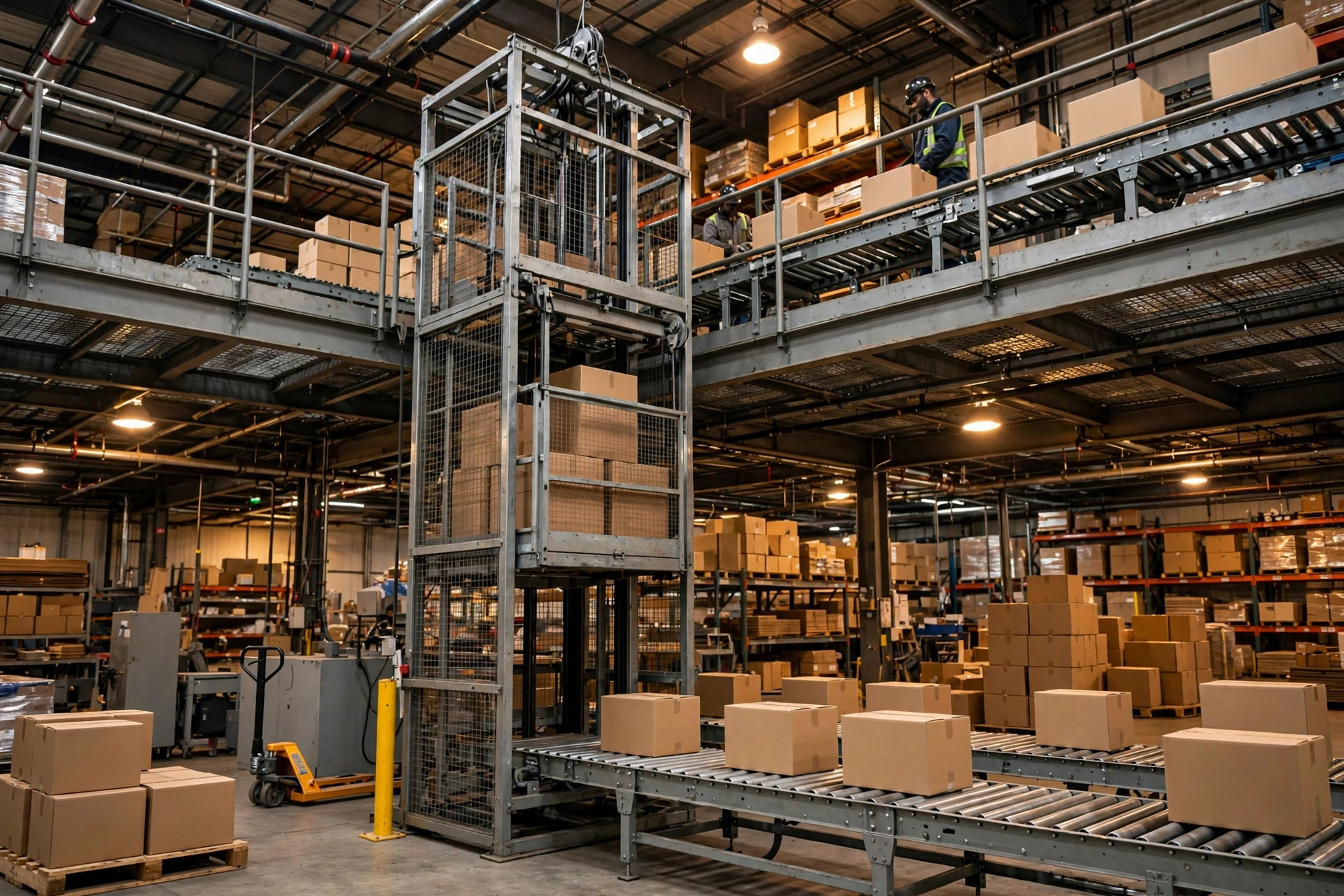
Of course I looked at the fancy option. A sales rep came by with a beautiful slide deck: a vertical reciprocating lift, press a button, pallets ride up and down by themselves, tie it into a conveyor line, fully automatic, very impressive. Then I asked the price and he smiled: "Somewhere in the low six figures to get started." My only thought: a small warehouse like mine cannot afford to burn money like that.
But freight still had to go up, and freight still had to come down. So we went the scrappy route. Here's exactly how that played out.
How We Got Desperate Enough to Fix This
The two weeks before last year's peak season were the ugliest we've ever looked. The upstairs pick zone needed to send three to four hundred cartons downstairs every single day, all by hand. On the worst day the stairwell jammed three times, two cartons burst open on the steps, and a customer complained about a crushed corner on their delivery. Then the people part hit: one of my two haulers threw out his back and missed a week, and the other quit outright, saying food delivery paid better and hurt less.
Meanwhile, my neighbor Lao Wang — his warehouse is a size up from mine — had installed a vertical lift the year before, dedicated to full pallets. He ran the numbers for me over tea: no more manual hauling, sure, but the electric bill crept up every month, and once a year came the maintenance visit, plus belts and chains as consumables. His exact words: "The machine gave me peace of mind. My wallet, though — it hurt for a whole year before it recovered."
Putting those two stories side by side taught me something: the big-company automation playbook doesn't fit us, not because we're unsophisticated, but because our volume and our cash flow can't support that game. We didn't need "state of the art." We needed "nothing stops, nobody gets hurt, nobody goes broke."
The Scrappy Fix: One Spiral Chute Kept Us Alive
We went with a spiral chute — one of those stainless-steel corkscrew slides. Toss a carton in at the top on the second floor, gravity does the rest, and it lands at packing downstairs. No motor, no controls, no software.
The beauty of it is how dumb it is, and I mean that as praise: no electricity, no electronics, nothing to configure. We cut an opening in the second-floor slab (landlord agreement signed first, with a restoration clause for when we move out), dropped the chute through, and aimed the exit at the packing tables. Picked cartons go into the slide, whoosh, downstairs, and the packers catch them straight into boxes.
Scrappy doesn't mean careless, though. Three lessons we learned the hard way:
First, heavy freight gets its own lane. Anything one person can't comfortably carry never goes down the chute. We parked a cheap hydraulic lift platform next to it for heavy items and full pallets. Don't ask one slide to do everything — the whole philosophy of the scrappy route is divide and conquer.
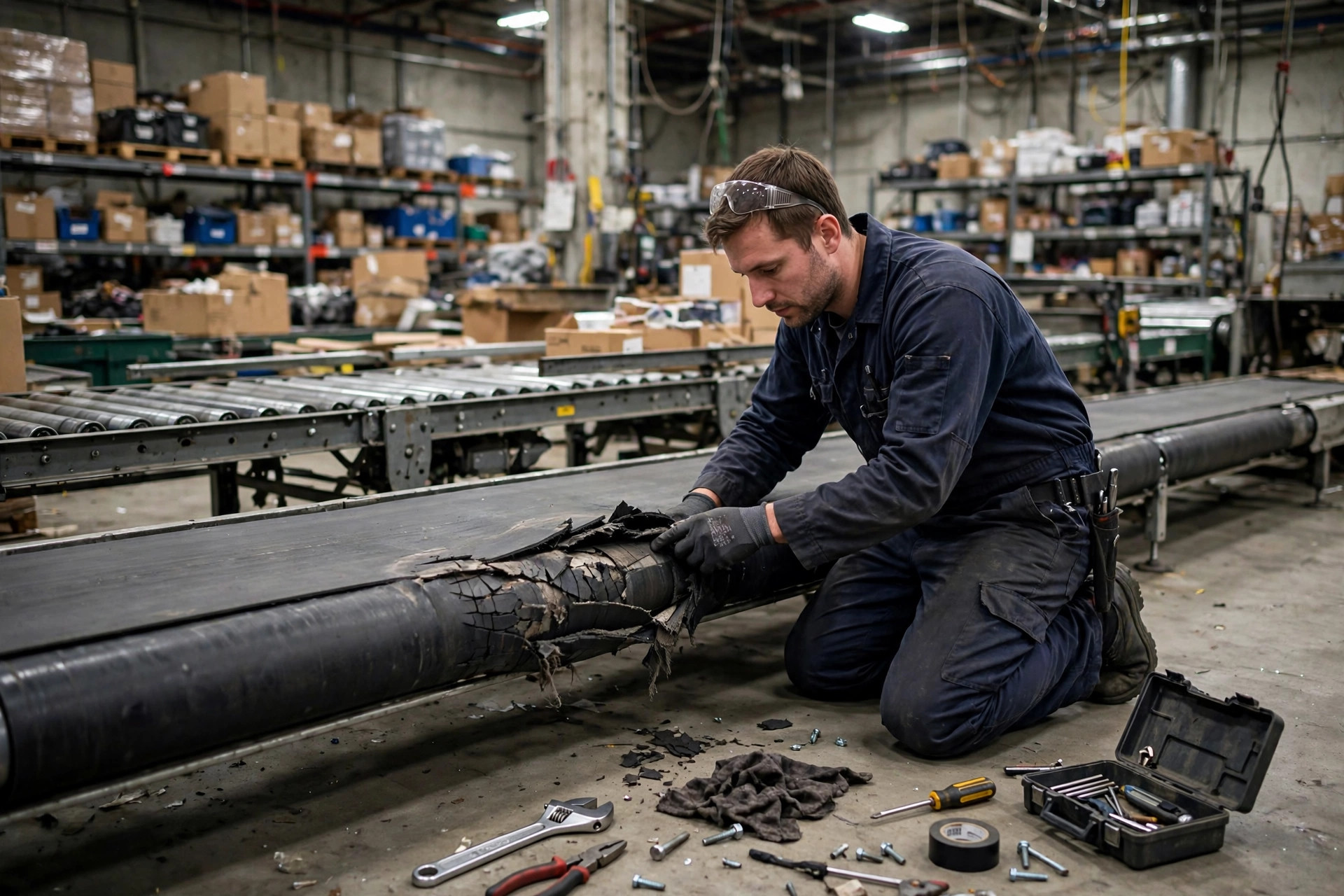
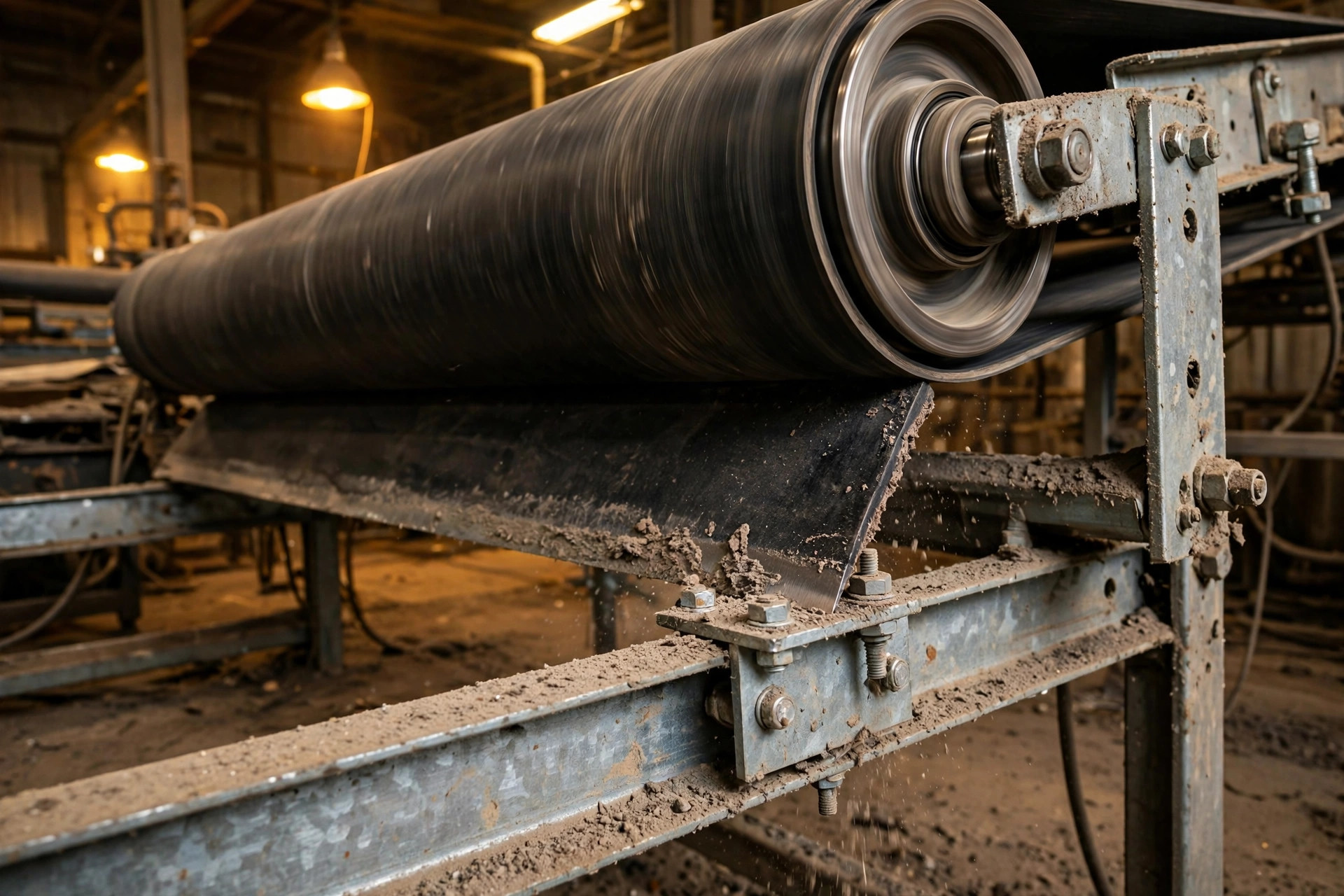
Second, cushion the landing. At first, cartons smacked straight onto the concrete — light ones dented, heavy ones split. We laid two strips of old conveyor belt at the exit as a buffer ramp. Problem solved, cost zero. The belts were castoffs from Lao Wang's upgrade, by the way. One warehouse's trash, another's treasure.
Third, wipe down the slide. Cardboard dust builds up inside and cartons start dragging instead of gliding. Ten minutes with a rag once a month. Nobody tells you this — least of all the salesperson.
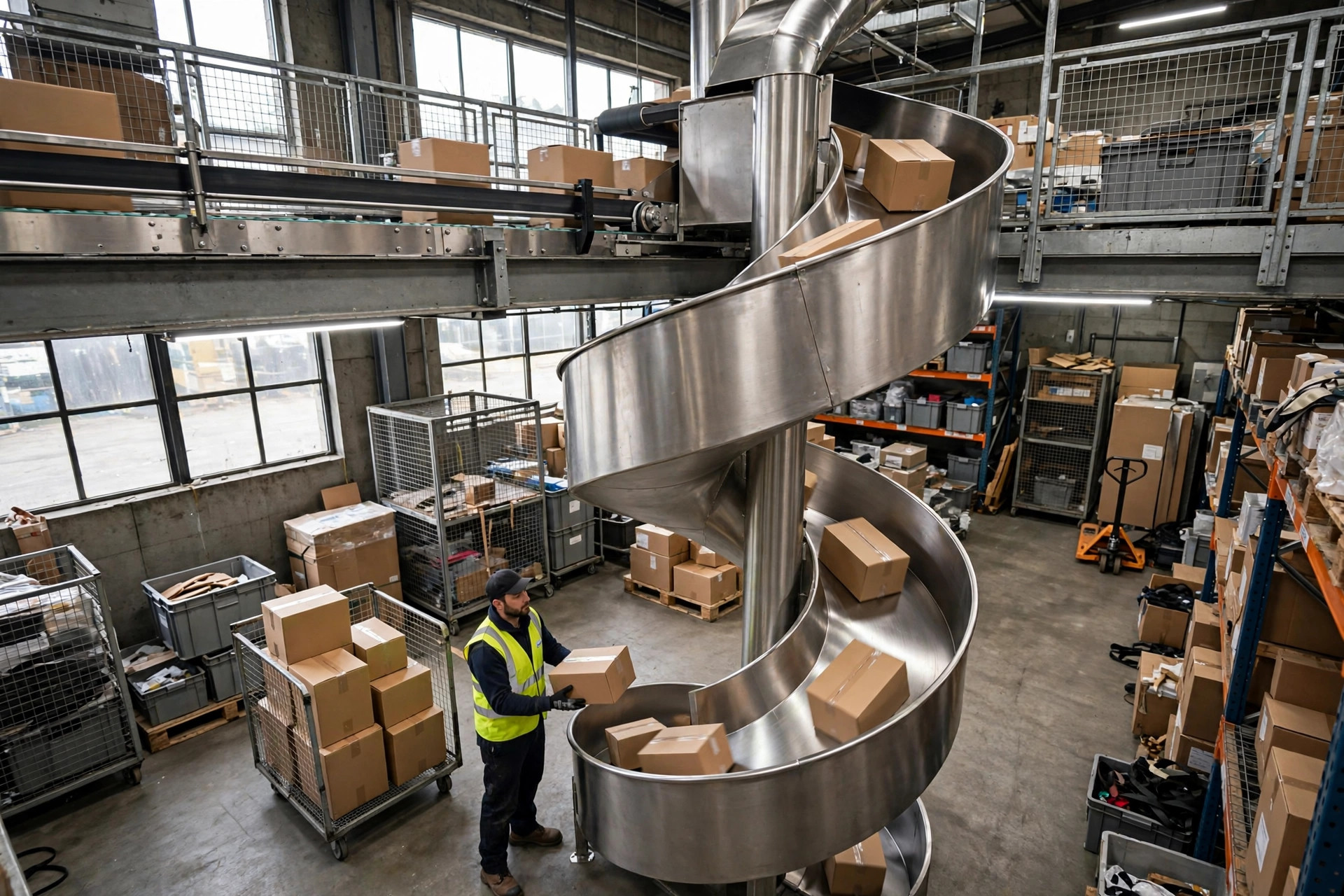
The results? In the first month, upstairs-to-downstairs hauling went from three people to one (all he does is feed cartons into the chute mouth). The other two moved to quality check and packing. The stairwell never jammed again. Crushed-carton complaints dropped to zero. And the cost? Let's just say the whole chute setup ran a small fraction of what a vertical lift would have cost — check current manufacturer quotes for your market, but for us it was a wince-and-pay-it number, no loan required.
Let's Do the Math: A Side-by-Side
Stories are nice, but let's put it in a table. I'm giving relative costs on purpose — quotes vary wildly by vendor, and a specific number from me would just mislead you:
| Spiral chute | Vertical lift | |
|---|---|---|
| Upfront cost | Low — a fraction of the alternative | High — low six figures is typical to start |
| Power | None | Runs on electricity, forever |
| Maintenance | Near zero, wipe it down | Belts and chains wear out, scheduled service |
| Direction | Down only | Both directions |
| Best freight | Light cartons, small parcels | Full pallets, heavy and bulky goods |
| Throughput | Fast per piece, but don't overfeed it | Programmable pace, steadier in continuous flow |
| Footprint | About one column's worth of floor | Needs a pit or shaft, more civil work |
And here's the three-question decision framework we use internally — answer honestly and the choice makes itself:
- Does your freight mostly go down, or both ways? Down only (pick upstairs, ship downstairs) — take the chute and don't look back. Both directions — start pricing lifts.
- How heavy is your heaviest regular item? If one person can carry it, the chute handles everything. If you're regularly moving pallets, skip the chute — it'll buckle, and don't ask how I know.
- How thick is your wallet? If cash flow is tight, put in the chute, stay alive, and upgrade when order volume doubles. Equipment exists to make money, not to be worshipped.
The Counterintuitive Part: "Down Only" Turned Out to Be a Feature
Here's the contrarian take: the chute's biggest limitation forced us to fix our process.
Before the chute, upstairs did picking and packing, downstairs did receiving and shipping, and people hauled stuff both directions all day — chaos with extra steps. Because the chute only goes down, we had to make a call: upstairs is storage and picking only, downstairs is receiving, packing, and shipping only. Freight flows one way. Three months later our travel paths were visibly cleaner and pickers spent less time hunting for stock.
Meanwhile I've watched peers spend big on bidirectional lifts while their process stayed a mess — freight going up and down with no logic. Equipment solves a muscle problem; process solves a brain problem. Don't buy expensive equipment as a substitute for thinking.
There's a second trade-off nobody mentions in the sales deck: a vertical lift saves visible labor and costs invisible money — power, maintenance, inspections, spare parts, drip by drip, year after year. A small warehouse budgets month to month; big companies model returns over five years. We're not even the same species — don't apply their math to our lives.
Straight Talk for Fellow Small-Budget Operators
Go scrappy first, rent before you buy. Chutes and lift platforms have a healthy secondhand market. Somebody's failed startup is your half-price equipment listing — our hydraulic platform is secondhand, two years in, zero issues.
Talk to the landlord before you cut the floor. A chute needs a slab opening, which means fire stopping and structural sign-off. Get the written agreement first.
Don't build the final version on day one. Our roadmap: chute now, orders grow, add a used lift for pallets later. Small steps, each funded by profit. A small warehouse survives on profit, not on loans.
Price the total, not the tag. When a vendor quotes you, ask three follow-ups: annual maintenance cost? Consumable parts cost? If it breaks, how fast can a tech get here? Those three questions filter out half the sketchy suppliers.
These days our daily rhythm sounds like this: pickers upstairs feed cartons into the slide, you hear the whoosh-whoosh, and packers downstairs catch them at the tables. Nobody's back is breaking. My wallet survived. We made it through peak season without hiring a single extra hauler.
The full-auto vertical lift setup looks genuinely sweet. We can't use it, and we're not jealous. When our orders triple, I'll invite the sales rep back for tea.
small warehouses have their own way of surviving.
By Xiao Ma, Small Warehouse Owner