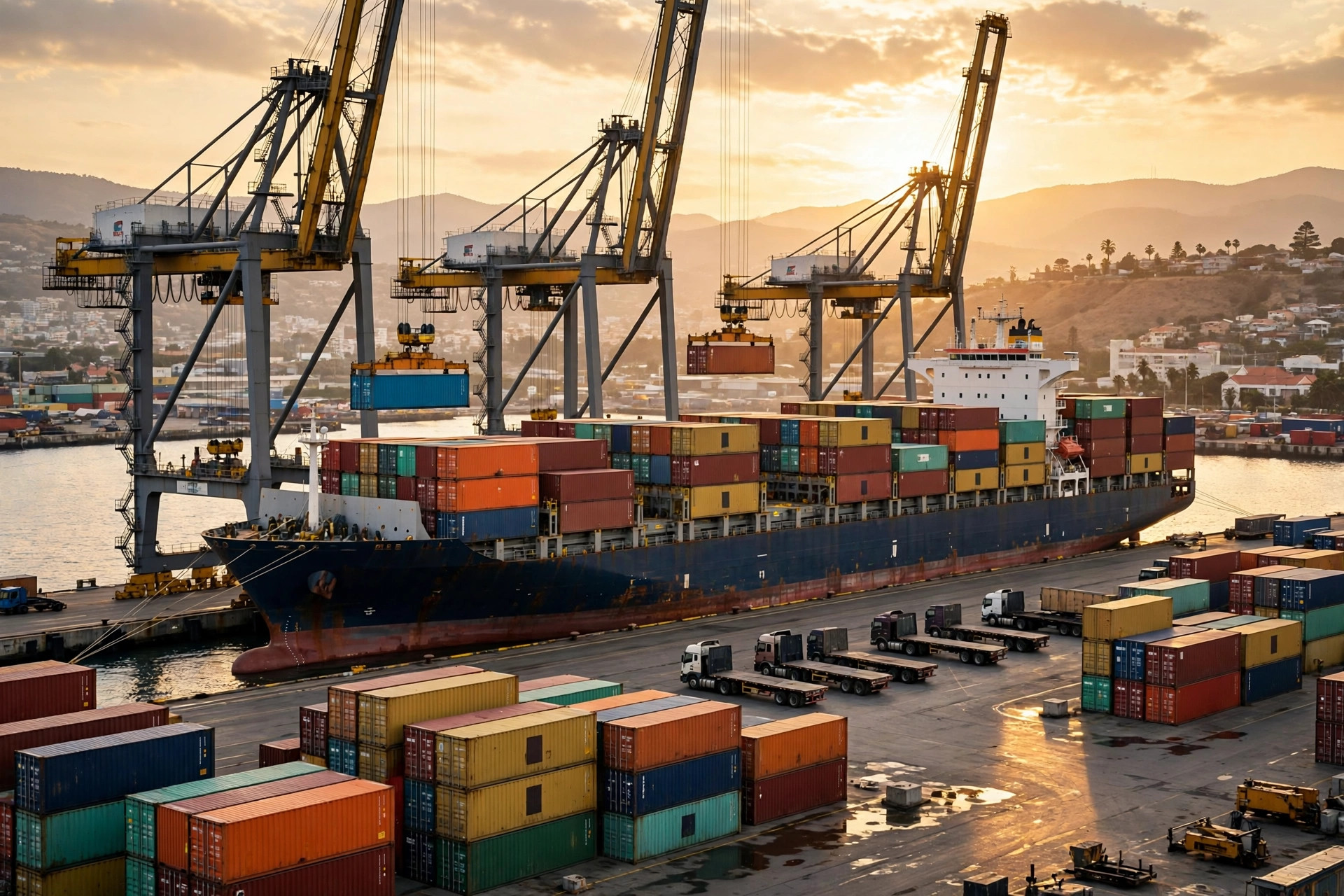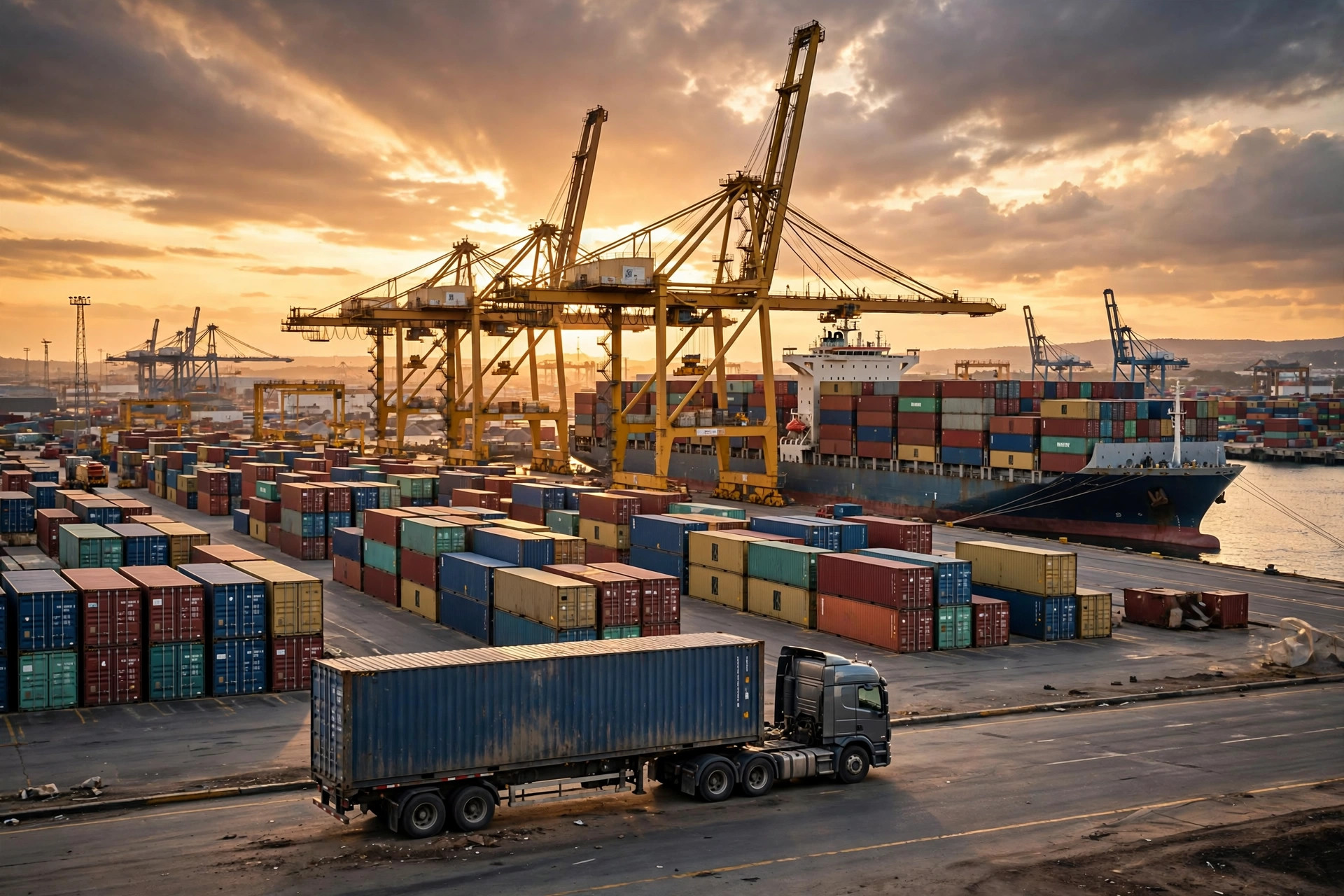
One of our clients ships American-style furniture out of Shenzhen. Last fall, a 40-foot high-cube sailed from Yantian bound for the Port of Los Angeles. The day it arrived, he called me, and I could hear the panic in his voice: "Susan, the steamship line says customs is holding my container. What do I do?"
One question told me everything: nobody had filed his ISF. The vessel was already halfway across the Pacific, and not a single line of the 10+2 had been transmitted. Customs put a hold on the box, and it sat at the terminal for nine days.
Let me translate those nine days into money, because that is the language that matters here. Terminal free time is usually four to five days; after that, demurrage and terminal storage tick up every single day. The cargo was worth north of $80,000, and his Amazon warehouse delivery appointment was already booked — miss it and you rebook, and the whole sales plan slides. I will not quote you a penalty figure for the ISF violation itself — CBP's liquidated-damages schedule is whatever it currently publishes, so check their site — but the demurrage and storage were real money, burning daily at a rate that dwarfed his entire annual customs brokerage bill.
After that mess, I sat him down and walked his whole clearance process end to end. Today I am laying it all out, from the broker's side of the desk — the stuff people in my seat usually keep to themselves.
The fight starts 24 hours before loading
Most importers think customs clearance begins when the vessel arrives. Wrong. The first shot in a US import is the ISF — the Importer Security Filing, the "10+2" — which must be transmitted at least 24 hours before the cargo is loaded at the foreign port. The "10" is ten data elements from the importer: seller, buyer, manufacturer, ship-to party, country of origin, HTS codes, and so on. The "+2" comes from the carrier: the vessel stow plan and the bill of lading details.
Here is what your broker will not volunteer: ISF liability sits with the importer, always. Your forwarder can file it on your behalf, but if it is wrong or late, the penalty notice has your name on it. Too many clients treat the ISF as "the forwarder's little chore." That is trap number one. My move: write timely ISF filing into the forwarder contract, with a line spelling out who eats the cost if it goes in late. In writing, not over the phone.
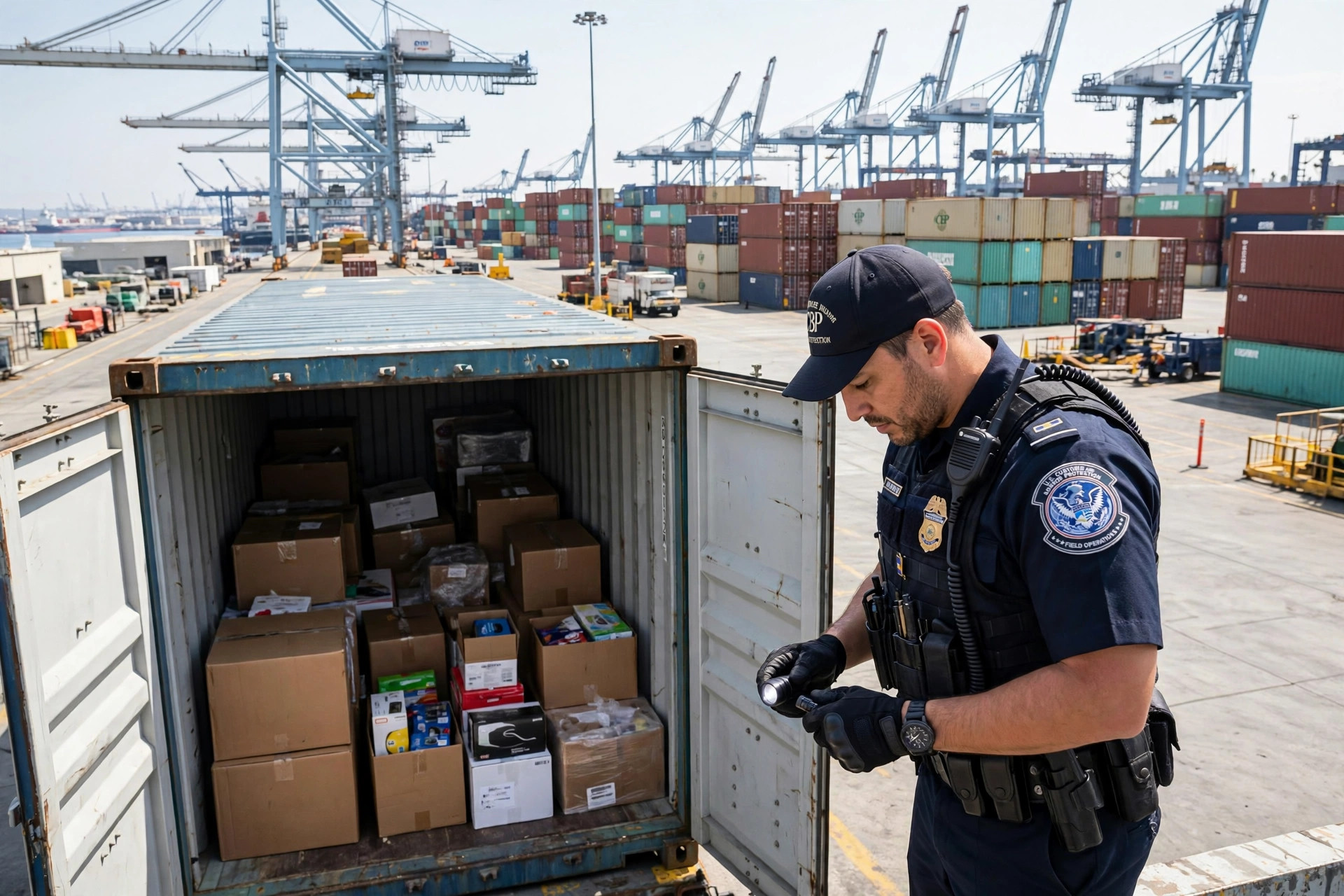
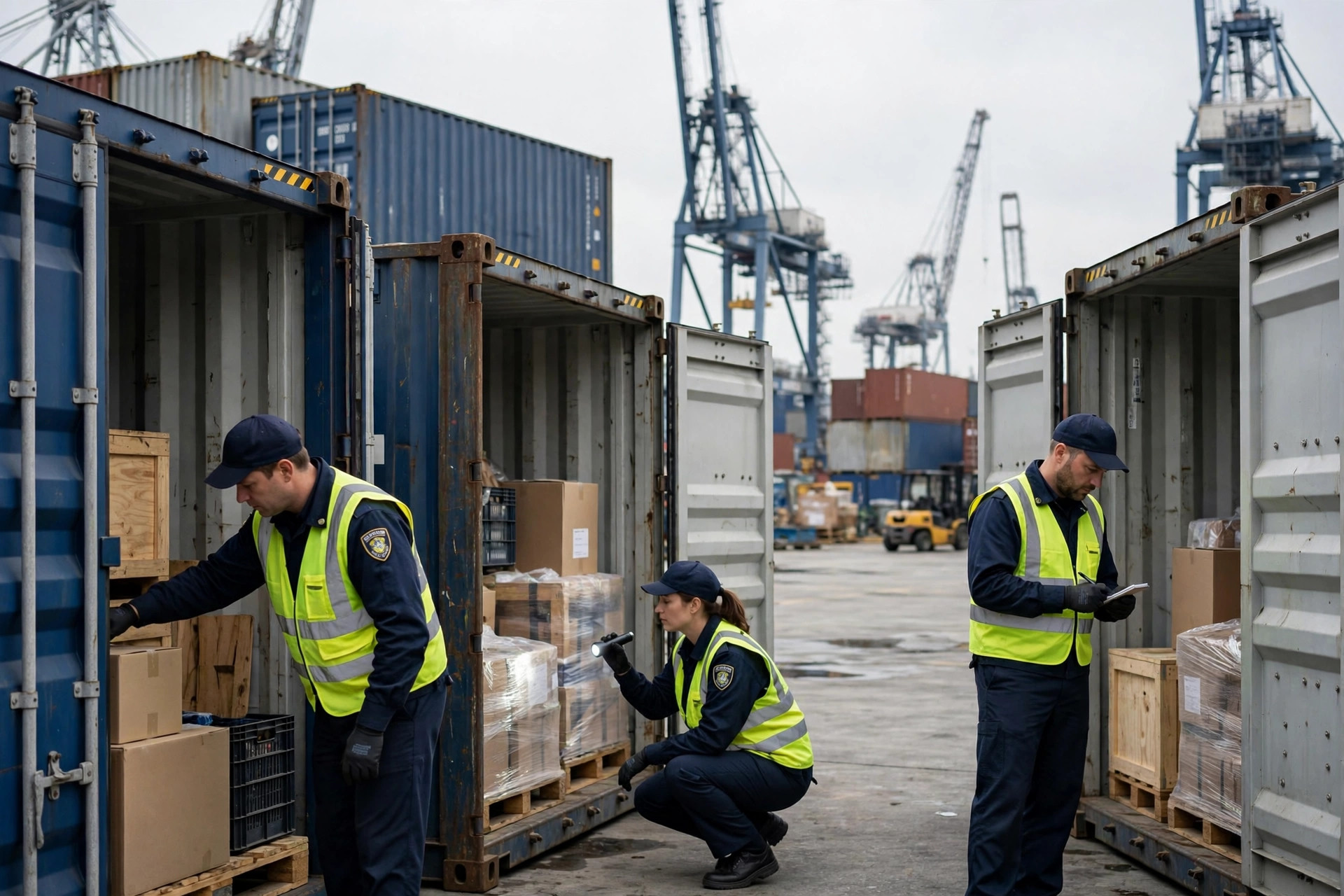
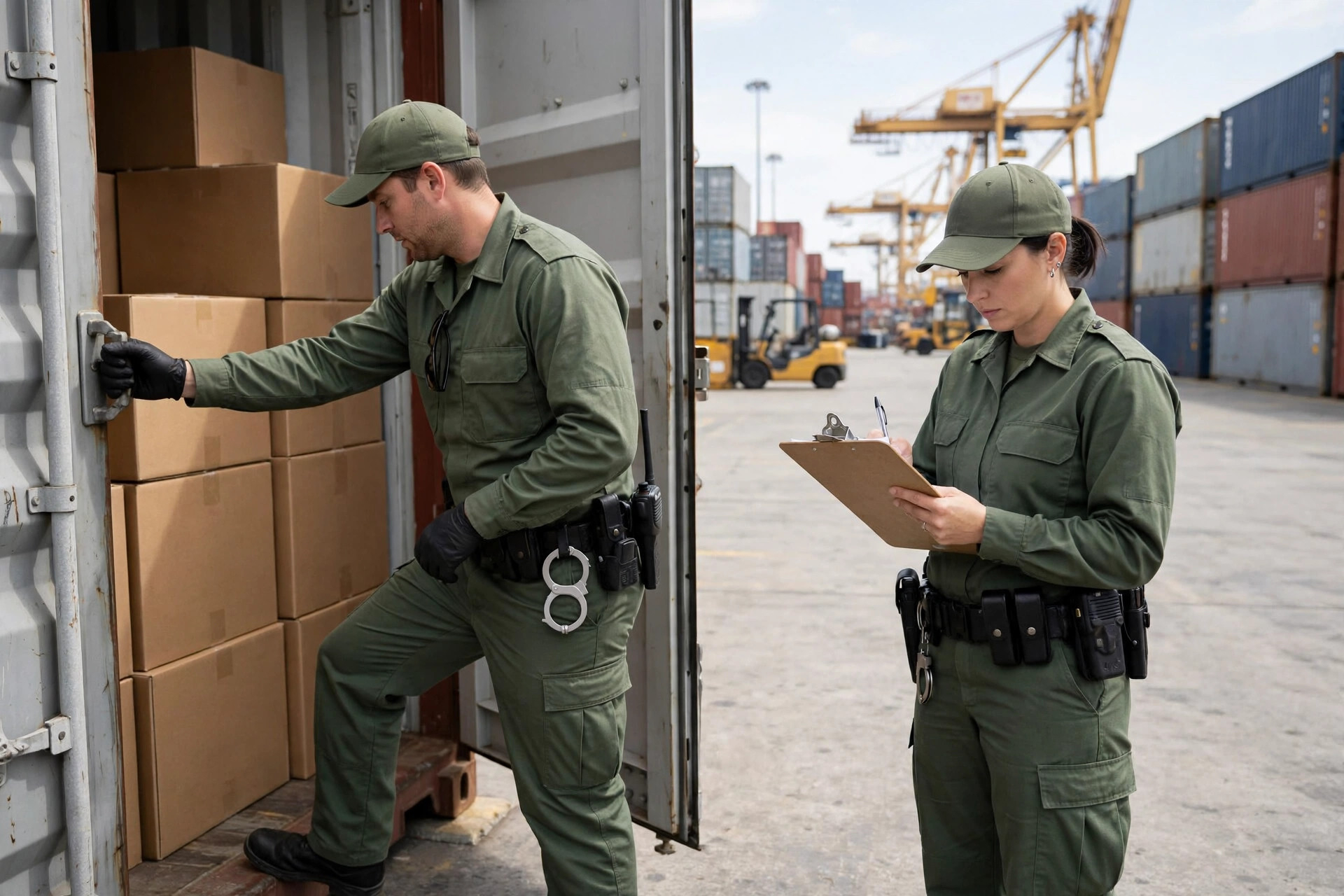
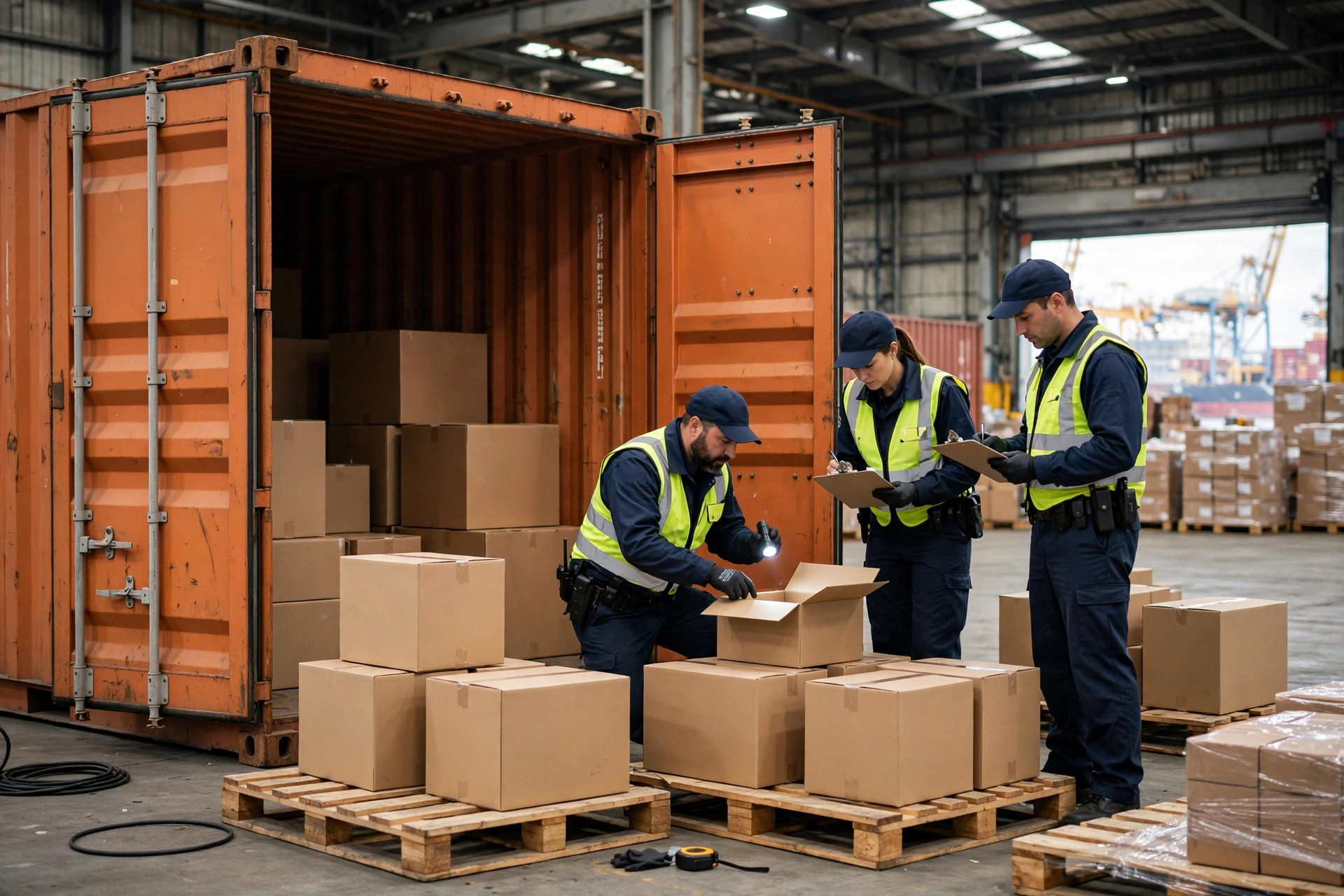
Second story — the exam. Same furniture client, older and wiser now, documents all in order. Then one shipment gets flagged for a customs exam at Long Beach. There are two flavors: a non-intrusive X-ray scan, or a full devanning where officers open the box and go through your pallets. His drew the full exam. The exam itself costs nothing — CBP does not charge you for the inspection — but the money leaks out everywhere else: drayage to the exam site, the exam yard's daily storage and handling fees, the labor to strip and reload the container. That one exam took six days and cost him roughly what he would pay a broker for half a year of entry filings.
So here is the counterintuitive takeaway: the most expensive part of customs clearance is never the brokerage-fee line on your broker's invoice. It is the paperwork you did not get right. A clean document set versus a messy one can mean a several-fold difference in total clearance cost — and nearly all of that difference traces back to exams, demurrage, and storage caused by sloppy data.
After arrival, time is literally money
Here is the timeline I give every client. Memorize these milestones and you will stay out of trouble:
| Milestone | Deadline | What happens if you miss it |
|---|---|---|
| ISF filing | At least 24 hrs before vessel loading | Penalty exposure plus a hold on arrival |
| Arrival notice | About 5 days before vessel arrival, issued by the carrier | Nobody acts on it, and entry filing slips |
| Entry filing | Within 15 days of arrival | Cargo goes to a General Order warehouse, at your expense |
| Exam (if selected) | When notified — cooperate and wait | Drayage and exam-yard costs, timeline out of your hands |
| Release and pickup | After CBP release, with terminal charges settled | Demurrage accrues daily once free time expires |
A practical note on the entry package itself: your broker needs the commercial invoice, the packing list, and the bill of lading before the vessel arrives. If any of the three is still being "finalized" the week the ship docks, you are already behind — because entry cannot be filed on promises.
One trade-off people rarely think through: file the entry early or late? Early means release-on-arrival and fast pickup — right for cargo on a tight sales calendar. But early filing demands complete documents up front, and any change, say an adjusted value, means amendments. My rule of thumb: for routine cargo, hand the entry package to your broker before the vessel arrives. You lose nothing, and you buy certainty on arrival day.
Now the insider bit on bonds. US imports require a customs bond, and there are two kinds: the single transaction bond, bought per shipment, and the continuous bond, good for a year and covering everything you import. Most brokers will not push you toward the continuous bond — because on single-transaction bonds they collect a service fee from you on every shipment. Do your own math: once you are past a handful of shipments a year, the continuous bond's annual cost amortizes well below per-shipment singles, and you skip the wait for each bond to take effect. The break-even depends on your cargo value and duty rates, so make the broker run both scenarios before you sign instead of accepting their default.
Three questions for your next contract negotiation
First, ask your forwarder: "Who files the ISF, and who pays if it is late?" Get the answer in the contract, not in a phone call.
Second, ask your broker: "If this shipment gets examined, what do the drayage, exam-yard, and storage costs realistically run — and do you have a partner exam site where we can control that spend?" A broker who answers straight is a broker who actually does the work.
Third, ask yourself: "How many shipments am I running this year — and which is cheaper for me, single-transaction or continuous bond?" Once volume picks up, the continuous bond is nearly always the answer. Do not let the broker default you into singles for another year.
Clearance is not a contest over whose broker is fifty dollars cheaper. It is won by whoever's documents have no errors and whose milestones never slip. Run the process tight, and clearance stays a quiet back-office function. Run it loose, and it becomes the loudest problem in your supply chain.
By Susan, 3PL Sales Director