Stop waiting for de minimis to come back. It's not coming back. The $800 free ride ended on August 29, 2025, and Congress has now made it permanent: Section 321 dies by statute on July 1, 2027. That's not a pause. That's a funeral.
Let me separate this from the October 13 piece first. That one was strategy: de minimis is gone, so how do you rewire your fulfillment model — overseas warehouses, domestic shipping, SKU cuts. This piece is operations: if you still have goods that must fly direct by international post, how do you actually walk the new CBP Entry Type 13 pilot channel for low-value imports. Different layer, different job.
The backstory in one breath: China and Hong Kong lost it first on May 2, 2025. Executive Order 14324 extended the $800 duty-free suspension to every origin on August 29, 2025, killing Type 86. EO 14388 kept the suspension alive on February 20, 2026. On June 24, 2026, CBP wrote it into its own regulations through two interim final rules and retired Entry Type 86 for good. The numbers are brutal: 1.36 billion de minimis parcels worth $64.6 billion in FY2024, down to 942.5 million parcels worth $48.1 billion in FY2025. CBP says it has already collected over $1 billion in duties from 246 million sub-$800 shipments since the suspension.
CBP Entry Type 13 Pilot: Who Is This Door Actually For
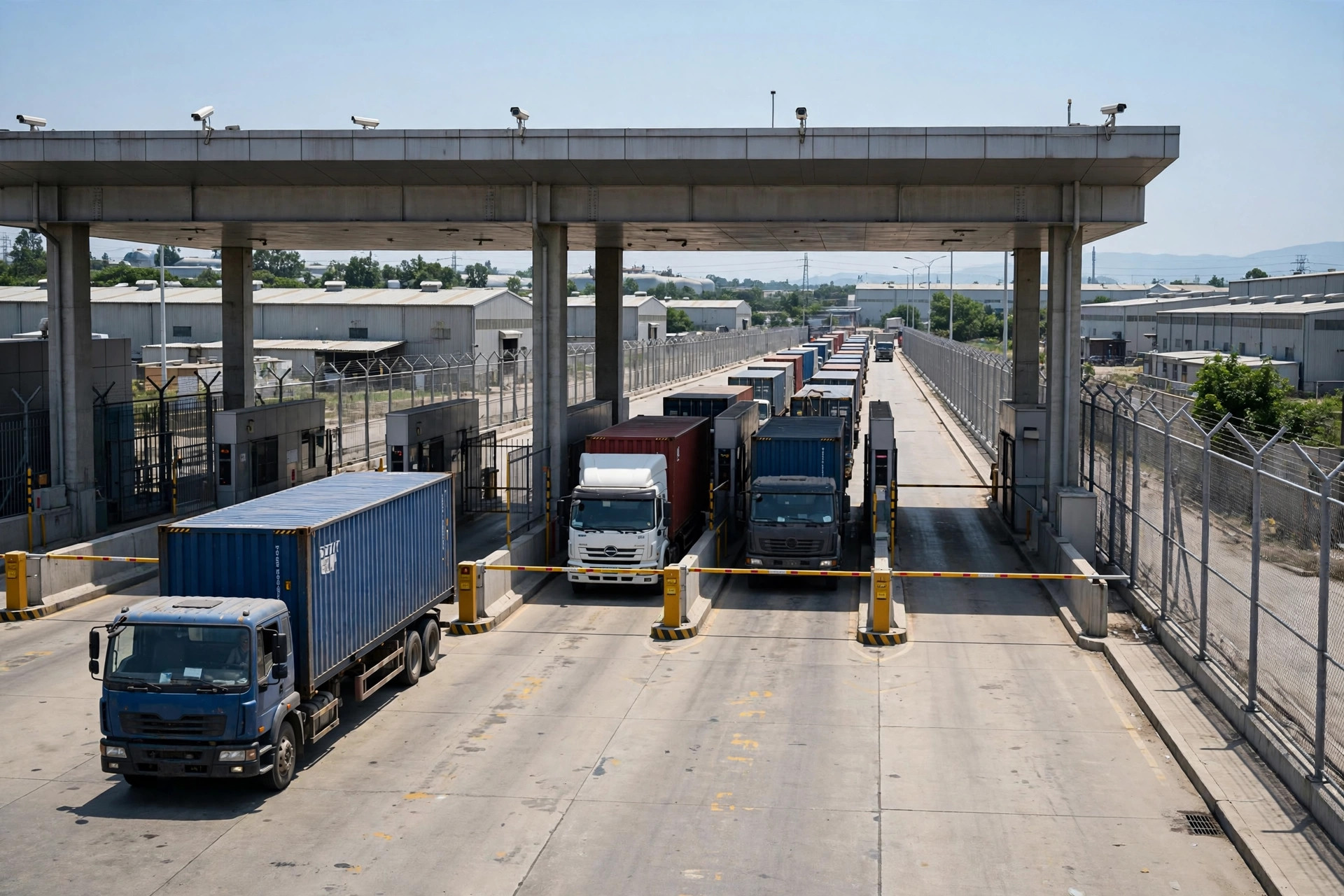
In late September 2026, CBP quietly switched on the Entry Type 13 test inside ACE — an electronic informal entry process for low-value imports moving through the international postal stream. (Exact go-live date: check CBP's latest policy — it was announced via Federal Register notice 91 FR 38007.) Three qualifiers, and every one of them matters:
First, international postal channel only. UPS, DHL, FedEx commercial express doesn't use this. Type 13 is for parcels entering through the universal postal network — the stuff you ship from China via postal small packets or EMS into the US.
Second, $2,500 or less. Same ceiling as Type 11 informal entry. Above $2,500, you're filing a formal Type 01 entry like everyone else.
Third, it's a voluntary test right now. The mandatory date was supposed to be October 22, 2026; CBP just pushed it to January 20, 2027. Those three months are a rehearsal window, not a nap window.
Who can't use it: anything subject to antidumping or countervailing duties (AD/CVD) or quotas goes formal entry, no exceptions. If you sell textiles, steel products, or certain chemicals, check whether your HTS is on the AD/CVD list before anything else.
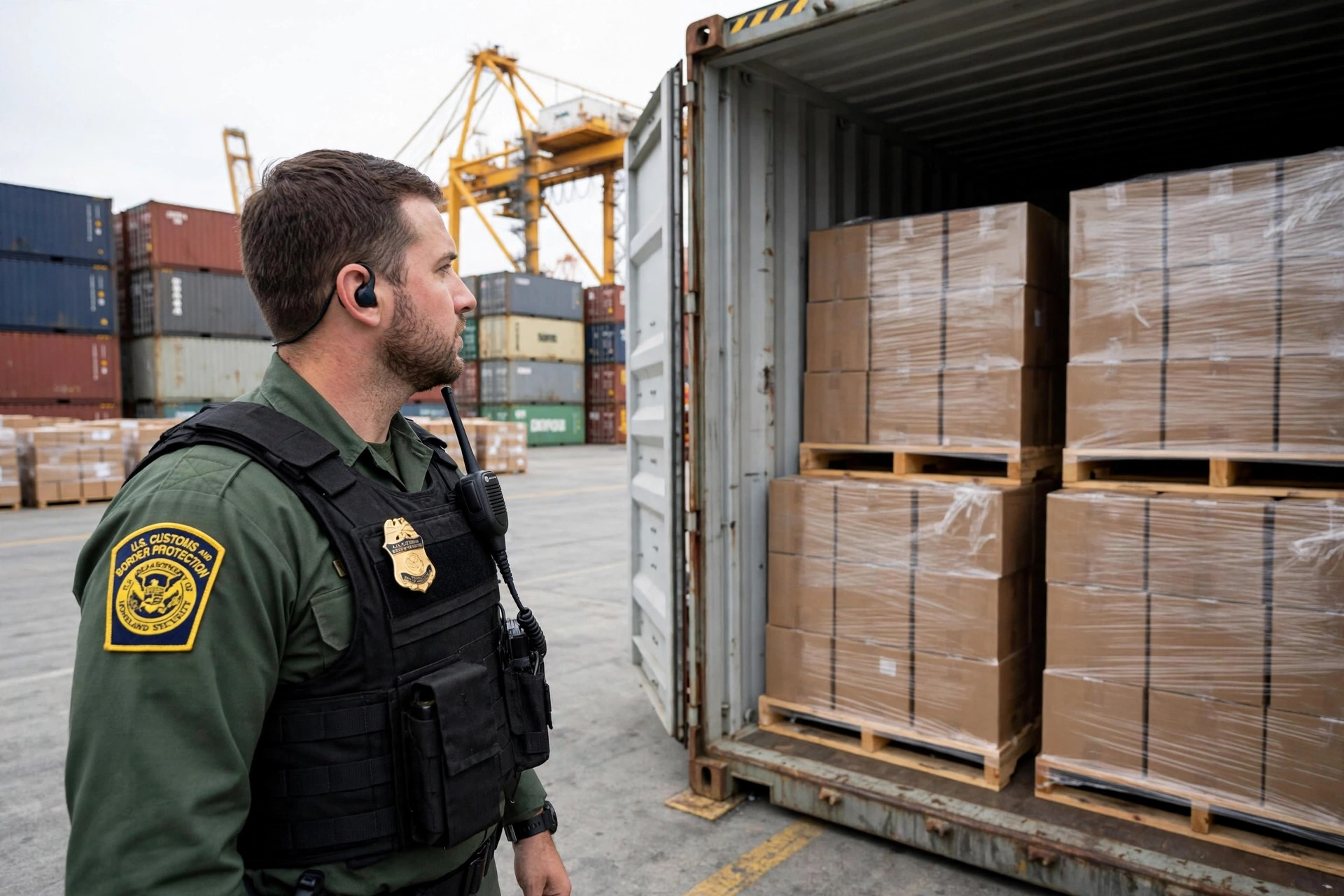
Here's the counterintuitive part, and I'll say it upfront: the Entry Type 13 pilot is not a new duty-free channel. You pay every cent of duty. What it fixes is process. The old postal game — vague product descriptions sailing through — is dead. Now CBP wants your data up front: importer of record number, 10-digit HTS classification, country of origin, value, duty rate and total duty owed, carrier name, and the foreign postal operator's tracking number. It saves you from seizures and manual exams, not from taxes. If you're banking on it to cut your tax bill, wake up.
Filing Under the CBP Entry Type 13 Pilot: Three Steps, and the Right Person Matters Most
A small seller can't do this solo. The whole game is finding the right person.
Step one: confirm your goods qualify for the postal channel. Under $2,500, no AD/CVD, no quotas, shipping by postal packet or EMS — you probably qualify. Not sure? Ask your forwarder one question: "Can my shipments file under Type 13?" If they can't answer, change forwarders.
Step two: get your filing data ready. CBP wants: importer of record number (yours or your US importer), merchandise description, country of origin, 10-digit HTSUS code, value, applicable duty rate and total duty owed, carrier name, and the foreign postal operator tracking number. The number-one trap is the 10-digit HTS classification — misclassify and you're looking at back duties or fines. What I do: pay a professional classifier to do my top 20 SKUs once, build a table, reuse it forever.
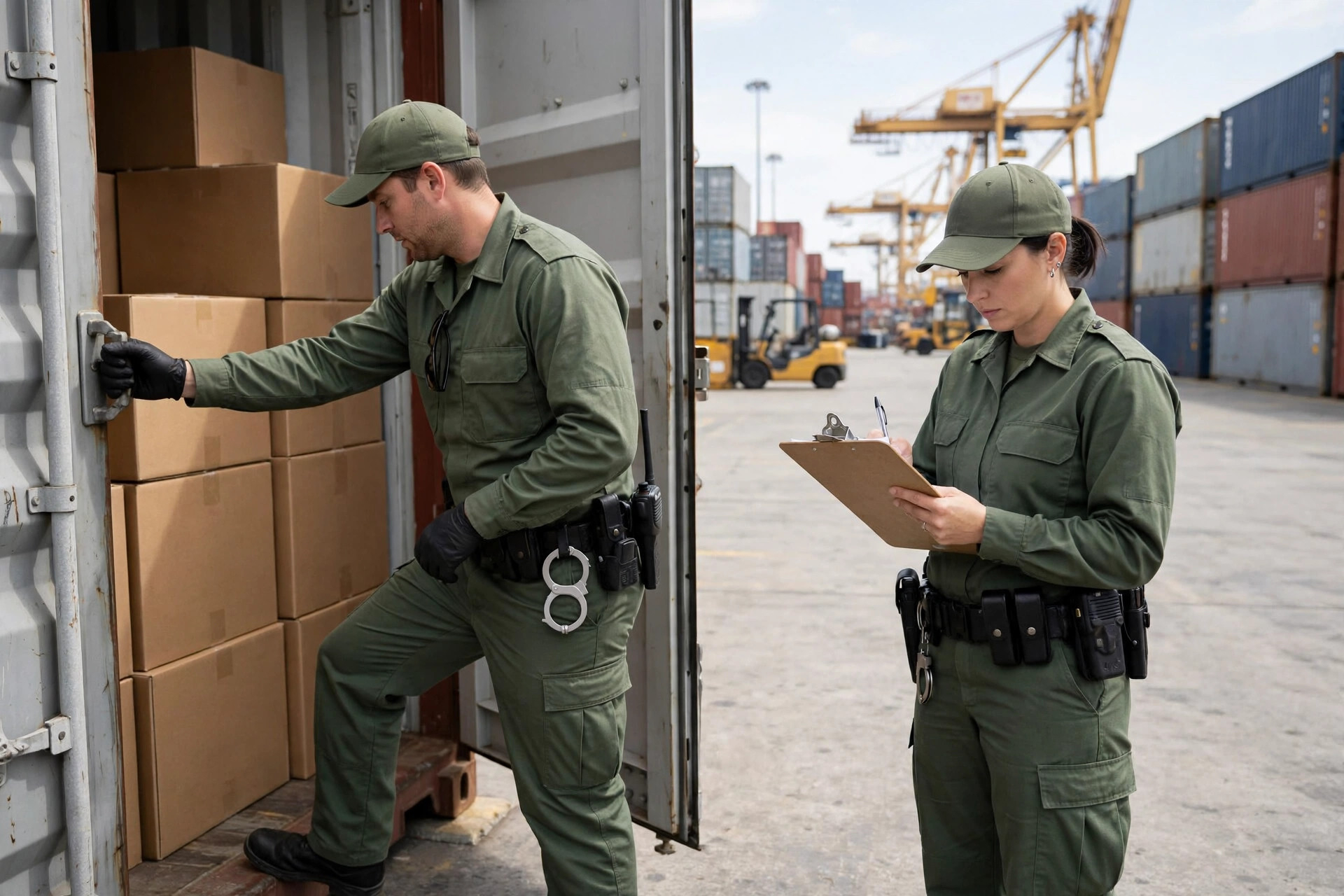
Step three: find someone who can file. Type 13 lives inside ACE. Individual sellers don't have ACE accounts, so in practice you hire a customs broker or a qualified forwarder or carrier to file for you. After the January 20, 2027 mandatory date, postal shipments without advance electronic filing risk getting held on arrival.
One more thing everyone misses: the postal channel now requires a basic importation and entry bond before release, and duties are paid through Pay.gov by the 7th of the month after arrival. That concept didn't exist in the small-packet era. Ask your broker now whether they handle the bond for you — don't wait until your goods land.
What It Costs: Do the Math Per Parcel
Channel comparison:
| Channel | Fits | Duties | Filing cost | Time hit |
|---|---|---|---|---|
| Type 13 (postal e-filing) | Postal channel, ≤$2,500, no AD/CVD | Full duties, no exceptions | Extra $2–$5 broker fee per parcel (industry figure) | Formal process adds 3–7 business days to clearance |
| Type 11 informal entry | Commercial express, ≤$2,500 | Full duties | Similar per-parcel cost | Similar |
| Type 01 formal entry | >$2,500 or AD/CVD/quotas | Full duties | Higher, broker plus bond | Longer |
| US warehouse, domestic ship | Already stocked in the US | Paid at import | No per-parcel filing | 2–5 day domestic delivery |
My own math. Back in March 2026, I still had a batch of jewelry going direct by postal packet from my Shenzhen warehouse to the US, average order around $12. In the duty-free days, all-in logistics was about $3.80 per parcel. Now: duties (check CBP's latest tariff schedule for your rate — not a cent is avoidable), plus about $3 per parcel in filing agent fees, plus roughly 4 extra days in clearance. Per-parcel cost went up nearly $2, and my margin dropped 6 points. I cut half the SKUs after that and moved the rest to an overseas warehouse.
A friend's story: sells phone cases out of Guangzhou, was still toughing out postal direct shipping in June 2026, convinced "the Type 13 pilot will make it cheap again." I told him straight: the pilot saves process, not taxes. He ran the numbers in September — per-parcel total cost up about 40% versus the duty-free era. Now his bestsellers go 2,000 units at a time to a Los Angeles warehouse, and only the long-tail SKUs fly postal plus Type 13. The strategy in one line: bestsellers go to the warehouse to spread the cost; long-tail stays postal with Type 13 to keep the listings alive.
Pitfalls: The Landmines I've Already Stepped On
- Don't believe "duty-free package" middlemen. People are still selling "special duty-free channels" in 2026. Anyone who buys that pitch loses the money and the goods. CBP has pulled $1 billion out of low-value parcels since the suspension — you think your shipment slips through?
- The tracking number must match the filing. Type 13 puts the foreign postal tracking number into the system. If the number on the label doesn't match the filing, the parcel gets held on arrival. Confirm the tracking-number rules with your postal agent before you ship.
- Don't invent your own 10-digit HTS. Exam rates are up, and misclassification is the most common reason for back duties plus fines. Pay a few hundred bucks for a proper classification once — it's cheaper than one penalty.
- Get the bond early. Don't wait until the January 20, 2027 mandate to ask. Brokers are already queuing up at year-end.
One thing you can do tomorrow: ask your forwarder three questions — can my goods file under Type 13, what's the per-parcel agent fee, and how do we handle the bond. Answer those three and you're ahead of 80% of sellers. I tested this myself.
By Ah K, E-commerce Seller (5 yrs)