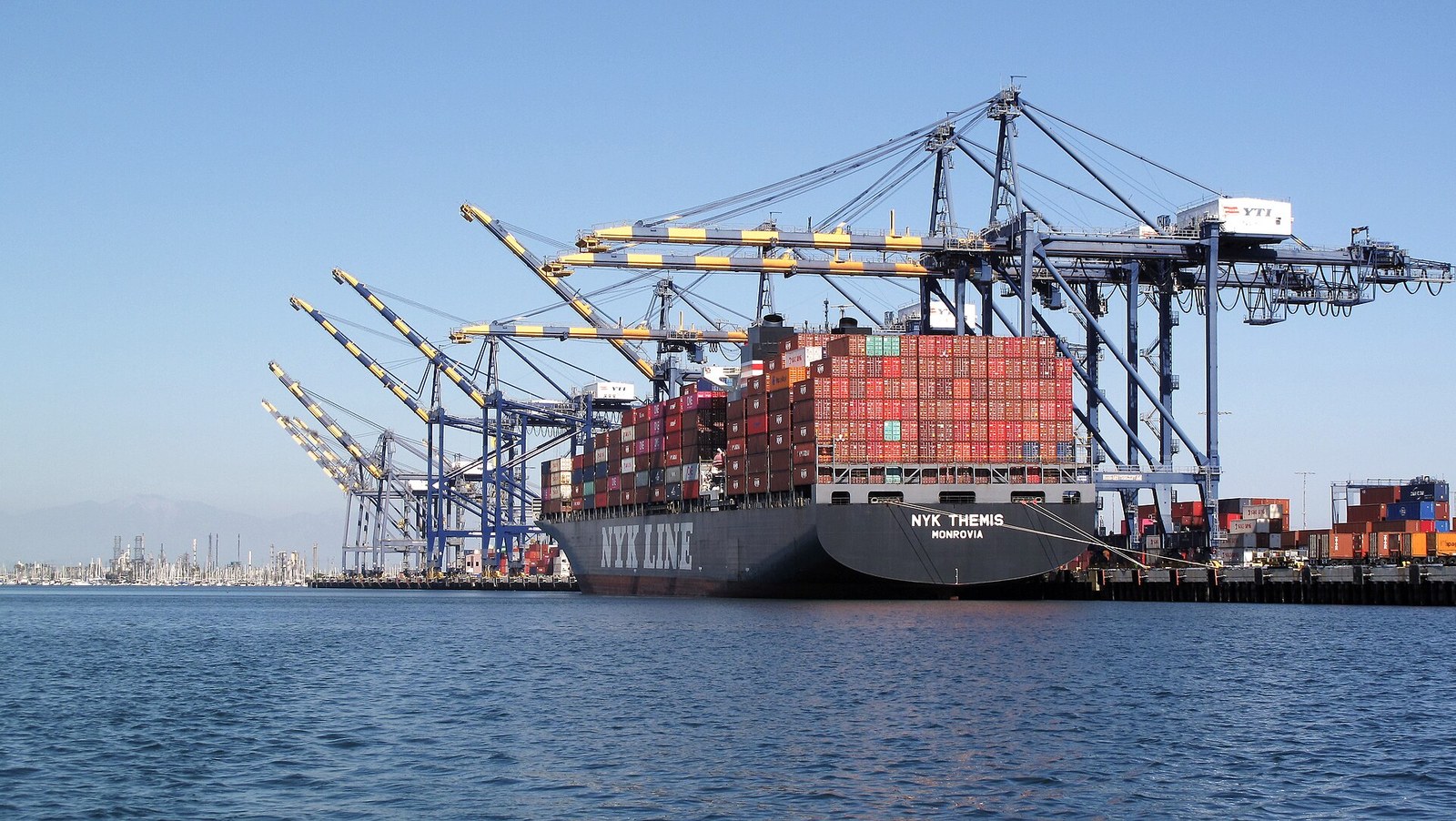
Most people think "customs clearance" is something your broker handles after the cargo lands. The truth is, clearance starts while your goods are still being stuffed into the container at the factory in Shanghai. Today I'll follow one 40-foot container from the Port of Shanghai to a Los Angeles warehouse, laying out every step, every document, and every deadline along the way.
Our star: a 40-footer loaded with 800 cartons of LED desk lamps, valued at $120,000, sailing to LA/Long Beach.
T-14 Days: Booking Is Just the Start — the ISF Clock Is Already Ticking
The forwarder books the sailing, the carrier issues the vessel name and voyage number. And this is when the broker's least favorite deadline appears: the Importer Security Filing (ISF), a.k.a. 10+2, must reach CBP at least 24 hours before the cargo is loaded onto the vessel.
Note: 24 hours before loading, not before arrival. The "10+2" means 10 data elements from the importer (buyer, seller, manufacturer, stuffing location, consolidator, and so on) plus 2 from the carrier (vessel stow plan and container status messages).
Late, wrong, or missing — each violation can draw liquidated damages of up to $5,000. First-time violations are often mitigated to $1,000–$2,000, but CBP now directs ports to issue penalty claims within 90 days of discovering a violation. The old "three strikes" leniency is gone.
My hard-won advice: the ISF is the importer's legal responsibility, not the forwarder's. The forwarder just transmits. Your job is to collect all 10 data elements three days before loading, send them to the broker, and get a confirmed "successfully transmitted" receipt back. Supplier changed the product description or the stuffing plan at the last minute? Update the filing immediately. Don't wait.
T-0: Loaded and Sailing — 14 Days at Sea
The box is on the vessel, the ISF is compliant, and now you wait. Shanghai to LA/Long Beach runs 12–16 days. Use this window to get your document package airtight: commercial invoice, packing list, and bill of lading.
The invoice must show: buyer and seller names and addresses, a detailed goods description (never write "parts" — Customs hates vague descriptions), quantities, unit prices, total value, Incoterms, and country of origin. A lazy description is one of the top exam triggers. Remember that — it comes back in part three.
T+14 Days: Arrival — Someone Must "Claim" This Shipment Within 48 Hours
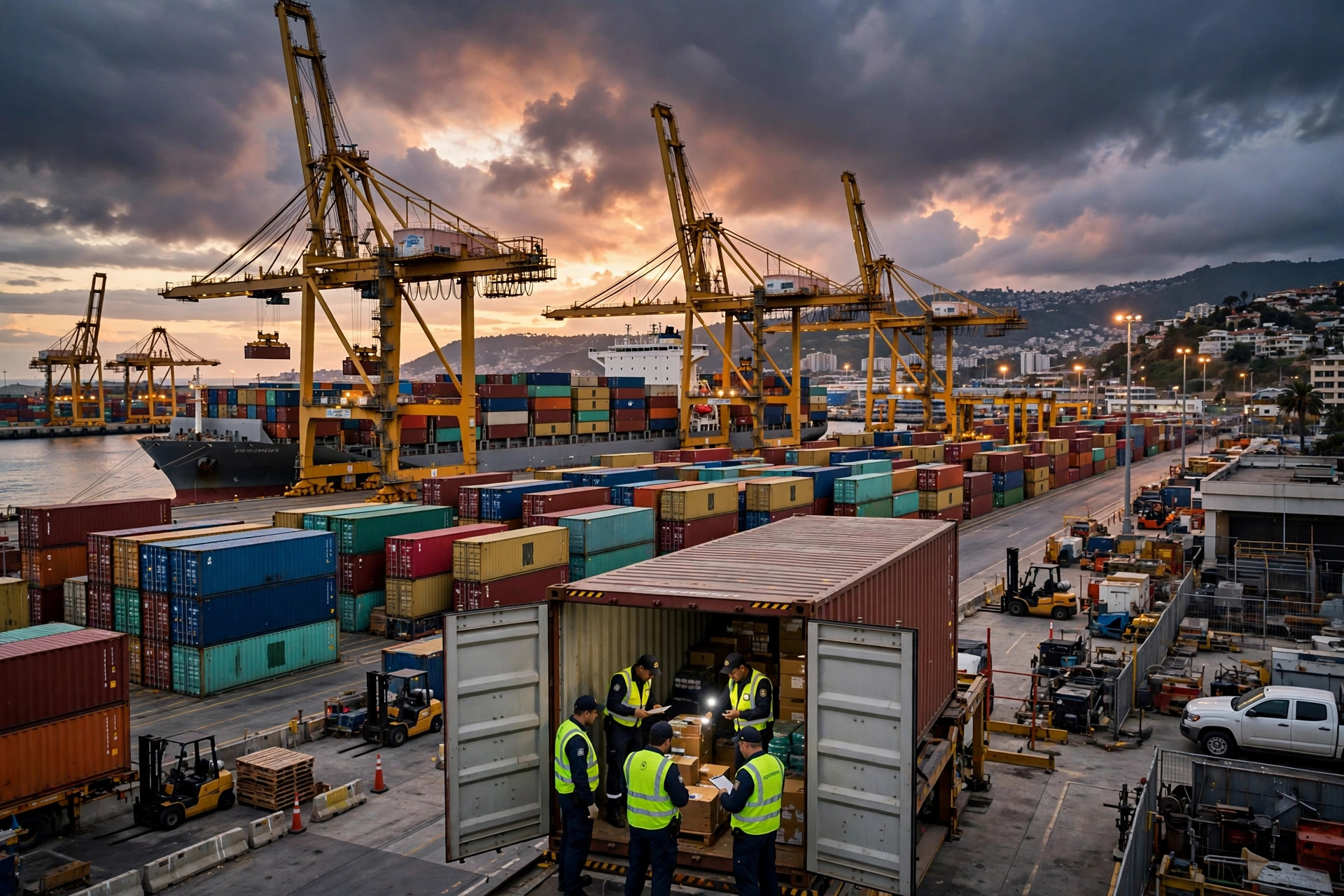
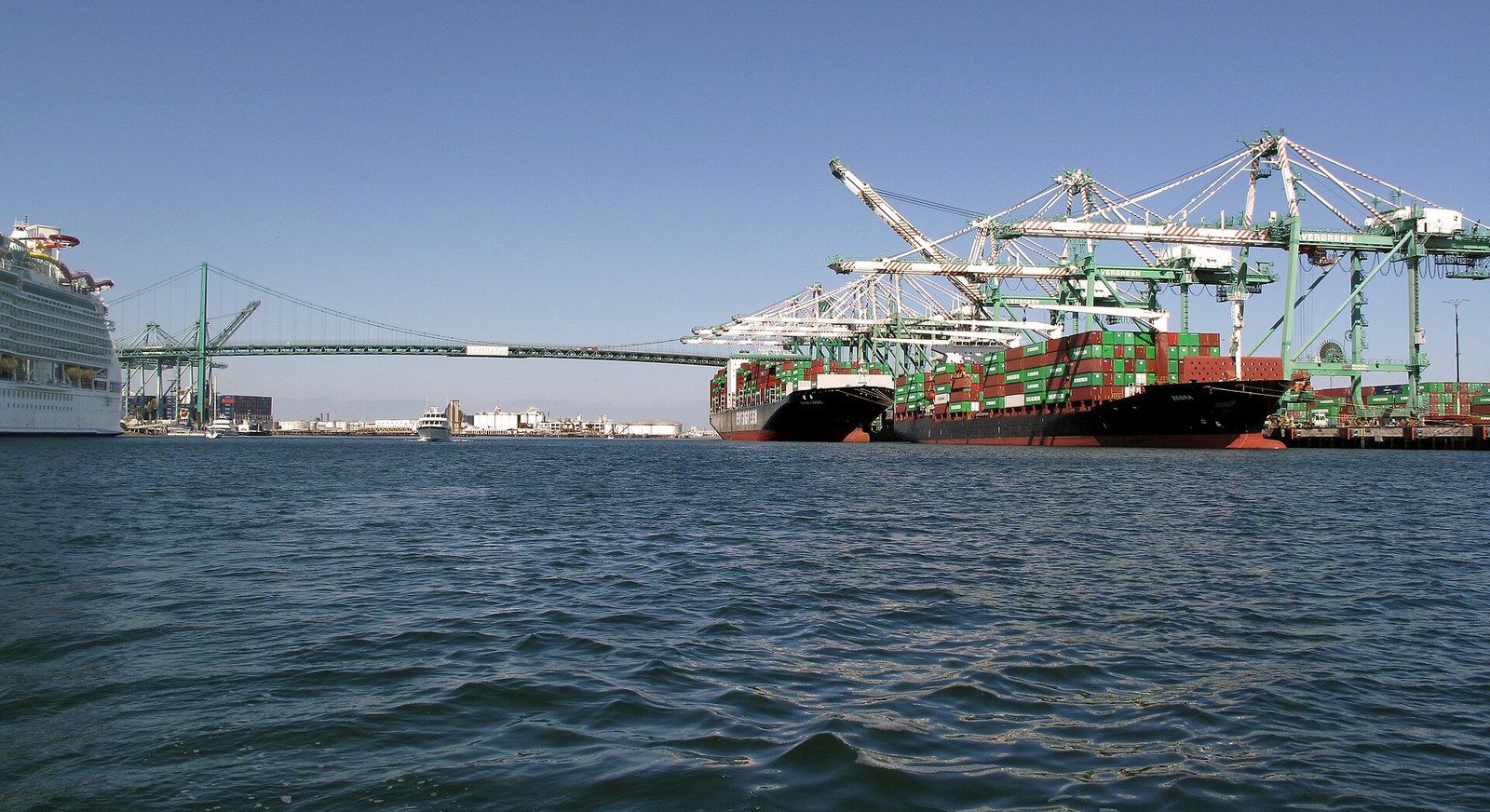
The vessel berths at LA/Long Beach. The carrier issues the arrival notice. Now the broker files the Entry — telling Customs "this shipment is here, here is the importer, and here is the bond."
The key concept: the customs bond. No bond, no release. Two flavors:
- Single Transaction Bond (STB): covers this one shipment only, with an amount generally no less than the entered value plus estimated duties. Right for a newcomer importing a few shipments a year.
- Continuous Bond: covers everything you import for 12 months, minimum $50,000 (the greater of $50,000 or 10% of last year's duties, taxes, and fees). Import four or more shipments a year and the continuous bond wins. Note: a $50,000 bond amount is not a $50,000 payment — that's the coverage limit. You pay the surety a premium, typically a few hundred dollars a year.
T+15 Days: Entry Filing and Release
The broker transmits the entry through the ABI system. CBP's system returns one of three answers:
- Release: the common case — the system clears it and the cargo is good to go.
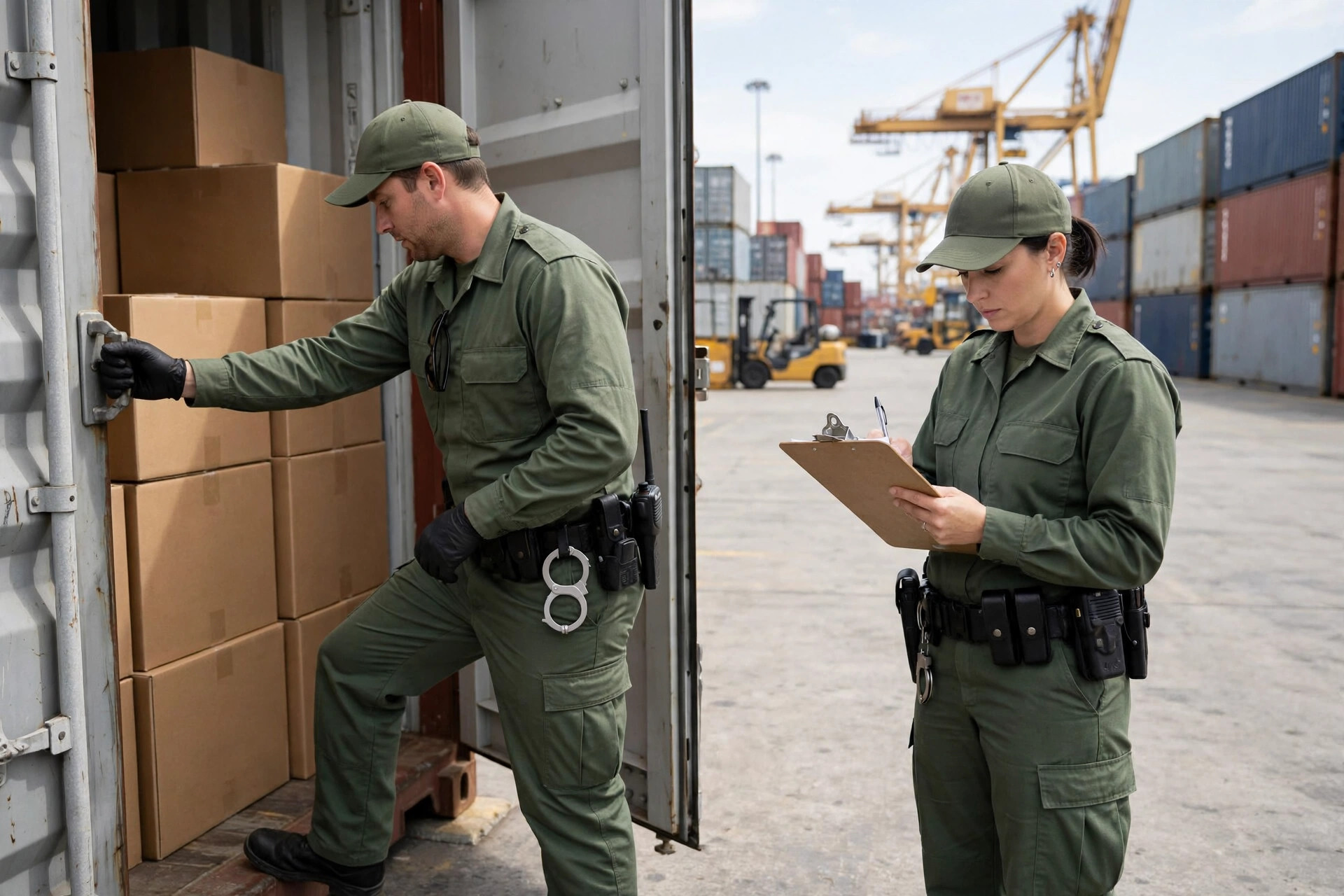
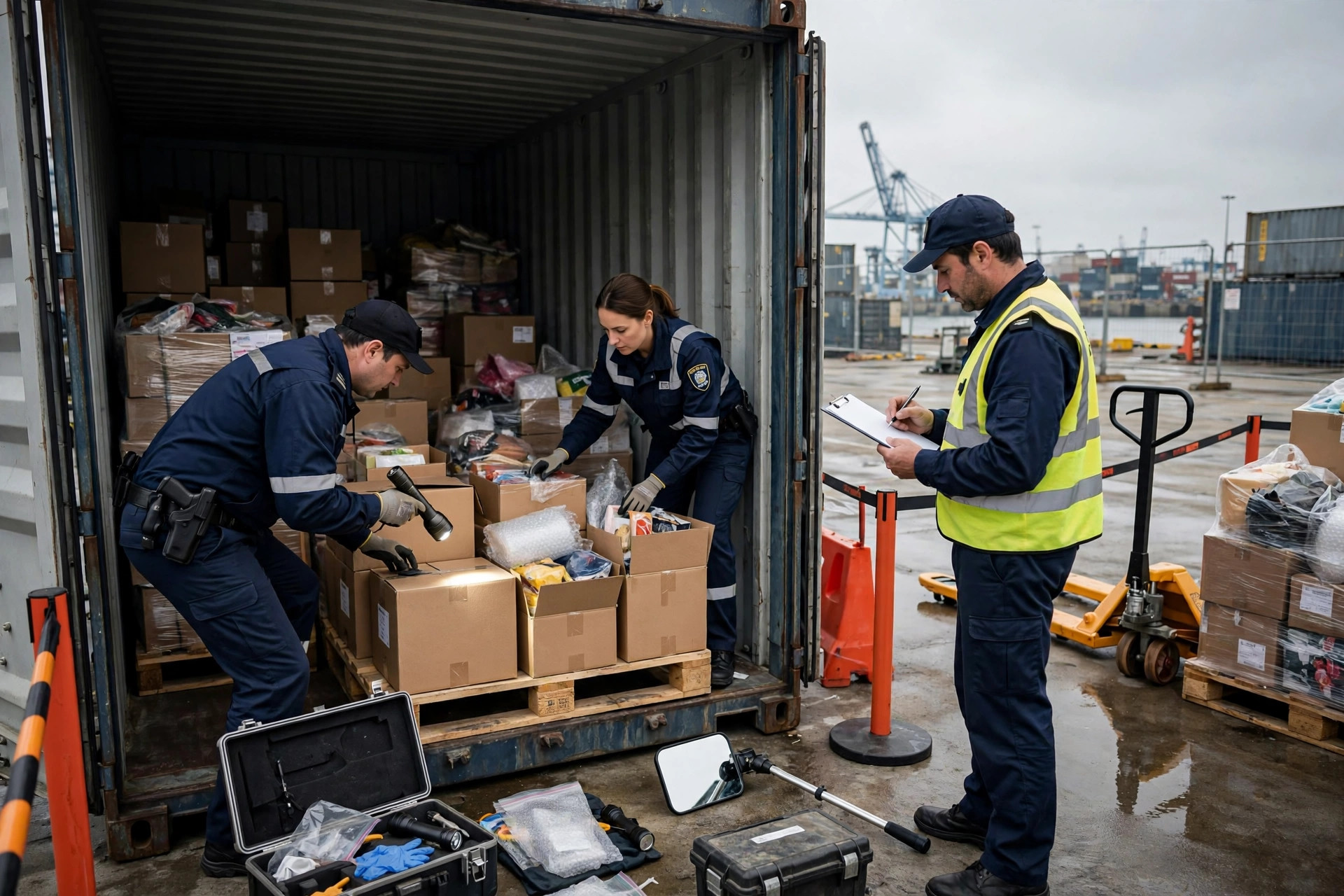
- Exam hold: your container got picked. X-ray takes 1–3 days; an intensive exam can run 1–4 weeks. Every dollar of cost lands on the importer.
- Document review: Customs wants to see the invoice, proof of origin, or other supporting documents.
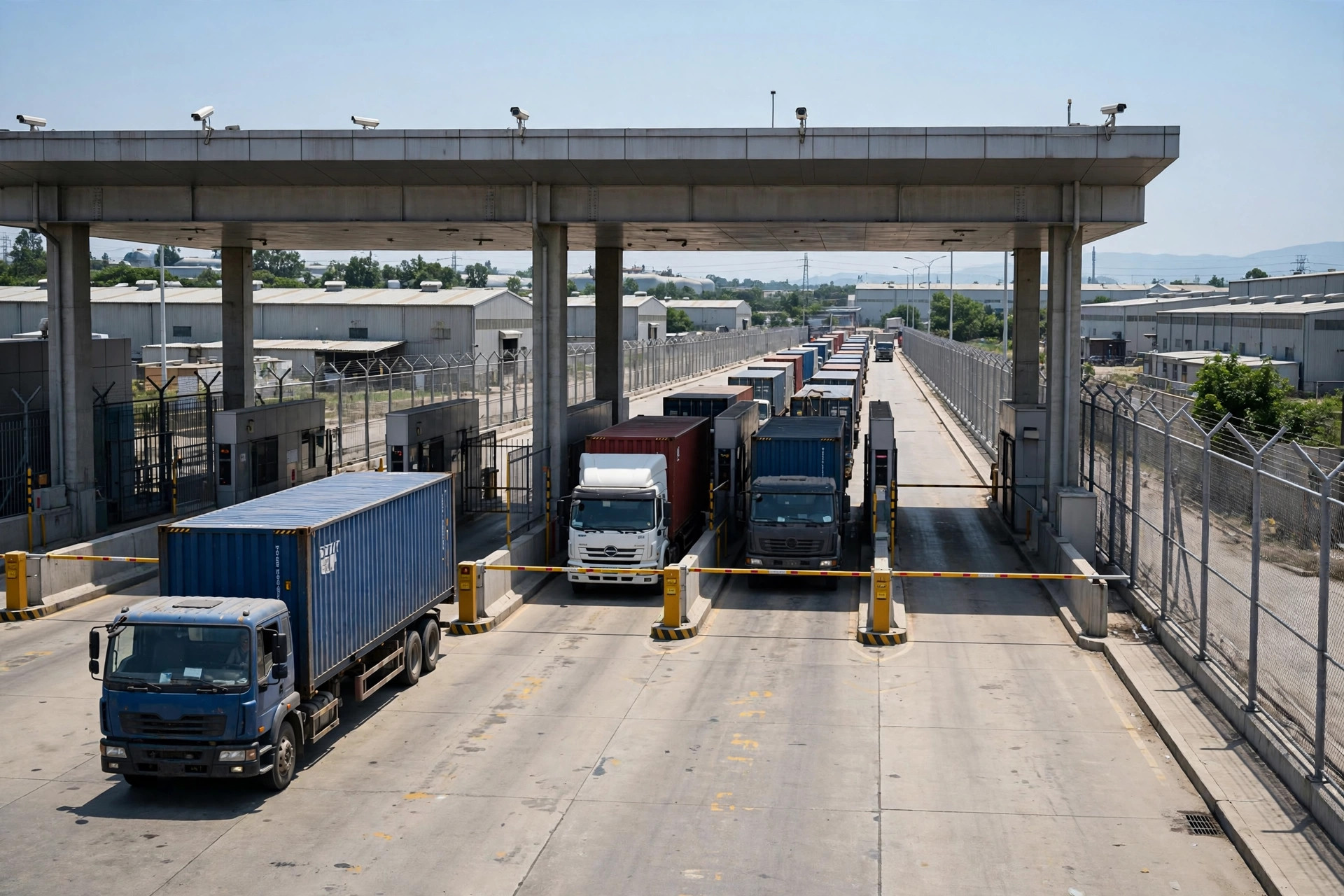
Our container got lucky — system release. Port arrival to release runs 1–3 days when things go smoothly. With the release in hand, the trucker picks up the box against the bill of lading and hauls it to the warehouse.
T+16–25 Days: Entry Summary (Form 7501) — Due Within 10 Working Days
A lot of importers think the job is done once the cargo rolls out the gate. It isn't. Release just lets you take your goods early. The formal declaration is the Entry Summary (CBP Form 7501), due within 10 working days of the entry date, with estimated duties deposited.
The 7501 reports: tariff classification, entered value, freight, insurance, duties, MPF, and HMF. MPF is 0.3464% of the value — since October 1, 2026, the minimum is $34.58 and the maximum $670.86. HMF is 0.125% of the value on ocean shipments. On our $120,000 shipment: MPF $415.68, HMF $150.
Commercial imports valued over $2,500 require a formal entry, and the 7501 is part of the package.
T+25 Days to About a Year: Liquidation — the Final Reckoning
After the entry summary is filed, Customs completes liquidation — the final computation of duties — generally within about a year. If CBP decides your classification was wrong or your value understated, you get a bill. If you overpaid, you get a refund. Disagree with the liquidation? There's a protest process.
So legally, a shipment's "clearance" isn't truly finished until liquidation. Keep your records — invoice, packing list, bill of lading, 7501 — for at least 5 years. A Customs audit can look back.
The Whole Process on One Card
| When | Step | Key document / action | Cost of missing it |
|---|---|---|---|
| 24h before loading | ISF 10+2 filing | 10 importer elements + 2 carrier elements | Up to $5,000 per violation |
| In transit, 12–16 days | Document prep | Commercial invoice, packing list, B/L | Vague descriptions invite exams |
| Arrival | Entry filing | Customs bond (STB or continuous) | No bond, no release |
| 1–3 days after arrival | Release or exam | System release vs. exam hold | Importer pays all exam costs |
| Within 10 working days of entry | Entry summary | CBP Form 7501 + estimated duties | Late filing penalties |
| About 1 year | Liquidation | CBP's final duty computation | Back duties or refunds |
Three Things I'd Tell Every New Importer
One: hire a good broker, but don't outsource your brain. The broker transmits paperwork; you own the accuracy of the data. Classification, value, product description — you must understand all three, because Customs holds you responsible.
Two: turn the deadlines into a checklist. The ISF 24-hour rule and the 7501's 10 working days are hard deadlines. I've watched too many importers eat penalties because they "assumed the forwarder handled it." One checklist per shipment, check the boxes.
Three: budget time and money for an exam on your first shipments. New importers get examined at noticeably higher rates on their early shipments. When you promise delivery dates to customers, pad in an extra week. Don't paint yourself into a corner.
Next up: exams — what X-ray, VACIS, and CET really are, what they cost, how long they take, and how to lower your odds of getting picked.
Regulations and deadlines change. Verify against cbp.gov and your customs broker before acting.
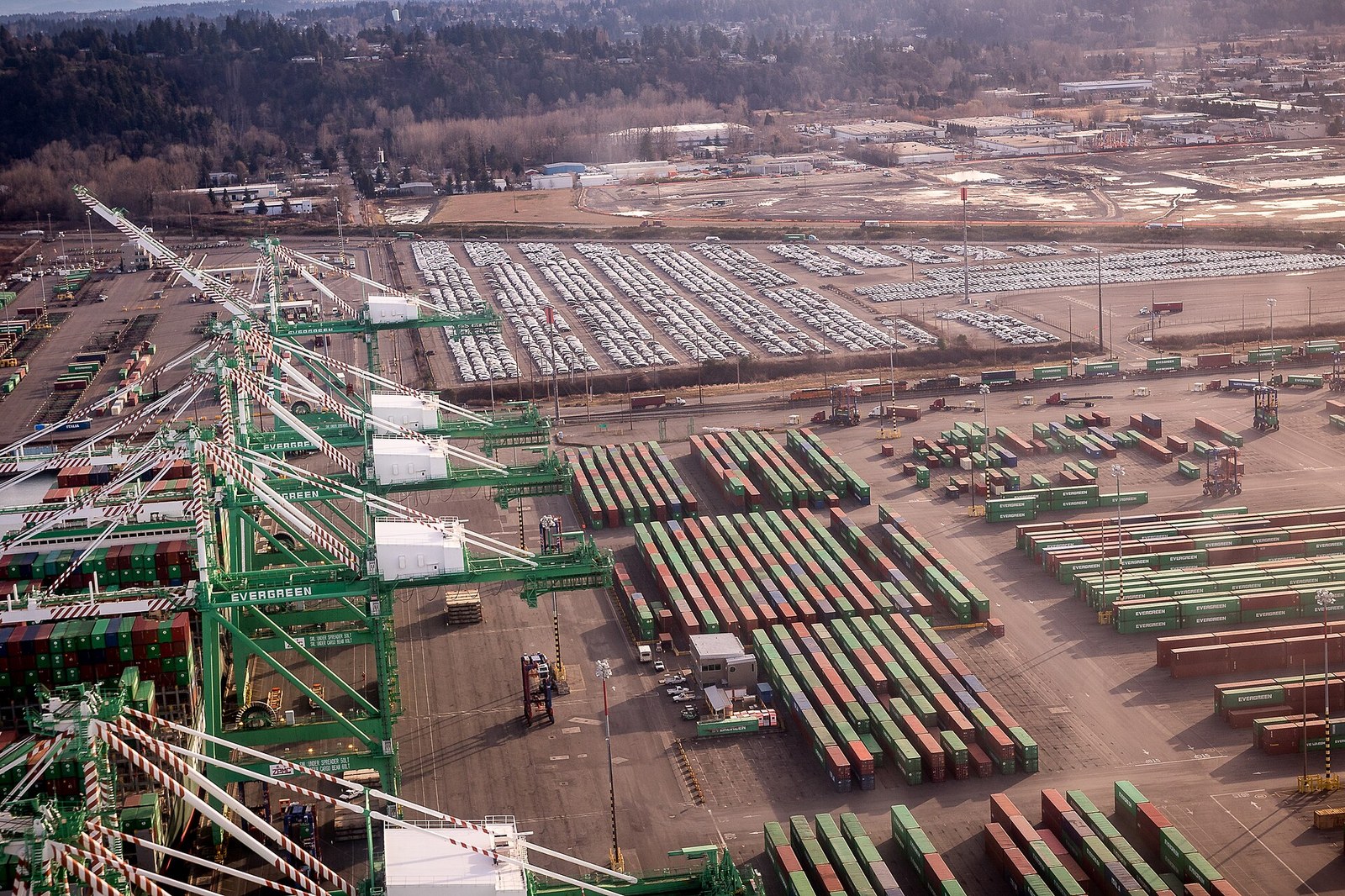
Photo credits: "Container ship NYK Themis at the Port of Los Angeles" by Downtowngal, CC BY-SA 4.0, via Wikimedia Commons; "View of Port of Los Angeles with container ships" by Downtowngal, CC BY-SA 4.0, via Wikimedia Commons; aerial view of Tacoma container port by Geo Swan, public domain, via Wikimedia Commons.