Here's the most shameless thing carriers do: UPS or FedEx delivers late, and they charge you full price anyway. Not a cent back. They will never tap you on the shoulder and say, "Hey, this shipment was late, you can get a refund." If you don't ask, you get nothing. This isn't gaming the system — it's collecting money that's contractually yours. That's the ups fedex late delivery refund, buried in their terms of service under the name Guaranteed Service Refund (GSR).
What Is the UPS/FedEx Late Delivery Refund (GSR)
Simple version: when you use a time-definite service — UPS Next Day Air, UPS 2nd Day Air, FedEx Overnight, FedEx 2Day, and similar products with a committed delivery time — the carrier guarantees that delivery time. Miss it, and you can claim the shipment's freight charges back.
Key facts, straight up — and always confirm against the carriers' latest published policies:
- The claim window is short. Both UPS and FedEx require refund requests within 15 days of delivery (calendar vs. business days and the exact start point — check the official policy, it changes). Miss the window and it's gone, no appeals.
- Nothing is automatic. The refund does not show up on its own. You track it, you file it, you follow up.
- Not every service is covered. Economy ground products without a committed delivery time are usually excluded. Check the service terms before you ship, not after.
My Process: A Monthly Late-Delivery Refund Reconciliation
I've run this routine for almost two years. The 5th of every month, 30 minutes, no exceptions. Here's the playbook:
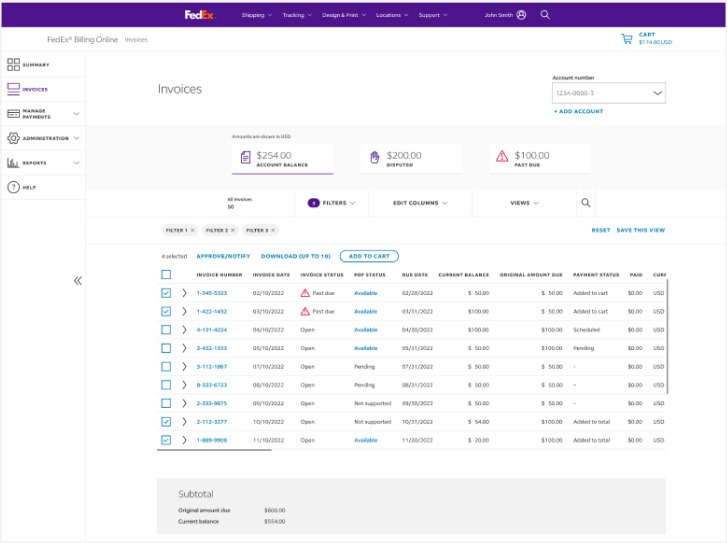
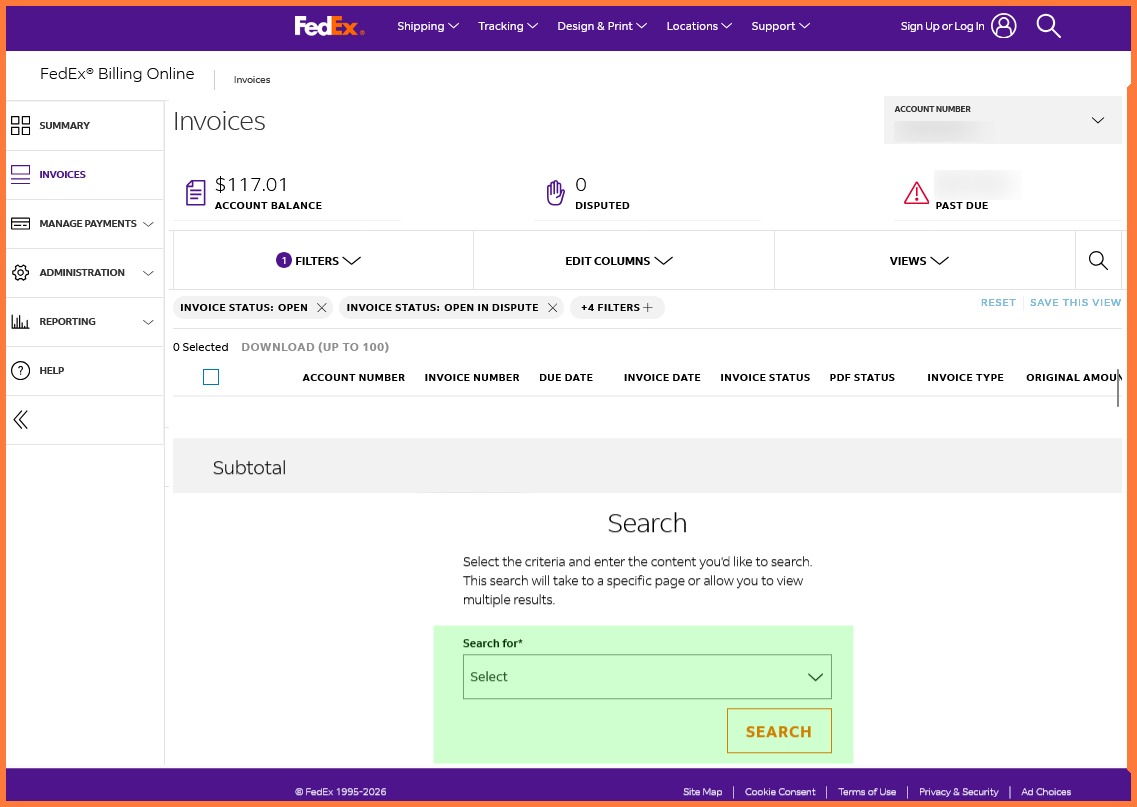
Step 1: Pull the invoices. Download last month's full billing detail from the UPS Billing Center and the FedEx billing portal. You need per-shipment line items — the summary invoice is useless.
Step 2: Flag the lates. Compare each shipment's committed delivery date against its actual delivery date. Anything delivered after the commitment gets flagged. I wrote a small script for this; Excel filtering works fine too.
Step 3: File each one. Submit through the carrier's claim/refund portal with the tracking number and the delay facts. Save the case number and follow up every 5–10 business days.
Step 4: Reconcile. Refunds typically land as credit on your carrier account against the next invoice. At month-end, verify: how many filed, how much landed, which were rejected.
Real example. During the 2025 holiday season, I shipped a UPS 2nd Day Air from my LA warehouse to the East Coast on December 18, committed for December 20, actually delivered December 22. The customer didn't even complain, but that's a textbook claim — about thirty bucks in freight. Filed the GSR, credit landed in seven business days.
And here's one that almost got away: last March, a batch of FedEx Home Delivery from my warehouse to Texas showed a two-day delay. My gut said "ground services never qualify." Wrong. I checked the published policy and the shipment did qualify — filed and approved. If I'd gone with my gut, that money was gone. Lesson: don't assume, check every flagged shipment.
The Math: What This Adds Up To Per Year
No fluff, let's do the arithmetic. Say you ship 5,000 packages a month, 2% run late, average freight cost $12 per package:
| Item | Number |
|---|---|
| Monthly volume | 5,000 shipments |
| Late rate | 2% (100 shipments) |
| Estimated GSR-eligible share | ~60% (60 shipments) |
| Avg. freight per shipment | $12 |
| Monthly recovery | ~$720 |
| Annual recovery | ~$8,640 |
That's an estimate — your real number depends on your service mix, shipping lanes, and season. Late rates climb noticeably in peak season (Nov–Dec). My rule of thumb: in normal months I recover 1–2% of my monthly freight spend; in peak, 3%+.
The cost? Half an hour a month, or a small one-time scripting effort to automate the flagging. Highest-ROI "free money" project in this business. Nothing else comes close.
Four Traps I've Stepped In
Trap 1: Holiday guarantee suspensions. UPS and FedEx suspend delivery guarantees on select services during peak (roughly mid-November through December). The exact dates and services change yearly — check the official announcements. Late shipments during the suspension get rejected, so don't waste your time filing those.
Trap 2: Exclusions that kill claims. Wrong address, recipient unavailable, customs holds, weather, force majeure — none of these qualify. And if the delay happened because YOU missed the carrier's cutoff time, that's on you too. Read the delay reason code before filing, don't file blind.
Trap 3: Third-party audit firms on contingency. There are companies that audit your freight invoices and take 30–50% of whatever they recover. Worth it? If you ship 5,000+ packages a month and have zero bandwidth, maybe. But for smaller volumes, or if you already have a process, giving away 40% is robbery — this job has no real technical barrier. Run it yourself for one month first, then decide.
Trap 4: The 15-day clock is brutal. Most sellers know about GSR and lose on procrastination. My fix: a calendar reminder on the 5th, every month, non-negotiable. Never "save it up and do it quarterly" — expired shipments are money you donated to the carrier.
The Uncomfortable Truth
A lot of sellers worry that filing claims will "piss off" UPS or FedEx and hurt their discount negotiations. Nonsense.
GSR is a contractual right, not a favor you're begging for. The sales rep who handles your rates and the claims department that processes refunds are different universes. Filing legitimate claims doesn't touch your discount. Sellers who never file are just wallets the carrier can safely ignore.
The real trade-off is different: what's your time worth? A small seller shipping a few hundred packages a month might have a dozen late ones — maybe a hundred bucks of recovery for an afternoon's work. My advice: go semi-automated with a script if you're small; build the full process if you're big. The dumbest option is knowing about GSR and never doing it — that's a monthly donation to the carrier, out of your pocket.
I've been running this for two years and the recovered freight basically covers my warehouse rent for a year. Put a reconciliation date on your calendar starting this month. This one actually works — tested it myself.
By Ah K, E-commerce Seller (5 yrs)