Do the math with me: three dollars a package, five hundred packages a day, two hundred fifty working days a year. That's $375,000 — the gap between a negotiated account and a walk-up rate, with nothing else changed. No new packaging, no new warehouse, no layoffs.
In 2023 I ran a freight audit for a 60,000-square-foot 3PL in Ontario, California. Same UPS Ground service as the warehouse next door, and they were paying nearly 40% more. The money wasn't leaking through the base rate. It was leaking through the surcharges, line by line, and the owner had never looked.
Forget the discount sheet. Read the invoice.
Small shippers walk into rate negotiations obsessed with the discount percentage. Reps love that, because the discount is the cheapest thing on the table. Give you five more points off the base rate and it costs them almost nothing. The real money is in the lines the discount sheet doesn't show.
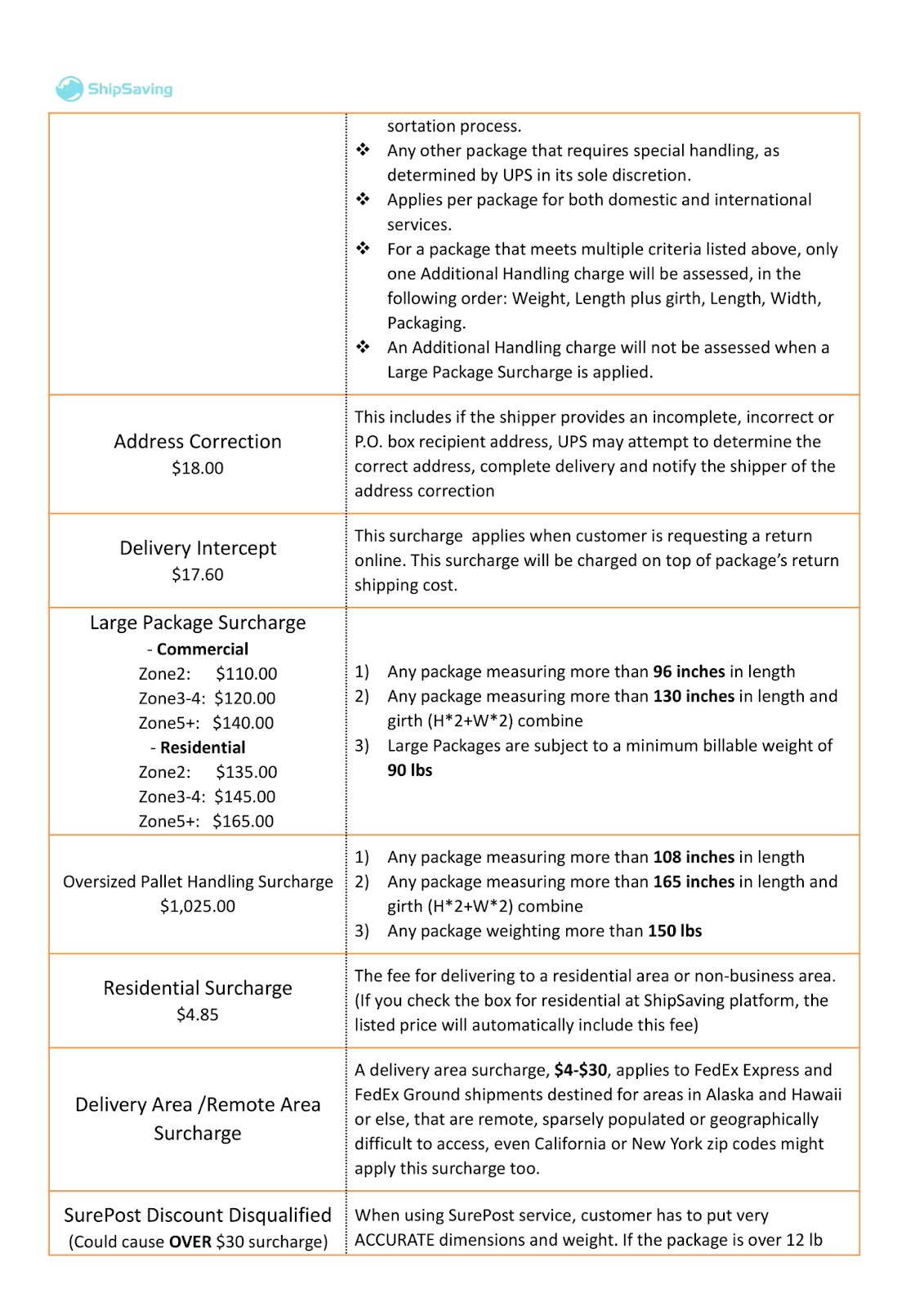
Before you sign anything, export three months of invoices — UPS Billing Center and FedEx both have detailed exports — and break out the surcharges into their own column: fuel, residential, oversize, address correction. If surcharges are more than 30% of your total spend, your first negotiation target isn't the discount. It's surcharge relief.
The fuel surcharge floats with oil prices week to week. Residential surcharges keep climbing. And most agreements give you zero relief on surcharges by default. I've seen contracts with a beautiful discount on page one and not a single surcharge touched in the appendix. That's a negotiation that accomplished nothing.
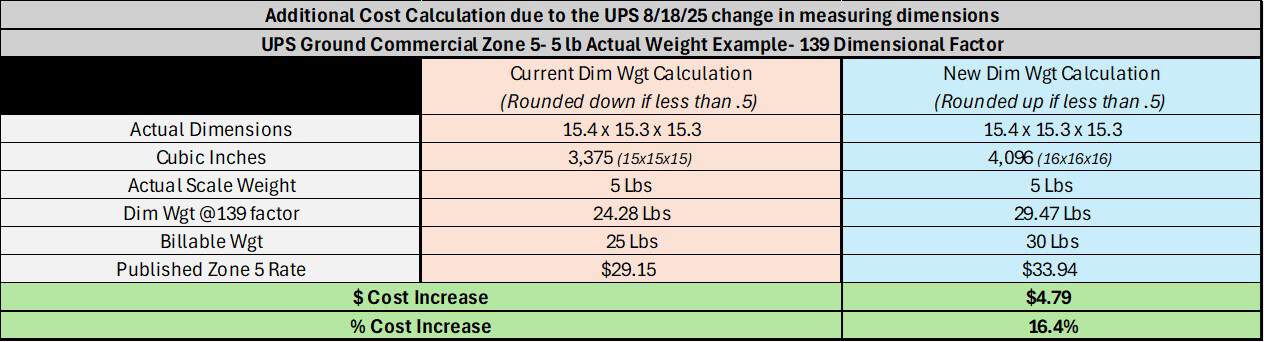
The other big leak: dimensional weight. Both UPS and FedEx publish a DIM divisor of 139 (length × width × height in inches, divided by 139). Every inch of extra box is money. One warehouse I worked with switched to a smaller carton — surcharges unchanged — and the DIM savings alone ran into six figures a year. Sometimes the packaging engineer saves more than the negotiator.
I won't quote specific discount numbers here. Carrier policies and account tiers differ too much; anything I write would mislead you. Treat all rate and discount figures as subject to each carrier's latest published policy.
Six levers, in the order I'd pull them
Volume commitment comes first. Better tiers require an annual spend or volume commitment, and the carrier uses it to justify the discount internally. But read the clawback clause before you sign: many agreements let the carrier take the discount back at year-end if you miss the target. Commit at 80% of your conservative estimate. Fast-growing companies should be especially careful — overcommitting is digging your own hole.
Second, zone distribution. The more zone-8 packages you ship, the higher your average cost; that's physics, not negotiation. Bring your actual zone mix to the table and make the rep re-price against it instead of quoting a national average. The operational move is even stronger: split inventory across warehouses. I watched one company route West Coast orders through a second warehouse in Dallas, and their cross-country volume dropped by half. Negotiation improves your rate. Network design changes your cost structure. Do both.
Third is the surcharge relief I mentioned — negotiated line by line: fuel surcharge discounts, residential surcharge waivers, caps on oversize fees. For warehouses heavy on B2C small parcel, the residential line alone can outweigh five extra points off the base rate.
Fourth, hedge the annual rate increase. Both carriers publish a general rate increase early each year. The best window to negotiate is Q4: the new rates are published but not yet in effect, and reps still have authority to deal. Push for two things in the agreement: a cap on the increase, or a 60-to-90-day delay before new rates hit your account. One negotiation, benefits every year. Most warehouses only think about this in January when the higher bill arrives. By then it's too late.
Fifth, competition. Take a written FedEx proposal to your UPS rep, and vice versa. They watch each other closely; you don't need to teach them how to compete. The key word is "written" — nobody honors a verbal number. Third-party platforms are your floor: Pirate Ship, Shippo, and similar services pass through USPS and UPS commercial pricing to small shippers with no volume commitment. Signup is trivial — register, link a payment method, print your first label in half an hour. Pirate Ship states on its site that it charges no subscription fee; Shippo offers per-label and subscription options, per their latest published pricing. Print a rate screenshot from one of these platforms and bring it into the meeting. It speaks louder than any argument.
Sixth, invoice auditing. No negotiation required, just discipline. Late-delivery refunds, duplicate charges, bogus address corrections — pull 50 invoices a week and check. Carrier billing systems slip occasionally, and that's exactly why audit firms live on contingency fees. If you don't have dedicated staff, set a rhythm: every Friday afternoon, thirty minutes, finance flags the week's anomalies and emails the rep for credits. Within three months you'll notice the rep answering your emails faster.
The contract is the starting line, not the finish
Getting the account open is just the beginning. You can apply for a commercial account directly on the UPS or FedEx website, and a sales rep usually reaches out within a week. My advice: run multiple accounts in parallel. Core volume on the negotiated rate; overflow, promo spikes, and remote destinations on a third-party platform. Never put every package on one account — you'll appreciate the backup during peak season or a system outage.
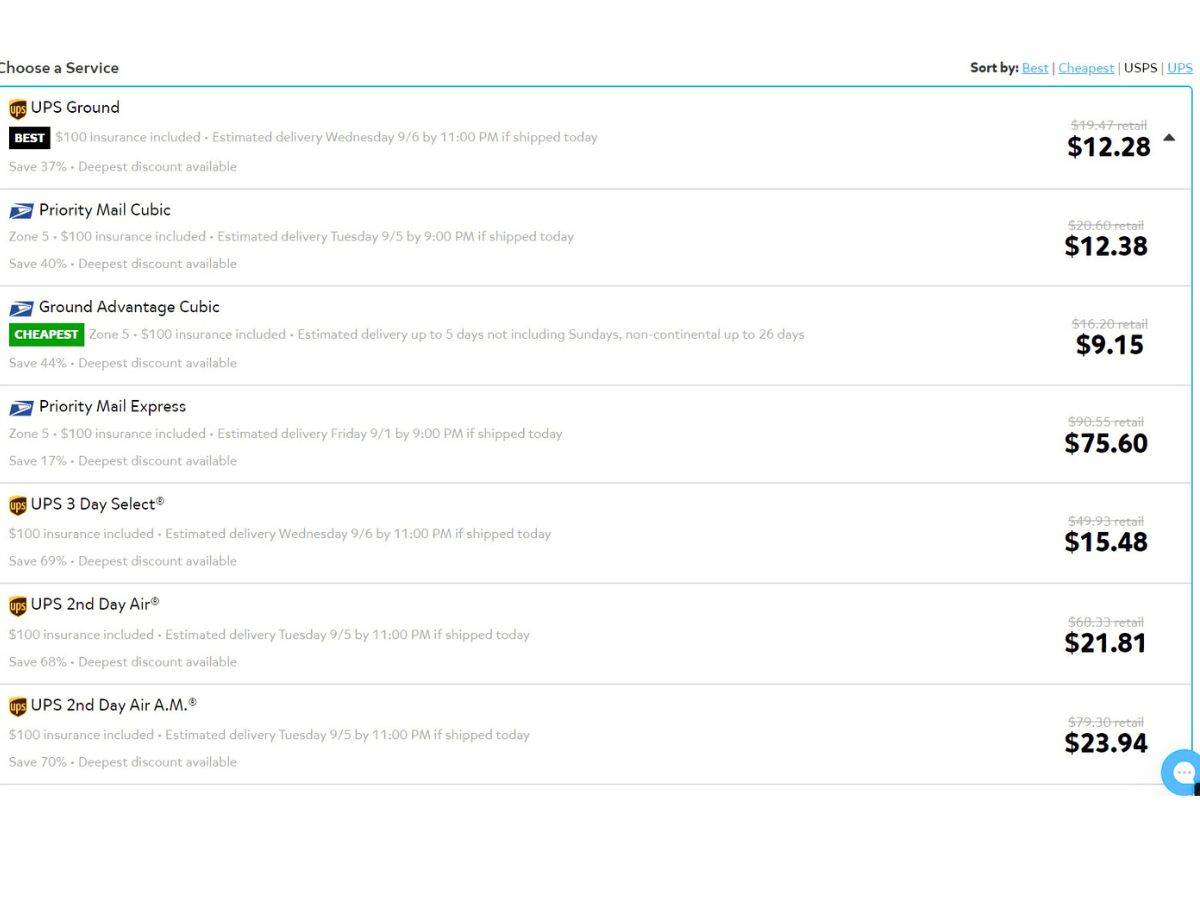
Make rate shopping a habit. Same package, same day — check what UPS Ground and the USPS options actually cost side by side before you commit the label. Before peak season, run your top 20 SKUs through the comparison and the savings will cover the holiday bonuses. And don't compare base rates alone: add the expected surcharges, because a service that looks cheaper can flip once the residential fee lands.
Three traps, all of which I've seen draw blood. Claims: lost and damaged shipments have filing deadlines, and carriers don't accept verbal descriptions — keep weight photos and packing records as a matter of routine, because reconstructing them after the fact doesn't work. Hidden surcharges: oversize fees are charged per piece, and one out-of-spec carton can wipe out the margin on the entire order. Tape a size-limit chart next to the packing station; it beats any training session. Account risk: third-party platforms police hazmat and counterfeit goods aggressively, appeals take weeks, and a ban leaves your legitimate freight stranded. Keep risky SKUs off those accounts.
One more small trick: reps chase quarterly quotas. Negotiate in the last week of March, June, September, or December, and you'll find their authority stretches further than usual.
Here's what you can do tomorrow morning: export last month's invoice, sort by surcharge, write down the top three. When you meet your rep next week, negotiate relief on those three lines and those three lines only. Forget the discount number. This one move has never failed me.