Your carrier bill is always bigger than your quote. Always.
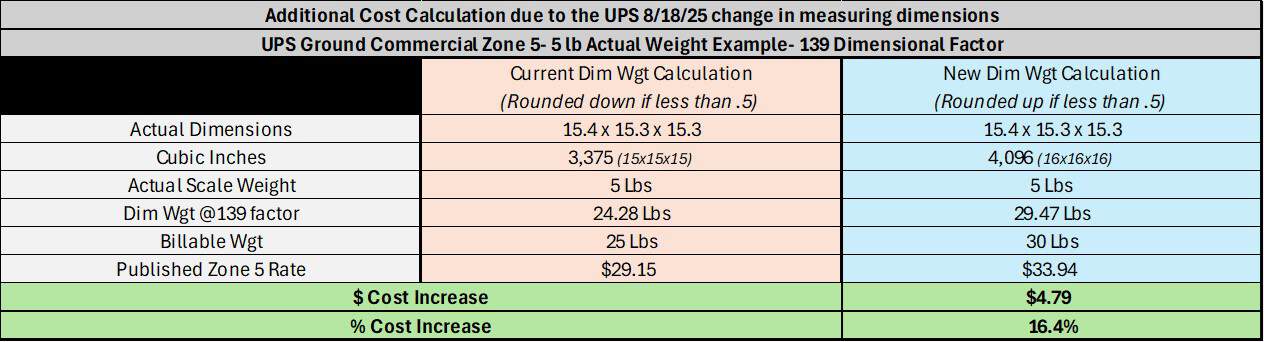
The rate sheet the rep shows you says "45% off list." You do the happy dance. Then the first real invoice lands, you do the math, and your effective discount is 36% — if you're lucky. The missing 9 points? Address correction fees, residential surcharges, oversize fees. Gone.
That's not a bug. That's the entry fee to this game: never negotiate against the quote. Negotiate against the invoice.
I've sat across the table from UPS and FedEx reps three times — a big round in late 2024, a renewal in mid-2025. Both accounts went from "paying default rates like a rookie" to five figures of monthly savings (order-of-magnitude numbers only; exact figures are under NDA with my accountant, sorry). Here's the full playbook that actually worked for me.
Step one: compute your REAL discount rate before you talk to anyone
This is where most sellers lose the negotiation before it starts. The rep talks discounts in terms of "off list price." Your invoice lives in a completely different universe.
My method:
- Pull 3 full months of invoices (UPS Billing Center / FedEx's site both let you export). Not the summary line — every shipment's base rate plus every line-item surcharge.
- Compute one number:
real discount = (total list price - what you actually paid) / total list price. - Compute a second number: surcharges as a percentage of your bill. For most small-to-mid sellers, this lands somewhere between 12% and 20%.
In October 2024, a friend running a warehouse in Ontario, California was shipping 300–400 FedEx Ground parcels a day. The rep's rate sheet said "45% off." I pulled his three months of invoices and ran the numbers: real discount 36%, and address corrections plus residential surcharges alone were adding roughly $4,000 a month. He was furious — and that $4,000 became our opening ammunition.
Why does this work? The rep's entire pitch is built around the word "discount." You walk in with the real discount number and every scripted talking point dies on the spot. Lever number one isn't volume. It's arithmetic.
My timeline has been the same all three times: week one, pull invoices and run numbers; week two, coffee with the rep and casually slide over a competitor's quote; week three, two rounds of email haggling, then sign. Three documents in the folder: a one-page invoice analysis (real discount + surcharge share), a zone distribution table, and a screenshot of the competitor quote. When the rep sees you've already built the spreadsheet, they skip two rounds of games.
The six levers I worked through, one by one
Lever 1: Volume commitments — but in tiers. Never sign a single flat number. I committed to "9,000–11,000 parcels a month" across three tiers: hit 8,000, you get one rate; hit 10,000, it improves; hit 12,000, it improves again. Volume commitments cut both ways — miss your number and you pay true-ups — so I deliberately set tier one about 10% below my actual volume. The rep gets a nice number for his forecast; you get a target you can actually hit.
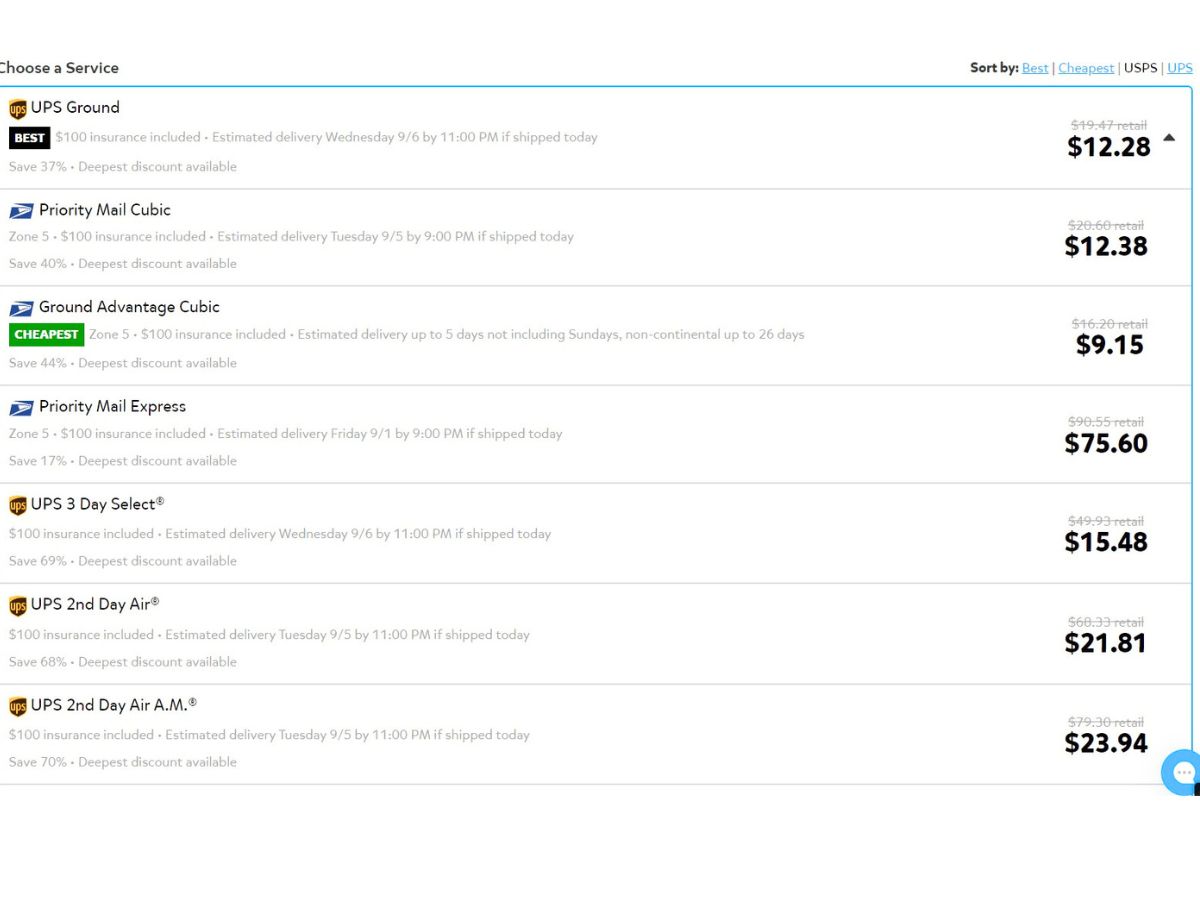
Lever 2: Play the competitor quote against them. Easiest lever there is. Early 2025, after a USPS rate hike, a FedEx rep came knocking. I put a UPS rate sheet on the table (sensitive bits redacted): "Same volume, you're half a point more expensive — why wouldn't I just move?" Two days later he called back with a revised offer, another point better. The two giants have zero loyalty to each other, only quarterly quotas — and you are their end-of-quarter tool. Don't be shy about it.
Lever 3: Zone distribution — high zone 6–8 share is the real ace. Here's the counterintuitive one: reps want your zone 6–8 freight, not your local parcels. Local small parcels are a knife fight on margin; long-haul heavy packages are where their fat margins live. I laid out my zone table — zone 6–8 was nearly 40% of my volume — and the rep's eyes lit up. That freight became my biggest chip for demanding an across-the-board rate improvement. If 90% of your stuff ships locally, don't force this lever; pivot to surcharges (see lever 4).
Lever 4: Negotiate surcharges separately. This is real money. You can win on the discount line and still lose the war if surcharges stay untouched. I went item by item: address correction, residential delivery, weekend delivery. Ended up getting the residential surcharge cut by more than half (check the latest published rates — exact terms vary by account). The order matters: discount rate first, then surcharges, then the waiver percentage on each surcharge, written into a contract appendix. Don't let the rep mush it all into one "blended incentive."
Lever 5: Contract term — 1 year vs 2 years is a full tier apart. Reps naturally want you locked in for two years. I used that: "Two years is fine, but the rate has to beat the 1-year offer by at least a point, and year two needs a re-opener clause for major market changes." Never sign a dead-flat two-year price — when the next annual rate table drops, you're the one holding the bag.
Lever 6: Payment terms trade for money too. Most sellers don't know this one: switching from monthly billing to ACH autopay got me another point of discount. Net-30 to Net-15 terms bought me another half point of negotiating room. Reps have a separate incentive pool for "low collection risk" customers — they'll never offer it unless you ask.
Before and after: what actually changed on my account
Take my mid-2025 renewal (roughly 10,000 ground parcels a month, mostly small-parcel) as the example:
| Before | After | |
|---|---|---|
| Nominal discount | ~40% | ~45% |
| Real discount (after surcharges) | ~31% | ~39% |
| Surcharges as % of bill | ~18% | ~11% |
| Monthly bill (order of magnitude) | ~$80K | ~$65K |
See it? The headline discount only moved 5 points. The real savings were 8 points — and the entire gap came from surcharges. That's why I keep saying discount negotiation is only half the game. Surcharges are the second half.
And the counterintuitive call, one more time: the annual GRI (general rate increase) announcement letter is your best negotiation window. Both carriers raise rates every year, everyone's invoice gets fatter at once, and everyone's complaining. That's exactly when the rep is under the most renewal pressure and has the most authority to concede. My 2025 round was timed for the month before the GRI took effect — the rep loosened up far more than usual to keep UPS from poaching me. Everyone else reads a rate-hike letter as a cost. I read it as an invitation to negotiate.
Three traps — step in one and the whole deal is wasted
Trap 1: Auto-renewal clauses. Plenty of contracts hide "auto-renews for 1 year at the then-current list rates." Translation: your negotiated discount dies after year one. What I do now: the contract explicitly says "either party may terminate in writing 60 days before expiry; otherwise rates continue at the negotiated discount for a 3-month transition period." Read every word.
Trap 2: Minimum commitments. Reps love writing "committed monthly spend of $X" into the contract — miss it and you pay the difference. Peak season is fine, but what about Q1? In early 2024 this nearly got me — volume dropped about 30% in the slow season and I almost had to pay for freight I never shipped. I renegotiated it to a "rolling quarterly average," which smooths out the seasonal dip nicely.
Trap 3: First-year-only discounts. The sneakiest one: "45% in year one, standard rates in year two." The rep tells you verbally "we'll work it out later." Paper says otherwise. I got burned once; now every contract must state "discount rates apply for the full contract term." Verbal promises don't count.
Bottom line: UPS and FedEx reps aren't afraid of you threatening to switch. They're afraid of a customer who does the math, brings a competitor quote, and times it to the rate-hike cycle. Show up with all three and you're their favorite end-of-quarter close.
This one's battle-tested — my 2025 renewal took three weeks from first spreadsheet to signed contract, and the monthly bill dropped roughly 18%. The savings alone covered another packer on my warehouse floor.
By Ah K, E-commerce Seller (5 yrs)