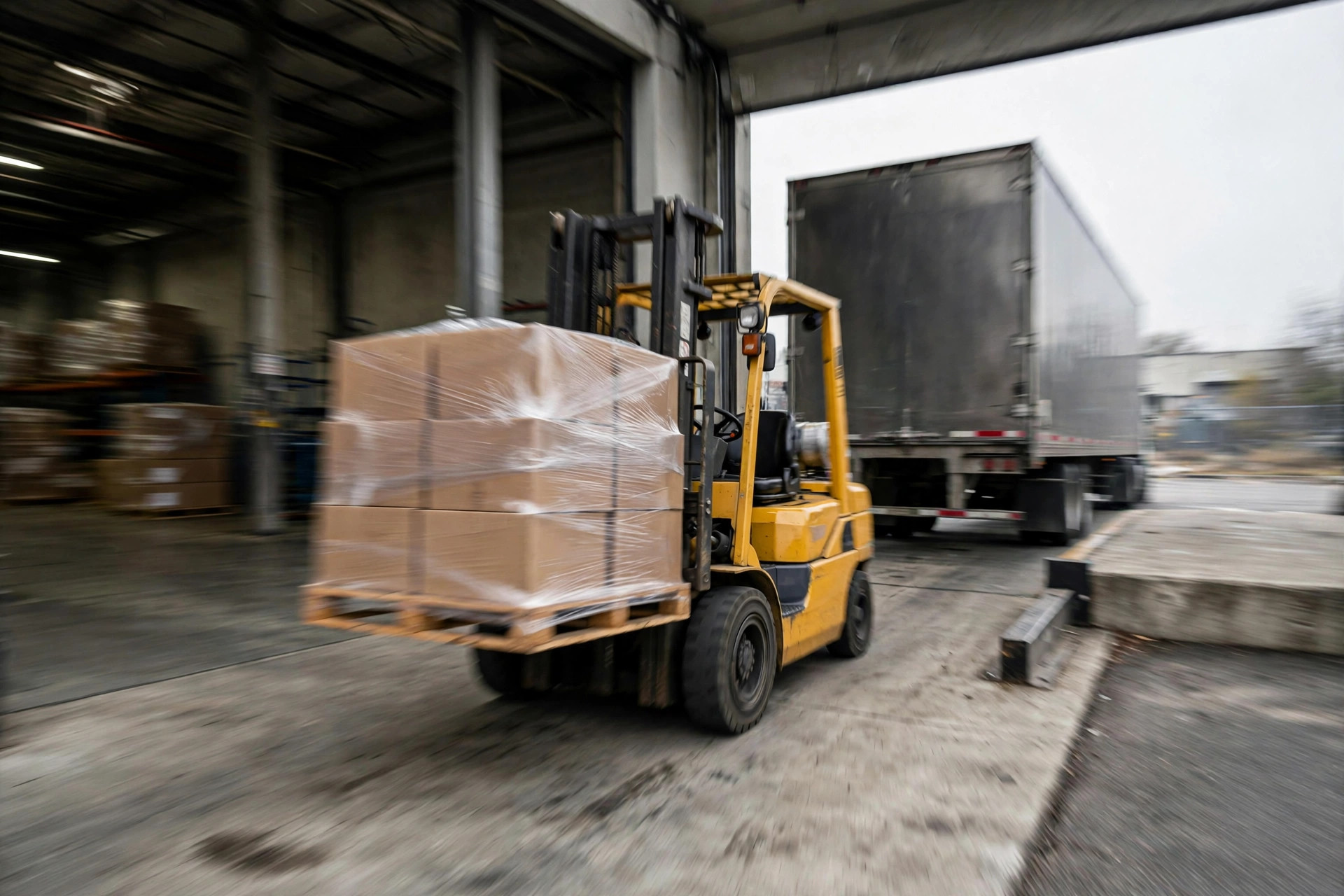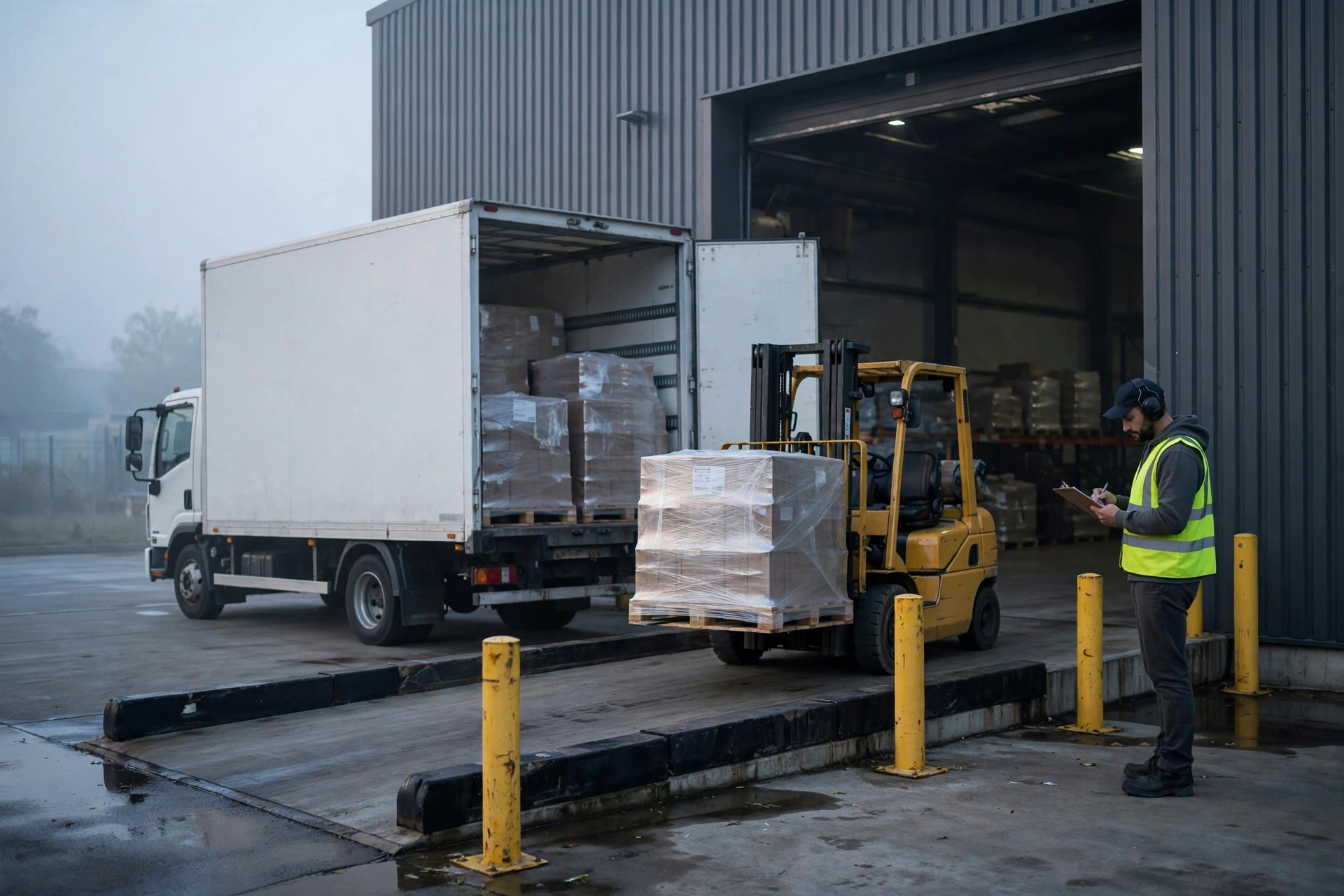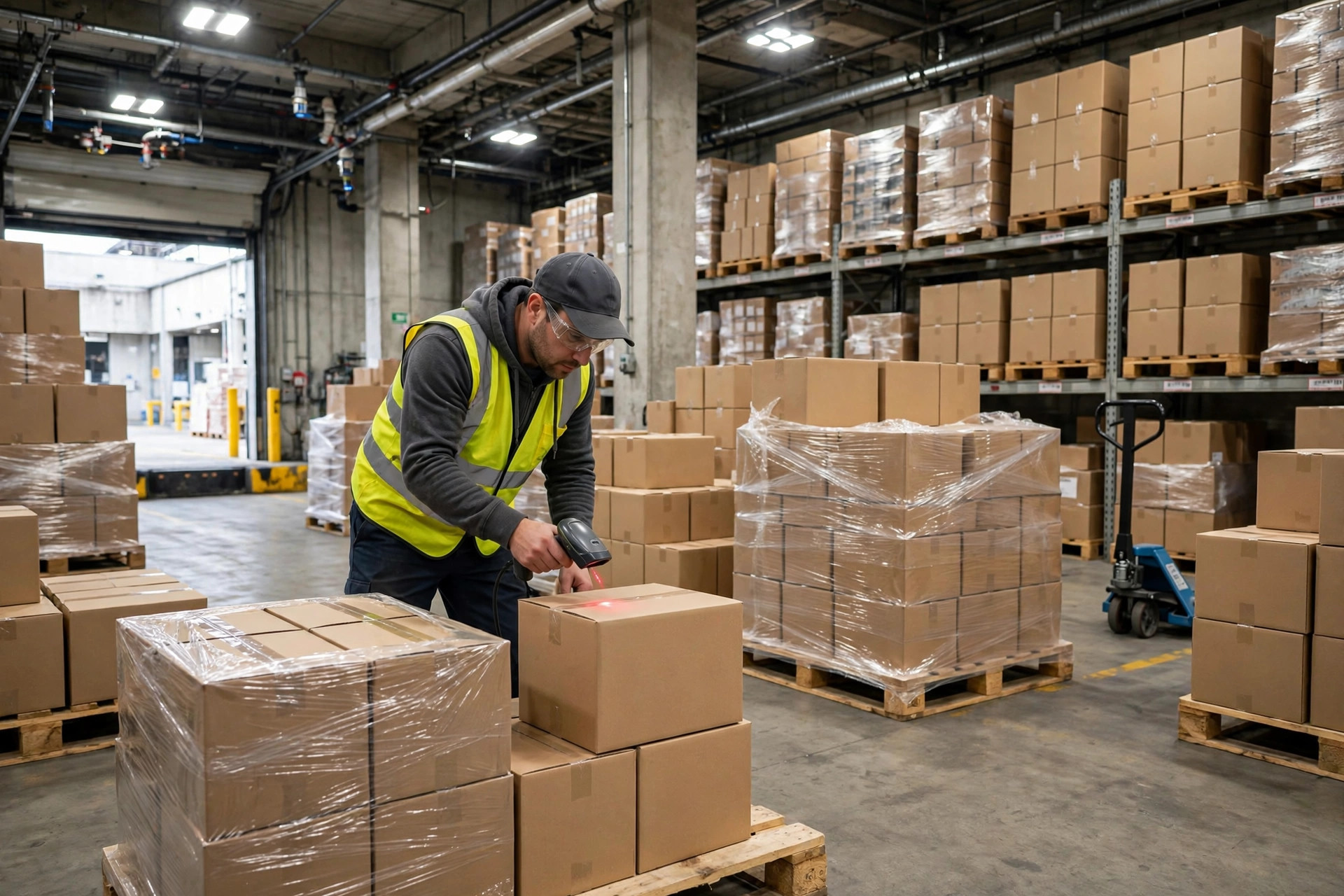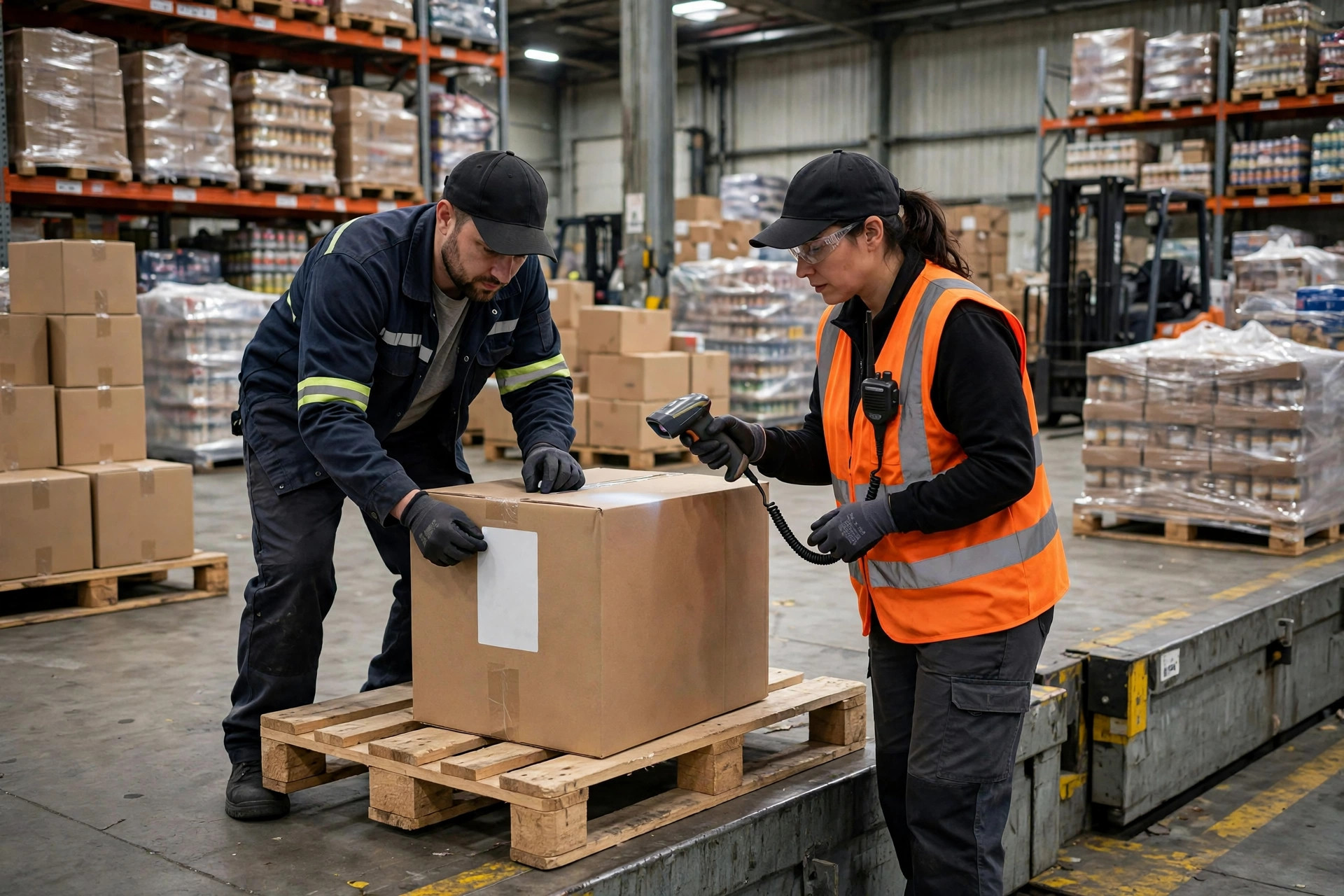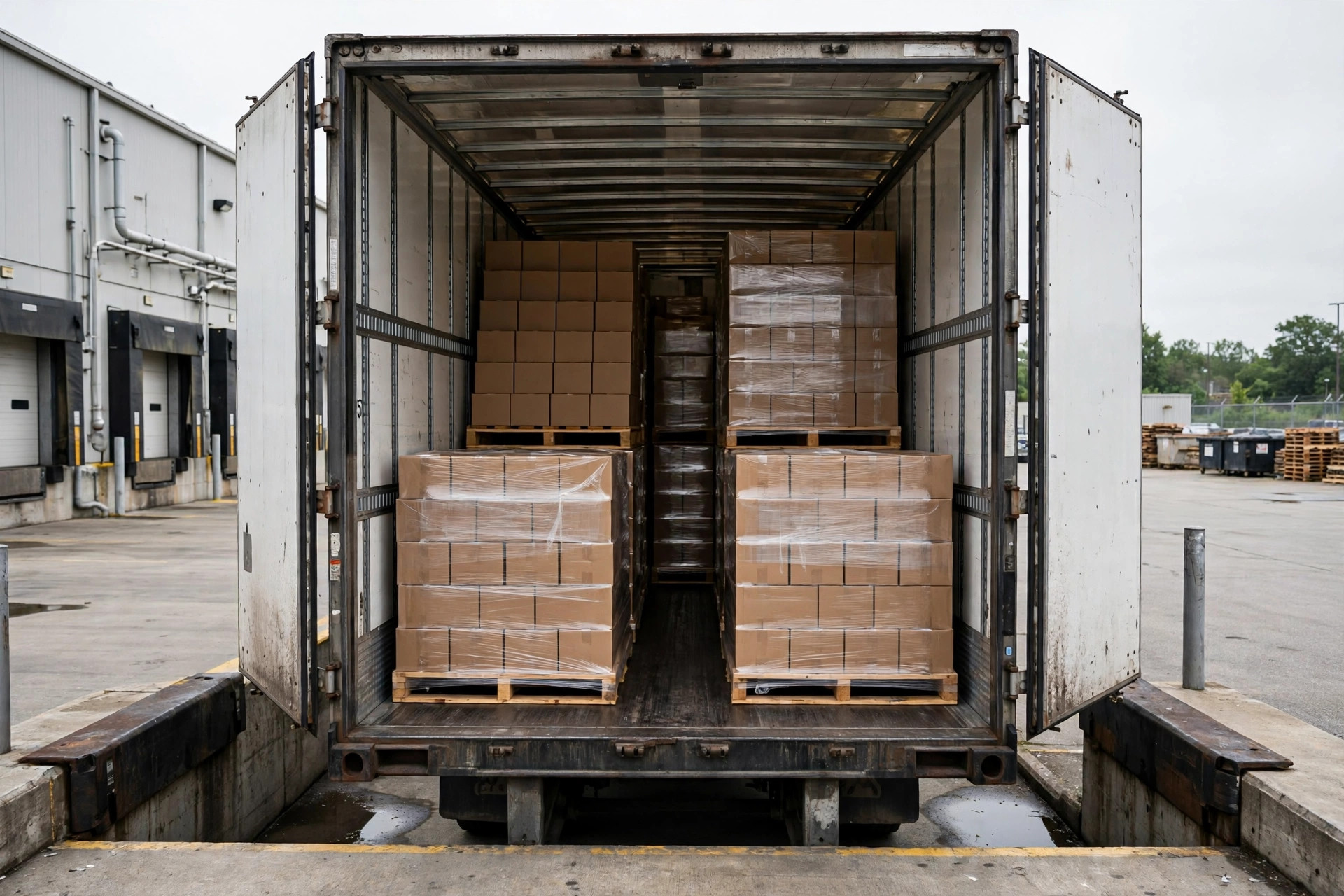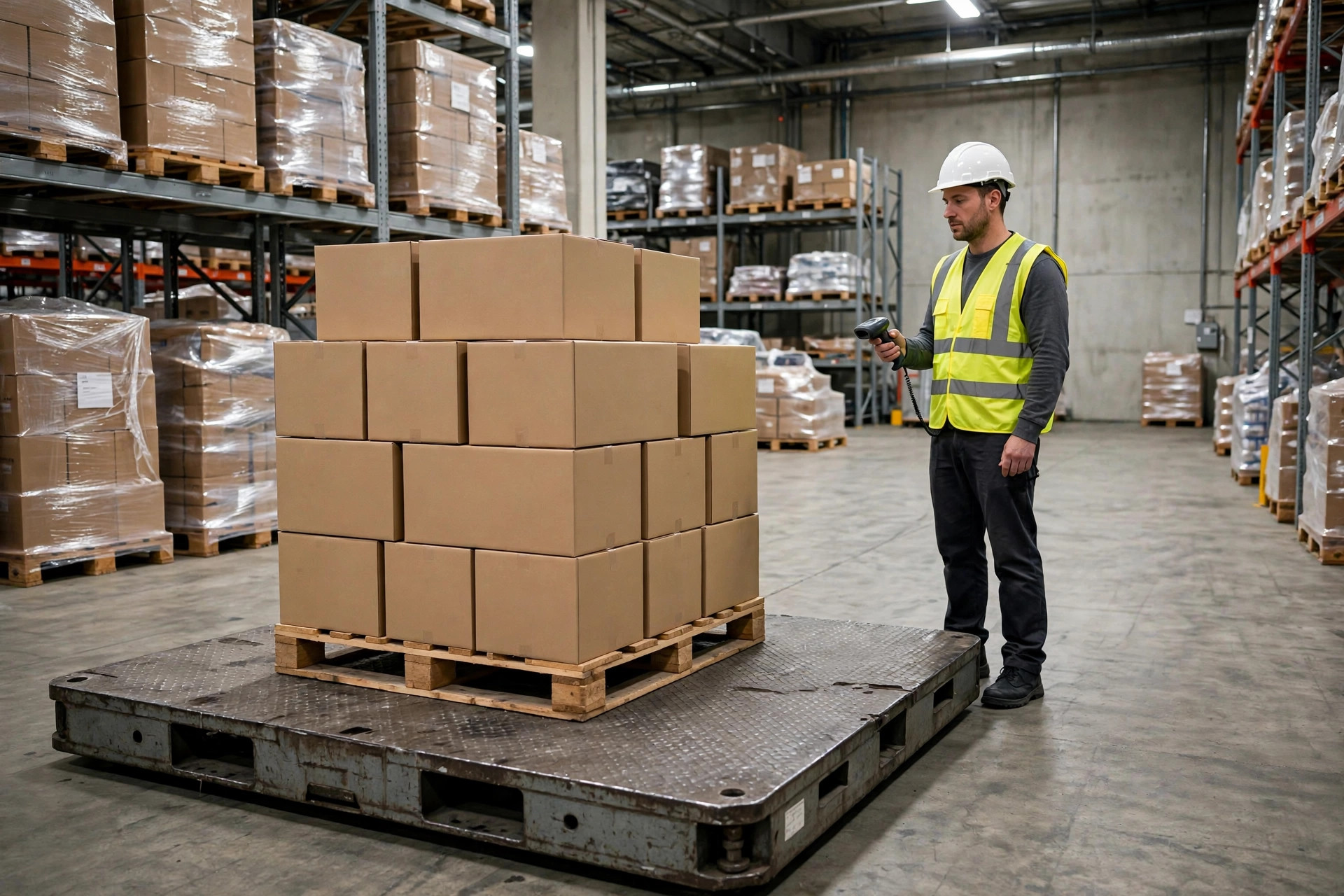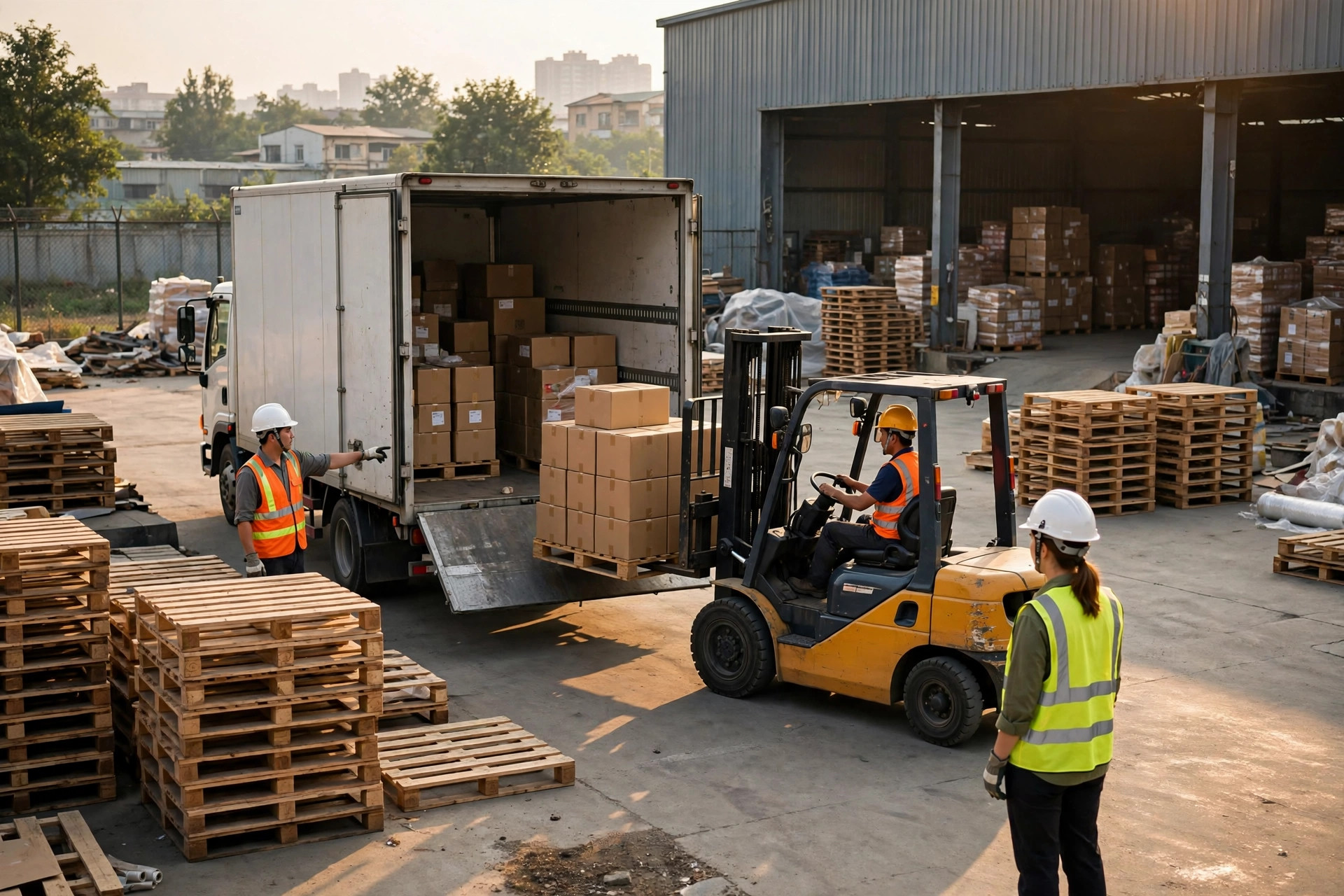
Let's do the math first. Picture a 17.5-meter box trailer rolling in with 60 pallets — a hypothetical number, just to make the arithmetic clean. Three ways to pay the unloading crew, three very different bills. Per-pallet: say 8 to 12 yuan a pallet as an example, so 480 to 720 yuan a truck. Per-hour: a four-man crew working three hours at, say, 30 to 40 yuan per man-hour, so 360 to 480 yuan. Flat rate: say 600 yuan a truck, done. Same truck, same cargo, and the gap between the cheapest and priciest option can be two or three hundred yuan. Run a hundred trucks a month and you're looking at twenty to thirty thousand yuan of difference. All prices below are illustrative examples — actual rates depend on your local market and negotiation.
I've spent twenty years on warehouse floors, and in China the unloading crews I've worked with settle up in basically these three ways. None of them is always the best deal. It comes down to your cargo profile and your volume. Pick the wrong one and you either overpay quietly for years or end up arguing with the crew leader every other week.
Per-Pallet: The Clearest Bill, With the Finest Print
Per-pallet is the most common arrangement in Chinese warehouses, especially when freight arrives already palletized — count the pallets, multiply by the rate, done. A consumer-goods e-commerce warehouse I know in Kunshan ran over thirty inbound trucks a day during the 2024 peak season, all settled per-pallet. Reconciliation took about a minute per truck.
But every trap in per-pallet pricing hides inside the definition of "a pallet." Does a half pallet count as one? What about a few loose cartons from a customer return cobbled together onto one pallet — per-pallet or per-carton? Is there a minimum stacking height — because if the crew stacks four layers where six would do, your pallet count jumps 50% and you're paying for air.
My rule of thumb: per-pallet only works for one kind of freight — standardized pallets coming off the truck more or less ready to put away, with minimal re-stacking. Fast-moving consumer goods, paper products, beverages: go per-pallet without thinking. Loose cartons, odd-shaped items, anything that needs re-palletizing on the dock? Per-pallet becomes a headache, because the crew has an incentive to stack thin and inflate the count — and your slot utilization pays for it.
One more thing people forget: who owns the pallet problem. Sometimes the crew unloads onto your pallets and the empties need collecting afterward; sometimes it's a pallet-exchange run where boards go back on the truck and the crew has to help reload them. The labor difference is real, so spell out whether pallet recovery is included in the rate. I once ran a warehouse that settled per-pallet for half a year before realizing the crew never touched empty-pallet collection — our own people were spending an hour a day rounding up boards. That hidden cost worked out to several extra jiao per pallet.
Per-Hour: Better for Messy Freight, But You Own the Clock
Mixed, loose, odd-shaped freight that needs sorting and re-stacking on the dock is usually cheaper on hourly. Same worked example: a mixed-load trailer, four people, four hours, say 35 yuan per man-hour — 560 yuan a truck. Settled per-pallet, that same messy load might come out to 80 thin-stacked pallets at 10 yuan each, or 800 yuan. For chaotic freight, hourly usually wins on paper.
The catch is the clock. When does it start — when the truck enters the dock, or when the doors open? Does the crew get paid for the forty minutes the driver spends at lunch, or waiting on a forklift? I watched a warehouse in Dongguan spend a month in 2023 fighting over whether "waiting time" counted, because the contract never defined when the clock starts.
Hourly only works with three guardrails: a fixed start point (I recommend "doors open, unloading begins"), someone on your side logging hours on the spot, and both a minimum charge and a cap. The minimum protects the crew — a ten-pallet truck still costs them a trip. The cap protects you — if one truck takes eight hours, something is wrong and anything above the cap should be reviewable. Get the timesheet co-signed the same day; reconcile at month-end and nobody remembers anything.
Night arrivals are the other reality. Plenty of Chinese warehouses receive between 10 p.m. and dawn, and crews charge a night premium. Decide upfront whether that's baked into the hourly rate or added on top. The smoothest setup I've seen: one daytime rate, and after 22:00 a surcharge of, say, 20 to 30 percent as an example, written into the contract. Call people out at 2 a.m. without a premium and they won't pick up next time.
Flat Rate: The Easiest, and the Easiest to Overpay
Flat rate is one price per truck regardless of pallet count or hours. When you're chasing the clock — peak season, trucks queued at the gate — it's the least-friction option, because the crew is motivated to finish fast and move to the next truck. Before the 2024 Singles' Day rush, an apparel warehouse in Hangzhou brought in extra trucks on flat rate and kept the dock moving around the clock. They bought speed, and they got it.
But a flat rate is always quoted against the worst case. The crew leader isn't naive — he prices it assuming the truck might hold 70 pallets and take five hours. If your volume is steady and predictable, flat rate means paying peak pricing all year. My verdict: flat rate fits exactly two situations — temporary extra trucks in peak season where speed beats cost, or freight so irregular that neither of the other two models can even be quoted.
One detail to nail down: overage. Say the flat rate covers up to 60 pallets and anything above settles per-pallet. Without an overage clause, an overloaded trailer means the crew either drags its feet or demands a mid-job price hike. Both hurt.
The Clauses I'd Fight For in Negotiation
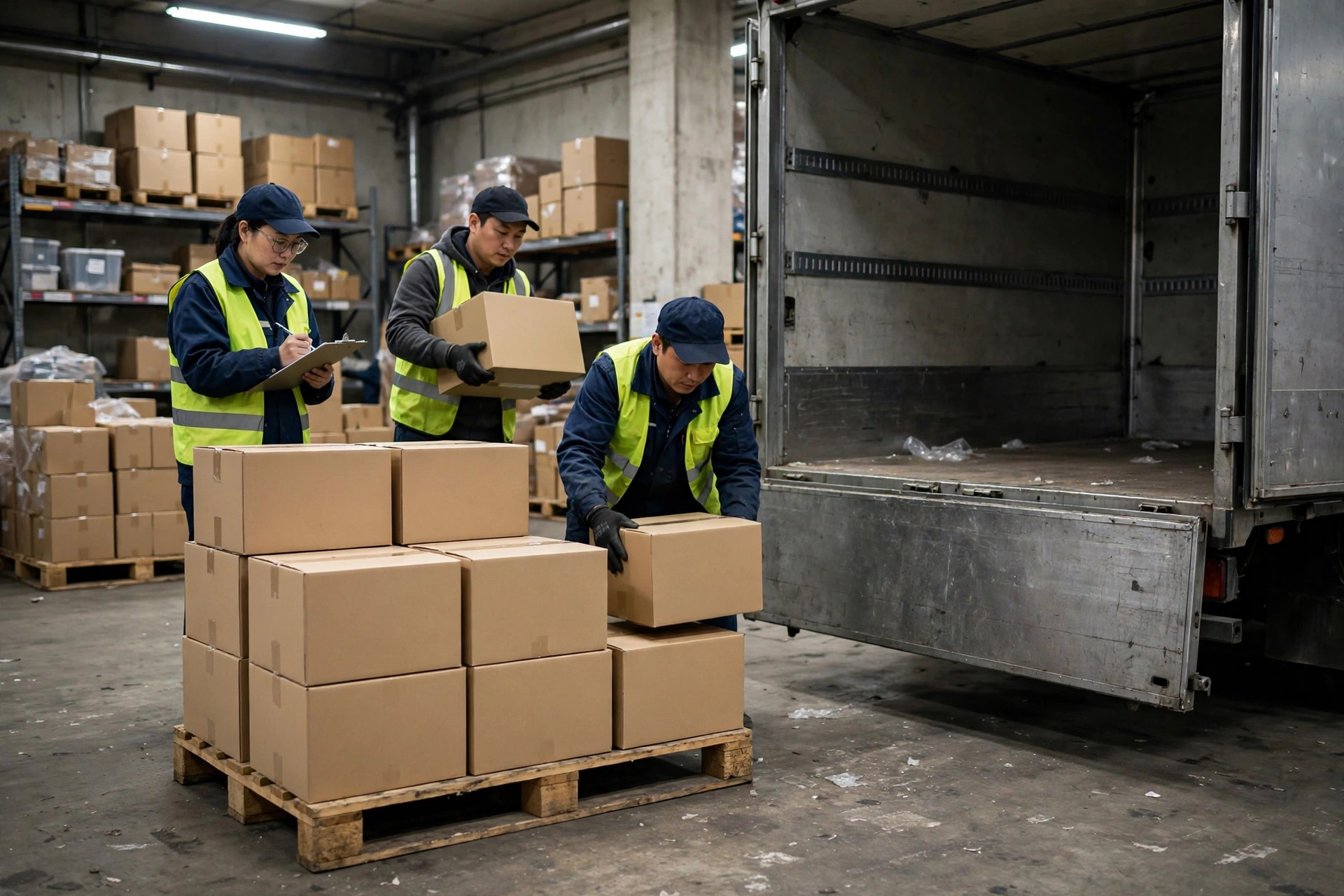
Whichever model you pick, I'd insist on these in the contract. First, define "a pallet": standard dimensions, minimum stacking height, how half pallets and loose cartons convert — photos in an appendix beat paragraphs. Second, timing rules for hourly: start point, end point, whether waiting time counts, same-day dual sign-off on timesheets. Third, a price validity period: labor and fuel move, so agree to review rates, say, every six months. That's far easier to swallow than a surprise 30 percent hike after a year. Fourth, tie quality to money: rough handling that damages goods should trigger deductions, or the crew has no reason to handle with care. Fifth, reconciliation cadence: monthly settlement is standard, but reconcile the counts weekly so month-end is only about money. Small issues shouldn't be allowed to ferment into big fights.
I'll add a sixth of my own: photo evidence. Everyone has a phone, so the rule is simple — one photo of the full trailer when the doors open, one of the empty trailer when it's done, close-ups of any damage on the spot, all dropped into the receiving group chat. Thirty seconds of work, and it settles ninety percent of disputes: was this carton already broken on arrival, or did the crew break it? Plenty of warehouses skip this as too much hassle — until a real damage dispute costs them thousands in goods and weeks of arguing.
I learned this the hard way years ago. I once let an unloading crew run on flat rate for over a year because it was convenient, and never re-bid it. When we finally audited costs, the warehouse next door — same freight profile, settled per-pallet — was spending nearly forty percent less per month. The crew leader was a decent guy and the work was fine, but that's human nature: a flat rate with no review mechanism only drifts in one direction. Since then I've had one rule: flat-rate contracts run three months, then get re-bid. Long-term relationships are fine, but the price has to see daylight regularly.
So back to the opening math problem. Standardized pallet freight in steady volume: go per-pallet. Loose, mixed freight that needs sorting on the dock: go per-hour. Peak-season sprints and ad-hoc extra trucks: flat rate. And you don't have to pick just one — I've seen warehouses run per-pallet day to day, hourly for messy loads, and switch to flat rate for the two weeks before a big sale, ending the year cheaper than any single model. Try this: block out an hour this week, pull last month's unloading invoices, and re-price them under the other two models. The numbers will tell you whether the model you're on is actually the cheapest.