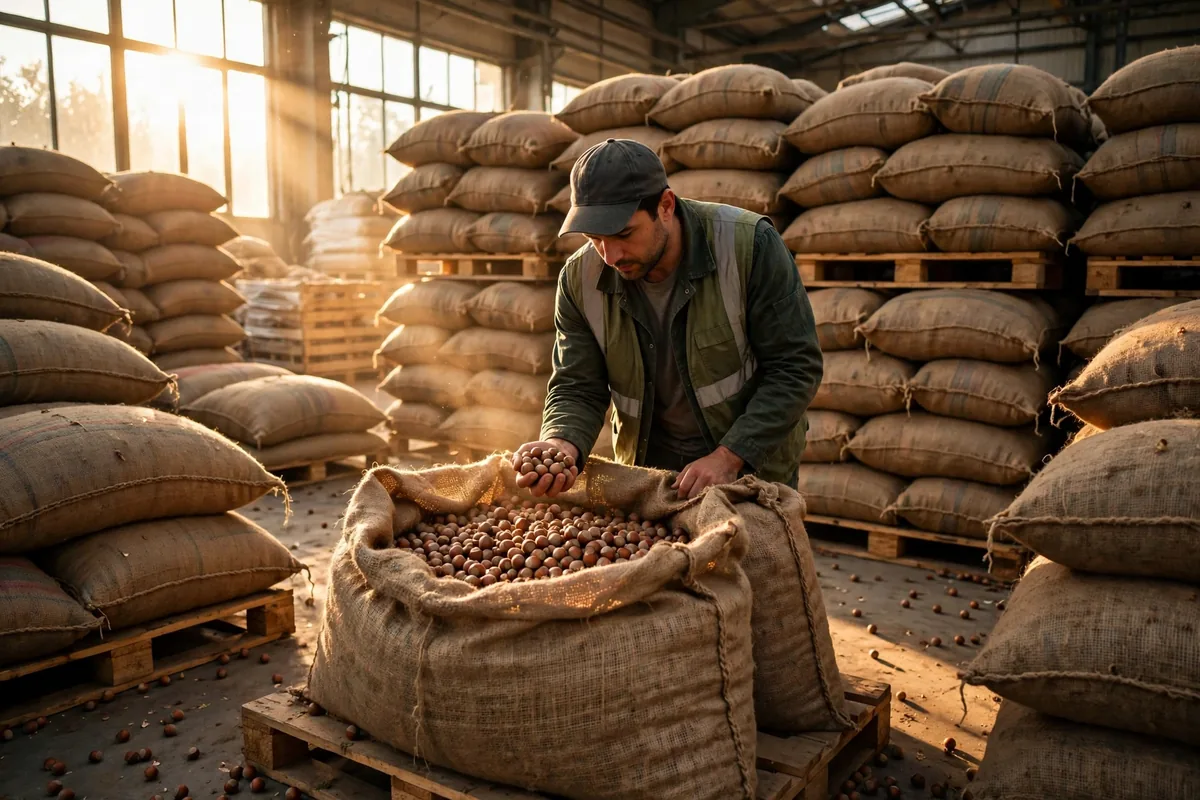
Five years into selling Turkish hazelnuts, I learned one thing the hard way: the money in this trade is not made at the negotiating table. It is guarded in the warehouse. A turkey hazelnut export warehouse can lose a whole container's profit in one hot, stuffy afternoon, and nobody at the buyer's office will ever see the moment it happened.
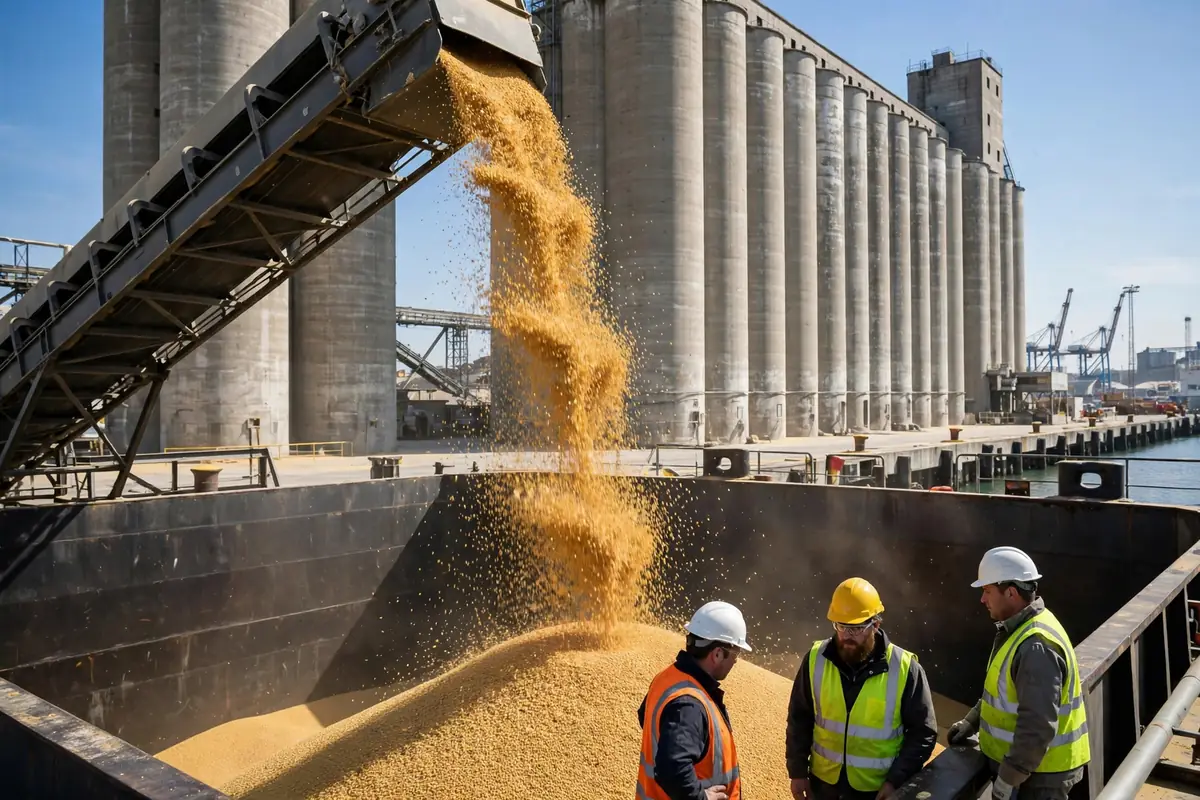
Start with the big picture. Turkey grew 717,000 tonnes of hazelnuts in 2024, according to the FAO — about 59% of world output, with global production around 1.21 million tonnes. In the 2024/25 export season the country shipped 309,000 tonnes worth $2.56 billion to 124 countries, with Germany, Italy and France as the main buyers. The crop comes from the Black Sea coast: Ordu, Giresun and Trabzon. That concentration is the whole story. When a warehouse in that region has a bad week, chocolate factories across Europe feel it.
Illustrative scenario: in October 2024 I was standing in a collection warehouse in Giresun, looking at two stacks from the same lot. The stack against the wall smelled damp. The stack in the middle of the room was still dry. The only difference was pallet height and the gap between the stack and the wall. I walked away from the damp stack and waited three days for fresh stock. Waiting three days cost me one order. Shipping that damp lot could have cost me a full-container claim.
Turkey Hazelnut Export Warehouse Moisture Control: Damp Air Is the Real Enemy
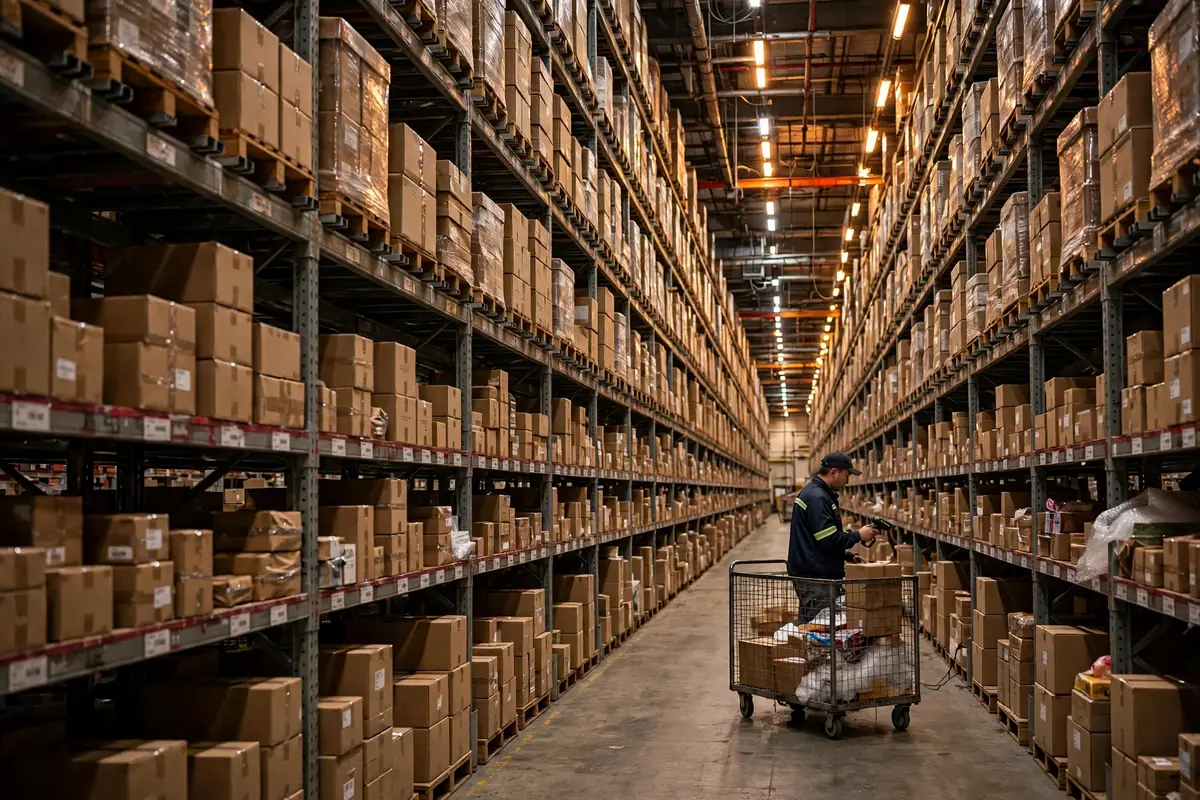
Most people think moisture control means keeping the rain out, and that a roof without leaks is enough. What hazelnuts really fear is stale, trapped air: warm days and cool nights, moisture condensing on the bags, mold growing quietly from there. When I visit a collection warehouse now, I look at three things: a raised damp-proof layer under the pallets, a ventilation gap between the stacks and the walls, and vents in the roof. If those three are in place, the goods can come in. In the rainy season, every intake gets a moisture check, and lots that fail go in a separate spot and ship out first, never mixed into a container with good lots. The freight saved by mixing is nothing next to a mold claim on a full container.
Bags are another trap. Woven bags breathe but let damp in. Liner bags block damp but can trap moisture inside. I switch by season: breathable bags plus ventilation in the dry season, liner bags plus desiccant in the rainy season, and the two types never get mixed. Swapping bags looks like extra work, but it is cheap next to a rejected container. I also keep spare pallets and damp-proof mats in the warehouse so they can go down the moment the rains arrive, instead of hunting for them after the goods are already in.
When I choose a warehouse, I look at one more thing: how close it sits to the sea. The Black Sea coast is humid, and a warehouse too close to the water gets damp walls in the rainy season, with the bottom layers of racking suffering first. I would rather pick a warehouse a little further inland on slightly higher ground and drive a little further than store goods in a warehouse that sweats. A low-lying warehouse floods when it rains, and a soaked bottom layer means re-sorting the whole lot. That extra driving costs nothing next to mold.
Turkey Hazelnut Consolidation: Smallholder Lots and the Shared Container
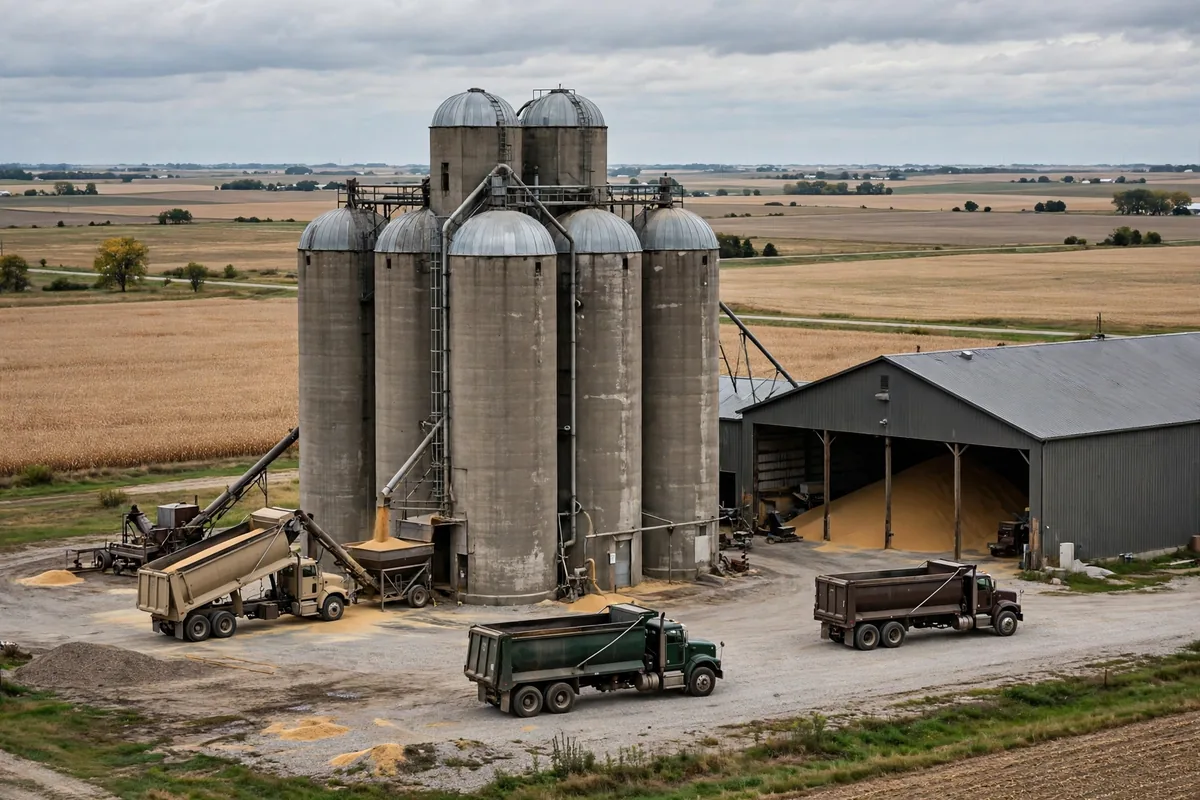
The supply on the Black Sea coast is scattered across thousands of smallholders, and no single collection warehouse can fill a container on its own. Consolidation is not about the goods, it is about timing: who dried first, whose moisture passed, who can make up a batch. The skill of a collection warehouse is grading a dozen smallholders' lots by moisture and size, then building one container of uniform quality. Skipping the grading step looks efficient until a European buyer samples the container and discounts the whole thing. Consolidation also hates waiting: one grower's lot still damp holds up the whole container, and rent runs by the day, so a good warehouse keeps two or three backup suppliers ready. When one drops out, another steps in and the sailing date holds.
The rhythm of the turkey hazelnut export warehouse trade follows Europe's chocolate factories. The weeks before Christmas are the shipping peak, with factories stocking up ahead of time. The first weeks of a new season are the most volatile, with the most people rushing to ship early and the fastest turnover in the warehouse. My rhythm is small trial lots first, then bigger volumes once moisture and quality hold steady. The worst mindset a seller can have is fear of missing the market and filling the warehouse in one go. When the market turns, rent and interest on the money eat the profit.
European buyers inspect harder than I expected when I started. German buyers sample moisture and mold lot by lot, and one failed lot can hold up payment on the whole container. My answer is to sample before shipping and keep the test records, so a dispute can be traced to the collection warehouse or to something that happened in transit. Records look like extra work on a quiet day, and like money on the day a claim lands. I also keep a small sample from every container, marked with the lot number, the date and the name of the collection warehouse, stored somewhere dry. If a buyer reports a problem, the sample from the same lot tells us at once whether it started at origin or on the road. Without a sample, an argument can drag on for a month. With one, responsibility is settled in a day.
Short-Crop Years: Run the Stocking Math Before You Chase Volume
The frost of 2025 cut Turkey's hazelnut output to about 441,000 tonnes, down nearly 40% from 2024, and prices jumped enough to offset the drop in volume. The classic mistake in a short year is seeing prices rise and grabbing stock at any price. When prices rise, buyers order less, so expensive stock can sit in the warehouse longer. Higher prices plus slower turnover plus storage and financing costs mean profit per tonne is not automatically better than in a bumper year.
The table below is a hypothetical example, worked on a 100-tonne stocking basis to show how the strategies differ. It does not represent real prices:
| Stocking strategy | Hypothetical example: money tied up | Hypothetical example: turnover speed | Hypothetical example: main risk | | Lock in full volume in a bumper year | High | Fast | Market turns, stock sits | | Small batches in a short year | Low | Slow | Stock runs out, orders missed | | Grab everything in a short year | Highest | Slowest | Expensive stock stuck in storage |
Here is the counterintuitive part: in a short year, the seller with a good warehouse can afford to sell slowly. Scarce supply makes buyers picky about quality, and dry, mold-free stock hands you the negotiating power. The warehouse stops being a cost center and becomes your bargaining chip. The seller with a damp warehouse has to sell in a hurry, no matter how high the price goes. The same frost hits everyone, and some people lose on price while others win on storage.
One more thing before you sign with a collection warehouse: a spoken promise is worth nothing. Moisture standards, who pays for mold, and how sampling works all go into the contract before the goods ship. Hard words up front beat a quarrel later, and a contract that pays out on a clear rule is cheaper than a month of arguing. I learned that one from a handshake deal that still stings when I think about it.
Next time you visit a collection warehouse, do not ask the price first. Look at three things: the pallets, the ventilation gap, and the roof vents. Then ask how moisture sampling is done. Get the turkey hazelnut export warehouse basics right, and the profit takes care of itself. This one I tested myself.
By Ah K, E-commerce Seller (5 yrs)