TMS or WMS First? The System Sequence for Small Companies
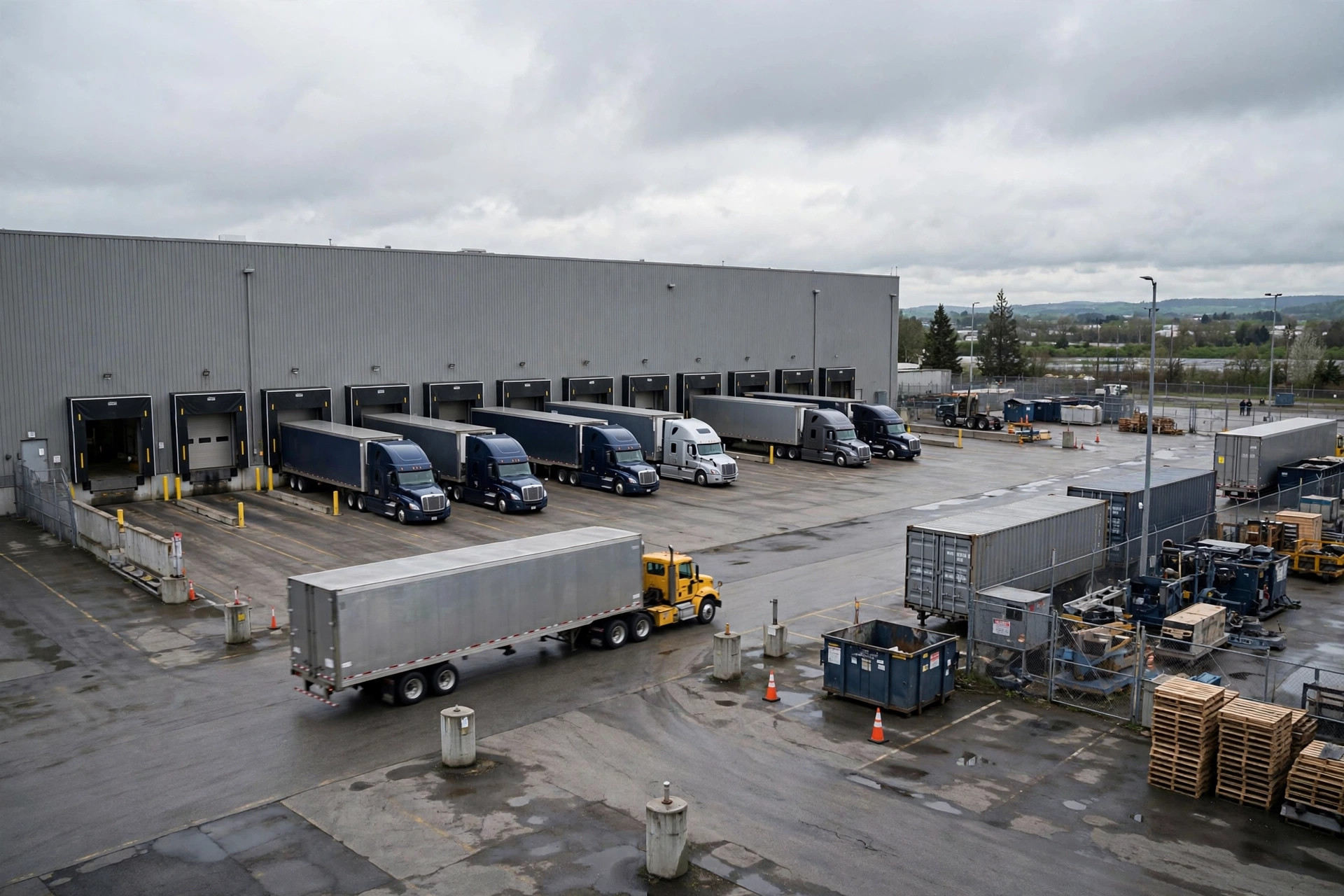
TMS or WMS — which one comes first? Last month I was sitting in the truck queue outside the Port of Tianjin, waiting for my turn at the gate, when the driver in the next lane hopped down for a smoke and a chat. Turns out he runs a small factory. Last year they spent a small fortune on a transportation management system — he can watch every truck on his phone now, see exactly where each one is and when it'll arrive. Pretty fancy, I said. So does your warehouse still ship the wrong goods? He gave a bitter laugh. Oh, it still does. Last week they loaded Customer A's freight onto Customer B's truck. My driver drove 400 kilometers for nothing, and the boss's wife chewed him out all afternoon.
Let me tell you something. After all these years on the road, I've seen this movie too many times — the system goes live, but the pain stays exactly where it was. So today I'm going to settle the question of which system a small company should buy first.
Two True Stories: Same Question, Different Endings
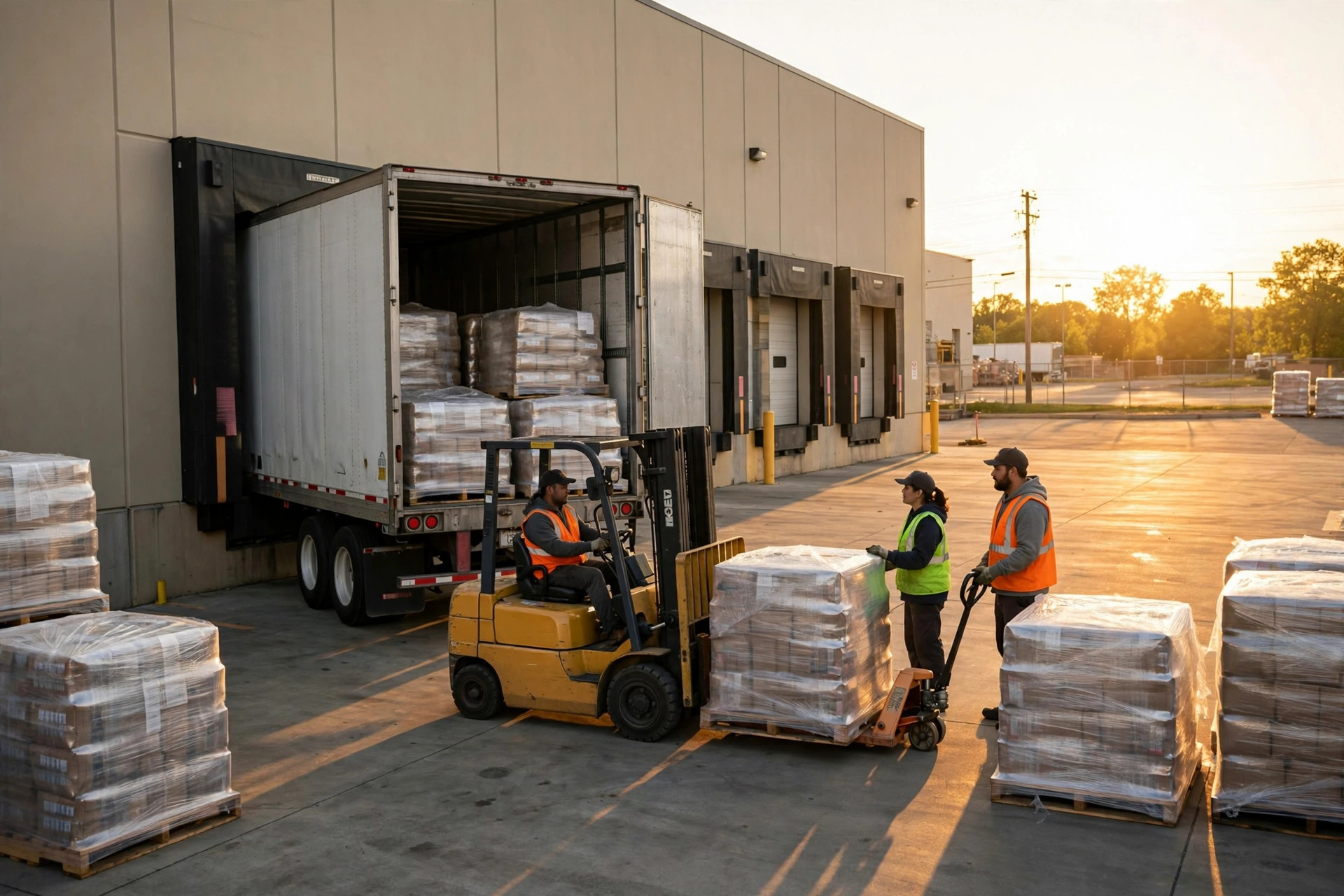
Back in early 2024, a small auto-parts factory in Hebei with four of its own trucks running fixed routes across northern China bought a TMS first. The boss wanted to keep his drivers honest and his freight bills clean. Six months in, everything on the road was crystal clear — departure times, arrivals, fuel burn, all on the dashboard. But the warehouse was still picking off paper slips, and wrong shipments kept happening. Old Wang, one of the drivers, would show up for a pickup, the paperwork wouldn't match, and he'd sit at the warehouse gate for two hours while the TMS cheerfully reported "on-time arrival" — with the freight still not loaded. The boss told me later: we got the trucks under control, but not the freight. That's only half the job.
Then there's a small e-commerce warehouse in Guangzhou, two thousand-plus SKUs, getting killed by mis-shipments and customer complaints. The owner gritted his teeth and bought a WMS first. Three months later, inventory was accurate, picking was faster, and mis-shipments had basically stopped. But a new pain showed up: everything went out through three parcel carriers and LTL companies, rates were negotiated one WeChat message at a time, and nobody was checking overweight and oversize surcharges. Every month, tens of thousands in freight spend just… evaporated into line items nobody could explain. The WMS had the warehouse under control, but once the freight left the dock, nobody was watching.
Think about what one wrong shipment really costs: fuel and tolls burned for nothing, half a driver's day wasted, the goods hauled back and re-shipped, and on the customer side anything from a penalty deduction to a lost account. One botched B2B order can wipe out half a month's profit for a small company. So here's the thing: a TMS manages "freight on the road," a WMS manages "freight in the warehouse." Which one comes first depends on where your pain is.

TMS or WMS First for a Small Business? Look at Three Things
First, look at who moves your freight. If you run your own fleet, or you have long-term contract carriers — you dispatch the trucks, you burn the fuel, the drivers answer to you — buy the TMS first. Routes, on-time performance, fuel, driver scorecards: that's all real money. But if you're 100% outsourced, everything going out by parcel and LTL, the trucks aren't yours and the drivers aren't yours, then a TMS can't manage much. Buying one in that situation just looks good on paper — you don't even own the trucks, so whose routes are you managing? Here's a contrarian take: the smaller the company and the fewer trucks it owns, the easier it is to get dazzled by a TMS demo, and the faster you realize you're staring at somebody else's trucks on a screen every day. Useless.
Second, look at what your orders look like. Lots of SKUs, messy batches, mis-shipments and customer complaints every day — buy the WMS first and get warehouse accuracy up. That's what keeps the lights on. But if the warehouse runs fine and your pain is freight bills that never reconcile, delivery promises that keep breaking, customers calling every day asking "where's my stuff" — buy the TMS. Bluntly: whichever link is losing you customers and costing you real money, fix that one first.
Third, look at your money and your people. Buying both at once is out of reach for most small companies, and that's fine — nothing shameful about it. Fix the most painful problem first, and hold the other line with elbow grease: no TMS yet? Track freight in a spreadsheet and reconcile it weekly, spot-check overweight and oversize orders by hand. No WMS yet? Clean up your location codes, do your ABC classification, replace the veteran worker's memory with a printed location map on the wall. There's no shame in scrappy methods. The shame is in leaving the painful spot untreated.
And one more honest word: the most common trap for small companies isn't picking the wrong order — it's wanting both systems at once and ending up using neither. The TMS gets installed and nobody watches the tracking; the WMS gets installed and everyone's still working off paper slips. Get one system working, taste the win, then buy the second. That's the small-company way.
A Cheat Sheet: What Kind of Company Are You?
| Your profile | Buy first | Why |
|---|---|---|
| Own fleet of 5+ trucks on fixed routes | TMS | The trucks are yours — routes, fuel, on-time performance pay off immediately |
| Small e-commerce warehouse, 1,000+ SKUs, constant mis-shipments | WMS | Get warehouse accuracy up first; that's what keeps you in business |
| Factory with big B2B orders, customers sensitive to lead time | TMS | On-time delivery is everything; one late arrival can lose an account |
| Trading company, everything outsourced to carriers | WMS | Get your own inventory straight first; worry about the trucks later |
| Freight is your biggest cost and monthly reconciliation is a nightmare | TMS | Get the messy freight bills under control first |
| Warehouse runs on one veteran's memory of where everything is | WMS | The day he quits, nothing can be found — don't take that risk |
Find your row and you basically can't go wrong. If you match two rows, remember this: whichever one is costing you real money every month goes first.
Two Pieces of Straight Advice
If you're a shipper with your own fleet: buy the TMS first, but don't expect it to fix your warehouse. Shipping accuracy comes from a WMS — or at least from getting location management straight. No TMS can save freight that was loaded wrong.
If you run a warehouse: buy the WMS first and get inventory accuracy above 99% — that's your leverage when negotiating rates with shippers. For on-time performance after the freight leaves, phone calls and WeChat will do for now. Buy the TMS when your volume earns it.
One Last Thing That'll Annoy the Software Salesmen
I've met plenty of software salesmen over the years, and every one of them says their system is "the urgent one" and "you'll fall behind without it." Let me tell you: don't let them set your agenda. Systems serve people, not the other way around. Get the order wrong and the more expensive the software, the more expensive the mistake — a six-figure system, and the warehouse still ships wrong and the drivers still wait.
The whole sequence question comes down to one line: treat the most painful illness first. Get the first system working, taste the win, and by the time you buy the second one you'll know exactly what you need — and no salesman will be able to snow you.
There's an old saying: put good steel on the cutting edge. Every penny a small company has is cutting edge — make sure it cuts in the right place.
By Shifu Zhao, Trucking Veteran (15 yrs)